Joy at Work
We are Human Together or Not at All.
Cosiamo | Founder, UMANIAMO® | Humaning Architecture
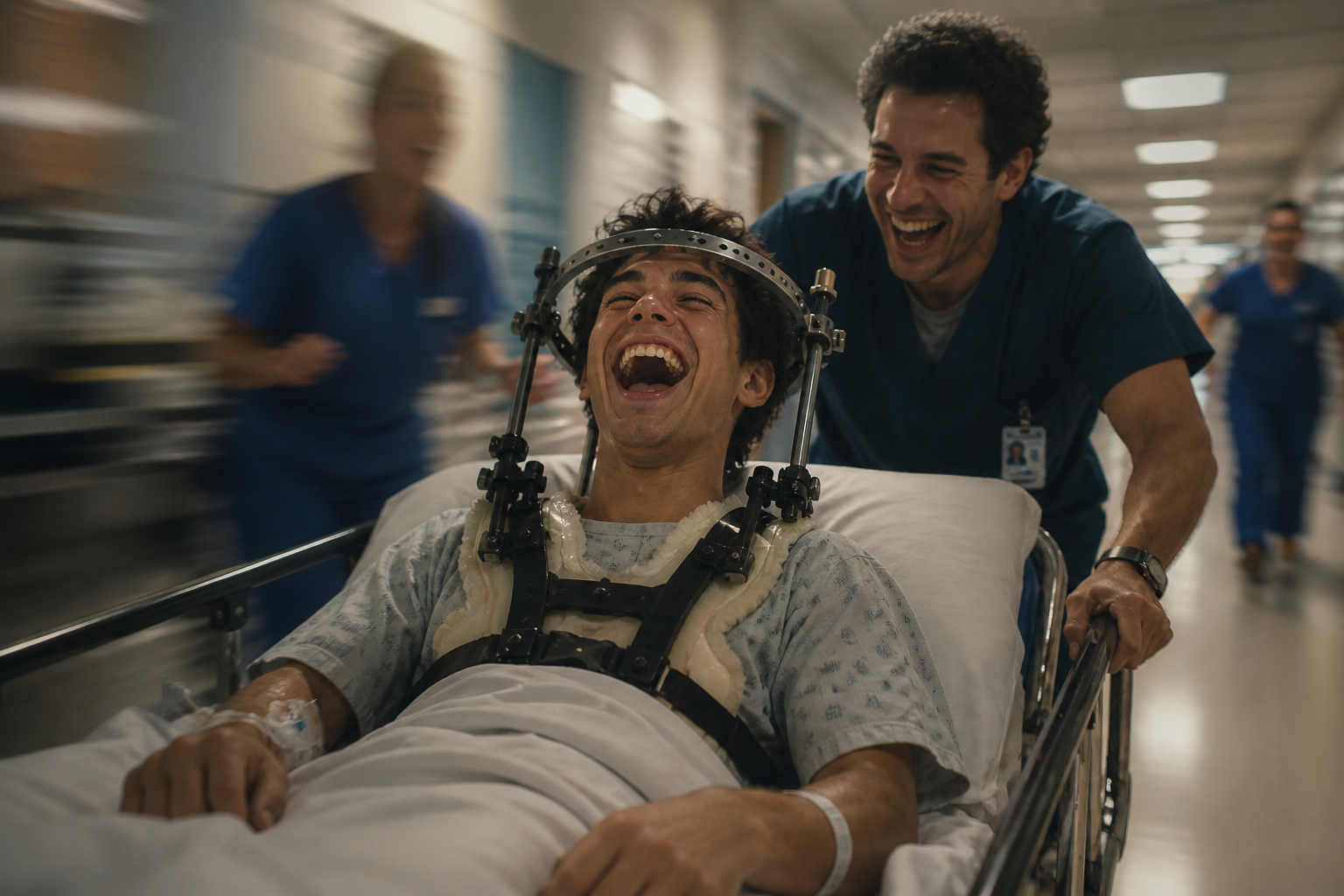
Many years ago, when I was working in healthcare, there was a young patient I still think about. He about eighteen. I wasn’t much older at the time. His body had been badly broken in an accident, and he was immobilized in a full halo brace, lying on a gurney day after day. There wasn’t much he could do, and there wasn’t much anyone could do for him beyond care and time.
One day I asked him, “Want to try something?” He said yes. So I grabbed the gurney and started running him down the hallway. Not fast enough to be reckless, well the nurses felt differently, but fast enough for him to feel it. For a moment, he wasn’t stuck. He wasn’t defined by the brace, the injury, or the waiting. He was just a kid flying down a hallway. And he laughed and so did I. Interestingly, only now did I realize we experienced something together that I didn’t understand. It changed me and perhaps him too. When he laughed, it wasn’t a giggle or little laugh, his whole person was laughing almost streaming like on a roller coster. As he laughed it was like something broke open.
Years later, I saw the same thing again.
My son had just finished a chocolate sundae. Without warning, I took the empty bowl and flipped it upside down on his head. Chocolate everywhere. There was a pause—just a second and then he laughed. The kind of laugh where your whole body is in it. The kind where you don’t think, you don’t analyze, you just are. Both moments had something in common. Nothing about the situation changed. But everything about how it was experienced did and how we related to each other.
We don’t usually think about laughter this way.
We treat it as a reaction. Something that happens when things are already good, already clear, already resolved. But if you pay attention, that’s not when it shows up.
It shows up right in the middle of things. In the hallway of a hospital, mess of a kitchen or in the middle of a week that doesn’t quite make sense.
And that matters more than we think. Because most of us spend a lot of time trying to understand where we are. We look for signs. We try to define the moment. We want to know what stage we’re in, what comes next, how it all fits together. But the truth is, we rarely know in real time.
No one wakes up and says, “I’m in a transition,” or “I’m in a renaissance.”
You only see that later. In the moment, it just feels… different. A little unclear. A little stretched. Like things are moving, but not in a way you can fully track. You’re still doing your work, still living your life, but the sense of certainty isn’t what it used to be.
And underneath that, there can be a kind of quiet tension. Sometimes it shows up as restlessness. Sometimes as low-level anxiety. Sometimes just as a sense that you’re carrying more than you can quite explain. And often, you don’t even know where it’s coming from. That’s what makes this next part so important. Because in the middle of that—without warning—something like laughter shows up.
Not because everything is resolved. But because something in you is no longer completely held by the tension. Laughter does something very specific. It interrupts. It breaks the pattern. For a moment, the body shifts. The breath changes. The tightness releases. And even if the situation is exactly the same, your experience of it is not.
That’s not trivial. That’s information. It tells you that whatever you’re feeling, whatever you’re carrying, is not total. It does not have complete control. There is still space. There is still movement. There is still life.
And when that happens with other people, it multiplies.
A shared laugh changes a room. It softens conversations. It makes space for something else to enter—something that wasn’t possible a moment before. New thoughts. New perspectives. Sometimes even new direction.
Communities that can laugh together don’t just feel better. They stay together. Because laughter reminds you—without needing to explain it—that you’re not alone in what you’re experiencing. That’s where this week’s REDISCOVER UⓇ theme comes in: Humor and Playfulness. Not as entertainment, but as a sign that even in the middle of uncertainty, something in you—and something between us and others—is opening.
Molti anni fa, quando lavoravo nel settore sanitario, c’era un giovane paziente a cui penso ancora oggi. Aveva circa diciotto anni. All’epoca non ero molto più grande di lui. Il suo corpo era stato gravemente ferito in un incidente ed era immobilizzato in un tutore a halo completo, disteso su una barella giorno dopo giorno. Non c’era molto che potesse fare, e non c’era molto che qualcuno potesse fare per lui oltre alle cure e al tempo dedicato.
Un giorno gli chiesi: «Vuoi provare una cosa?» Lui rispose di sì. Così afferrai la barella e cominciai a correre con lui lungo il corridoio. Non abbastanza veloce da essere imprudente – beh, le infermiere la pensavano diversamente – ma abbastanza veloce da farglielo sentire. Per un attimo, non era bloccato. Non era definito dal tutore, dall’infortunio o dall’attesa. Era solo un ragazzo che sfrecciava lungo un corridoio. E lui rise, e così feci anch’io. È interessante notare che solo ora mi sono reso conto che abbiamo vissuto insieme qualcosa che allora non capivo. Ha cambiato me e forse anche lui. Quando rideva, non era una risatina o una risata sommessa, era tutta la sua persona a ridere, quasi come se fosse sulle montagne russe. Mentre rideva, era come se qualcosa si fosse aperto.
Anni dopo, ho visto di nuovo la stessa cosa.
Mio figlio aveva appena finito una coppa di gelato al cioccolato. Senza preavviso, ho preso la ciotola vuota e gliel'ho rovesciata sulla testa. Cioccolato dappertutto. C'è stata una pausa, solo un secondo, e poi ha riso. Quel tipo di risata in cui c'è tutto il corpo. Quel tipo in cui non pensi, non analizzi, sei e basta. Entrambi i momenti avevano qualcosa in comune. Nulla della situazione era cambiato. Ma tutto era cambiato nel modo in cui era stato vissuto e nel modo in cui ci relazionavamo l'uno con l'altro.
Di solito non pensiamo alla risata in questo modo.
La trattiamo come una reazione. Qualcosa che accade quando le cose vanno già bene, sono già chiare, già risolte. Ma se ci fai caso, non è in quel momento che si manifesta.
Si manifesta proprio nel bel mezzo delle cose. Nel corridoio di un ospedale, nel caos di una cucina o nel bel mezzo di una settimana che non ha molto senso.
E questo conta più di quanto pensiamo. Perché la maggior parte di noi passa molto tempo a cercare di capire dove ci troviamo. Cerchiamo dei segnali. Cerchiamo di definire il momento. Vogliamo sapere in quale fase siamo, cosa verrà dopo, come tutto si incastra. Ma la verità è che raramente lo sappiamo in tempo reale.
Nessuno si sveglia e dice: “Sono in una fase di transizione” o “Sono in una rinascita”.
Lo capisci solo dopo. Nel momento stesso, sembra solo... diverso. Un po' confuso. Un po' tirato per le lunghe. Come se le cose si stessero muovendo, ma non in un modo che riesci a seguire completamente. Stai ancora facendo il tuo lavoro, stai ancora vivendo la tua vita, ma il senso di certezza non è più quello di una volta.
E sotto a tutto questo, può esserci una sorta di tensione silenziosa. A volte si manifesta come irrequietezza. A volte come ansia di basso livello. A volte semplicemente come la sensazione di portare un peso che non riesci a spiegare del tutto. E spesso, non sai nemmeno da dove provenga. È questo che rende la parte successiva così importante. Perché nel bel mezzo di tutto ciò – senza preavviso – compare qualcosa come una risata.
Non perché tutto sia risolto. Ma perché qualcosa in te non è più completamente trattenuto dalla tensione. La risata fa qualcosa di molto specifico. Interrompe. Rompe lo schema. Per un momento, il corpo cambia. Il respiro cambia. La tensione si allenta. E anche se la situazione è esattamente la stessa, la tua esperienza di essa non lo è.
Non è una cosa da poco. È un'informazione. Ti dice che qualunque cosa tu stia provando, qualunque cosa tu stia portando con te, non è totale. Non ha il controllo completo. C'è ancora spazio. C'è ancora movimento. C'è ancora vita.
E quando questo accade con altre persone, si moltiplica.
Una risata condivisa cambia l'atmosfera di una stanza. Ammorbidisce le conversazioni. Crea spazio affinché entri qualcos'altro: qualcosa che non era possibile un attimo prima. Nuovi pensieri. Nuove prospettive. A volte persino una nuova direzione.
Le comunità che riescono a ridere insieme non solo si sentono meglio. Restano unite.
Perché la risata ti ricorda – senza bisogno di spiegazioni – che non sei solo in ciò che stai vivendo. È qui che entra in gioco il tema REDISCOVER UⓇ di questa settimana: Umorismo e giocosità. Non come intrattenimento, ma come segno che anche nel mezzo dell’incertezza, qualcosa in te – e qualcosa tra noi e gli altri – si sta aprendo.
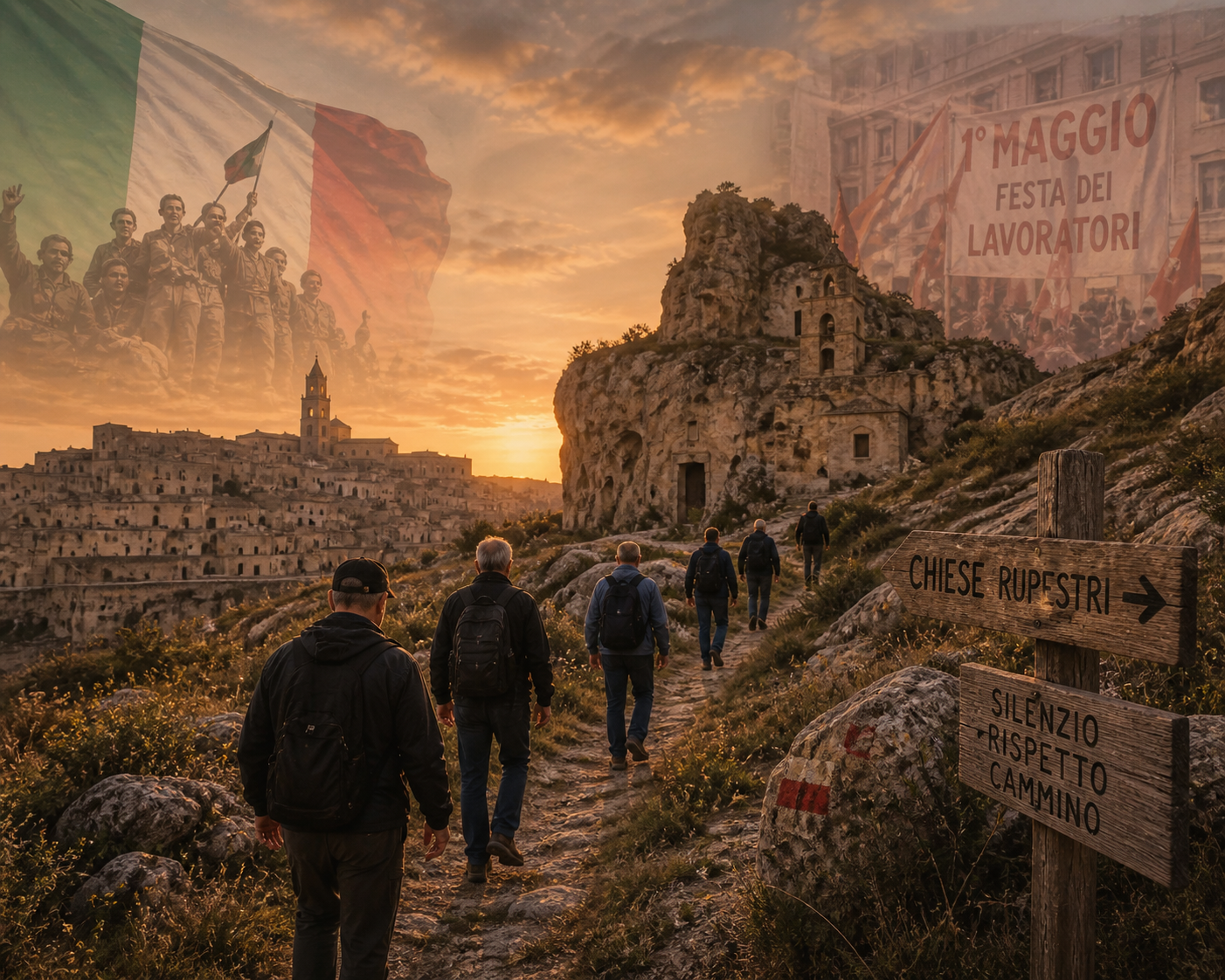
In Italy, the week between April 25 and May 1 are not celebrations in isolation, they are connected in recent historical memory.
April 25 is Liberation Day, which marks the 1945 uprising that ended Nazi-Fascist occupation. It was the cumulative effort of a people that stepped out from under control and reclaimed their country. Then, May 1 is Labor Day (Primo Maggio).
This wasn’t just another holiday. It had been taken away during the Fascist regime and moved to a different date to serve political symbolism. When the war ended, May 1 was restored, almost immediately, as a way of returning something back to the people.
So within one week, Italy didn’t just become free, the peoples of the Italian Nation began to live free again.
That connection still shows up today. Many Italians take a ponte—a “bridge”—between the two holidays, creating a stretch of time that blends remembrance with celebration. You’ll see concerts in Rome, families gathering outdoors, and simple traditions like eating fava beans and pecorino together.
However, today in Matera, people are out, just out walking, gathering, moving through the land. And if you know where to look, there’s something else happening too. A group of men leaves early around 6:00 am without flyers or a schedule posted. Just a quiet understanding. They cross the Murgia on foot, following old paths that lead to the rupestrian churches carved into the rock. I’ve done that walk. It’s not a hike in the modern sense. It is the intentional dedication to something ancient, almost like stepping into something that was already there before you arrived. But it’s a men’s thing.
Not exclusive in a social sense, but formative in a human one. There’s something about men walking together in silence, in rhythm, across open land, toward something sacred, that changes how you carry yourself. No one explains it and no one needs to. It’s a messy walk sometimes, but you just walk. This is the ponte—the bridge.
Liberazione, Lavoro e Allegria
In Italia, la settimana compresa tra il 25 aprile e il 1° maggio non è costituita da festività isolate, ma da eventi legati nella memoria storica recente.
Il 25 aprile è il Giorno della Liberazione, che ricorda la rivolta del 1945 che pose fine all’occupazione nazifascista. Fu lo sforzo collettivo di un popolo che si liberò dal giogo e si riappropriò del proprio Paese. Il 1° maggio, invece, è la Festa del Lavoro (Primo Maggio).
Non si trattava semplicemente di un'altra festività. Era stata abolita durante il regime fascista e spostata in una data diversa per motivi di simbolismo politico. Quando la guerra finì, il 1° maggio fu ripristinato, quasi immediatamente, come un modo per restituire qualcosa al popolo.
Così, nel giro di una settimana, l'Italia non solo divenne libera, ma i popoli della Nazione italiana ricominciarono a vivere liberi.
Quel legame è ancora visibile oggi. Molti italiani si prendono un ponte tra le due festività, creando un periodo che fonde il ricordo con la celebrazione. A Roma si vedono concerti, famiglie che si riuniscono all’aperto e semplici tradizioni come mangiare insieme fave e pecorino.
Tuttavia, oggi a Matera la gente è in giro, semplicemente a passeggiare, a riunirsi, a muoversi per la campagna. E se sai dove guardare, sta succedendo anche qualcos’altro. Un gruppo di uomini parte presto, verso le 6:00 del mattino, senza volantini né un programma affisso. Solo una tacita intesa. Attraversano la Murgia a piedi, seguendo antichi sentieri che conducono alle chiese rupestri scavate nella roccia. Ho fatto quella passeggiata. Non è un’escursione nel senso moderno del termine. È la dedizione intenzionale a qualcosa di antico, quasi come entrare in qualcosa che era già lì prima del tuo arrivo. Ma è una cosa da uomini.
Non esclusiva in senso sociale, ma formativa in senso umano. C'è qualcosa nel camminare insieme in silenzio, a ritmo, attraverso la campagna, verso qualcosa di sacro, che cambia il modo in cui ti comporti. Nessuno lo spiega e nessuno ne ha bisogno. A volte è una camminata disordinata, ma si cammina e basta. Questo è il ponte.
Humor and Playfulness
Each week, we offer two easy ways to reflect depending on how and where you are.
The Table Conversation is a short, shared reflection. It works best around a meal, in the living room, or during unhurried time with friends or family. No preparation is required, only presence.
The D.E.E.P.E.R. Examen is a longer, personal reflection.
It’s designed to be done on your own, at your own pace, with space for silence, journaling, or prayer. You don’t need to do both. Choose the one that fits your moment. Both are ways of paying attention to what has been forming you, so experience can mature into wisdom.
This reflection works best around a meal, in the living room, or during unhurried time with friends or family. No preparation is required only your presence. Take a moment to take a look at the REDISCOVER UⓇ digital image together and allow a brief silence before beginning conversation.
The REDISCOVER UⓇ strength of Humor and Playfulness is the ability to recognize what is amusing in a situation, and to offer that lightness to others. It doesn’t ignore reality. It shifts how we experience it. In many ways, humor and playfulness acts as a kind of social lubricant. It softens edges, opens conversations, and allows people to move toward each other more easily. Teams don’t always need humor to function, but when it’s present, something changes. Tension decreases. Trust builds more naturally. People become more willing to engage, to contribute, and to stay in the work together.
At the Table, the the conversation unfold naturally, and then introduce these three reflections:
1. When did something feel lighter than expected this week?
Think about a moment where tension broke, maybe through laughter, a comment, or something small that shifted the tone. What changed in you physically or mentally when that happened?
2. What do you notice about yourself when you are more at ease?
When you’re not holding as tightly how do you listen, respond, or engage differently? What strengths show up more naturally when there’s space for playfulness?
3. Where might humor be opening something new?
Is there a situation or relationship where things have felt stuck or serious? What might happen if a little lightness were introduced—not to avoid it, but to approach it differently?
Let the conversation move. Interruptions are fine. Laughter is part of the practice. You’re not trying to solve anything—you’re allowing something to shift together.
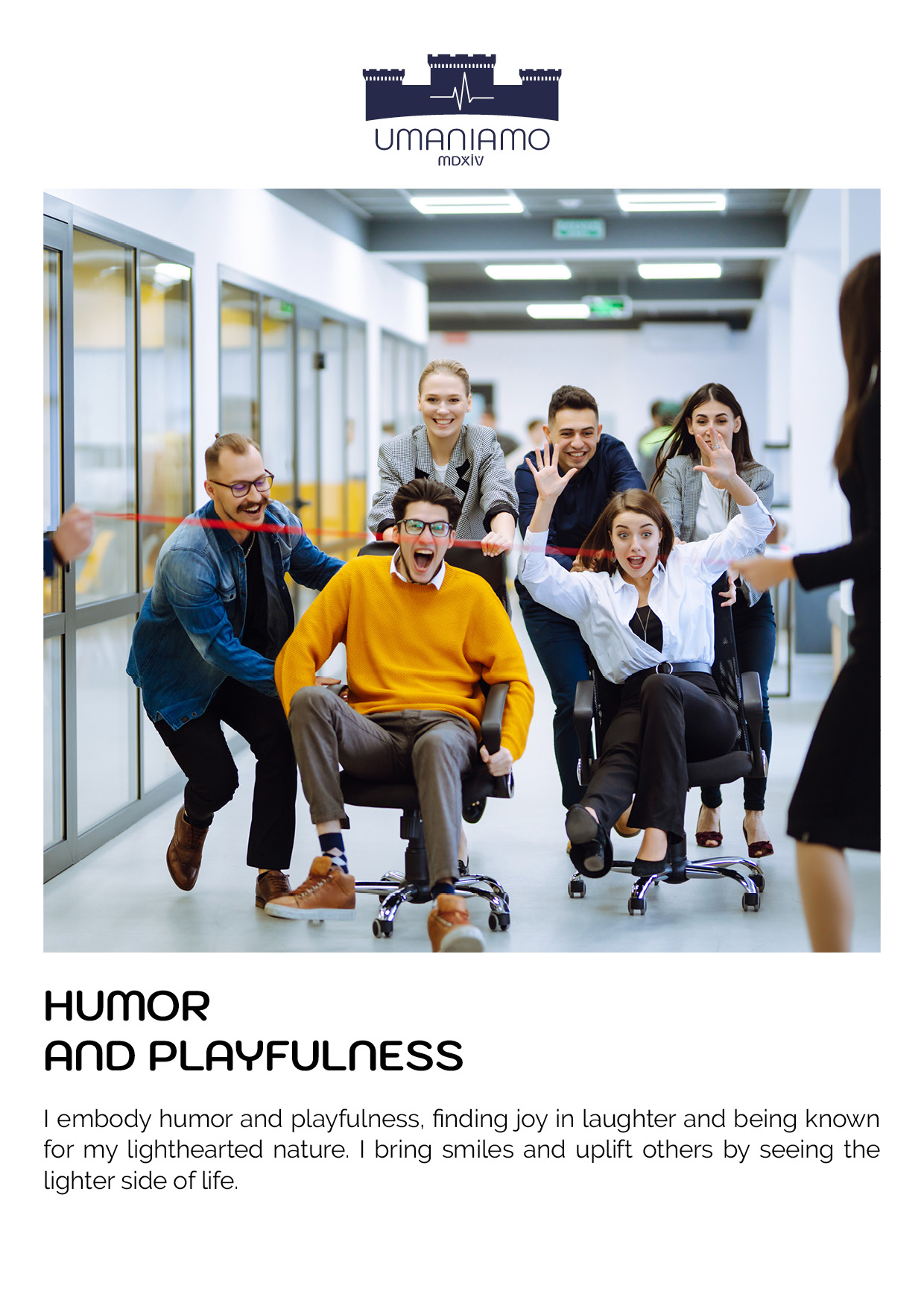
At the close of the day, or in a quiet moment between activities, this practice invites you to move gently through what you have experienced, not to analyze it, but to understand how you are living, relating, and responding within the Crossing.
This week reflect on Humor and Playfulness. What makes humor and playfulness especially valuable is that it doesn’t depend on things being perfect. In fact, it often shows up in the middle of difficulty. It creates just enough space to breathe, to see a situation from a different angle, and to continue forward without carrying the full weight of it. While other strengths may be required to solve specific problems, humor supports the environment in which those solutions become possible. It reminds people—individually and collectively—that even in challenging moments, there is still room to connect, to adapt, and to move forward together.
Take a few quiet minutes to reflect. Let this be simple and honest.
DETAILS: What did I notice? Where did I feel tension this week? When did I feel a sense of ease or lightness?
EVIDENCE: What tells me something shifted? Was there a moment where laughter, movement, or connection changed my state—even slightly?
EMPATHY: Who was I with, and how did we affect each other? How did others influence my state? How might I have influenced theirs?
PROSPECTIVE: What might be opening? If I don’t need everything to be resolved, what becomes possible? Where could I allow more lightness?
EXECUTION: What is one action I will take? Choose one simple, specific action: invite someone to share a meal, take a short walk with a friend, or intentionally create a moment of laughter—even if it starts small. Don’t overthink it. Just do it.
REFLECTION: What am I learning about how I carry things? What does this week show me about how I move through tension—and how I might move differently going forward?
→ Learn more about REDISCOVER U®
Ogni settimana proponiamo due semplici modi per riflettere, a seconda di come e dove ti trovi.
La conversazione a tavola è una breve riflessione condivisa. È ideale durante un pasto, in salotto o in un momento tranquillo con amici o familiari. Non serve alcuna preparazione, basta solo essere presenti.
L’Esame D.E.E.P.E.R. è una riflessione personale più approfondita.
È pensata per essere fatta da soli, al proprio ritmo, con spazio per il silenzio, la scrittura nel diario o la preghiera. Non è necessario fare entrambe. Scegli quella che si adatta al tuo momento. Entrambe sono modi per prestare attenzione a ciò che ti ha plasmato, affinché l'esperienza possa maturare in saggezza.
Questa riflessione funziona meglio durante un pasto, in salotto o in un momento tranquillo con amici o familiari. Non è richiesta alcuna preparazione, solo la vostra presenza. Prendetevi un momento per guardare insieme l’immagine digitale REDISCOVER UⓇ e concedetevi un breve silenzio prima di iniziare la conversazione.
Il punto di forza di REDISCOVER UⓇ, l’umorismo e la giocosità, è la capacità di riconoscere ciò che è divertente in una situazione e di offrire quella leggerezza agli altri. Non ignora la realtà. Cambia il modo in cui la viviamo. In molti modi, l’umorismo e la giocosità agiscono come una sorta di lubrificante sociale. Ammorbidiscono gli angoli, aprono le conversazioni e permettono alle persone di avvicinarsi l’una all’altra più facilmente. I team non hanno sempre bisogno dell'umorismo per funzionare, ma quando è presente, qualcosa cambia. La tensione diminuisce. La fiducia si costruisce in modo più naturale. Le persone diventano più disposte a impegnarsi, a contribuire e a rimanere insieme nel lavoro.
Al tavolo, lascia che la conversazione si svolga naturalmente, poi introduci queste tre riflessioni:
1. Quando qualcosa ti è sembrato più leggero del previsto questa settimana?
Pensa a un momento in cui la tensione si è allentata, magari grazie a una risata, a un commento o a qualcosa di piccolo che ha cambiato il tono. Cosa è cambiato in te fisicamente o mentalmente quando è successo?
2. Cosa noti di te stesso quando sei più a tuo agio?
Quando non sei così teso, in che modo ascolti, rispondi o ti impegni in modo diverso? Quali punti di forza emergono più naturalmente quando c'è spazio per la giocosità?
3. Dove potrebbe l'umorismo aprire qualcosa di nuovo?
C'è una situazione o una relazione in cui le cose sono sembrate bloccate o serie? Cosa potrebbe succedere se si introducesse un po' di leggerezza, non per evitarla, ma per affrontarla in modo diverso?
Lascia che la conversazione proceda. Le interruzioni vanno bene. La risata fa parte della pratica. Non stai cercando di risolvere nulla: stai permettendo che qualcosa cambi insieme.
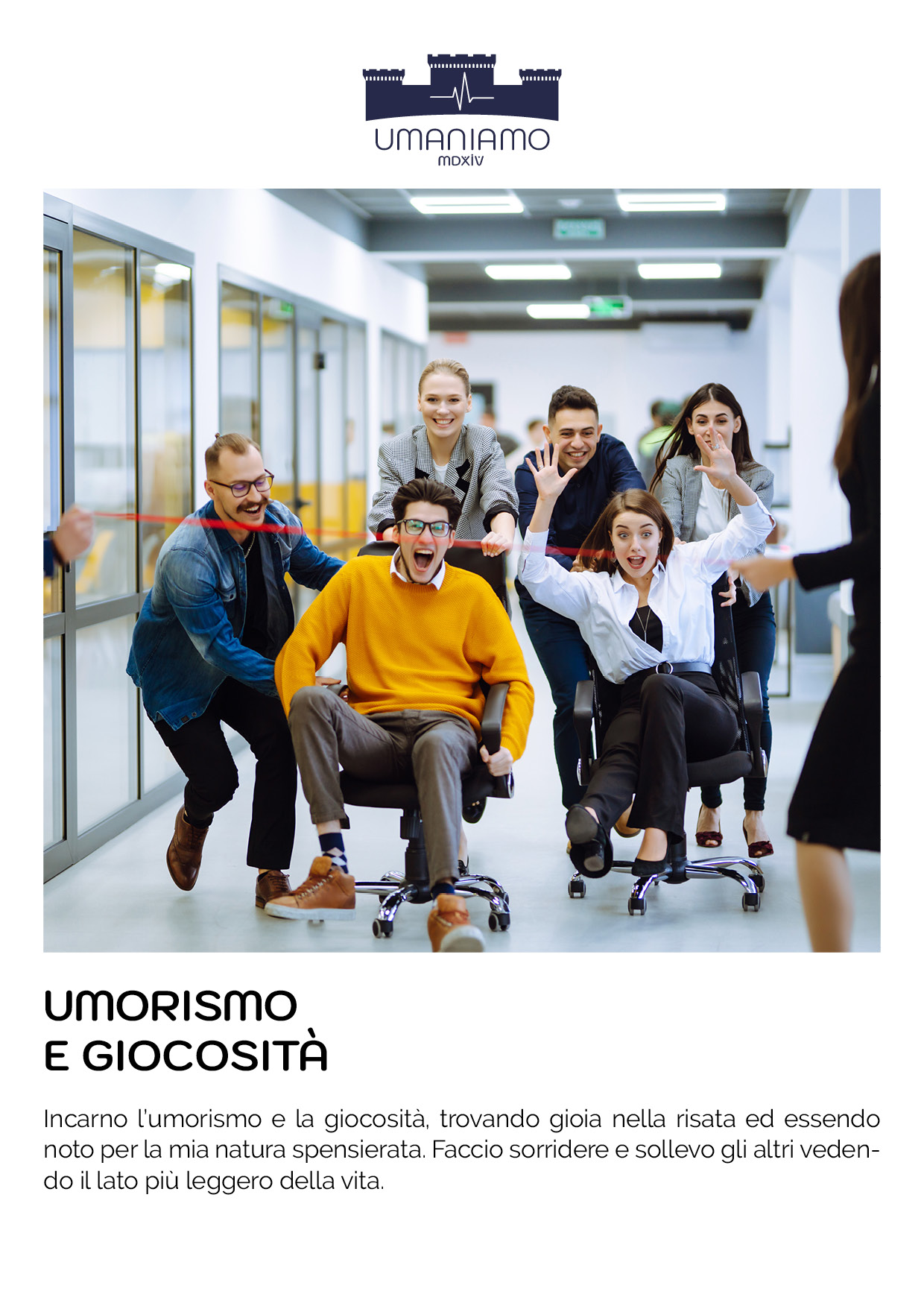
A fine giornata, o in un momento di tranquillità tra un’attività e l’altra, questa pratica ti invita a ripercorrere con delicatezza ciò che hai vissuto, non per analizzarlo, ma per comprendere come stai vivendo, relazionandoti e reagendo all’interno del Crossing.
Questa settimana rifletti sull'umorismo e sulla giocosità. Ciò che rende l'umorismo e la giocosità particolarmente preziosi è che non dipendono dalla perfezione delle cose. Anzi, spesso emergono proprio nel mezzo delle difficoltà. Creano lo spazio necessario per respirare, per vedere una situazione da una prospettiva diversa e per andare avanti senza portarne tutto il peso. Mentre altri punti di forza possono essere necessari per risolvere problemi specifici, l'umorismo sostiene l'ambiente in cui tali soluzioni diventano possibili. Ricorda alle persone — individualmente e collettivamente — che anche nei momenti difficili c'è ancora spazio per connettersi, adattarsi e andare avanti insieme.
Prenditi qualche minuto di tranquillità per riflettere. Cerca di essere semplice e onesto.
DETTAGLI: Cosa ho notato? Dove ho sentito tensione questa settimana? Quando ho provato un senso di serenità o leggerezza?
EVIDENZA: Cosa mi dice che qualcosa è cambiato? C'è stato un momento in cui le risate, il movimento o la connessione hanno cambiato il mio stato, anche solo leggermente?
EMPATIA: Con chi ero e come ci siamo influenzati a vicenda? In che modo gli altri hanno influenzato il mio stato? In che modo potrei aver influenzato il loro?
PROSPETTIVA: Cosa potrebbe aprirsi? Se non ho bisogno che tutto sia risolto, cosa diventa possibile? Dove potrei permettere più leggerezza?
ESECUZIONE: Qual è un'azione che intraprenderò? Scegli un'azione semplice e specifica: invita qualcuno a condividere un pasto, fai una breve passeggiata con un amico o crea intenzionalmente un momento di risate, anche se parte in piccolo. Non pensarci troppo. Fallo e basta.
RIFLESSIONE: Cosa sto imparando su come gestisco le cose? Cosa mi mostra questa settimana su come affronto la tensione e su come potrei agire in modo diverso d'ora in poi?
Dr. Rhett Bogacz, DC, Health & Embodied Formation
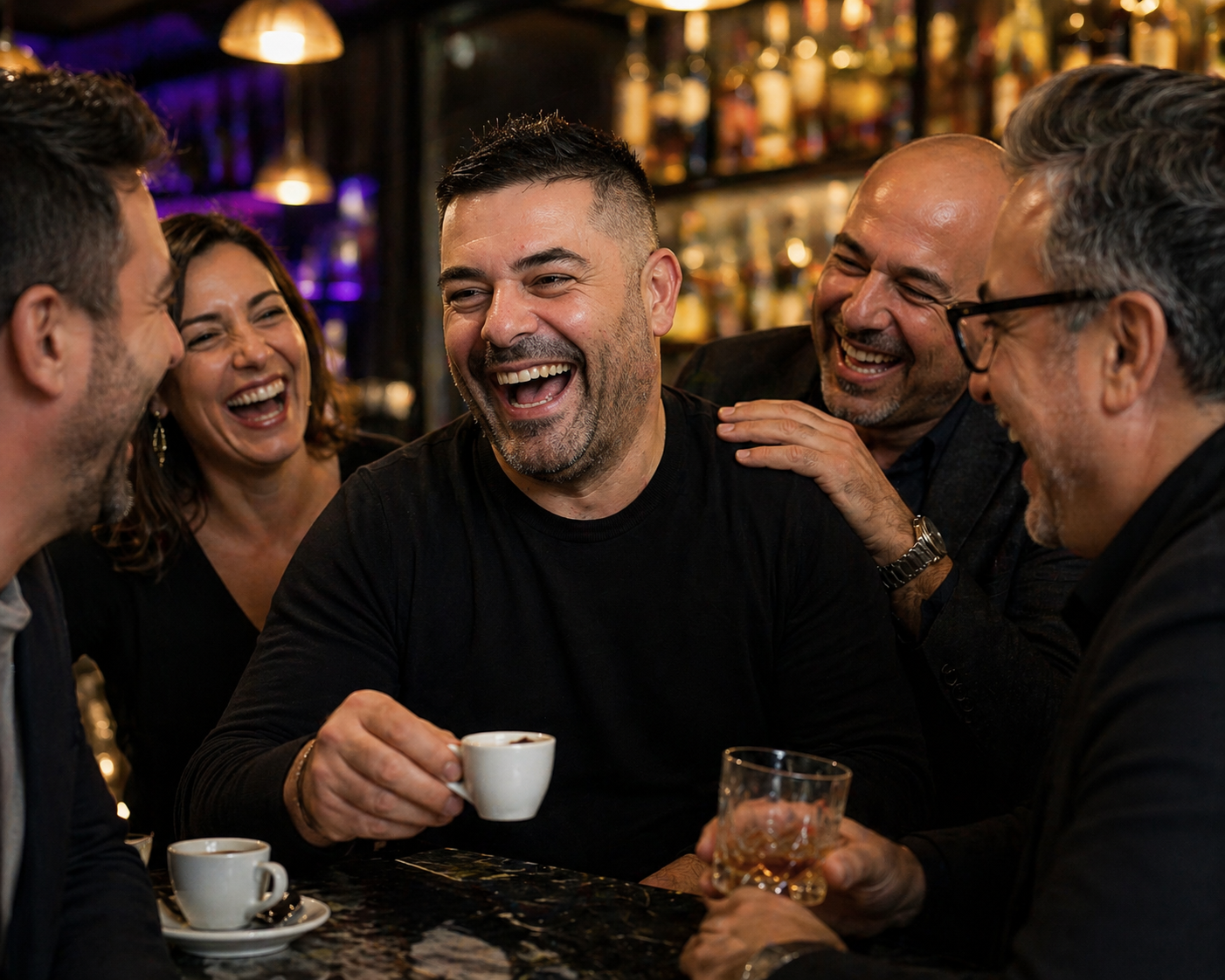
There’s a moment I see often enough, though most people don’t recognize it for what it is. Someone sits across from me and says, “I don’t know why I feel this way.” Nothing specific has happened. No clear event, no obvious trigger. But something is off. Their shoulders are tight. Their breath is shallow. Their fight and flight system is on.
They’re trying to explain it with their mind. But their body is already speaking. That’s the part we almost always miss.
Anxiety doesn’t always begin as a thought. It often begins as a state. The body activates first, and the mind tries to catch up after. And when there’s no clear explanation, people assume something is wrong with them.
It’s not. What’s happening is simpler than that. The body has entered a stress response and hasn’t completed it. At some point, something registered as demand, pressure, or uncertainty. The nervous system responded the way it’s designed to. Heart rate increased. Muscles engaged. Breath changed. But there was no release. No physical completion of that cycle.
You don’t wait for the environment to stabilize before you begin to settle yourself. If you did, you might wait a very long time. There are always shifts—social, emotional, environmental—that create a sense of unpredictability. Sometimes it’s obvious, sometimes it’s subtle, but the effect can feel the same: a low hum of tension, a sense that something isn’t fully aligned. The instinct is to pause, to hold back, to wait until things make more sense. But the body doesn’t resolve that way. It responds to what you do now—how you breathe, how you move, who you’re with, how you engage. Stability isn’t something you find out there first. It’s something you begin to create, internally and between people.
And when you do that—when you regulate yourself and stay connected to others—you start to notice something shift. Not the world, not immediately. But your experience of it. The edge softens. The reactivity lowers. You’re able to think, to listen, to respond instead of react. And when that happens in a group, it multiplies. One steady presence influences another. A conversation becomes more grounded. A room becomes more coherent. You don’t need everything to settle before you move forward. You move forward in a different way—together, regulated, and present—and that’s often what allows clarity to emerge in the first place.
But before we get oo far, we have to remember the entire person is involved in any state, not just the pain caused by a circuit that stays on or off.
I remember one patient in particular. He kept telling me, “I just feel off.” No pain, no injury, no clear issue. But you could see it—he was holding something. Not consciously, just physically. His jaw, his shoulders, even the way he was breathing.
We didn’t start with explanation, we started with the body.
I asked him to take a breath and then laugh. Not because anything was funny—just to do it. At first, it felt forced. Awkward. But within a few seconds, something shifted. His breathing changed. His shoulders dropped. The tension didn’t disappear completely, but it moved.
Laughter does something very specific in the body. It engages the diaphragm, which resets the breathing pattern. It stimulates the vagus nerve, which begins to down-regulate the nervous system. It interrupts the holding pattern that keeps the body in a low state of activation. In simple terms, it gives the body a signal it recognizes: You’re okay.
When you feel off, you can’t think your way out of it, start with the body.
The 10-Second Laugh Reset
Pause and deliberately laugh for 10 seconds. It may feel forced at first. Stay with it. Let the breath deepen, let the diaphragm engage. Most of the time, it will turn real. What matters is the shift—your body begins to release tension and move out of that held state.
Don’t Stay Isolated — Find One Person
When something feels heavy, don’t sit with it alone. You don’t need a full conversation. Just be around someone—talk, walk, share a moment. The nervous system regulates faster in the presence of another person than it does in isolation.
Breath, Smile, Exhale
Take a slow breath in through your nose. Let a slight smile form—not exaggerated, just enough to soften the face. Then exhale slowly. Repeat a few times. This simple pattern signals safety to the body and begins to bring the system down.
About Dr. Rhett
Dr. Rhett Bogacz is a chiropractor and educator focused on posture, breath, and nervous system regulation. His work supports embodied formation and long-term resilience.
C’è un momento che vedo abbastanza spesso, anche se la maggior parte delle persone non lo riconosce per quello che è. Qualcuno si siede di fronte a me e dice: «Non so perché mi sento così». Non è successo nulla di specifico. Nessun evento preciso, nessun fattore scatenante evidente. Ma c’è qualcosa che non va. Le spalle sono contratte. Il respiro è superficiale. Il sistema di lotta o fuga è attivo.
Stanno cercando di spiegarlo con la mente. Ma il corpo sta già parlando. È questa la parte che quasi sempre ci sfugge.
L'ansia non sempre inizia come un pensiero. Spesso inizia come uno stato. Il corpo si attiva per primo e la mente cerca di stare al passo dopo. E quando non c'è una spiegazione chiara, le persone pensano che ci sia qualcosa che non va in loro.
Non è così. Quello che sta succedendo è più semplice di così. Il corpo è entrato in una risposta allo stress e non l’ha completata. A un certo punto, qualcosa è stato registrato come richiesta, pressione o incertezza. Il sistema nervoso ha risposto nel modo in cui è progettato per farlo. La frequenza cardiaca è aumentata. I muscoli si sono attivati. Il respiro è cambiato. Ma non c’è stato alcun rilascio. Nessun completamento fisico di quel ciclo.
Non si aspetta che l’ambiente si stabilizzi prima di cominciare a calmarsi. Se lo facessi, potresti aspettare molto tempo. Ci sono sempre cambiamenti — sociali, emotivi, ambientali — che creano un senso di imprevedibilità. A volte è ovvio, a volte è sottile, ma l’effetto può sembrare lo stesso: un leggero ronzio di tensione, la sensazione che qualcosa non sia completamente allineato. L’istinto è quello di fermarsi, trattenersi, aspettare finché le cose non abbiano più senso. Ma il corpo non si risolve in questo modo. Risponde a ciò che fai ora: come respiri, come ti muovi, con chi sei, come interagisci. La stabilità non è qualcosa che trovi prima là fuori. È qualcosa che inizi a creare, interiormente e tra le persone.
E quando lo fai – quando ti regoli e rimani connesso agli altri – inizi a notare un cambiamento. Non nel mondo, non immediatamente. Ma nella tua esperienza di esso. I contorni si ammorbidiscono. La reattività diminuisce. Sei in grado di pensare, di ascoltare, di rispondere invece di reagire. E quando questo accade in un gruppo, si moltiplica. Una presenza stabile ne influenza un’altra. Una conversazione diventa più radicata. Una stanza diventa più coerente. Non hai bisogno che tutto si sistemi prima di andare avanti. Vai avanti in modo diverso – insieme, regolato e presente – e spesso è proprio questo che permette alla chiarezza di emergere in primo luogo.
Ma prima di andare troppo lontano, dobbiamo ricordare che in ogni stato è coinvolta la persona nella sua interezza, non solo il dolore causato da un circuito che rimane acceso o spento.
Ricordo un paziente in particolare. Continuava a dirmi: “Mi sento semplicemente fuori fase”. Nessun dolore, nessuna lesione, nessun problema evidente. Ma si vedeva: stava trattenendo qualcosa. Non consapevolmente, solo fisicamente. La mascella, le spalle, persino il modo in cui respirava.
Non abbiamo iniziato con una spiegazione, abbiamo iniziato con il corpo.
Gli ho chiesto di fare un respiro e poi di ridere. Non perché ci fosse qualcosa di divertente, ma solo per farlo. All’inizio sembrava forzato. Imbarazzante. Ma nel giro di pochi secondi, qualcosa è cambiato. Il suo respiro è cambiato. Le sue spalle si sono abbassate. La tensione non è scomparsa del tutto, ma si è spostata.
La risata fa qualcosa di molto specifico nel corpo. Coinvolge il diaframma, che ripristina il ritmo respiratorio. Stimola il nervo vago, che inizia a calmare il sistema nervoso. Interrompe il circolo vizioso che mantiene il corpo in uno stato di bassa attivazione. In parole semplici, dà al corpo un segnale che riconosce: stai bene.
Quando ti senti giù, non puoi uscirne con la mente, inizia dal corpo.
Il reset della risata di 10 secondi
Fermati e ridi deliberatamente per 10 secondi. All’inizio potrebbe sembrare forzato. Continua. Lascia che il respiro si approfondisca, lascia che il diaframma si attivi. Il più delle volte, diventerà naturale. Ciò che conta è il cambiamento: il tuo corpo inizia a rilasciare la tensione e ad uscire da quello stato di blocco.
Non rimanere isolato — Trova una persona
Quando qualcosa ti pesa, non affrontarlo da solo. Non serve una conversazione completa. Basta stare con qualcuno: parla, cammina, condividi un momento. Il sistema nervoso si stabilizza più rapidamente in presenza di un'altra persona che in isolamento.
Respira, sorridi, espira
Inspira lentamente attraverso il naso. Lascia che si formi un leggero sorriso — non esagerato, quanto basta per ammorbidire il viso. Poi espira lentamente. Ripeti alcune volte. Questo semplice schema segnala sicurezza al corpo e inizia a calmare il sistema.
Informazioni sul dottor Rhett
Il dottor Rhett Bogacz è un chiropratico ed educatore specializzato in postura, respirazione e regolazione del sistema nervoso. Il suo lavoro sostiene la formazione corporea e la resilienza a lungo termine.
Dr. Rhett Bogacz, DC, Health & Embodied Formation
There’s a reason some people start moving when they’re trying to figure something out. They stand up. They walk. They gesture with their hands, even when no one is watching. It doesn’t always look intentional, but it is. The body is stepping in to help the mind.
What we’re learning through research, and what many cultures have always known, is that thinking is not just something that happens in the brain. It happens through the body. Movement gives the mind something to work with. When you gesture, you’re not just expressing a thought—you’re helping to form it. You’re taking something abstract and giving it shape, space, and direction. It reduces the load on your mind.
Instead of holding everything internally, you begin to organize it externally—through motion, through rhythm, through physical expression. That’s why walking can unlock a problem that felt stuck when you were sitting still. That’s why explaining something with your hands often leads to clarity you couldn’t reach silently. The body creates anchors for thought.
You can see this clearly in places like Italy. Conversation is never just verbal. It’s physical. Hands move, shoulders shift, expressions change. A gesture can replace a sentence. It can carry meaning, tone, and intent all at once. It’s not decoration, it’s embodied language. And more than that, it’s cognition.
When an Italian uses their hands, they’re not just communicating to someone else. They’re organizing their own thinking in real time. The body becomes part of the sentence. Part of the reasoning. Part of the understanding.
Over time, those movements become internalized. What begins as gesture becomes instinct. What begins as motion becomes clarity.
That’s something worth paying attention to. Because when you feel stuck - mentally, emotionally, even spiritually, the answer is not always to think harder. Sometimes it’s to move.
stand up and walk.
use your hands as you speak.
let the body participate in the process.
You’re not just expressing what you know. You’re discovering it.
C'è un motivo per cui alcune persone iniziano a muoversi quando cercano di capire qualcosa. Si alzano in piedi. Camminano. Fanno gesti con le mani, anche quando nessuno le guarda. Non sempre sembra intenzionale, ma lo è. Il corpo interviene per aiutare la mente.
Ciò che stiamo scoprendo grazie alla ricerca, e che molte culture hanno sempre saputo, è che il pensiero non è solo qualcosa che avviene nel cervello. Avviene attraverso il corpo. Il movimento offre alla mente qualcosa su cui lavorare. Quando gesticoli, non stai solo esprimendo un pensiero: lo stai aiutando a formarsi. Stai prendendo qualcosa di astratto e gli stai dando forma, spazio e direzione. Questo alleggerisce il carico sulla tua mente.
Invece di trattenere tutto internamente, inizi a organizzarlo esternamente: attraverso il movimento, il ritmo, l’espressione fisica. Ecco perché camminare può sbloccare un problema che sembrava irrisolvibile mentre eri seduto fermo. Ecco perché spiegare qualcosa con le mani spesso porta a una chiarezza che non potresti raggiungere in silenzio. Il corpo crea punti di riferimento per il pensiero.
Lo si vede chiaramente in luoghi come l’Italia. La conversazione non è mai solo verbale. È fisica. Le mani si muovono, le spalle si spostano, le espressioni cambiano. Un gesto può sostituire una frase. Può trasmettere significato, tono e intenzione tutti insieme. Non è decorazione, è linguaggio incarnato. E più di questo, è cognizione.
Quando un italiano usa le mani, non sta solo comunicando con qualcun altro. Sta organizzando il proprio pensiero in tempo reale. Il corpo diventa parte della frase. Parte del ragionamento. Parte della comprensione.
Col tempo, quei movimenti vengono interiorizzati. Ciò che inizia come gesto diventa istinto. Ciò che inizia come movimento diventa chiarezza.
È qualcosa a cui vale la pena prestare attenzione. Perché quando ti senti bloccato – mentalmente, emotivamente, persino spiritualmente – la risposta non è sempre quella di pensare più intensamente. A volte è quella di muoversi.
Alzati e cammina.
Usa le mani mentre parli.
Lascia che il corpo partecipi al processo.
Non stai solo esprimendo ciò che sai. Lo stai scoprendo.
Paolo Vizziello, Discipline & Daily Practice
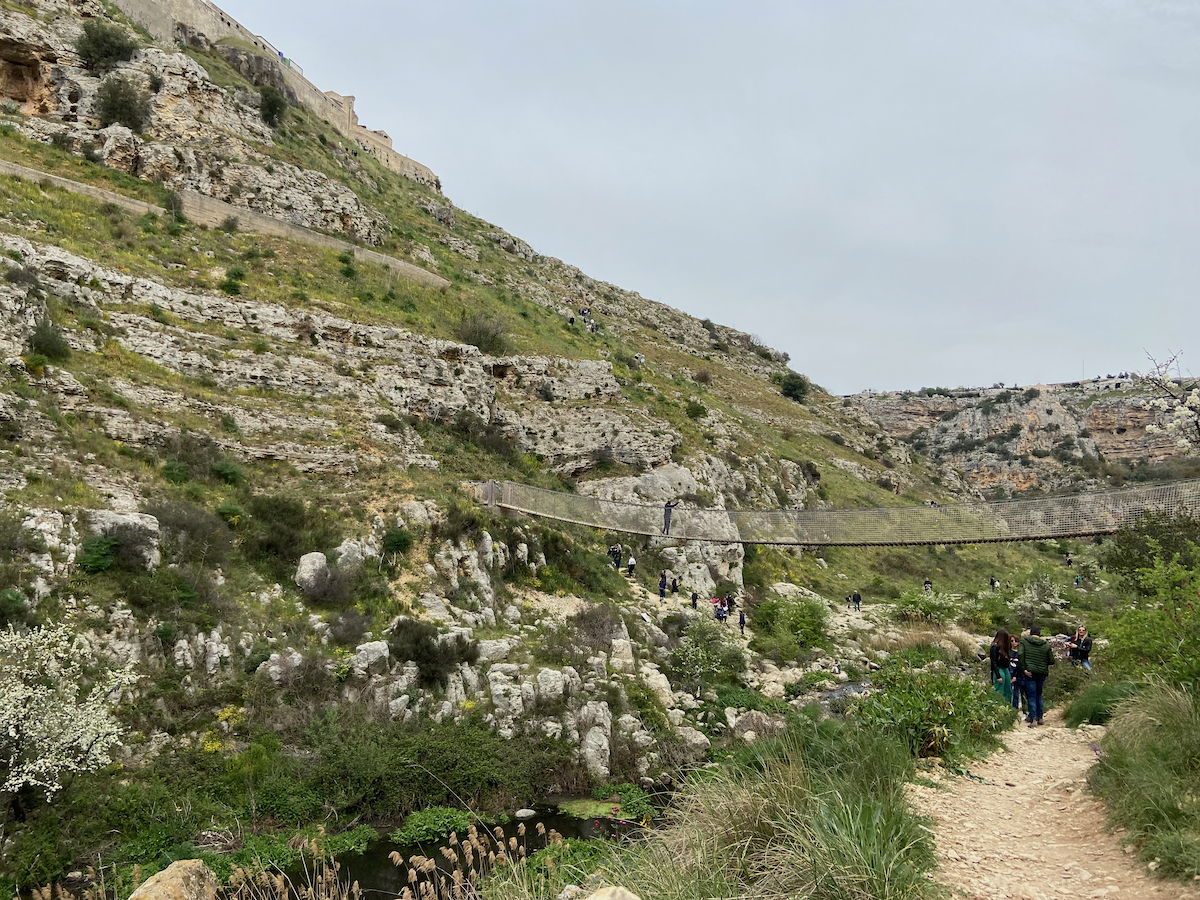
There are moments here that don’t look important, but they stay with you. Today was one of them. It’s the bridge between Liberation Day and Labor Day, and the ancient city feels different. People are out trekking or hiking. There are large groups of tourists, but mostly people withing driving distance to Matera. Something new, is a new tourist fee to hike (trek) the Murgia and cross the Tibetan-style bridge. Residents of Matera and Montescaglioso, however are exempt from the fee.
The reflection, however, isn’t even about the fee or the number of people, it’s what they are wearing more than anything. Instead of iPhones and sneakers, people have binoculars, cameras, and are wearing hiking gear - boots’ hiking pants, walking poles, and hats. Unlike the “regular” tourists, they came prepared as they have for generations.
It since Liberation Day and Labor Day are connected as this “bridge” it also is marks the transition into what will be the Summer lifestyle of the South. Many people have farms that are now moving into full “production,” the markets are more abundantly stocked. The wildflowers and flowering trees are in bloom and even the ancient city feels “greener” in a way. It’s not summer yet, but we are only a month away from graduation season so there are more books and study groups in the piazzas than any other time of the year.
About Paolo
Paolo Vizziello is a craftsman and formation guide whose reflections focus on discipline, presence, and daily practice rooted in lived experience.
Ci sono momenti qui che sembrano insignificanti, ma che ti restano dentro. Oggi è stato uno di quelli. È il ponte tra il Giorno della Liberazione e la Festa del Lavoro, e la città antica sembra diversa. La gente è fuori a fare trekking o escursioni. Ci sono grandi gruppi di turisti, ma per lo più persone che vivono a breve distanza da Matera. Una novità è la nuova tassa turistica per fare escursioni (trekking) nella Murgia e attraversare il ponte in stile tibetano. I residenti di Matera e Montescaglioso, tuttavia, sono esenti dalla tassa.
La riflessione, tuttavia, non riguarda nemmeno la tassa o il numero di persone, ma piuttosto ciò che indossano. Invece di iPhone e scarpe da ginnastica, le persone hanno binocoli, macchine fotografiche e indossano abbigliamento da escursionismo: scarponi, pantaloni da trekking, bastoncini da passeggio e cappelli. A differenza dei turisti “normali”, sono venuti preparati come hanno fatto per generazioni.
Poiché il Giorno della Liberazione e la Festa del Lavoro sono collegati da questo “ponte”, esso segna anche il passaggio a quello che sarà lo stile di vita estivo del Sud. Molte persone hanno fattorie che ora stanno entrando in piena “produzione”, i mercati sono riforniti in modo più abbondante. I fiori selvatici e gli alberi in fiore sono in piena fioritura e persino la città antica sembra in un certo senso “più verde”. Non è ancora estate, ma manca solo un mese alla stagione dei diplomi, quindi nelle piazze ci sono più libri e gruppi di studio che in qualsiasi altro periodo dell'anno.
Informazioni su Paolo
Paolo Vizziello è un artigiano e guida formativa le cui riflessioni vertono sulla disciplina, la presenza e la pratica quotidiana radicata nell'esperienza vissuta.
→ Chi è Paolo
Paolo Vizziello, Discipline & Daily Practice
This time of year can feel like everything is moving at once. Opportunities show up, expenses increase, volume of work increases, and it’s easy to make decisions based on what might or might not last and pressure instead of clarity. The instinct is to react quickly, to spend, commit, or adjust based on what feels urgent. But just like in any kind of crossing, not every signal requires action. The people who navigate this well aren’t doing more—they’re staying grounded in what actually matters and making decisions from there.
Fund What Lasts
Before you spend on something immediate, ask yourself if it supports something that will still matter in six months. Experiences, training, and relationships tend to hold their value longer than quick wins or impulse decisions. Invest in things that build capacity, not just activity.
Don’t Carry It Alone Financially
Just like in life, money decisions don’t have to be made in isolation. Talk through larger commitments with someone you trust. A second perspective doesn’t just reduce risk, it often brings clarity you won’t reach on your own. Shared thinking leads to better decisions.
Create One Point of Stability
When things feel uncertain, pick one simple financial habit and hold it steady and stick with it—whether it’s saving a fixed amount each week, tracking spending daily, or pausing non-essential purchases. You don’t need to control everything. You just need one consistent anchor.
The goal isn’t to eliminate uncertainty, especially in the world as it is. It’s to move through it without losing your footing.
In questo periodo dell’anno può sembrare che tutto stia accadendo contemporaneamente. Si presentano opportunità, le spese aumentano, il carico di lavoro cresce ed è facile prendere decisioni basandosi su ciò che potrebbe o meno durare nel tempo e sulla pressione, anziché sulla lucidità. L’istinto è quello di reagire rapidamente, spendere, impegnarsi o adattarsi in base a ciò che sembra urgente. Ma proprio come in qualsiasi tipo di incrocio, non tutti i segnali richiedono un’azione. Le persone che gestiscono bene questa situazione non fanno di più: rimangono concentrate su ciò che conta davvero e prendono decisioni partendo da lì.
Investi in ciò che dura
Prima di spendere per qualcosa di immediato, chiediti se sostiene qualcosa che avrà ancora importanza tra sei mesi. Le esperienze, la formazione e le relazioni tendono a mantenere il loro valore più a lungo rispetto ai guadagni immediati o alle decisioni impulsive. Investi in cose che sviluppano capacità, non solo attività.
Non portare tutto il peso finanziario da solo
Proprio come nella vita, le decisioni finanziarie non devono essere prese in isolamento. Discuti gli impegni più importanti con qualcuno di cui ti fidi. Una seconda prospettiva non solo riduce il rischio, ma spesso porta una chiarezza che non potresti raggiungere da solo. Il pensiero condiviso porta a decisioni migliori.
Crea un punto di stabilità
Quando le cose sembrano incerte, scegli una semplice abitudine finanziaria, mantienila costante e seguila con costanza: che si tratti di risparmiare un importo fisso ogni settimana, di tenere traccia delle spese quotidiane o di sospendere gli acquisti non essenziali. Non devi controllare tutto. Hai solo bisogno di un punto di riferimento costante.
L'obiettivo non è eliminare l'incertezza, specialmente nel mondo così com'è. È attraversarla senza perdere l'equilibrio.
Jake Claxton, Fatherhood & the Track
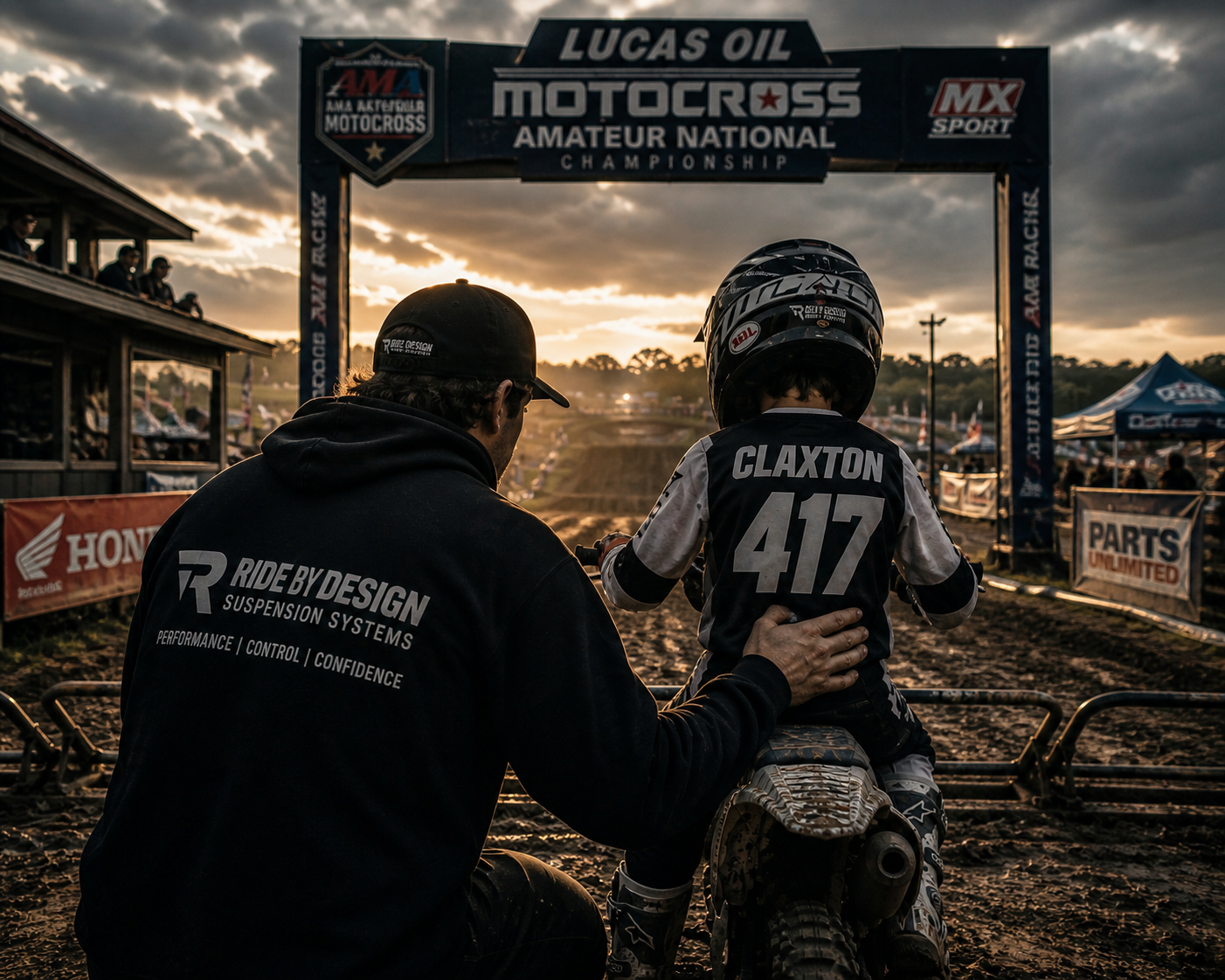
If you ride, you know what the Loretta Lynn Northeast Area Qualifier means. It’s not just another race. It’s a line in the season where things get real. You’re not just riding anymore—you’re qualifying, measuring, seeing where you actually stand. The gate drops, and whatever you’ve built shows up and my suspension work is put to the test. This is that weekend so everything I’ve built is also being put to the test.
The Loretta Lynn Amateur National Motocross Championship is more than just a race—it’s the proving ground of amateur motocross in the United States. For decades, riders have worked their way through local and regional qualifiers for a chance to line up at Loretta Lynn’s Ranch in Tennessee, a place that has become almost sacred in the sport. Named after Loretta Lynn, the ranch wasn’t originally built for motocross, but her openness to hosting the event turned it into a national gathering point where future champions are made. It represents progression, discipline, and the moment where effort meets reality, where riders don’t just compete, but step into what they’ve been building toward, surrounded by family, community, and the shared understanding that getting there already means something.
The qualifiers themselves are something to experience. But what you are seeing is a different kind of bridge - and a different kind of language. When you are flying through the air, your thinking, your timing, your reactions, they’re all happening through your body. You don’t sit on a dirt bike and analyze the turn. You feel it before it happens, adjust, and respond. The body is already solving before the mind has time to explain it. They teach fighter pilots something called Observe, Orient, Decide, and Act (OODA Loop) as a repeating cycle. Unlike pilots and their training however, in these races you may or may not know the person you are racing next too, you do know the rules and hopefully the track well enough. But everything else that was built off the track - the relationships, camaraderie, and skill will all be put to the test this weekend.
The Loretta Lynn Amateur National Motocross Championship (formally known as the Monster Energy AMA Amateur National Motocross Championship) is more than just a race—it’s the proving ground of amateur motocross in the United States. For decades, riders have worked their way through local and regional qualifiers for a chance to line up at Loretta Lynn’s Ranch in Tennessee, a place that has become almost sacred in the sport. Named after Loretta Lynn, the ranch wasn’t originally built for motocross, but her openness to hosting the event turned it into a national gathering point where future champions are made. It is the world's largest and most prestigious amateur motocross race and It represents progression, discipline, and the moment where effort meets reality, where riders don’t just compete, but step into what they’ve been building toward, surrounded by family, community, and the shared understanding that getting there already means something.
What Dr. Rhett has been talking about this week, how the body carries part of the thinking, and how movement shapes understanding, that’s not abstract in motocross. That’s every lap, every line choice,, and every correction mid-air. You’re not just riding the bike. You’re thinking through your body.
And when something is off, even a little you feel it immediately. You don’t need a diagnosis. You know it in your posture, your balance, your breathing. The body tells the truth faster than the mind can, especially at high speeds.
That’s part of what’s been pulling me toward Foundation Training. Because underneath the performance is structure. How you stand. How you hinge. How you stabilize under load. How you absorb force without breaking down. It’s not separate from riding, it’s literally the foundation of it.
Foundation Training, developed by Dr. Eric Goodman, is built on a simple but often overlooked idea: the body is designed to support itself when it’s aligned correctly. Rather than isolating muscles or treating pain as something to work around, Foundation Training restores the way the entire system works together… through posture, breathing, and integrated movement patterns. It teaches the body to distribute load efficiently, decompress the spine, and build strength in the posterior chain and other neuromuscular and facial chains so that everyday movement, and athletic performance, becomes more sustainable. For athletes like motocross riders, this isn’t just corrective work; it’s foundational. It changes how force is absorbed, how stability is maintained, and how the body holds up over time, making it possible not just to perform, but to keep performing without breaking down.
Learn more about Foundation Training
About Jake
Jake Claxton is a husband, father of two sons, and founder of Ride By Design. His reflections draw from family life, faith, and lessons learned on the motocross track.
Se corri, sai bene cosa significa la qualificazione dell’area nord-orientale del Loretta Lynn. Non è solo un’altra gara. È quel momento della stagione in cui le cose si fanno serie. Non stai più semplicemente correndo: ti stai qualificando, misurando, capendo a che punto sei davvero. Il cancello si abbassa, tutto ciò che hai costruito viene alla luce e il mio lavoro sulle sospensioni viene messo alla prova. Questo è quel fine settimana, quindi anche tutto ciò che ho costruito viene messo alla prova.
Il Loretta Lynn Amateur National Motocross Championship è più di una semplice gara: è il banco di prova del motocross amatoriale negli Stati Uniti. Per decenni, i piloti si sono fatti strada attraverso le qualificazioni locali e regionali per avere la possibilità di schierarsi al Loretta Lynn’s Ranch nel Tennessee, un luogo che è diventato quasi sacro in questo sport. Intitolato a Loretta Lynn, il ranch non era stato originariamente costruito per il motocross, ma la sua disponibilità ad ospitare l’evento lo ha trasformato in un punto di ritrovo nazionale dove nascono i futuri campioni. Rappresenta il progresso, la disciplina e il momento in cui lo sforzo incontra la realtà, dove i piloti non si limitano a competere, ma entrano in ciò per cui si sono allenati, circondati dalla famiglia, dalla comunità e dalla consapevolezza condivisa che arrivare lì significa già qualcosa.
Le qualificazioni stesse sono un'esperienza da vivere. Ma ciò che si vede è un tipo diverso di ponte - e un tipo diverso di linguaggio. Quando si vola in aria, il pensiero, il tempismo, le reazioni, tutto avviene attraverso il corpo. Non ci si siede su una moto da cross per analizzare la curva. La si percepisce prima che avvenga, ci si adatta e si reagisce. Il corpo sta già risolvendo la situazione prima che la mente abbia il tempo di spiegarla. Ai piloti di caccia viene insegnato un ciclo ripetitivo chiamato Osservare, Orientarsi, Decidere e Agire (OODA Loop). A differenza dei piloti e del loro addestramento, però, in queste gare potresti conoscere o meno la persona con cui gareggi, ma conosci le regole e, si spera, il tracciato abbastanza bene. Ma tutto il resto che è stato costruito fuori dalla pista – le relazioni, il cameratismo e l’abilità – sarà messo alla prova questo fine settimana.
Il Loretta Lynn Amateur National Motocross Championship (precedentemente noto come Monster Energy AMA Amateur National Motocross Championship) è più di una semplice gara: è il banco di prova del motocross amatoriale negli Stati Uniti. Per decenni, i piloti si sono fatti strada attraverso le qualificazioni locali e regionali per avere la possibilità di schierarsi al Loretta Lynn’s Ranch nel Tennessee, un luogo che è diventato quasi sacro in questo sport. Intitolato a Loretta Lynn, il ranch non era stato originariamente costruito per il motocross, ma la sua disponibilità ad ospitare l’evento lo ha trasformato in un punto di ritrovo nazionale dove nascono i futuri campioni. È la gara di motocross amatoriale più grande e prestigiosa al mondo e rappresenta la progressione, la disciplina e il momento in cui lo sforzo incontra la realtà, dove i piloti non si limitano a competere, ma entrano in ciò per cui si sono allenati, circondati dalla famiglia, dalla comunità e dalla consapevolezza condivisa che arrivare lì significa già qualcosa.
Ciò di cui il dottor Rhett ha parlato questa settimana, come il corpo sia portatore di parte del pensiero e come il movimento modifichi la comprensione, non è astratto nel motocross. È presente in ogni giro, in ogni scelta di traiettoria e in ogni correzione a mezz'aria. Non stai semplicemente guidando la moto. Stai ragionando attraverso il tuo corpo.
E quando qualcosa non va, anche solo un po', lo senti immediatamente. Non hai bisogno di una diagnosi. Lo capisci dalla tua postura, dal tuo equilibrio, dal tuo respiro. Il corpo dice la verità più velocemente di quanto possa farlo la mente, specialmente ad alte velocità.
Questo è parte di ciò che mi ha attirato verso il Foundation Training. Perché alla base della prestazione c'è la struttura. Come stai in piedi. Come ti pieghi. Come ti stabilizzi sotto carico. Come assorbi la forza senza cedere. Non è separato dalla guida, è letteralmente il suo fondamento.
Il Foundation Training, sviluppato dal dottor Eric Goodman, si basa su un'idea semplice ma spesso trascurata: il corpo è progettato per sostenersi da solo quando è allineato correttamente. Piuttosto che isolare i muscoli o trattare il dolore come qualcosa da aggirare, il Foundation Training ripristina il modo in cui l'intero sistema lavora insieme... attraverso la postura, la respirazione e schemi di movimento integrati. Insegna al corpo a distribuire il carico in modo efficiente, a decomprimere la colonna vertebrale e a rafforzare la catena posteriore e altre catene neuromuscolari e facciali, in modo che i movimenti quotidiani e le prestazioni atletiche diventino più sostenibili. Per gli atleti come i piloti di motocross, questo non è solo un lavoro correttivo; è fondamentale. Cambia il modo in cui viene assorbita la forza, come viene mantenuta la stabilità e come il corpo resiste nel tempo, rendendo possibile non solo rendersi, ma continuare a farlo senza crollare.
Scopri di più su Foundation Training
Informazioni su Jake
Jake Claxton è marito, padre di due figli e fondatore di Ride By Design. Le sue riflessioni attingono dalla vita familiare, dalla fede e dalle lezioni apprese sulla pista di motocross.
Cosiamo | Founder, UMANIAMO® | Humaning Architecture
I remember the first time I tried to follow a real conversation in Italy. Not a lesson or script; a real conversation between two people who weren’t thinking about being understood. I caught a few words and then lost them. Then found them again. But what stayed with me wasn’t the vocabulary. It was everything else.
The hands, face, pauses and the way a sentence didn’t just land—it moved. Meaning wasn’t delivered in a straight line. It unfolded. Sometimes the hands said it before the words did. Sometimes the words barely mattered at all.
Italian is a designed language, well the written language. But the words are just part of the story, the tone, non-verbals, even physical proximity are part of the language.
At one point, a man stopped mid-sentence, raised his hand with his fingers pressed together, and moved it slightly upward.
In Italian, meaning doesn’t stay contained in the mouth. It travels through the body. It lives in gesture, in rhythm, in tone. A sentence is not complete until it has been expressed physically. Not for effect, but because that’s how it’s formed.
You don’t just say something. You show it. And once you begin to see that, you notice something else.
People don’t seem to search for words in the same way. They don’t pause as long, trying to construct the perfect sentence in their head. They move through it. The thought takes shape as they speak, and the body carries part of that process.
I’ve noticed this more since spending time in an Italian neighborhood and working on the Sunday Table and other projects. It’s a great place and most people speak in the local dialect, especially the older people. However, in this particular place I’m facing a wall and my back is toward the cafe seating. It’s rather rude in a way, but it’s only when I’m working. Otherwise, I will sit and talk with anyone and everyone. Why this matters, is because when I’m there I’m listening to the words and for the most part I understand the words, but I don’t sense the meaning because I can’t “see” the whole conversation. So the experience is very different. Something else, I noticed, when speaking with people, they will complain that I should be speaking Italian, and I do try and I study but it just doesn’t stick for a couple reasons, one is separating the words from the body and breath. The other is tone and volume. Since all of my work has been online where Zoom can control the volume, apparently my vocalization is softer than it used to be. Which also means my breath is more shallow even though I practice breathwork so to make it through a sentence takes more than one breath so when I focus just on speaking more loudly, more communication happens. It’s very interesting to think about how Italian children learn the language - they learn at the table and not from a TV show or tutorial. They learn to make themselves understood through interacting with multiple generations of adults and children. Not through story time or someone reading them a bedtime story.
This week carries names that feel grounded, steady, and quietly strong—names that don’t rush, but endure. Each one holds a rhythm of faith, work, and presence that fits naturally into this part of the Crossing.
May 4 — San Floriano
Floriano is remembered as a protector—especially in moments of danger. His name carries a sense of responsibility and readiness, the kind that doesn’t wait for recognition but shows up when needed.
May 5 — Sant’Angelo (Arcangelo Michele)
In many parts of Southern Italy, this day is tied to St. Michael the Archangel. It’s a name connected to strength, protection, and standing firm when things are unclear—a reminder that presence itself can be an act of courage.
May 6 — San Domenico Savio
A young saint, Domenico represents joy in discipline. Not forced, not heavy—just a life lived with intention, even at a young age. There’s a lightness in his story that reminds us that seriousness and joy don’t have to be separate.
May 7 — Santa Flavia Domitilla
Flavia’s story is one of quiet endurance. She didn’t resist loudly, but she remained steady in what she believed. A name that speaks to holding your ground without needing to prove it.
May 8 — San Vittore
Vittore carries the meaning of victory, but not in the obvious sense. It’s the kind of victory that comes through persistence, through staying in something long enough for it to shape you.
May 9 — Sant’Isaia Profeta
Isaiah is a voice of vision. A name connected to seeing beyond the immediate moment, even when others don’t yet understand. It invites reflection on where you’re being called to look further ahead.
May 10 — San Cataldo
Cataldo is deeply rooted in Southern Italy, especially in places like Taranto. His name carries the feeling of guidance and protection within a community—someone who walks with people, not ahead of them.
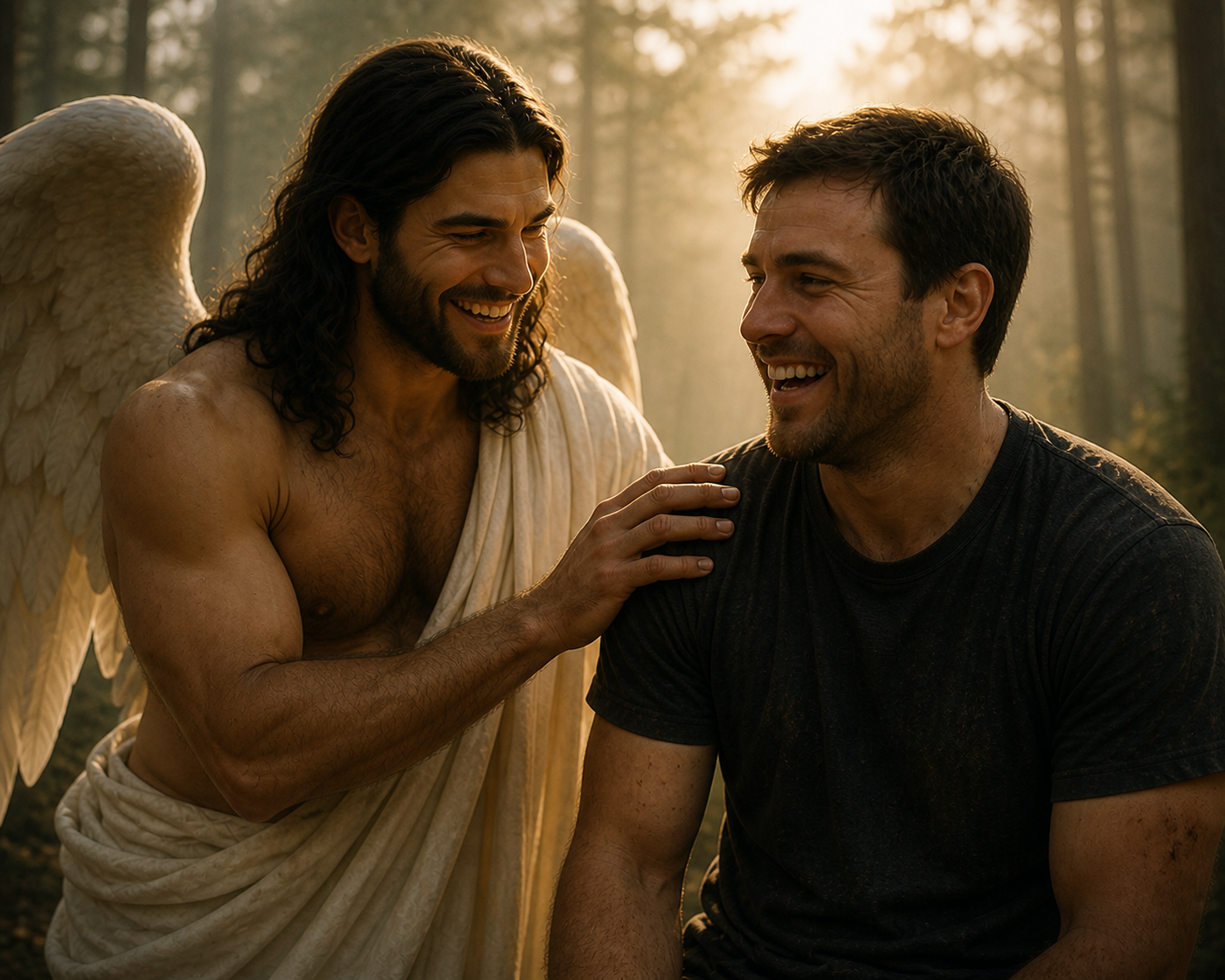
There are certain names that don’t stay in the past, they remain alive and in the present.
In Southern Italy, especially, Archangel Michael is not something you study from a distance. He is encountered. You feel his presence, especially in places like Monte Sant’Angelo, where the cave draws you inward, into rock, into silence, into something that doesn’t need to announce itself to be known.
Within UMANIAMO®, Michael is understood differently. He is The Spirit at Work and his illumination is present within our lives.
The Spirit at Work is always working through what is real, not what is ideal and without the illusion of The Devil at Work.
Because the Spirit at Work does not wait for perfect clarity and illumination before moving, he moves in the middle of things in the messy uncertainty, in tension, in moments where you don’t fully understand what is happening but you know you are being to prepare for what is next. Archangel St. Michael represents that kind of presence and a posture that holds, even when everything around it is shifting. You see the Spirit at Work in how someone stands when things are unclear, how they protect what is right and how they move forward without needing to dominate the moment or others. The Spirit at Work reminds us to remain connected to Christ, to others, to what is true without needing to resolve everything all at once.
Ricordo la prima volta che ho cercato di seguire una vera conversazione in Italia. Non una lezione o un copione, ma una conversazione autentica tra due persone che non pensavano a farsi capire. Ho colto qualche parola e poi le ho perse di vista. Poi le ho ritrovate. Ma ciò che mi è rimasto impresso non è stato il vocabolario. È stato tutto il resto.
Le mani, il viso, le pause e il modo in cui una frase non si limitava a cadere, ma si muoveva. Il significato non veniva trasmesso in linea retta. Si dispiegava. A volte le mani lo dicevano prima delle parole. A volte le parole non contavano quasi per niente.
L'italiano è una lingua strutturata, almeno quella scritta. Ma le parole sono solo una parte della storia: il tono, i segnali non verbali e persino la vicinanza fisica fanno parte della lingua.
A un certo punto, un uomo si è fermato a metà frase, ha alzato la mano con le dita unite e l’ha spostata leggermente verso l’alto.
In italiano, il significato non rimane confinato nella bocca. Viaggia attraverso il corpo. Vive nel gesto, nel ritmo, nel tono. Una frase non è completa finché non è stata espressa fisicamente. Non per effetto, ma perché è così che si forma.
Non si dice semplicemente qualcosa. Lo si mostra. E una volta che si comincia a vederlo, si nota qualcos'altro.
Le persone non sembrano cercare le parole allo stesso modo. Non fanno pause così lunghe, cercando di costruire la frase perfetta nella loro testa. Ci passano attraverso. Il pensiero prende forma mentre parlano, e il corpo porta avanti parte di quel processo.
L'ho notato di più da quando passo del tempo in un quartiere italiano e lavoro al Sunday Table e ad altri progetti. È un posto fantastico e la maggior parte delle persone parla nel dialetto locale, specialmente gli anziani. Tuttavia, in questo posto in particolare sono di fronte a un muro e ho le spalle rivolte ai tavoli del caffè. In un certo senso è piuttosto scortese, ma lo faccio solo quando lavoro. Altrimenti, mi siedo e parlo con chiunque. Il motivo per cui questo è importante è che quando sono lì ascolto le parole e per la maggior parte le capisco, ma non ne percepisco il significato perché non riesco a “vedere” l’intera conversazione. Quindi l’esperienza è molto diversa. Un'altra cosa che ho notato è che, quando parlo con le persone, si lamentano che dovrei parlare italiano, e io ci provo e studio, ma non mi viene naturale per un paio di motivi: uno è separare le parole dal corpo e dal respiro. L'altro è il tono e il volume. Dato che tutto il mio lavoro si svolge online, dove Zoom può controllare il volume, a quanto pare la mia vocalizzazione è più sommessa di quanto non fosse in passato. Il che significa anche che il mio respiro è più superficiale, anche se pratico esercizi di respirazione; quindi, per pronunciare una frase, mi serve più di un respiro, e quando mi concentro solo sul parlare più forte, la comunicazione migliora. È molto interessante pensare a come i bambini italiani imparano la lingua: la imparano a tavola e non da un programma televisivo o da un tutorial. Imparano a farsi capire interagendo con più generazioni di adulti e bambini. Non attraverso la lettura di fiabe o qualcuno che legga loro una favola della buonanotte.
Questa settimana porta nomi che sembrano radicati, saldi e silenziosamente forti: nomi che non hanno fretta, ma resistono. Ognuno racchiude un ritmo di fede, lavoro e presenza che si inserisce naturalmente in questa parte del Crossing.
4 maggio — San Floriano
Floriano è ricordato come un protettore, specialmente nei momenti di pericolo. Il suo nome porta con sé un senso di responsabilità e prontezza, di quel tipo che non aspetta il riconoscimento ma si fa vedere quando serve.
5 maggio — Sant’Angelo (Arcangelo Michele)
In molte parti del Sud Italia, questo giorno è legato a San Michele Arcangelo. È un nome legato alla forza, alla protezione e al rimanere saldi quando le cose non sono chiare — un promemoria che la presenza stessa può essere un atto di coraggio.
6 maggio — San Domenico Savio
Giovane santo, Domenico rappresenta la gioia nella disciplina. Non forzata, non pesante — solo una vita vissuta con intenzione, anche in giovane età. C’è una leggerezza nella sua storia che ci ricorda che serietà e gioia non devono necessariamente essere separate.
7 maggio — Santa Flavia Domitilla
La storia di Flavia è quella di una silenziosa resistenza. Non ha opposto resistenza a gran voce, ma è rimasta salda nelle sue convinzioni. Un nome che parla di mantenere la propria posizione senza bisogno di dimostrarla.
8 maggio — San Vittore
Vittore porta con sé il significato di vittoria, ma non nel senso ovvio. È il tipo di vittoria che deriva dalla perseveranza, dal rimanere in qualcosa abbastanza a lungo da lasciarsi plasmare.
9 maggio — Sant’Isaia Profeta
Isaia è una voce di visione. Un nome legato al vedere oltre il momento immediato, anche quando gli altri non capiscono ancora. Invita a riflettere su dove sei chiamato a guardare più avanti.
10 maggio — San Cataldo
Cataldo è profondamente radicato nel Sud Italia, specialmente in luoghi come Taranto. Il suo nome porta con sé il senso di guida e protezione all’interno di una comunità: qualcuno che cammina con le persone, non davanti a loro.
Ci sono certi nomi che non restano nel passato, ma rimangono vivi e nel presente.
Nel Sud Italia, in particolare, l’Arcangelo Michele non è qualcosa che si studia da lontano. È qualcuno che si incontra. Si avverte la sua presenza, specialmente in luoghi come Monte Sant’Angelo, dove la grotta ti attira verso l’interno, nella roccia, nel silenzio, in qualcosa che non ha bisogno di annunciarsi per essere conosciuto.
All’interno di UMANIAMO®, Michele viene inteso in modo diverso. È Lo Spirito al Lavoro e la sua illuminazione è presente nelle nostre vite.
Lo Spirito all’Opera agisce sempre attraverso ciò che è reale, non ciò che è ideale, e senza l’illusione del Diavolo al Lavoro.
Poiché lo Spirito al Lavoro non attende la perfetta chiarezza e l’illuminazione prima di agire, si muove nel mezzo delle cose, nell’incertezza caotica, nella tensione, nei momenti in cui non si comprende appieno ciò che sta accadendo ma si sa di essere in procinto di prepararsi per ciò che verrà. L'Arcangelo San Michele rappresenta quel tipo di presenza e un atteggiamento che tiene duro, anche quando tutto intorno sta cambiando. Vedi lo Spirito al lavoro nel modo in cui qualcuno si comporta quando le cose non sono chiare, nel modo in cui protegge ciò che è giusto e nel modo in cui va avanti senza bisogno di dominare il momento o gli altri. Lo Spirito al lavoro ci ricorda di rimanere connessi a Cristo, agli altri, a ciò che è vero senza bisogno di risolvere tutto in una volta.
“Megghie nu ris’ n’zemm, ca ‘nu pensier’ sul’.”
Literal Translation: Better a shared laugh than a solitary thought.
It’s not that thinking doesn’t matter but almost nothing, especially relational is resolve in the isolation of the mind. In Matera, people have always known that when something feels heavy or unclear, you don’t disappear with it. You bring it back to the table, to the street, to the walk. A laugh doesn’t solve everything, but sometimes it breaks the edge or what feels stuck. And sometimes, that’s enough to keep you from carrying it alone.
Traduzione letterale: Meglio una risata condivisa che un pensiero solitario.
Non è che pensare non conti, ma quasi nulla, specialmente ciò che riguarda le relazioni, si risolve nell’isolamento della mente. A Matera, la gente ha sempre saputo che quando qualcosa sembra pesante o poco chiara, non ci si chiude in se stessi. La si riporta in tavola, in strada, durante una passeggiata. Una risata non risolve tutto, ma a volte spezza il ghiaccio o scioglie ciò che sembra bloccato. E a volte, questo basta per evitare di portarne il peso da soli.
Fave e Pecorino
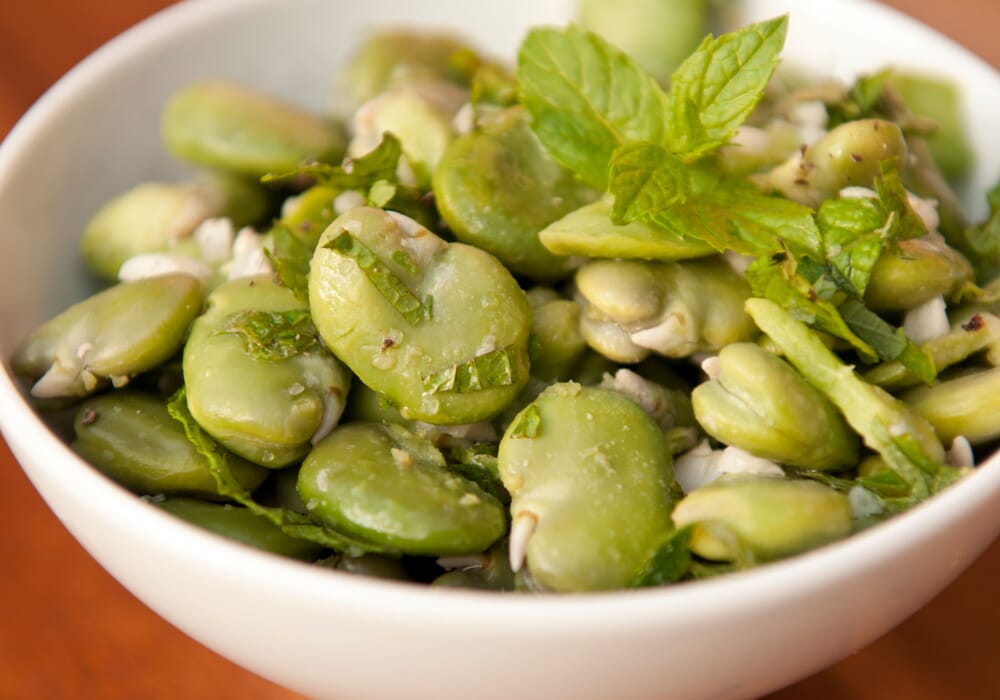
This is one of the simplest and most traditional foods of Southern Italy and meant to be shared, not perfected because the ingredients are already perfect.
1 kg (2.2 lbs) fresh fava beans (in pods)
250 – 300 g (9–10 oz) aged pecorino cheese (preferably pecorino lucano or romano)
1 loaf rustic bread (pane di Matera if available)
2 – 3 tablespoons extra virgin olive oil
Freshly ground black pepper and sea salt
Begin by opening the fava pods by hand. Remove the beans and, if they are larger or more mature, peel the outer skin to reveal the tender inner bean. If they are young and small, they can be eaten whole.
Cut the pecorino cheese into thick slices or small chunks—this is not meant to be delicate. Break the bread into pieces rather than slicing it cleanly.
Arrange everything on a large plate, bowl, or wooden board: a pile of fresh fava beans, the pecorino, and the bread. Drizzle a little olive oil over the beans if you like, and add a touch of black pepper and salt.
Take a piece of bread, a few fava beans, and a bite of pecorino together. The freshness of the beans, the saltiness of the cheese, and the texture of the bread balance naturally.
There are recipes that are focused on method or ingredients that take some time, and then there are recipes that simply belong and are more communal
Fave e pecorino is one of those. Especially in this time of year, between Liberation Day and Labor Day, you see it everywhere in Southern Italy. It’s not plated carefully or explained in detail. It shows up at the table, often outdoors, shared without much ceremony. The ceremony is in the peeling of the fava beans.
Questo è uno dei piatti più semplici e tradizionali del Sud Italia, pensato per essere condiviso, non per essere perfezionato, perché gli ingredienti sono già perfetti.
1 kg di fave fresche (nei baccelli)
250 – 300 g di pecorino stagionato (preferibilmente pecorino lucano o romano)
1 pagnotta di pane rustico (pane di Matera, se disponibile)
2 – 3 cucchiai di olio extravergine di oliva
Pepe nero macinato fresco e sale marino
Iniziate aprendo i baccelli delle fave a mano. Rimuovete i semi e, se sono più grandi o più maturi, sbucciate la buccia esterna per rivelare il tenero seme interno. Se sono giovani e piccoli, possono essere mangiati interi.
Tagliare il pecorino a fette spesse o a pezzetti: non deve risultare un piatto delicato. Spezzettare il pane in pezzi piuttosto che affettarlo in modo netto.
Disporre il tutto su un piatto grande, una ciotola o un tagliere di legno: un mucchietto di fave fresche, il pecorino e il pane. Se lo si desidera, condire le fave con un filo d’olio d’oliva e aggiungere un pizzico di pepe nero e sale.
Prendete un pezzo di pane, qualche fava e un boccone di pecorino tutti insieme. La freschezza delle fave, la sapidità del formaggio e la consistenza del pane si bilanciano in modo naturale.
Ci sono ricette incentrate sul metodo o sugli ingredienti che richiedono tempo, e poi ci sono ricette che semplicemente appartengono a un contesto e sono più comunitarie
Fave e pecorino è una di queste. Soprattutto in questo periodo dell’anno, tra la Festa della Liberazione e la Festa del Lavoro, la si vede ovunque nel Sud Italia. Non viene impiattata con cura né spiegata nei dettagli. Appare in tavola, spesso all’aperto, condivisa senza troppe cerimonie. La cerimonia sta nel sbucciare le fave.
Joy in the Work
There are moments this week where you find yourself laughing and don’t immediately know why. It might catch you off guard. Especially if things have felt unclear or a little heavy. But that’s part of it. Joy doesn’t always come after everything is resolved. Sometimes it shows up in the middle of the work, right when you’re still figuring things out. This week, laugh more!
Then consider one of these practices during the coming week:
Reach Out to One Person Intentionally: Send a message, make a call, or share a meal with someone you genuinely care about. Laugh together is you can.
Restore One Relationship: If a misunderstanding or distance has developed with someone important, take the first step toward reconciliation.
Support Someone With Grace: Offer encouragement, guidance, or practical help without expecting recognition.
Strengthen Your Table: Invite someone new to share a meal, conversation, or meaningful moment this week.
Questa settimana ci saranno momenti in cui ti ritroverai a ridere senza capirne subito il motivo. Potrebbe coglierti alla sprovvista. Soprattutto se le cose ti sono sembrate poco chiare o un po’ pesanti. Ma fa parte del gioco. La gioia non arriva sempre solo dopo che tutto si è risolto. A volte si manifesta nel bel mezzo del lavoro, proprio mentre stai ancora cercando di capire come stanno le cose. Questa settimana, ridi di più!
Poi prendi in considerazione una di queste pratiche durante la prossima settimana:
Contatta intenzionalmente una persona: invia un messaggio, fai una telefonata o condividi un pasto con qualcuno a cui tieni sinceramente. Ridete insieme, se potete.
Ricomponi un rapporto: se si è creato un malinteso o una distanza con una persona importante, fai il primo passo verso la riconciliazione.
Sostieni qualcuno con gentilezza: offri incoraggiamento, guida o aiuto pratico senza aspettarti riconoscimenti.
Rafforza la tua tavola: invita qualcuno di nuovo a condividere un pasto, una conversazione o un momento significativo questa settimana.
Cosiamo | Founder, UMANIAMO® | Humaning Architecture
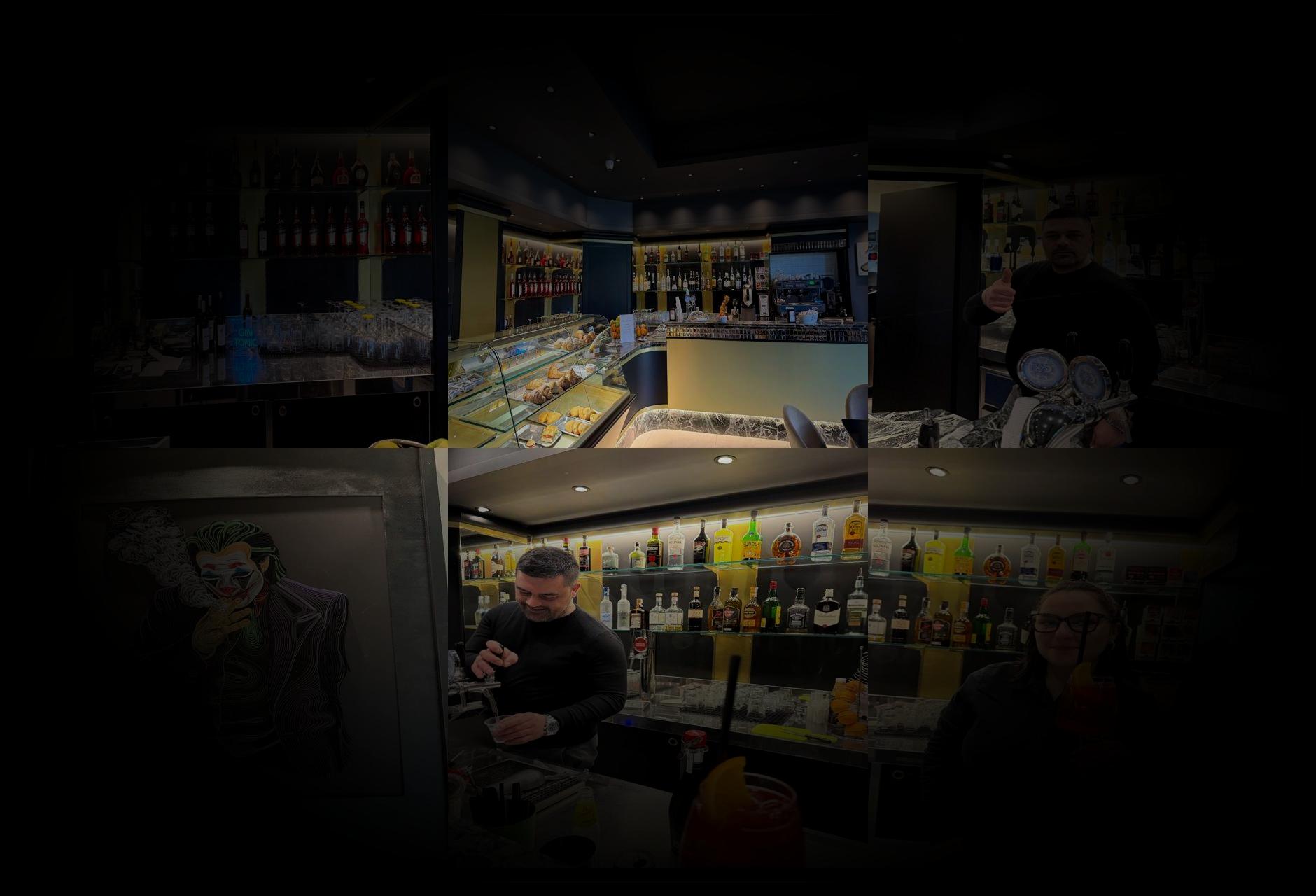
Some places don’t just serve coffee, they shape conversations.
Enigma Coffee and More has been one of those places this week. Not by design, but by presence. It’s where moments unfolded, where conversations took shape, and where something as simple as sitting down turned into something more.
A special acknowledgment to Vito Martulli, whose laughter carries further than the walls of the café. It’s the kind of laughter that doesn’t need explanation, just invitation. In many ways, it became the tone of the week. Just real, and shared and it made me look back on the moments in my life where I’ve laughed.
It’s fitting that it’s called Enigma. Because what happens there isn’t always planned or understood in the moment, but somehow, it’s exactly what was needed. Also a special thank you to Gaia De Vito, for putting up with all of my questions and for parking myself at a table for many hours this week to being this to you.
If you are in Matera, visit Enigma Coffee & More or at least follow on Instagram. It does help
Ci sono luoghi che non si limitano a servire caffè, ma danno forma alle conversazioni.
Enigma Coffee and More è stato uno di quei luoghi questa settimana. Non per scelta, ma per la sua stessa presenza. È lì che si sono susseguiti i momenti, dove le conversazioni hanno preso forma e dove un gesto semplice come sedersi si è trasformato in qualcosa di più.
Un ringraziamento speciale a Vito Martulli, la cui risata si diffonde oltre le pareti del caffè. È quel tipo di risata che non ha bisogno di spiegazioni, ma solo di un invito. Per molti versi, è diventata la colonna sonora della settimana. Semplicemente autentica e condivisa, mi ha fatto ripensare ai momenti della mia vita in cui ho riso.
È appropriato che si chiami Enigma. Perché ciò che accade lì non è sempre pianificato o compreso sul momento, ma in qualche modo è esattamente ciò di cui c'era bisogno. Un ringraziamento speciale anche a Gaia De Vito, per aver sopportato tutte le mie domande e per avermi permesso di sedermi a un tavolo per molte ore questa settimana per raccontarvi tutto questo.
Se siete a Matera, visitate Enigma Coffee & More o almeno seguiteci su Instagram. Aiuta davvero
As we gather at the Sunday Table, we do so under a shared commitment to one another.
The reflections, practices, and wellbeing and health insights offered here are meant to serve your formation—to support awareness, responsibility, and growth as you continue Humaning in your own life and relationships. They are not medical advice, nor are they intended to diagnose, treat, or replace the guidance of qualified healthcare professionals.
In the spirit of the UMANIAMOⓇ New Leadership Covenant, we hold a deeper responsibility.
We honor the dignity of the whole person, body, mind, and spirit. We practice accountability, not only for our actions, but for how we care for ourselves and others. We engage with these practices with wisdom, discernment, and respect for our own limits. And we seek appropriate guidance when needed, recognizing that strength includes knowing when to ask for help.
This is not a disclaimer of distance, it is a covenant of presence.
We commit to learning together, acting responsibly, and supporting one another with integrity so that what we build, in ourselves and with each other, is grounded, sustainable, and true.
We are human together, or not at all.
Quando ci riuniamo alla Tavola della Domenica, lo facciamo sulla base di un impegno reciproco.
Le riflessioni, le pratiche e gli spunti sul benessere e sulla salute qui offerti hanno lo scopo di accompagnare la vostra formazione — per favorire la consapevolezza, la responsabilità e la crescita mentre continuate a mettere in pratica l’UMANIAMOⓇ nella vostra vita e nelle vostre relazioni. Non costituiscono un parere medico, né intendono diagnosticare, curare o sostituire la guida di professionisti sanitari qualificati.
Nello spirito del Patto di Nuova Leadership UMANIAMOⓇ, abbiamo una responsabilità più profonda.
Onoriamo la dignità della persona nella sua interezza, corpo, mente e spirito. Praticamo la responsabilità, non solo per le nostre azioni, ma anche per il modo in cui ci prendiamo cura di noi stessi e degli altri. Ci impegniamo in queste pratiche con saggezza, discernimento e rispetto per i nostri limiti. E cerchiamo una guida appropriata quando necessario, riconoscendo che la forza include anche il sapere quando chiedere aiuto.
Questo non è un rifiuto di distanza, è un patto di presenza.
Ci impegniamo a imparare insieme, ad agire in modo responsabile e a sostenerci a vicenda con integrità, affinché ciò che costruiamo, in noi stessi e tra di noi, sia solido, sostenibile e vero.
Siamo umani insieme, o non lo siamo affatto.