A Seat
We are Human Together or Not at All.
Cosiamo | Founder, UMANIAMO® | Humaning Architecture

Last week we stepped into the Crossing, not as an idea, but as a lived reality. This week, we take a seat within it. The Crossing is the space that opens after everything familiar has been disrupted, yet before anything new has fully taken shape. It is not a place most people would choose to remain for long. There is a natural pull to resolve uncertainty, to find answers, to restore clarity. But the Crossing does not move at the pace of our preferences. It unfolds more slowly, more organically. It is, in many ways, emergent.
Recently, I’ve begun to think of the Crossing as Humaning a lived experience of discovering more deeply our own humanity and that of others. It is not always clean or comfortable. It can feel disorienting, even messy. But there is something essential here, something that cannot be rushed or bypassed. And if we look closely at the world around us, it may be that we are not only experiencing this individually, but collectively.
This is the space where the disciples found themselves after the Resurrection. Christ had appeared to them. Relationship had changed in ways they could not have imagined only days earlier. And yet, they were still asking questions, still gathering, still trying to understand what it all meant. Their world, and their place within it, had been reconfigured. They were now living inside that reconfiguration without a clear map forward.
From a physiological perspective, we might describe the mapmaking, as neuroplasticity, the brain’s ability to reorganize itself by forming new neural connections. When our understanding of reality shifts, the mind must adapt. New connections are formed and old ones begin to fade. This is how learning and transformation occur.
But this process requires something of us. It requires energy, rest and it requires the willingness to remain present in the discomfort of not yet knowing.
This is why we introduced H.A.L.T.E.R. as a simple tool for navigating these moments. Hungry, Angry, Lonely, Tired—states that often appear on the surface, but point to something deeper beneath. When we pause to express what we are actually feeling, and then reframe it, we begin to move from reaction toward understanding. The disciples likely experienced something similar, even if they did not name it this way. They stayed together and recounted what had happened. They tried to make sense of what they had witnessed. In time, their conversations moved from what had happened… to what it might mean… and eventually, what do we do now? This question marks a turning point in the Crossing. Because it cannot be answered by memory alone. It requires something more. It requires the capacity to see beyond what has already been lived and begin forming what has not yet taken shape.
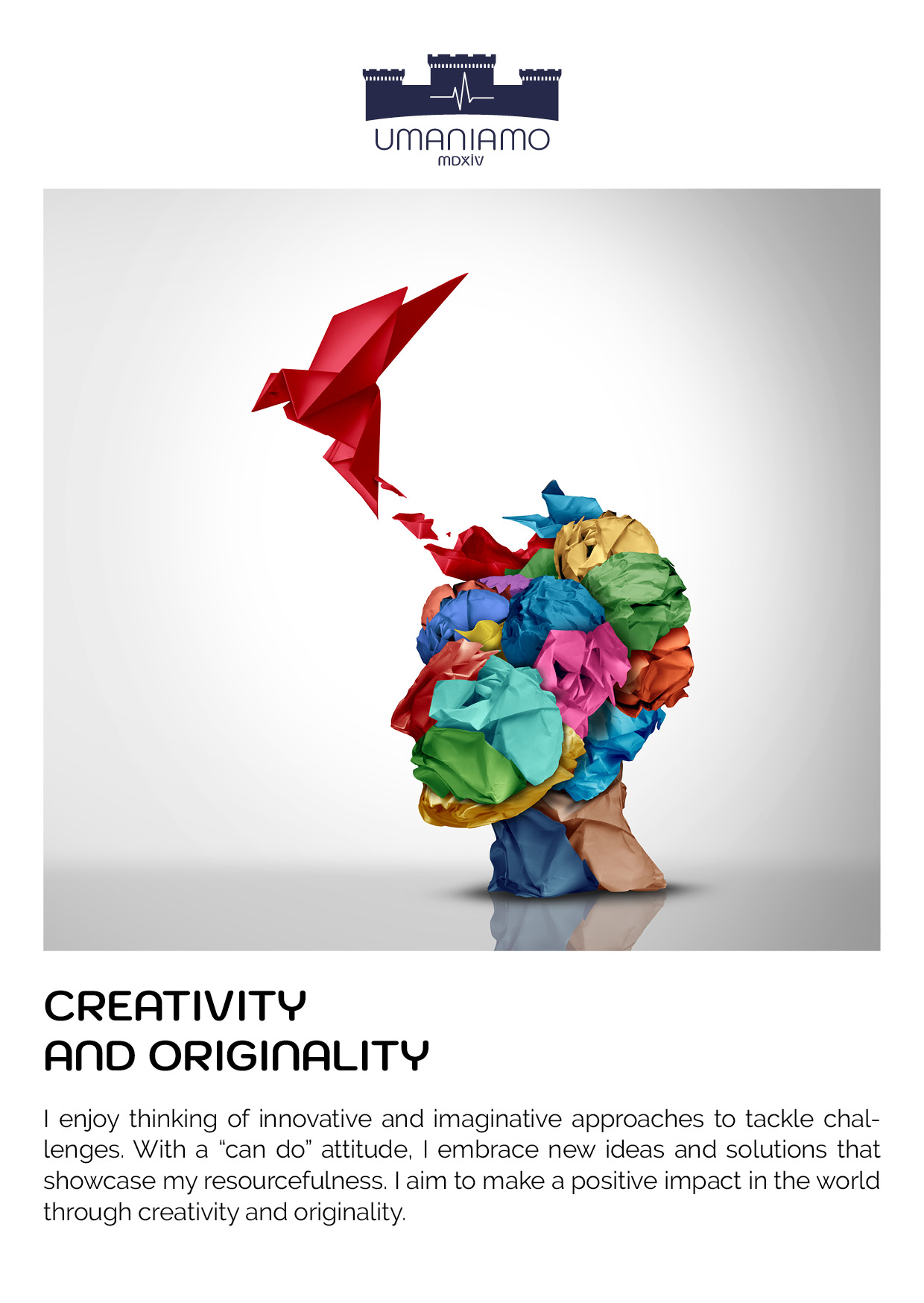
This is where creativity and originality shapes what comes next. Creativity is often thought of as something reserved for artists or innovators. In reality, it is far more fundamental. It is the ability to recognize that the past, while real, is no longer the only reference point. It is the willingness to imagine a different response, a different way of relating, a different way of moving forward. And it is paired with something equally important—the responsibility to shape that difference in a way that serves others. Creativity, in this sense, is not simply originality… it is originality that contributes to something more.
What begins to emerge in the Crossing rarely comes from nothing. More often, it is revealed through integration. Pieces that once felt separate begin to come together in new ways. A past experience connects with a present need. A strength finds its place within a relationship. A conversation opens a possibility that had not been visible before. Something familiar is seen differently and that difference begins to matter.
This is how meaningful work often begins, through recognition not invention. This is also where the work of Humaning deepens in practice. It shows up in how we begin to relate to one another differently. Conversations shift from explanation to exploration. Ideas are shared without the immediate need to defend them. Listening becomes less about preparing a response and more about understanding what is actually being said. Then something that cannot be forced begins to take shape, to emerge.
Often these changes are so small they are easy to overlook but then a moment where something simply “clicks” not just intellectually, but relationally. In a way that feels almost ordinary, someone pulls out a chair… and someone else chooses to sit.
The pull to return to what was comfortable, to reestablish what felt structured, predictable, and known. To rebuild the same patterns that existed before everything changed. This path offers relief, because it reduces uncertainty. But that also comes at a cost. Because once you have seen differently, returning to the same way of being is no longer neutral. It becomes a quiet form of resistance to what is trying to emerge.
The movement from disciple to builder does not begin with action it really begins with perception. To connect what others might overlook and respond in a way that creates possibility rather than repeating habit. This week is not about having the right answers, It is about changing the question and noticing what is beginning to emerge.
La settimana scorsa abbiamo varcato la soglia del Crossing, non come un’idea, ma come una realtà vissuta. Questa settimana, ci accomodiamo al suo interno. Il Crossing è lo spazio che si apre dopo che tutto ciò che ci è familiare è stato sconvolto, ma prima che qualcosa di nuovo abbia preso pienamente forma. Non è un luogo in cui la maggior parte delle persone sceglierebbe di rimanere a lungo. C'è una naturale tendenza a risolvere l'incertezza, a trovare risposte, a ripristinare la chiarezza. Ma il Crossing non procede al ritmo delle nostre preferenze. Si dispiega più lentamente, in modo più organico. È, per molti versi, emergente.
Recentemente, ho iniziato a pensare al Crossing come a un’esperienza vissuta di Humaning, di scoperta più profonda della nostra umanità e di quella degli altri. Non è sempre pulito o confortevole. Può sembrare disorientante, persino caotico. Ma c’è qualcosa di essenziale qui, qualcosa che non può essere affrettato o aggirato. E se guardiamo da vicino il mondo che ci circonda, potrebbe essere che non stiamo vivendo questo solo individualmente, ma collettivamente.
Questo è lo spazio in cui i discepoli si sono ritrovati dopo la Resurrezione. Cristo era apparso loro. La relazione era cambiata in modi che non avrebbero potuto immaginare solo pochi giorni prima. Eppure, continuavano a porre domande, continuavano a riunirsi, continuavano a cercare di capire cosa significasse tutto ciò. Il loro mondo, e il loro posto al suo interno, era stato riconfigurato. Ora vivevano all’interno di quella riconfigurazione senza una mappa chiara per andare avanti.
Da una prospettiva fisiologica, potremmo descrivere la creazione di questa mappa come neuroplasticità, ovvero la capacità del cervello di riorganizzarsi formando nuove connessioni neurali. Quando la nostra comprensione della realtà cambia, la mente deve adattarsi. Si formano nuove connessioni e quelle vecchie iniziano a svanire. È così che avvengono l’apprendimento e la trasformazione.
Ma questo processo richiede qualcosa da parte nostra. Richiede energia, riposo e la volontà di rimanere presenti nel disagio del non sapere ancora.
Ecco perché abbiamo introdotto H.A.L.T.E.R. come semplice strumento per navigare questi momenti. Fame, Rabbia, Solitudine, Stanchezza: stati che spesso appaiono in superficie, ma indicano qualcosa di più profondo sotto. Quando ci fermiamo per esprimere ciò che stiamo realmente provando, e poi lo riformuliamo, iniziamo a passare dalla reazione alla comprensione. Probabilmente i discepoli hanno vissuto qualcosa di simile, anche se non l’hanno definito in questo modo. Rimasero insieme e raccontarono ciò che era accaduto. Cercarono di dare un senso a ciò di cui erano stati testimoni. Col tempo, le loro conversazioni si spostarono da ciò che era accaduto… a ciò che poteva significare… e infine, cosa facciamo ora? Questa domanda segna una svolta nel Passaggio. Perché non può essere risolta solo dalla memoria. Richiede qualcosa di più. Richiede la capacità di vedere oltre ciò che è già stato vissuto e iniziare a dare forma a ciò che non ha ancora preso forma.
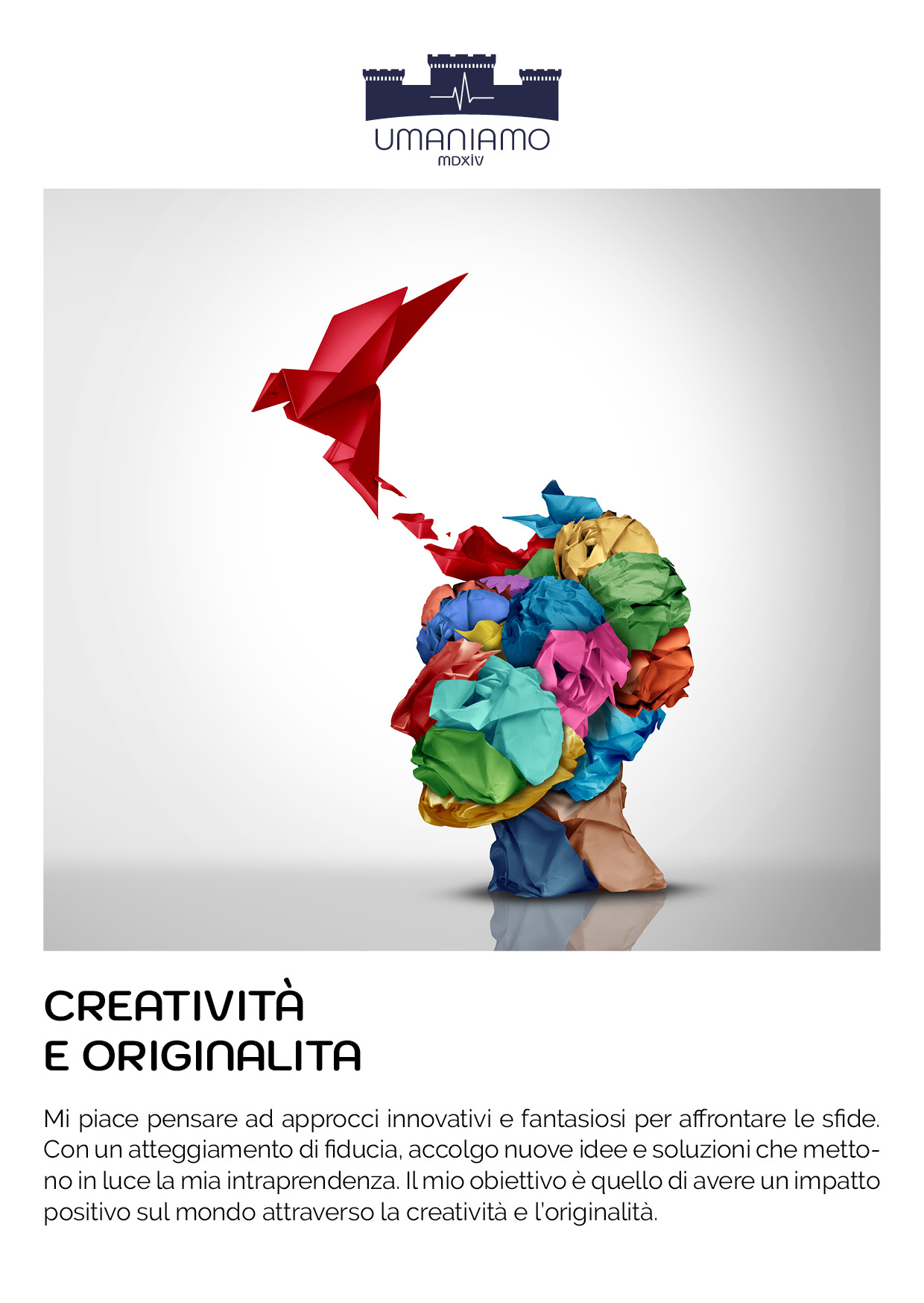
È qui che la creatività e l’originalità danno forma a ciò che verrà dopo. La creatività è spesso considerata come qualcosa riservato agli artisti o agli innovatori. In realtà, è molto più fondamentale. È la capacità di riconoscere che il passato, pur essendo reale, non è più l’unico punto di riferimento. È la volontà di immaginare una risposta diversa, un modo diverso di relazionarsi, un modo diverso di andare avanti. Ed è accompagnata da qualcosa di altrettanto importante: la responsabilità di plasmare quella differenza in modo da essere utile agli altri. La creatività, in questo senso, non è semplicemente originalità… è originalità che contribuisce a qualcosa di più.
Ciò che comincia ad emergere nel Crossing raramente nasce dal nulla. Più spesso, si rivela attraverso l’integrazione. Pezzi che un tempo sembravano separati cominciano a unirsi in modi nuovi. Un’esperienza passata si collega a un bisogno presente. Un punto di forza trova il suo posto all’interno di una relazione. Una conversazione apre una possibilità che prima non era visibile. Qualcosa di familiare viene visto in modo diverso e quella differenza inizia a contare.
È così che spesso inizia un lavoro significativo, attraverso il riconoscimento, non l’invenzione. È anche qui che il lavoro di Humaning si approfondisce nella pratica. Si manifesta nel modo in cui iniziamo a relazionarci gli uni con gli altri in modo diverso. Le conversazioni passano dalla spiegazione all’esplorazione. Le idee vengono condivise senza l’immediata necessità di difenderle. L'ascolto diventa meno una questione di preparare una risposta e più una questione di capire ciò che viene effettivamente detto. Poi qualcosa che non può essere forzato inizia a prendere forma, ad emergere.
Spesso questi cambiamenti sono così piccoli che è facile trascurarli, ma poi arriva un momento in cui qualcosa semplicemente “scatta”, non solo intellettualmente, ma relazionalmente. In un modo che sembra quasi ordinario, qualcuno tira fuori una sedia… e qualcun altro sceglie di sedersi.
La tentazione di tornare a ciò che era confortevole, di ristabilire ciò che sembrava strutturato, prevedibile e conosciuto. Di ricostruire gli stessi schemi che esistevano prima che tutto cambiasse. Questo percorso offre sollievo, perché riduce l’incertezza. Ma ciò ha anche un costo. Perché una volta che hai visto in modo diverso, tornare allo stesso modo di essere non è più neutrale. Diventa una forma silenziosa di resistenza a ciò che sta cercando di emergere.
Il passaggio da discepolo a costruttore non inizia con l'azione, ma inizia davvero con la percezione. Collegare ciò che gli altri potrebbero trascurare e rispondere in un modo che crei possibilità piuttosto che ripetere l'abitudine. Questa settimana non si tratta di avere le risposte giuste, si tratta di cambiare la domanda e notare ciò che sta cominciando ad emergere.
Creativity and Originality
Each week, we offer two easy ways to reflect depending on how and where you are.
The Table Conversation is a short, shared reflection. It works best around a meal, in the living room, or during unhurried time with friends or family. No preparation is required, only presence.
The D.E.E.P.E.R. Examen is a longer, personal reflection.
It’s designed to be done on your own, at your own pace, with space for silence, journaling, or prayer. You don’t need to do both. Choose the one that fits your moment. Both are ways of paying attention to what has been forming you, so experience can mature into wisdom.
This reflection works best around a meal, in the living room, or during unhurried time with friends or family. No preparation is required only your presence. Take a moment to take a look at the REDISCOVER UⓇ digital image together and allow a brief silence before beginning conversation.
This week’s table is centered on a noticing what is beginning to form.
This week we reflect on Creativity and Originality, not as performance or talent, but as a way of seeing and responding to life. Creativity is often described as generating something new, but its deeper form is integration. It is the ability to bring together what once felt separate and recognize a new possibility within it. In many ways, this is already happening all around us.
We see it in the integration of different ways of understanding the human experience—how strengths, thinking patterns, and lived experiences begin to form a more complete picture of the person. We see it in new approaches to care, where the body is no longer treated as a problem to fix, but as a system to understand and support. We see it in the language we are beginning to use—shifting from abstract ideas about growth into something lived, something relational, something human.
Creativity, when grounded in responsibility, becomes contribution. It is not simply about being different. It is about offering something that creates value for others—for relationships, for communities, for the work we are called to do together. This is why the Sunday Table matters. It is not a place where people gather to present finished ideas. It is a place where ideas begin to take shape through conversation, reflection, and shared experience. It is where people begin to see differently—not alone, but together. We are human together or not at all.
Rather than focusing on solving or concluding, the invitation is to remain attentive to what is emerging in your life, your relationships, and your work.
You may begin with simple questions:
Where have I seen something new begin to take shape this week?
What feels different, even if I cannot fully explain it yet?
What connections am I beginning to notice that I may have overlooked before?
As others share, listen not for agreement or response, but for recognition.
At the close of the day, or in a quiet moment between activities, this practice invites you to move gently through what you have experienced, not to analyze it, but to understand how you are living, relating, and responding within the Crossing.
Details: Return to the day and notice what actually happened. Not the interpretation, not the story you told yourself afterward, but the moments themselves. Where did something feel different? Where did your attention linger? Often it is the smallest moments—a pause in a conversation, a shift in tone, a new idea forming—that carry the most meaning.
Evidence: Ask yourself why those moments matter. What do they reveal about how you are thinking, reacting, or engaging with the world around you? Patterns begin to show themselves here. You may notice where you are growing, where you are resisting, or where something is beginning to change beneath the surface.
Empathy: Who was present in those moments, and how did you relate to them? Where did you truly listen? Where might you have remained distant or distracted? This is not a judgment, but an invitation to see others more clearly and to recognize the role you play in shaping the quality of your relationships.
Prospective: What is beginning to emerge? Not what is fully formed, but what is becoming visible. A new direction, a different way of responding, an idea that feels worth exploring. This is where imagination begins to open the future—not in certainty, but in possibility.
Execution: What action did you take? Not what you intended to do, but what you actually did. Did you speak when it mattered? Did you pause when needed? Did you take a step, however small toward what you sensed was right? This is where movement begins. Builders are not defined by intention alone, but by the willingness to act in alignment with what they see.
Reflection: What was the impact of those actions? Not only externally, but internally. What changed as a result? Did a conversation open? Did trust deepen? Did something become clearer? Or did the action reveal something that needs to be approached differently next time? Reflection is where experience becomes learning.
Over time many readers discover that the Sunday Table and the REDISCOVER U® practices becomes a weekly rhythm of reflection and humaning which supports wellbeing and flourishing.
→ Learn more about REDISCOVER U®
Ogni settimana proponiamo due semplici modi per riflettere, a seconda di come e dove ti trovi.
La conversazione a tavola è una breve riflessione condivisa. È ideale durante un pasto, in salotto o in un momento tranquillo con amici o familiari. Non serve alcuna preparazione, solo la tua presenza.
L’Esame D.E.E.P.E.R. è una riflessione personale più approfondita.
È pensata per essere fatta da soli, al proprio ritmo, con spazio per il silenzio, la scrittura nel diario o la preghiera. Non è necessario fare entrambe. Scegli quella che si adatta al tuo momento. Entrambe sono modi per prestare attenzione a ciò che ti ha plasmato, affinché l'esperienza possa maturare in saggezza.
Questa riflessione funziona meglio durante un pasto, in salotto o in un momento tranquillo con amici o familiari. Non è richiesta alcuna preparazione, solo la vostra presenza. Prendetevi un momento per dare un'occhiata insieme all'immagine digitale REDISCOVER UⓇ e concedetevi un breve silenzio prima di iniziare la conversazione.
La conversazione a tavola di questa settimana è incentrata sull'osservare ciò che sta cominciando a formarsi.
Questa settimana riflettiamo su Creatività e Originalità, non come performance o talento, ma come un modo di vedere e rispondere alla vita. La creatività è spesso descritta come la generazione di qualcosa di nuovo, ma la sua forma più profonda è l’integrazione. È la capacità di riunire ciò che un tempo sembrava separato e di riconoscere una nuova possibilità al suo interno. Per molti versi, questo sta già accadendo intorno a noi.
Lo vediamo nell’integrazione di diversi modi di comprendere l’esperienza umana: come i punti di forza, i modelli di pensiero e le esperienze vissute iniziano a formare un quadro più completo della persona. Lo vediamo nei nuovi approcci alla cura, dove il corpo non è più trattato come un problema da risolvere, ma come un sistema da comprendere e sostenere. Lo vediamo nel linguaggio che stiamo iniziando a usare: il passaggio da idee astratte sulla crescita a qualcosa di vissuto, di relazionale, di umano.
La creatività, quando è fondata sulla responsabilità, diventa contributo. Non si tratta semplicemente di essere diversi. Si tratta di offrire qualcosa che crei valore per gli altri: per le relazioni, per le comunità, per il lavoro che siamo chiamati a fare insieme. Ecco perché la Tavola della Domenica è importante. Non è un luogo dove le persone si riuniscono per presentare idee già finite. È un luogo dove le idee iniziano a prendere forma attraverso la conversazione, la riflessione e l’esperienza condivisa. È dove le persone iniziano a vedere in modo diverso: non da sole, ma insieme. Siamo umani insieme o non lo siamo affatto.
Piuttosto che concentrarsi sulla risoluzione o sulla conclusione, l’invito è a rimanere attenti a ciò che sta emergendo nella vostra vita, nelle vostre relazioni e nel vostro lavoro.
Potete iniziare con semplici domande:
Dove ho visto qualcosa di nuovo cominciare a prendere forma questa settimana?
Cosa sembra diverso, anche se non riesco ancora a spiegarlo completamente?
Quali connessioni sto cominciando a notare che forse prima avevo trascurato?
Mentre gli altri condividono, ascoltate non per concordare o rispondere, ma per riconoscere.
A fine giornata, o in un momento di tranquillità tra un’attività e l’altra, questa pratica ti invita a ripercorrere con delicatezza ciò che hai vissuto, non per analizzarlo, ma per capire come stai vivendo, relazionandoti e reagendo all’interno del Crossing.
Dettagli: Torna con la mente alla giornata e osserva cosa è realmente accaduto. Non l’interpretazione, non la storia che ti sei raccontato in seguito, ma i momenti stessi. Dove hai percepito qualcosa di diverso? Dove si è soffermata la tua attenzione? Spesso sono i momenti più piccoli — una pausa in una conversazione, un cambiamento di tono, una nuova idea che prende forma — a portare il significato maggiore.
Evidenza: Chiediti perché quei momenti sono importanti. Cosa rivelano su come stai pensando, reagendo o interagendo con il mondo che ti circonda? È qui che i modelli iniziano a manifestarsi. Potresti notare dove stai crescendo, dove stai opponendo resistenza o dove qualcosa sta iniziando a cambiare sotto la superficie.
Empatia: chi era presente in quei momenti e come ti sei relazionato con loro? Dove hai ascoltato veramente? Dove potresti essere rimasto distante o distratto? Questo non è un giudizio, ma un invito a vedere gli altri più chiaramente e a riconoscere il ruolo che svolgi nel plasmare la qualità delle tue relazioni.
Prospettiva: cosa sta iniziando a emergere? Non ciò che è già completamente formato, ma ciò che sta diventando visibile. Una nuova direzione, un modo diverso di reagire, un'idea che vale la pena esplorare. È qui che l'immaginazione inizia ad aprire il futuro: non nella certezza, ma nella possibilità.
Esecuzione: quale azione hai intrapreso? Non ciò che intendevi fare, ma ciò che hai effettivamente fatto. Hai parlato quando era importante? Ti sei fermato quando era necessario? Hai fatto un passo, per quanto piccolo, verso ciò che sentivi fosse giusto? È qui che inizia il movimento. I costruttori non si definiscono solo per le loro intenzioni, ma per la volontà di agire in linea con ciò che vedono.
Riflessione: Qual è stato l’impatto di quelle azioni? Non solo esternamente, ma anche internamente. Cosa è cambiato di conseguenza? Si è aperta una conversazione? La fiducia si è approfondita? Qualcosa è diventato più chiaro? Oppure l’azione ha rivelato qualcosa che la prossima volta va affrontato in modo diverso? La riflessione è il luogo in cui l’esperienza diventa apprendimento.
Con il passare del tempo, molti lettori scoprono che il «Sunday Table» e le pratiche REDISCOVER U® diventano un appuntamento settimanale dedicato alla riflessione e alla cura di sé, che favorisce il benessere e la piena realizzazione personale.
Dr. Rhett Bogacz, DC, Health & Embodied Humaning

Last week we explored what it feels like when you begin to feel good again when alignment returns, when breathing deepens, when something opens. This week is different. This week, we are sitting in the Crossing. And the Crossing does not always feel good. It is the space where something in your life has shifted sometimes suddenly, sometimes gradually, but enough that your previous way of understanding no longer fully holds. You may not be able to name it right away, but you can feel it. Something is changing, and your body knows it before your mind catches up.
For some, the Crossing begins with a moment that is unmistakable. A diagnosis or loss a transition like becoming an empty nester. For others, it emerges more less suddenly. The realization that you cannot move the way you once did. That living alone is no longer as simple as it used to be. That roles within your family or work have shifted, and you are no longer who you were in the same way. We are also seeing this at a broader level—more adults living with their parents, more families reorganizing, more people adjusting to realities they did not expect. These are not just logistical changes. They are deeply human experiences, which is carried inside.
When you are in the Crossing, your neurobiology begins to reorganize. Old patterns are no longer reliable, and new ones have not yet formed. This can create a range of signals that feel confusing if you do not understand what is happening. You may feel restless without knowing why. You may feel more tired than usual, even when you have not done anything physically demanding. Irritation can appear quickly. You may find yourself withdrawing, not because you want to disconnect, but because you are trying to make sense of something that has not yet taken shape.
This is where a simple practice like H.A.L.T.E.R. becomes useful, not as a quick fix, but as a way of staying present to what is actually happening. When something feels off, you begin by asking whether you are hungry, angry, lonely, or tired. These are not surface-level questions. Hunger may not only be about food, but about a lack of structure or nourishment in your day. Anger may not be frustration in the moment, but a deeper response to loss or unmet expectations. Loneliness may not mean you are physically alone, but that you feel unseen or uncertain about where you belong now. Tiredness may not be about sleep alone, but the fatigue that comes from holding uncertainty over time.
Rather than trying to eliminate these states, begin by recognizing them as signals. From there, the next step is to express what is actually there. Not in a polished or edited way, but honestly. It may be as simple as saying, “This is harder than I expected,” or “I don’t know what this means yet.” Expression allows the body to release some of the pressure that builds when everything is held internally. It creates space where something can begin to move.
Only then does reframing become possible. Not as a way of dismissing what you feel, but as a way of seeing it more clearly. Instead of assuming something is wrong with you, you begin to recognize that something in your life is changing and your body is responding. Instead of expecting immediate clarity, you begin to accept that you are in a process that takes time. Instead of trying to return to what was, you begin to consider that something new is forming, even if you cannot yet see its shape.
This is where creativity and originality begin to take on a different meaning. In the Crossing, creativity is not about producing something new for the sake of it. It is about responding differently. It is about recognizing that the patterns you relied on before may no longer serve you in the same way. It may look like asking for help when you are used to doing everything yourself. It may look like slowing down when your instinct is to push through. It may look like redefining who you are when a role you have held for years begins to change. These are not small adjustments. They are acts of Humaning.
Care becomes especially important in this space, and not just any care. Care that is aligned. Care that sees you as a whole person. Care that is not driven by trends or external noise, but by presence and understanding. Because in the middle of so much information, the most creative and original thing you can do is not to follow what everyone else is doing. It is to pay attention to what is actually happening in your body and your life, and to respond in a way that is true for you. That requires discernment, and discernment requires presence. It cannot be rushed, and it cannot be outsourced. It develops as you remain in the process, as you notice, express, and reframe what is emerging.
So this week, as you sit in the Crossing, allow yourself to stay with it a little longer than is comfortable. Pay attention to what your body is signaling. Name what is there. Give yourself permission to express it without needing to resolve it immediately.
Before moving into the practices, it helps to understand why they matter. When we are in the Crossing, your body is not simply reacting it is reorganizing. Old patterns are loosening, new ones have not yet stabilized, and the nervous system is working to make sense of a changed reality. This is why seemingly small states such as fatigue, irritation, restlessness, withdrawal can feel amplified. When we are young and the physical experience may be called Growing Pains. However, since most of the Humaning we are discussing is related to long-lived and deeply internalized processes.
The H.A.L.T.E.R. framework gives us a simple way to stay oriented within that experience. Originally, H.A.L.T. was used in therapeutic and recovery settings to help people recognize when they were vulnerable to poor decisions: Hungry, Angry, Lonely, Tired. We’ve expanded it to H.A.L.T.E.R. by adding two essential human capacities: Express and Reframe.
This matters because in the Crossing, the first four states often show up quickly, but without expression and reframing, they tend to loop. The body stays sympathetically activated (stress) and your mind tries to solve what cannot yet be solved. Energy gets depleted and that can be series and end up being diagnosed as an Auto-immune disorder. . But when we create some space of understanding what is actually happening our biology begins create new patterns.
Practices like NSDR (Non-Sleep Deep Rest), Yoga Nidra, and Mindfulness-Based Strengths come in. These approaches help the shift us out of constant activation and into a state where repair, integration, and neuroplasticity can occur. Even modalities like Feldenkrais, Hanna Somatics, or eye-movement-based approaches (similar in principle to EMDR) work because they interrupt habitual patterns and invite the brain to reorganize through new sensory input.
What follows are three simple, embodied practices you can use this week, not to “fix” the Crossing, but to stay present within it as something new begins to emerge.
Find a quiet place to sit or lie down. Begin by slowly bringing your attention through the body from your feet to your head, simply noticing sensations as they are.
Then move through the H.A.L.T. questions, not as a checklist, but as an honest inquiry.
Is there a sense of hunger here… physical or something deeper, like a need for structure or nourishment?
Is there anger, frustration, tension, or perhaps something older that has not yet been expressed?
Is there loneliness a sense of disconnection, even if people are around you?
Is there tiredness not just in the body, but in the effort of adapting?
Pause with whatever arises.
Move into Express. This can be silent or spoken, but it should be real. A simple sentence is enough: “This feels heavier than I expected.” or “I don’t fully understand what I’m feeling yet.”
Finally, allow a Reframe to emerge. Not forced or overly positive just a shift toward truth: “Something is changing, and my body is responding.” Stay here for a few minutes.
In the Crossing, one of the most overlooked needs is deep rest not sleep, but a state where the nervous system can downshift enough to integrate what is happening. Lie down comfortably, either on the floor or a bed. Allow your arms to rest at your sides and your legs to fall naturally. Close your eyes.
Begin by bringing awareness to your breath, without trying to control it. Then slowly move your attention through the body—feet, legs, torso, arms, face—spending a few seconds in each area. If your mind wanders, gently return to the body.
You can stay here for 10–20 minutes.
This type of rest, whether called Yoga Nidra or NSDR, has been shown to support recovery, reduce stress, and enhance neuroplasticity. But more importantly, it creates a condition where the body no longer feels the need to constantly react. In that state, integration happens. You may not feel dramatically different when you finish, but something subtle will have shifted.
Some of the most effective ways to support the brain in reorganizing involve bilateral movement—alternating left and right sides of the body or visual field. This is part of why practices like walking, certain somatic methods, and even EMDR are effective. You can do a simple version of this anywhere.
Sit comfortably and begin by slowly shifting your gaze from left to right, without moving your head. Let your eyes move gently, as if scanning the horizon. Do this for a minute or two, breathing naturally. Then, if it feels comfortable, begin a light alternating movement—tapping one hand on your leg, then the other, left to right, at a steady rhythm. Keep it slow and even. As you do this, notice what happens internally.
Often, thoughts begin to feel less persistent. The sense of being “stuck” loosens slightly. The brain is receiving new input, and with that, it begins to reorganize. We are not forcing calm, rather creating the conditions where the system can reset itself.
These practices are simple on purpose. In the Crossing, complexity often overwhelms the system. What the body needs is not more input, but better conditions awareness, rest, and interruption of patterns that no longer serve.
H.A.L.T.E.R. helps you recognize what is happening. Rest allows the system to integrate. Movement helps it reorganize. Because even in the middle of uncertainty, you are not lost. You are learning. If you stay seated in the Crossing patiently, consistently you will begin to move forward.
About Dr. Rhett
Dr. Rhett Bogacz is a chiropractor and educator focused on posture, breath, and nervous system regulation. His work supports embodied formation and long-term resilience.
La settimana scorsa abbiamo esplorato cosa si prova quando si ricomincia a stare bene, quando si ritrova l’equilibrio, quando il respiro si fa più profondo, quando qualcosa si apre. Questa settimana è diversa. Questa settimana ci troviamo nel Momento di Transizione. E il Crossing non è sempre piacevole. È lo spazio in cui qualcosa nella tua vita è cambiato, a volte all'improvviso, a volte gradualmente, ma abbastanza da rendere il tuo precedente modo di vedere le cose non più del tutto valido. Potresti non essere in grado di definirlo subito, ma lo senti. Qualcosa sta cambiando, e il tuo corpo lo sa prima che la tua mente se ne renda conto.
Per alcuni, il Passaggio inizia con un momento inconfondibile. Una diagnosi o una perdita, una transizione come diventare un genitore con i figli ormai grandi. Per altri, emerge in modo più o meno improvviso. La consapevolezza che non puoi muoverti come una volta. Che vivere da solo non è più così semplice come una volta.
Che i ruoli all’interno della famiglia o del lavoro sono cambiati e non sei più la stessa persona di un tempo. Lo vediamo anche a un livello più ampio: più adulti che vivono con i genitori, più famiglie che si riorganizzano, più persone che si adattano a realtà che non si aspettavano. Non si tratta solo di cambiamenti logistici. Sono esperienze profondamente umane, che portiamo dentro di noi.
Quando ti trovi nel Passaggio, la tua neurobiologia inizia a riorganizzarsi. I vecchi schemi non sono più affidabili e quelli nuovi non si sono ancora formati. Questo può creare una serie di segnali che sembrano confusi se non capisci cosa sta succedendo. Potresti sentirti irrequieto senza sapere perché. Potresti sentirti più stanco del solito, anche quando non hai fatto nulla di fisicamente impegnativo. L'irritazione può manifestarsi rapidamente. Potresti ritrovarti a isolarti, non perché vuoi staccare la spina, ma perché stai cercando di dare un senso a qualcosa che non ha ancora preso forma.
È qui che una semplice pratica come H.A.L.T.E.R. diventa utile, non come soluzione rapida, ma come modo per rimanere presenti a ciò che sta realmente accadendo. Quando qualcosa sembra stonato, si inizia chiedendosi se si è affamati, arrabbiati, soli o stanchi. Queste non sono domande superficiali. La fame potrebbe non riguardare solo il cibo, ma una mancanza di struttura o di nutrimento nella propria giornata. La rabbia potrebbe non essere frustrazione nel momento, ma una risposta più profonda a una perdita o ad aspettative deluse. La solitudine potrebbe non significare che sei fisicamente solo, ma che ti senti invisibile o incerto su dove appartieni ora. La stanchezza potrebbe non riguardare solo il sonno, ma la fatica che deriva dal portare con sé l’incertezza nel tempo.
Piuttosto che cercare di eliminare questi stati, inizia a riconoscerli come segnali. Da lì, il passo successivo è esprimere ciò che c'è realmente. Non in modo raffinato o edulcorato, ma onestamente. Potrebbe essere semplice come dire: “È più difficile di quanto mi aspettassi” o “Non so ancora cosa significhi”. L'espressione permette al corpo di rilasciare parte della pressione che si accumula quando tutto viene trattenuto internamente. Crea uno spazio in cui qualcosa può iniziare a muoversi.
Solo allora diventa possibile il riformulazione. Non come un modo per ignorare ciò che provi, ma come un modo per vederlo più chiaramente. Invece di presumere che ci sia qualcosa che non va in te, inizi a riconoscere che qualcosa nella tua vita sta cambiando e il tuo corpo sta reagendo. Invece di aspettarti una chiarezza immediata, inizi ad accettare che sei in un processo che richiede tempo. Invece di cercare di tornare a com’era prima, inizi a considerare che si sta formando qualcosa di nuovo, anche se non ne vedi ancora la forma.
È qui che la creatività e l’originalità iniziano ad assumere un significato diverso. Nel Crossing, la creatività non consiste nel produrre qualcosa di nuovo fine a se stesso. Si tratta di reagire in modo diverso. Si tratta di riconoscere che gli schemi su cui facevi affidamento prima potrebbero non servirti più allo stesso modo. Potrebbe sembrare chiedere aiuto quando sei abituato a fare tutto da solo. Può sembrare un rallentare quando il tuo istinto è quello di andare avanti. Può sembrare un ridefinire chi sei quando un ruolo che hai ricoperto per anni inizia a cambiare. Questi non sono piccoli aggiustamenti. Sono atti di Umanità.
La cura diventa particolarmente importante in questo spazio, e non una cura qualsiasi. Una cura che sia in sintonia. Una cura che ti veda come una persona nella sua interezza. Una cura che non sia guidata dalle tendenze o dal rumore esterno, ma dalla presenza e dalla comprensione. Perché in mezzo a così tante informazioni, la cosa più creativa e originale che puoi fare non è seguire ciò che fanno tutti gli altri. È prestare attenzione a ciò che sta realmente accadendo nel tuo corpo e nella tua vita, e rispondere in un modo che sia vero per te. Ciò richiede discernimento, e il discernimento richiede presenza. Non può essere affrettato, e non può essere esternalizzato. Si sviluppa man mano che rimani nel processo, mentre noti, esprimi e riformuli ciò che sta emergendo.
Quindi questa settimana, mentre ti siedi nel Crossing, concediti di rimanerci un po' più a lungo di quanto sia comodo. Presta attenzione a ciò che il tuo corpo sta segnalando. Dai un nome a ciò che c'è. Concediti il permesso di esprimerlo senza bisogno di risolverlo immediatamente.
Prima di passare alle pratiche, è utile capire perché sono importanti. Quando siamo nel Crossing, il tuo corpo non sta semplicemente reagendo, ma si sta riorganizzando. I vecchi schemi si stanno allentando, quelli nuovi non si sono ancora stabilizzati e il sistema nervoso sta lavorando per dare un senso a una realtà mutata. Questo è il motivo per cui stati apparentemente piccoli come la stanchezza, l’irritazione, l’irrequietezza, il ritiro possono sembrare amplificati. Quando siamo giovani, l’esperienza fisica può essere definita “dolori della crescita”. Tuttavia, poiché la maggior parte dell'Humaning di cui stiamo parlando è legata a processi di lunga durata e profondamente interiorizzati.
Il quadro di riferimento H.A.L.T.E.R. ci offre un modo semplice per orientarci all'interno di quell'esperienza. In origine, H.A.L.T. era utilizzato in contesti terapeutici e di recupero per aiutare le persone a riconoscere quando erano vulnerabili a decisioni sbagliate: Affamato, Arrabbiato, Solo, Stanco. L'abbiamo esteso a H.A.L.T.E.R. aggiungendo due capacità umane essenziali: Esprimere e Riformulare.
Questo è importante perché nel Crossing, i primi quattro stati spesso si manifestano rapidamente, ma senza espressione e riformulazione, tendono a ripetersi in un loop. Il corpo rimane in uno stato di attivazione simpatica (stress) e la mente cerca di risolvere ciò che non può ancora essere risolto. L'energia si esaurisce e questo può essere grave e finire per essere diagnosticato come un disturbo autoimmune. Ma quando creiamo uno spazio per comprendere cosa sta realmente accadendo, la nostra biologia inizia a creare nuovi schemi.
Entrano in gioco pratiche come l'NSDR (Non-Sleep Deep Rest), lo Yoga Nidra e i punti di forza basati sulla consapevolezza. Questi approcci ci aiutano a uscire dall'attivazione costante e a entrare in uno stato in cui possono avvenire riparazione, integrazione e neuroplasticità. Anche modalità come il Feldenkrais, la Hanna Somatics o gli approcci basati sul movimento oculare (simili in linea di principio all'EMDR) funzionano perché interrompono i modelli abituali e invitano il cervello a riorganizzarsi attraverso nuovi input sensoriali.
Quello che segue sono tre semplici pratiche corporee che potete utilizzare questa settimana, non per “risolvere” il Crossing, ma per rimanere presenti al suo interno mentre qualcosa di nuovo comincia ad emergere.
Trova un posto tranquillo dove sederti o sdraiarti. Inizia portando lentamente la tua attenzione attraverso il corpo, dai piedi alla testa, semplicemente notando le sensazioni così come sono.
Poi passa alle domande H.A.L.T., non come una lista di controllo, ma come un'indagine onesta.
C'è un senso di fame qui... fisica o qualcosa di più profondo, come un bisogno di struttura o di nutrimento?
C'è rabbia, frustrazione, tensione o forse qualcosa di più antico che non è stato ancora espresso?
C'è solitudine, un senso di disconnessione, anche se ci sono persone intorno a te?
C'è stanchezza, non solo nel corpo, ma nello sforzo di adattarsi?
Fai una pausa con qualunque cosa emerga.
Passa all’Espressione. Può essere silenziosa o verbale, ma deve essere autentica. Basta una semplice frase: “Questo mi sembra più pesante di quanto mi aspettassi.” o “Non capisco ancora del tutto cosa sto provando.”
Infine, lascia emergere una Riformulazione. Non forzata o eccessivamente positiva, solo uno spostamento verso la verità: “Qualcosa sta cambiando e il mio corpo sta rispondendo.” Rimani qui per qualche minuto.
Nel Crossing, uno dei bisogni più trascurati è il riposo profondo, non il sonno, ma uno stato in cui il sistema nervoso può rallentare abbastanza da integrare ciò che sta accadendo. Sdraiati comodamente, sul pavimento o su un letto. Lascia che le braccia riposino lungo i fianchi e che le gambe cadano naturalmente. Chiudi gli occhi.
Inizia portando la consapevolezza sul tuo respiro, senza cercare di controllarlo. Poi sposta lentamente l’attenzione attraverso il corpo — piedi, gambe, busto, braccia, viso — dedicando qualche secondo a ciascuna zona. Se la tua mente vaga, torna delicatamente al corpo.
Puoi rimanere in questo stato per 10–20 minuti.
È stato dimostrato che questo tipo di riposo, chiamato Yoga Nidra o NSDR, favorisce il recupero, riduce lo stress e migliora la neuroplasticità. Ma, cosa ancora più importante, crea una condizione in cui il corpo non sente più il bisogno di reagire costantemente. In quello stato, avviene l’integrazione. Potresti non sentirti drasticamente diverso quando finisci, ma qualcosa di sottile sarà cambiato.
Alcuni dei modi più efficaci per aiutare il cervello a riorganizzarsi prevedono il movimento bilaterale, ovvero l’alternanza tra il lato sinistro e quello destro del corpo o del campo visivo. Questo è uno dei motivi per cui pratiche come camminare, alcuni metodi somatici e persino l’EMDR sono efficaci. Puoi eseguire una versione semplice di questo esercizio ovunque.
Siediti comodamente e inizia spostando lentamente lo sguardo da sinistra a destra, senza muovere la testa. Lascia che i tuoi occhi si muovano delicatamente, come se stessero scrutando l’orizzonte. Fallo per un minuto o due, respirando naturalmente. Poi, se ti senti a tuo agio, inizia un leggero movimento alternato: picchietta una mano sulla gamba, poi l’altra, da sinistra a destra, con un ritmo costante. Mantienilo lento e regolare. Mentre lo fai, nota cosa succede internamente.
Spesso i pensieri iniziano a sembrare meno insistenti. La sensazione di essere “bloccati” si allenta leggermente. Il cervello sta ricevendo nuovi input e, con essi, inizia a riorganizzarsi. Non stiamo forzando la calma, ma creando le condizioni in cui il sistema possa resettarsi.
Queste pratiche sono volutamente semplici. Nel Crossing, la complessità spesso travolge il sistema. Ciò di cui il corpo ha bisogno non è più input, ma condizioni migliori: consapevolezza, riposo e interruzione di schemi che non servono più.
H.A.L.T.E.R. ti aiuta a riconoscere ciò che sta accadendo. Il riposo permette al sistema di integrare. Il movimento lo aiuta a riorganizzarsi. Perché anche nel mezzo dell’incertezza, non sei perso. Stai imparando. Se rimani seduto nel Crossing con pazienza e costanza, inizierai ad andare avanti.
Informazioni sul Dr. Rhett
Il Dr. Rhett Bogacz è un chiropratico ed educatore specializzato in postura, respirazione e regolazione del sistema nervoso. Il suo lavoro sostiene la formazione incarnata e la resilienza a lungo termine.
Paolo Vizziello, Discipline & Daily Practice
There is a tendency to think of creativity as some big new ideas, new directions, something that stands apart from what already exists. But the more I work, especially in the rhythm of daily life, the more I find that creativity often reveals itself in much smaller, more precise ways. Recently, I bought two bookcases from IKEA for my apartment. They were simple, functional, and easy to assemble. I put them together, placed them where they seemed to belong, and moved on. At first, everything appeared complete. But over the next few days, I kept noticing something subtle. The shelves shifted slightly. The alignment was not quite right. The books did not sit in a way that felt settled. It was not a major problem, but it was enough to create a quiet, persistent sense of irritation.
Initially, I assumed the issue was external. Perhaps the floor was uneven, or the construction was imperfect. But after observing it more carefully, I realized that the discomfort was not really about the furniture itself. It was about the fact that I had stopped short of finishing the work. I had assembled and placed the bookcases, but I had not taken the time to properly integrate them into the space.
So I returned to it with a different intention. I adjusted the position slightly, leveled the base, and reorganized the books with more attention. The changes were minimal, almost imperceptible to anyone else. But the effect was immediate. The room settled. The tension disappeared. What had felt slightly off now felt complete. This experience clarified something for me. The irritation I felt was not truly about the shelves. It was a signal of misalignment. And that misalignment had less to do with the object and more to do with the incompleteness of my own attention.
I see the same pattern in my work at the table. Very often, what distinguishes an ordinary experience from a meaningful one is not a dramatic change, but a small adjustment made at the right moment. This is where creativity becomes more precise. It is not simply the introduction of something new. It is the disciplined ability to perceive what is slightly out of place and to respond accordingly. It requires attention, patience, and a willingness to remain with something beyond the point where it would be easier to move on.
In this sense, creativity and originality are not separate from ordinary work. They are revealed through it. A small shift in placement, a slight adjustment in timing, a more intentional response these are often the moments where something changes in a way that is disproportionate to the effort required.
This is also how Magis begins to appear. Not through intensity or excess, but through alignment. When something is brought fully into place, the effect is not always visible, but it is felt. The experience becomes more coherent, more stable, more complete.
So this week, rather than looking for something entirely new, I would suggest paying attention to what feels slightly unresolved. Not the obvious problems, but the quieter signals—the things that are almost right, but not fully done done. Return to one of them and complete the work. Because very often, the difference between what is ordinary and what is meaningful is not found in starting over, but in finishing with care.
About Paolo
Paolo Vizziello is a craftsman and formation guide whose reflections focus on discipline, presence, and daily practice rooted in lived experience.
Si tende a pensare alla creatività come a grandi idee innovative, a nuove direzioni, a qualcosa che si distingue da ciò che già esiste. Ma più lavoro, specialmente seguendo il ritmo della vita quotidiana, più mi rendo conto che la creatività spesso si rivela in modi molto più piccoli e precisi. Di recente ho comprato due librerie da IKEA per il mio appartamento. Erano semplici, funzionali e facili da montare. Le ho montate, le ho sistemate dove mi sembrava più opportuno e sono andato avanti. All'inizio, tutto sembrava a posto. Ma nei giorni successivi, ho continuato a notare qualcosa di sottile. I ripiani si erano leggermente spostati. L'allineamento non era proprio corretto. I libri non stavano in modo che sembrasse stabile. Non era un problema grave, ma era sufficiente a creare un senso di irritazione silenzioso e persistente.
All'inizio pensavo che il problema fosse esterno. Forse il pavimento era irregolare, o la struttura era imperfetta. Ma dopo aver osservato la cosa più attentamente, mi sono reso conto che il disagio non riguardava in realtà i mobili in sé. Riguardava il fatto che non avevo portato a termine il lavoro. Avevo montato e posizionato le librerie, ma non mi ero preso il tempo di integrarle correttamente nello spazio.
Così ci sono tornato con un intento diverso. Ho regolato leggermente la posizione, livellato la base e riorganizzato i libri con maggiore attenzione. I cambiamenti erano minimi, quasi impercettibili a chiunque altro. Ma l’effetto è stato immediato. La stanza si è stabilizzata. La tensione è scomparsa. Ciò che sembrava leggermente fuori posto ora sembrava completo. Questa esperienza mi ha chiarito qualcosa. L'irritazione che provavo non riguardava realmente gli scaffali. Era un segnale di disallineamento. E quel disallineamento aveva meno a che fare con l'oggetto e più con l'incompletezza della mia stessa attenzione.
Vedo lo stesso schema nel mio lavoro al tavolo. Molto spesso, ciò che distingue un'esperienza ordinaria da una significativa non è un cambiamento drammatico, ma un piccolo aggiustamento fatto al momento giusto. È qui che la creatività diventa più precisa. Non è semplicemente l'introduzione di qualcosa di nuovo. È la capacità disciplinata di percepire ciò che è leggermente fuori posto e di rispondere di conseguenza. Richiede attenzione, pazienza e la volontà di rimanere con qualcosa oltre il punto in cui sarebbe più facile andare avanti.
In questo senso, la creatività e l’originalità non sono separate dal lavoro ordinario. Si rivelano attraverso di esso. Un piccolo spostamento nella disposizione, un leggero aggiustamento nei tempi, una risposta più intenzionale: questi sono spesso i momenti in cui qualcosa cambia in modo sproporzionato rispetto allo sforzo richiesto.
È così che inizia a manifestarsi anche il Magis. Non attraverso l’intensità o l’eccesso, ma attraverso l’allineamento. Quando qualcosa viene portato pienamente al suo posto, l’effetto non è sempre visibile, ma si percepisce. L'esperienza diventa più coerente, più stabile, più completa.
Quindi questa settimana, piuttosto che cercare qualcosa di completamente nuovo, suggerirei di prestare attenzione a ciò che sembra leggermente irrisolto. Non i problemi evidenti, ma i segnali più silenziosi: le cose che sono quasi giuste, ma non del tutto finite. Tornate su una di esse e completate il lavoro. Perché molto spesso, la differenza tra ciò che è ordinario e ciò che è significativo non si trova nel ricominciare da capo, ma nel finire con cura.
Informazioni su Paolo
Paolo Vizziello è un artigiano e guida formativa le cui riflessioni vertono sulla disciplina, la presenza e la pratica quotidiana radicata nell'esperienza vissuta.
→ Chi è Paolo
Paolo Vizziello, Discipline & Daily Practice
Recently, I invested in two bookcases for my apartment. It was not a significant decision in terms of cost, and at first it did not seem especially important. I simply needed a place for books that had gradually begun to occupy different surfaces. The space was functional, but not fully organized. Nothing was chaotic, but nothing was complete either. What I didn’t know was how much attention that incompleteness was quietly demanding.
The books themselves were not the issue. It was the fact that they did not yet have a place. Each time I moved through the room, there was a signal that this this still needs to be handled. Not urgent but persistent. I would shift a stack, make temporary space, tell myself I would come back to it. The task remained open, and because it remained open, it continued to draw from me.
Once the shelves were assembled, positioned, and properly adjusted, something changed. Not in the space itself, but in my relationship to it. The books were no longer waiting for a decision. The small, recurring signal disappeared. What had been quietly present in the background was no longer there. This clarified something for me about financial sense. The value of the decision was not the object. It was the closure.
A purchase, in this sense, is not only an expense or an asset. It is sometimes a way of resolving something that has remained incomplete. When that resolution happens, it does not simply improve the environment. It reduces a recurring demand on attention.
What I experienced as mild irritation before was not really frustration with the space. It was a form of hunger. Not physical hunger, but a need for order, for completion, for coherence. Something in the system was unfinished, and the mind continued to return to it, even without conscious effort.
Some Tips from my Experience:
This Sunday, we are sitting down to practice the art of "Humaning" by looking at the un-noticed signals beneath our daily delays. Using the H.A.L.T.E.R. lens and the internal architecture of REDISCOVER UⓇ , we want to move past labeling ourselves as "procrastinators" and instead listen to what our quietest parts of you are asking for. Whether it’s an Analytical need for "why," a Structural need for a simple starting point, a Social need for shared meaning, or a Conceptual need for a fresh perspective, these aren't flaws—they are just parts of who we are that haven't been shared yet. Our goal at the table isn't to solve a task, but to help each other recognize these invisible internal "hungers" so that what feels heavy and abstract can finally become seen, named, and light.
Jake Claxton, Fatherhood & the Track
This time of year carries Spring momentum. The tracks begin to fill again, not for season prep but for the race.. From the outside, it looks like progress but from within the work, the experience is more complex. This is the point where participation becomes responsibility, and where what once felt like practice begins to take on the weight of livelihood.
For me, this season is not simply about riding or even coaching. It is about the challenge of building something sustainable around a body of knowledge that I know to be effective, but that does not easily conform to conventional models. I understand how posture influences performance, how alignment affects control, and how subtle adjustments in the body can produce disproportionate improvements on the track. That aspect of the work is not uncertain. What remains uncertain is how to translate that understanding into a structure that allows it to endure—financially, relationally, and operationally—without reducing it to something superficial.
This is where the Crossing becomes tangible. It is not a philosophical concept but a lived tension between clarity of purpose and ambiguity of path. There are constant decisions to be made without the benefit of precedent. There are also strong external pressures toward standardization—toward packaging, simplification, and visibility in ways that are often rewarded but not necessarily aligned with the integrity of the work. It becomes possible, even tempting, to follow those patterns. Yet doing so risks losing the very precision that makes the work valuable in the first place.
What I have begun to recognize is that this tension is not resolved through strategy alone. It is regulated through state. This is where H.A.L.T.E.R. has shifted, for me, from an abstract framework to a practical discipline. The conditions it names—hunger, anger, loneliness, and fatigue—are not incidental. They are foundational variables that directly affect perception and decision-making. When one of these is present, it alters how I interpret the work, often leading to conclusions that are not actually about the work itself.
If I am undernourished, physically or otherwise, the simplest tasks feel unnecessarily complex. If I am carrying unprocessed frustration, I tend to accelerate prematurely, overlooking details that require patience. If I am disconnected, even slightly, the work loses its relational grounding and begins to feel mechanical. And when I am fatigued, I find myself attempting to force outcomes rather than allowing them to develop. In each case, the distortion is subtle but significant. It creates the impression that something external needs to change, when in reality the adjustment is internal.
Addressing this has required a different kind of discipline—not one of intensity, but of attention. It has meant learning how to interrupt cognitive loops before they become conclusions. Often, the most effective way to do this is not through further analysis, but through re-engagement with the body. Simple, tangible activities—cooking, physical movement, working with my hands—restore a level of sensory clarity that thinking alone cannot provide. They reestablish proportion. What seemed complex becomes manageable again, not because the situation has changed, but because my relationship to it has.
That is where I find myself. Not at a point of resolution, but within a process of construction. The work is meaningful, but incomplete. The direction is emerging, but not finalized. And the task, as I understand it now, is not to force clarity prematurely, but to remain engaged long enough for it to develop with integrity.
For anyone navigating a similar phase—where what you are building matters, but is not yet fully stable—it is easy to interpret uncertainty as error. But I am beginning to see it differently. This is not a deviation from the process. It is the process. The work is not simply what is produced at the end, but what is refined, adjusted, and sustained along the way.
What this requires, above all, is continuity. The willingness to remain engaged, to attend to the conditions that influence perception, and to make the next necessary adjustment without demanding that it resolve everything at once. Over time, those adjustments accumulate. Patterns begin to stabilize. What once felt uncertain becomes navigable.
About Jake
Jake Claxton is a husband, father of two sons, and founder of Ride By Design. His reflections draw from family life, faith, and lessons learned on the motocross track.
L'unica strada è andare avanti
Questo periodo dell'anno porta con sé lo slancio della primavera. Le piste ricominciano a riempirsi, non per prepararsi alla stagione, ma per la gara. Da fuori sembra un progresso, ma dall'interno, nel lavoro, l'esperienza è più complessa. È il momento in cui la partecipazione diventa responsabilità, e in cui ciò che prima sembrava solo un allenamento comincia ad assumere il peso di un mezzo di sostentamento.
Per me, questa stagione non riguarda semplicemente l'andare in bici o nemmeno l'allenare. Riguarda la sfida di costruire qualcosa di sostenibile attorno a un corpus di conoscenze che so essere efficace, ma che non si conforma facilmente ai modelli convenzionali. Capisco come la postura influenzi la prestazione, come l'allineamento influisca sul controllo e come sottili aggiustamenti nel corpo possano produrre miglioramenti sproporzionati in pista. Quell'aspetto del lavoro non è incerto. Ciò che rimane incerto è come tradurre questa comprensione in una struttura che le consenta di durare — finanziariamente, relazionalmente e operativamente — senza ridurla a qualcosa di superficiale.
È qui che il Crossing diventa tangibile. Non è un concetto filosofico, ma una tensione vissuta tra la chiarezza dello scopo e l’ambiguità del percorso. Ci sono decisioni costanti da prendere senza il beneficio di un precedente. Ci sono anche forti pressioni esterne verso la standardizzazione – verso il packaging, la semplificazione e la visibilità in modi che sono spesso premiati ma non necessariamente allineati con l’integrità del lavoro. Diventa possibile, persino allettante, seguire quei modelli. Eppure farlo rischia di far perdere proprio quella precisione che rende il lavoro prezioso in primo luogo.
Quello che ho cominciato a riconoscere è che questa tensione non si risolve solo attraverso la strategia. È regolata dallo stato. È qui che H.A.L.T.E.R. è passato, per me, da un quadro astratto a una disciplina pratica. Le condizioni che nomina – fame, rabbia, solitudine e stanchezza – non sono casuali. Sono variabili fondamentali che influenzano direttamente la percezione e il processo decisionale. Quando una di queste è presente, altera il modo in cui interpreto il lavoro, portando spesso a conclusioni che in realtà non riguardano il lavoro stesso.
Se sono denutrito, fisicamente o in altro modo, i compiti più semplici sembrano inutilmente complessi. Se porto con me una frustrazione irrisolta, tendo ad accelerare prematuramente, trascurando dettagli che richiedono pazienza. Se mi sento distaccato, anche solo leggermente, il lavoro perde il suo fondamento relazionale e comincia a sembrare meccanico. E quando sono affaticato, mi ritrovo a cercare di forzare i risultati piuttosto che lasciarli svilupparsi. In ogni caso, la distorsione è sottile ma significativa. Crea l’impressione che qualcosa di esterno debba cambiare, quando in realtà l’adattamento è interno.
Affrontare questo aspetto ha richiesto un diverso tipo di disciplina: non di intensità, ma di attenzione. Ha significato imparare a interrompere i circuiti cognitivi prima che diventino conclusioni. Spesso, il modo più efficace per farlo non è attraverso un'ulteriore analisi, ma attraverso un nuovo coinvolgimento del corpo. Attività semplici e tangibili – cucinare, muoversi fisicamente, lavorare con le mani – ripristinano un livello di chiarezza sensoriale che il pensiero da solo non può fornire. Ristabiliscono la proporzione. Ciò che sembrava complesso diventa di nuovo gestibile, non perché la situazione sia cambiata, ma perché è cambiato il mio rapporto con essa.
È qui che mi trovo. Non a un punto di risoluzione, ma all’interno di un processo di costruzione. Il lavoro è significativo, ma incompleto. La direzione sta emergendo, ma non è definitiva. E il compito, per come lo intendo ora, non è quello di forzare la chiarezza prematuramente, ma di rimanere impegnato abbastanza a lungo da permetterle di svilupparsi con integrità.
Per chiunque stia attraversando una fase simile – in cui ciò che si sta costruendo è importante, ma non è ancora del tutto stabile – è facile interpretare l’incertezza come un errore. Ma sto cominciando a vederla in modo diverso. Questa non è una deviazione dal processo. È il processo. Il lavoro non è semplicemente ciò che viene prodotto alla fine, ma ciò che viene affinato, adattato e sostenuto lungo il percorso.
Ciò che questo richiede, soprattutto, è continuità. La volontà di rimanere coinvolti, di prestare attenzione alle condizioni che influenzano la percezione e di apportare il successivo aggiustamento necessario senza pretendere che risolva tutto in una volta. Col tempo, questi aggiustamenti si accumulano. Gli schemi iniziano a stabilizzarsi. Ciò che prima sembrava incerto diventa gestibile.
Informazioni su Jake
Jake Claxton è marito, padre di due figli e fondatore di Ride By Design. Le sue riflessioni attingono dalla vita familiare, dalla fede e dalle lezioni apprese sulla pista di motocross.
A Matera s’ dic: la segghie vacànt nun aspett nisciùn. Si nun t’assìd tu, quacchedùn — o quacchecòs — s’assètt a post tò
A Matera s’ dic:
la segghie vacànt nun aspett nisciùn.
Si nun t’assìd tu,
quacchedùn — o quacchecòs — s’assètt a post tò
Litertal Translation: the empty chair waits for no one. If you do not sit in it,
someone or something will take your place.
The proverb speaks to responsibility, presence, and timing. An empty chair is not neutral—it represents an opportunity, a role, or a moment that is meant to be claimed. If it is left unattended, it will not remain open indefinitely. Life continues, decisions are made, and space is filled, whether intentionally or not.
In the context of the Crossing, it becomes more personal. There are moments when you are invited to step forward—to take your place in your work, your relationships, or your calling. Waiting for perfect clarity or ideal conditions can feel reasonable, but over time, hesitation becomes absence.
To “take your seat” is not about control or status. It is about presence. It is the willingness to show up, even when things are still forming, and to accept responsibility for what is in front of you.
Because if you do not take your place, something else will define it for you.
Insalata di Patate (Italian Potato Salad)

1 kg (2.2 lbs) waxy potatoes (Yukon Gold or similar)
½ small red onion, thinly sliced
2–3 tablespoons capers, rinsed
½ cup olives (green or black), pitted and sliced
¼ cup fresh parsley, chopped
4–6 tablespoons extra virgin olive oil
Juice of ½ lemon or 1–2 tablespoons red wine vinegar
Salt, to taste
Freshly ground black pepper
Place the potatoes in a large pot and cover them with cold, salted water. Bring the water to a gentle boil and cook the potatoes whole, with their skins on, until they are just tender when pierced with a knife. This usually takes about 20–30 minutes depending on size. Be careful not to overcook them, as they should hold their shape.
While the potatoes are cooking, prepare the other ingredients. Slice the red onion very thin. If it is strong, let it sit in a small bowl of cold water for about 5–10 minutes, then drain. Chop the parsley, rinse the capers, and slice the olives.
Once the potatoes are cooked, drain them and let them cool slightly until they can be handled comfortably. Peel them if desired, then cut them into bite-sized pieces. Place the warm potatoes into a large bowl.
Add the red onion, capers, olives, and parsley to the potatoes. While the potatoes are still warm, drizzle over the olive oil and lemon juice or vinegar. Season with salt and freshly ground black pepper.
Gently toss everything together until the potatoes are evenly coated, being careful not to break them apart too much. Allow the salad to sit at room temperature for at least 15–20 minutes before serving so the flavors can come together. Taste and adjust seasoning if needed before serving.
We are taught to expect resolution after revelation. We are told that once something is seen, clarity should follow. But that is not how life works, and it is not how faith unfolds. The days after the Resurrection were not marked by certainty. They were marked by disorientation. Those who witnessed it were not standing in triumph; they were standing in the aftermath of something that exceeded their understanding. What they had known was gone. What had come in its place had not yet taken form.
In Italy, a name is never just a name. It carries memory, tradition, and often the quiet presence of a saint who lived before us. The onomastico is a simple but meaningful way of honoring that connection—a reminder that each life is part of a much longer story.
April 13 — San Martino I
A pope who stood firm in conviction during times of political and theological pressure. His witness reflects the courage to remain grounded in truth, even when it comes at a cost.
April 14 — Santa Liduina
Known for enduring suffering with patience and faith, her life reminds us that strength is not always visible, and that perseverance often unfolds quietly.
April 15 — San Damiano de Veuster
A missionary who chose to live among those society had cast aside. His example speaks to presence, service, and the dignity of staying with others, especially when it is difficult.
April 16 — Santa Bernadette Soubirous
A young woman whose simplicity and sincerity opened the way for something greater. Her life reflects the power of humility and openness.
April 17 — San Roberto di Molesme
A reformer who sought to restore clarity and discipline to monastic life. His work reminds us that renewal often begins with returning to what matters most.
April 18 — San Galdino
A bishop known for his care for the poor and his commitment to justice. His example reflects responsibility in action—faith lived through service.
April 19 — Santa Emma di Sassonia
Remembered for her generosity and quiet strength, she lived a life oriented toward care for others, particularly in times of need.