Advent Week III — Wine and the Spirit to Rejoice
Formation Library → Sunday Table → Wine and the Spirit to Rejoice
15–21 December 2025
Cosiamo, Founder UMANIAMO® | Formation & Architecture
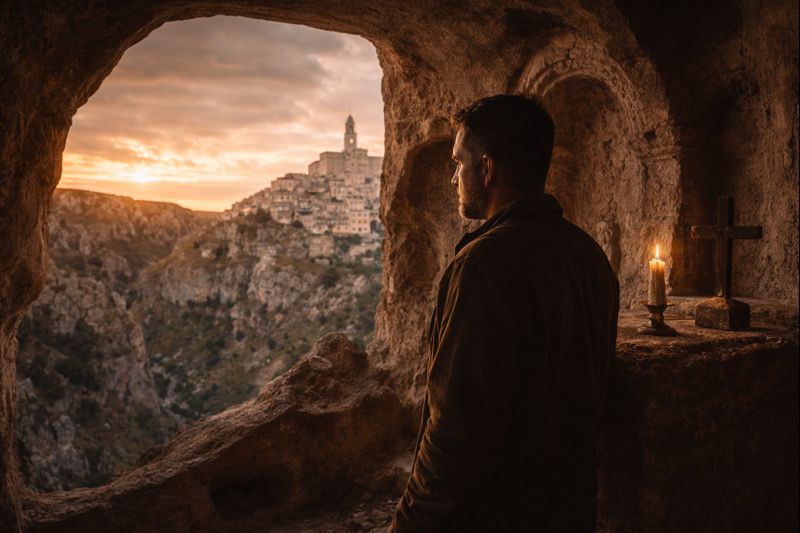
By the third week of Advent, something shifts. The waiting no longer feels like absence. The restraint no longer feels heavy. And the darkness, while still present, no longer feels empty.
This week after Gaudete Sunday, we begin to rejoice. Not because the journey is finished. Not because the world has suddenly become safe or simple. But because something is already happening beneath the surface.
Advent Week I wakes us up. It shakes us from distraction and reminds us that the story we have been telling ourselves is not the whole story. Advent Week II teaches us restraint…the wisdom of distance, prudence, discretion, and reverence for forces that give life but can also destroy if mishandled. Now, in Week III, Advent does something subtler and more dangerous. It invites us to rejoice.
Joy, when it comes too early, can feel irresponsible. When it comes too loudly, it can feel hollow. And when it comes without grounding, it often becomes escape rather than renewal. That is why Gaudete is not a celebration of arrival, but a celebration of alignment. This is the week when joy becomes possible because formation has begun.
The theme this week is wine. Wine is not raw, immediate, or impatient. Wine is the product of pressure, time, darkness, and care. Grapes must be crushed and the natural sugar must ferment. Heat must be contained, and only then, after waiting and maturing does something capable of being shared emerge.
Wine teaches us what Advent has been teaching us all along: spirit matures when it is not rushed. In the ancient world, wine was never casual. It was not consumed alone. It was shared, measured, and contextual. In Scripture, wine gladdens the heart of man, but it also seals covenants. It marks weddings. It becomes blood. It is blessing, yes, but always with weight.
Jesus’ first public miracle was not a sermon. It was the transformation of water into wine at a wedding in Cana. Not to impress. Not to perform. But to restore joy at precisely the moment when it was about to run dry.
This matters. Because in our time, many people, especially men, have learned to distrust spirited joy. They associate it with indulgence, weakness, loss of control, or distraction from duty. Others chase it relentlessly, mistaking stimulation for aliveness and novelty for meaning.
Advent Week III offers a third way. It tells us that joy is not opposed to discipline. It is the fruit of it. This is where the image of fire in the cave becomes essential.
Across cultures and centuries, men have always gathered around fire, not as entertainment, but as restoration. Caves, bathhouses, sweat lodges, and stone chambers were not luxuries. They were places of regulation. Fire warmed what cold depleted. Heat allowed the body to discharge what it had been carrying too long. Sweat was not waste it was release.
Matera remembers this. The caves of this city were not primitive shelters. They were thermal sanctuaries. Stone holds heat. Fire concentrates it. Men and families who lived here understood that warmth in winter was not indulgence; it was survival. Strength was preserved through rhythm: heat and rest, work and gathering, silence and song. This is why wine belongs with fire.
Wine is fermented fire. It is warmth transformed. Sugar matured. Energy made social rather than solitary. Taken in reverence, wine does not numb. It opens. It relaxes without collapsing. It gladdens the heart without unanchoring the body.
In Advent Week III, joy does not erupt. It emerges. This is also where spirituality must be reclaimed from abstraction.
In UMANIAMO, spirituality is not about belief statements or moral performance. It is about alignment. About whether the body, heart, and spirit are moving together—or pulling in opposite directions. A man can believe all the right things and still be spiritually fragmented if his body is exhausted, his nervous system overloaded, and his joy suppressed or outsourced.
This week, the invitation is simple but demanding: let joy be embodied.
Not through excess. Not through escape. But through warmth, presence, and shared life.
This is why places like TAU matter. In Matera, TAU is not just a religious store. It is a witness to reverence made tangible. Nearly everything inside is made in Italy, often by hand, often by families who still believe that sacred objects deserve time, care, and dignity. In a world flooded with cheap replicas and disposable symbols, TAU quietly insists that what shapes the spirit should be worthy of attention.
The name itself—Tau—carries ancient weight. For St. Francis of Assisi, the Tau was a sign of blessing, conversion, and completion. He signed his letters with it. He carved it into walls. It marked those who chose humility over excess and faith lived through action rather than display. The Tau is the final letter of the Hebrew alphabet. It signifies fulfillment, not perfection, but faithfulness. That is Gaudete joy. Not loud. Not flashy. But deep, steady, and durable.
Advent Week III does not cancel discipline. It reveals why discipline matters.
Because joy that is rushed fades. Joy that is earned stays. This week, we are invited to rejoice—not because everything is resolved, but because the spirit is alive and responding. Fire has warmed without consuming. Restraint has created space. And now, something capable of being shared has begun to mature.
Like wine poured at the right moment. Like sweat followed by rest. Like laughter that arrives after honesty.
The courage to rejoice is not trivial. It requires trust. It requires us to believe that joy does not make us careless, but human. That warmth does not weaken us, but restores us. That celebration, when rightly ordered, strengthens our capacity to return to the work still ahead.
Advent does not prepare us for comfort. It prepares us for responsibility. And responsibility carried without joy becomes brittle.
So this week, we rejoice gently. We warm ourselves without burning out. We share what has been forming quietly beneath the surface. Because something is already being born. And the heart, if we let it, knows how to recognize the moment.
About Cosiamo
Cosiamo is the founder of UMANIAMO® and the creator of the REDISCOVER U® framework. His work focuses on human formation, embodied leadership, and restoring practices that help people live, lead, and build together with clarity and reverence.
Entro la terza settimana di Avvento, qualcosa cambia. L'attesa non sembra più un'assenza. La moderazione non sembra più un peso. E l'oscurità, pur essendo ancora presente, non sembra più vuota.
Questa settimana, dopo la domenica Gaudete, iniziamo a gioire. Non perché il viaggio sia finito. Non perché il mondo sia improvvisamente diventato sicuro o semplice. Ma perché qualcosa sta già accadendo sotto la superficie.
La prima settimana dell'Avvento ci risveglia. Ci scuote dalla distrazione e ci ricorda che la storia che ci siamo raccontati non è tutta la storia. La seconda settimana dell'Avvento ci insegna la moderazione... la saggezza della distanza, la prudenza, la discrezione e il rispetto per le forze che danno la vita ma che possono anche distruggere se mal gestite. Ora, nella terza settimana, l'Avvento fa qualcosa di più sottile e pericoloso. Ci invita a gioire.
La gioia, quando arriva troppo presto, può sembrare irresponsabile. Quando arriva troppo forte, può sembrare vuota. E quando arriva senza fondamento, spesso diventa una fuga piuttosto che un rinnovamento. Ecco perché Gaudete non è una celebrazione dell'arrivo, ma una celebrazione dell'allineamento. Questa è la settimana in cui la gioia diventa possibile perché la formazione è iniziata.
Il tema di questa settimana è il vino. Il vino non è grezzo, immediato o impaziente. Il vino è il prodotto della pressione, del tempo, dell'oscurità e della cura. L'uva deve essere pigiata e lo zucchero naturale deve fermentare. Il calore deve essere contenuto, e solo allora, dopo l'attesa e la maturazione, emerge qualcosa che può essere condiviso.
Il vino ci insegna ciò che l'Avvento ci ha insegnato fin dall'inizio: lo spirito matura quando non è affrettato. Nel mondo antico, il vino non era mai casuale. Non veniva consumato da solo. Era condiviso, misurato e contestualizzato. Nella Scrittura, il vino rallegra il cuore dell'uomo, ma sigilla anche le alleanze. Segna i matrimoni. Diventa sangue. È una benedizione, sì, ma sempre con un peso.
Il primo miracolo pubblico di Gesù non fu un sermone. Fu la trasformazione dell'acqua in vino alle nozze di Cana. Non per impressionare. Non per esibirsi. Ma per restituire la gioia proprio nel momento in cui stava per esaurirsi.
Questo è importante. Perché ai nostri giorni molte persone, specialmente gli uomini, hanno imparato a diffidare della gioia vivace. La associano all'indulgenza, alla debolezza, alla perdita di controllo o alla distrazione dai doveri. Altri la inseguono senza sosta, scambiando la stimolazione per vitalità e la novità per significato.
La terza settimana di Avvento offre una terza via. Ci dice che la gioia non è in contrasto con la disciplina. Ne è il frutto. È qui che l'immagine del fuoco nella caverna diventa essenziale.
Attraverso le culture e i secoli, gli uomini si sono sempre riuniti attorno al fuoco, non per divertimento, ma per rigenerarsi. Le caverne, i bagni pubblici, le capanne sudatorie e le camere di pietra non erano lussi. Erano luoghi di regolazione. Il fuoco riscaldava ciò che il freddo esauriva. Il calore permetteva al corpo di scaricare ciò che aveva portato troppo a lungo. Il sudore non era uno spreco, era una liberazione.
Matera lo ricorda. Le grotte di questa città non erano rifugi primitivi. Erano santuari termali. La pietra trattiene il calore. Il fuoco lo concentra. Gli uomini e le famiglie che vivevano qui capivano che il calore in inverno non era un lusso, ma una questione di sopravvivenza. La forza veniva preservata attraverso il ritmo: calore e riposo, lavoro e ritrovo, silenzio e canto. Ecco perché il vino appartiene al fuoco.
Il vino è fuoco fermentato. È calore trasformato. Zucchero maturato. Energia resa sociale piuttosto che solitaria. Assunto con riverenza, il vino non intorpidisce. Apre. Rilassa senza abbattere. Rallegra il cuore senza sradicare il corpo.
Nella terza settimana dell'Avvento, la gioia non esplode. Emerge. È anche qui che la spiritualità deve essere recuperata dall'astrazione.
In UMANIAMO, la spiritualità non riguarda le dichiarazioni di fede o la performance morale. Riguarda l'allineamento. Riguarda il fatto che il corpo, il cuore e lo spirito si muovano insieme o tirino in direzioni opposte. Un uomo può credere in tutte le cose giuste ed essere comunque spiritualmente frammentato se il suo corpo è esausto, il suo sistema nervoso sovraccarico e la sua gioia soppressa o esternalizzata.
Questa settimana, l'invito è semplice ma impegnativo: lasciate che la gioia si incarni.
Non attraverso l'eccesso. Non attraverso la fuga. Ma attraverso il calore, la presenza e la vita condivisa.
Ecco perché luoghi come TAU sono importanti. A Matera, TAU non è solo un negozio religioso. È una testimonianza tangibile di riverenza. Quasi tutto al suo interno è prodotto in Italia, spesso a mano, spesso da famiglie che credono ancora che gli oggetti sacri meritino tempo, cura e dignità. In un mondo invaso da repliche economiche e simboli usa e getta, TAU insiste silenziosamente sul fatto che ciò che plasma lo spirito dovrebbe essere degno di attenzione.
Il nome stesso, Tau, ha un significato antico. Per San Francesco d'Assisi, il Tau era un segno di benedizione, conversione e completamento. Lo utilizzava per firmare le sue lettere. Lo incideva sui muri. Contrassegnava coloro che sceglievano l'umiltà piuttosto che l'eccesso e vivevano la fede attraverso le azioni piuttosto che l'ostentazione. Il Tau è l'ultima lettera dell'alfabeto ebraico. Significa compimento, non perfezione, ma fedeltà. Questa è la gioia Gaudete. Non rumorosa. Non appariscente. Ma profonda, costante e duratura.
La terza settimana di Avvento non cancella la disciplina. Rivela perché la disciplina è importante.
Perché la gioia affrettata svanisce. La gioia guadagnata rimane. Questa settimana siamo invitati a gioire, non perché tutto sia risolto, ma perché lo spirito è vivo e risponde. Il fuoco ha riscaldato senza consumare. La moderazione ha creato spazio. E ora, qualcosa che può essere condiviso ha cominciato a maturare.
Come il vino versato al momento giusto. Come il sudore seguito dal riposo. Come la risata che arriva dopo l'onestà.
Il coraggio di gioire non è banale. Richiede fiducia. Richiede che crediamo che la gioia non ci renda incuranti, ma umani. Che il calore non ci indebolisca, ma ci rigeneri. Che la celebrazione, se ben ordinata, rafforzi la nostra capacità di tornare al lavoro che ci aspetta.
L'Avvento non ci prepara al comfort. Ci prepara alla responsabilità. E la responsabilità portata senza gioia diventa fragile.
Quindi questa settimana gioiamo con delicatezza. Ci riscaldiamo senza esaurirci. Condividiamo ciò che si è formato silenziosamente sotto la superficie. Perché qualcosa sta già nascendo. E il cuore, se glielo permettiamo, sa riconoscere il momento.
Informazioni su Cosiamo
Cosiamo è il fondatore di UMANIAMO® e il creatore del framework REDISCOVER U®. Il suo lavoro si concentra sulla formazione umana, sulla leadership incarnata e sul ripristino di pratiche che aiutano le persone a vivere, guidare e costruire insieme con chiarezza e riverenza.
A simple way to pause, reflect, and engage with the themes of the week.
Each week, we offer two simple ways to reflect, depending on how and where you find yourself.
The Table Conversation is a short, shared reflection… ideal for a meal, the living room, or time with friends or family.
The D.E.E.P.E.R. Examen is a longer, personal reflection you can do on your own, at your own pace.
You don’t need to do both. Choose the one that fits your moment. Both are simply ways of paying attention to what has been forming you this week so that insight can become wisdom.
Shared. Unscripted. Phones away. Choose one question. Let it open the room, no correcting or debating. Allow the spirit to emerge.
Where have you felt most alive—or most present—in your body or spirit this week? Not where you were happiest, but where you felt most yourself.
After effort, stress, or pressure, what actually helps you feel restored rather than distracted? Heat, rest, movement, silence, conversation, laughter, other?
What do you sense has been quietly maturing in you during this Advent season? Something that couldn’t be rushed.
Allow the conversation to end naturally. Silence is welcome.

A Simple Way to Notice What Is Shaping Us
The D.E.E.P.E.R. Examen is a short, practical way to pause and reflect on the week not to judge yourself or fix anything, but to notice what has been forming you beneath the surface. It is rooted in a simple truth: every week, something is shaping how we think, act, and show up for others. The D.E.E.P.E.R. Examen offers a clear, human sequence for reflection:
noticing what actually happened,
recognizing patterns rather than intentions,
considering how those patterns affect us and others,
looking ahead to where they may be leading,
choosing one small, intentional response,
and allowing meaning to settle through reflection.
You don’t need to move quickly or answer every question. Even one honest insight is enough. The value is not in completing the steps, but in paying attention with care. Many people find the Examen helpful at the end of the day or week, perhaps after a walk, in the evening, or before sleep when the body is calm enough to listen.
This Examen is an invitation to notice how you experienced meaning, reverence, or connection with something sacred this week. The sacred may be named explicitly, or felt quietly through presence, awe, humility, or love. Move slowly. You do not need to answer every prompt. One moment of honest noticing is enough.
Where did you sense depth this week, something that felt more than ordinary? Name the moment, without interpreting it yet.
This might have appeared:
in silence or prayer
in nature, fire, or warmth
in a moment of humility or forgiveness
in shared presence with another person
in beauty, awe, or gratitude
What patterns do you notice around meaning or purpose? Look at patterns, not ideals.
When do you feel most aligned with who you are meant to be?
When does life feel thin, rushed, or disconnected?
What conditions seem to open you to a sense of the sacred?
How did these moments of connection or disconnection affect your relationships? Spirituality often reveals itself through how we show up.
Were you more patient, present, or grounded?
Did others seem to feel more at ease around you?
Where did distraction or inner noise diminish your ability to be with others?
If these patterns continue, what kind of life are they shaping? Let this be a question, not a conclusion.
What sense of purpose is quietly emerging?
What might be asking for deeper attention or reverence?
Where do you sense an invitation to grow—not through effort, but through alignment?
What is one small act of reverence or alignment you can choose this week? Choose something fitting, not impressive.
This might be:
creating space for silence
tending a fire or candle intentionally
sharing wine or food with gratitude
stepping outside to notice beauty
slowing a moment that usually gets rushed
Choose something fitting, not impressive.
After taking that step, what did you notice? Spirituality is often recognized after the fact.
Did your sense of presence deepen?
Did meaning feel clearer or quieter?
Did joy arise as excitement or as rightness?
A note on the REDISCOVER U® Spirituality Card
The Spirituality card reflects this same strength: the human capacity to seek and respond to what is sacred: whether named as God, purpose, meaning, or mystery. The reflection prompts and affirmation on the back of the card can deepen this Examen or the Table Conversation if you choose to use them. They are offered as a companion, not a requirement.
Ogni settimana proponiamo due semplici modi per riflettere, a seconda di come e dove ti trovi.
La Conversazione a tavola è una breve riflessione condivisa... ideale per un pasto, il salotto o un momento con gli amici o la famiglia.
L'Esame D.E.E.P.E.R. è una riflessione personale più lunga che puoi fare da solo, al tuo ritmo.
Non è necessario fare entrambe le cose. Scegli quella più adatta al tuo momento. Entrambe sono semplicemente modi per prestare attenzione a ciò che ti ha plasmato questa settimana, in modo che l'intuizione possa diventare saggezza.
Condivisa. Senza copione. Telefoni lontani. Scegli una domanda. Lascia che apra la discussione, senza correzioni o dibattiti. Lascia che lo spirito emerga.
Dove ti sei sentito più vivo, o più presente, nel tuo corpo o nel tuo spirito questa settimana? Non dove sei stato più felice, ma dove ti sei sentito più te stesso.
Dopo lo sforzo, lo stress o la pressione, cosa ti aiuta davvero a sentirti rigenerato piuttosto che distratto? Il calore, il riposo, il movimento, il silenzio, la conversazione, le risate, altro?
Cosa senti che sta maturando silenziosamente in te durante questo periodo dell'Avvento? Qualcosa che non poteva essere affrettato.
Lascia che la conversazione finisca naturalmente. Il silenzio è benvenuto.
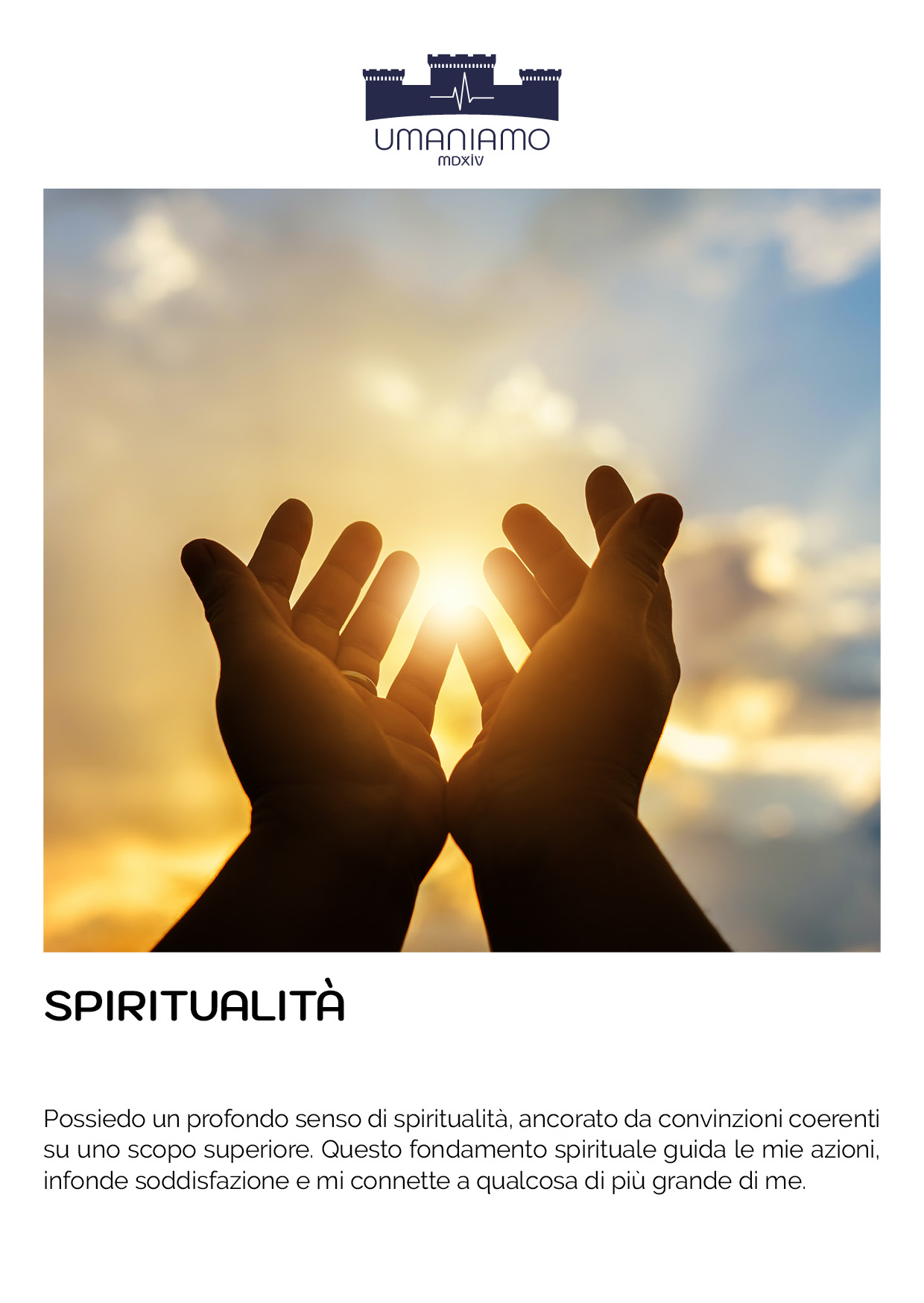
Questo esame è un invito a notare come hai vissuto il significato, la riverenza o la connessione con qualcosa di sacro questa settimana. Il sacro può essere nominato esplicitamente o percepito silenziosamente attraverso la presenza, il timore reverenziale, l'umiltà o l'amore. Procedi lentamente. Non è necessario rispondere a ogni domanda. È sufficiente un momento di sincera consapevolezza.
Dove hai percepito profondità questa settimana, qualcosa che ti è sembrato più che ordinario? Nomina il momento, senza ancora interpretarlo.
Potrebbe essere apparso:
nel silenzio o nella preghiera
nella natura, nel fuoco o nel calore
in un momento di umiltà o perdono
nella presenza condivisa con un'altra persona
nella bellezza, nel timore reverenziale o nella gratitudine
Quali schemi noti riguardo al significato o allo scopo? Guarda gli schemi, non gli ideali.
Quando ti senti più in sintonia con chi sei destinato a essere?
Quando la vita ti sembra vuota, frenetica o disconnessa?
Quali condizioni sembrano aprirti a un senso di sacralità?
In che modo questi momenti di connessione o disconnessione hanno influenzato le tue relazioni? La spiritualità spesso si rivela attraverso il modo in cui ci presentiamo.
Eri più paziente, presente o con i piedi per terra?
Gli altri sembravano sentirsi più a loro agio con te?
In quali casi la distrazione o il rumore interiore hanno diminuito la tua capacità di stare con gli altri?
Se questi modelli continuano, che tipo di vita stanno plasmando? Lascia che questa sia una domanda, non una conclusione.
Quale senso di scopo sta emergendo silenziosamente?
Cosa potrebbe richiedere maggiore attenzione o riverenza?
Dove percepisci un invito a crescere, non attraverso lo sforzo, ma attraverso l'allineamento?
Qual è un piccolo atto di riverenza o allineamento che puoi scegliere questa settimana? Scegli qualcosa di appropriato, non di impressionante.
Potrebbe essere:
creare spazio per il silenzio
accudire intenzionalmente un fuoco o una candela
condividere vino o cibo con gratitudine
uscire all'aperto per notare la bellezza
rallentare un momento che di solito viene affrettato
Scegli qualcosa di appropriato, non di impressionante.
Dopo aver fatto quel passo, cosa hai notato? La spiritualità viene spesso riconosciuta dopo il fatto.
Il tuo senso di presenza si è approfondito?
Il significato ti è sembrato più chiaro o più tranquillo?
La gioia è emersa come eccitazione o come giustezza?
Una nota sulla carta della spiritualità REDISCOVER U®
La carta della spiritualità riflette questa stessa forza: la capacità umana di cercare e rispondere a ciò che è sacro, che sia chiamato Dio, scopo, significato o mistero. La riflessione e l'affermazione sul retro della carta possono approfondire questo Esame o la Conversazione a tavola, se scegli di usarli. Sono offerti come accompagnamento, non come requisito.
Dr. Rhett Bogacz, DC, Health & Embodied Formation
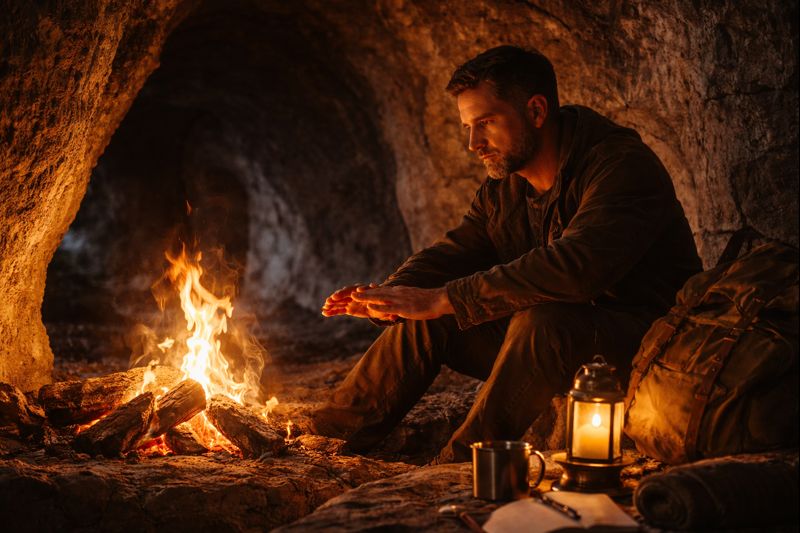
By the third week of Advent, something important happens in the body, not just the spirit.
The waiting shifts. The restraint starts to make sense and a different kind of energy shows up.
This week’s health practice, “Fire in the Cave” invites us to talk about something men rarely discuss honestly: vitality. Not just physical strength, but the deeper sense of being charged, grounded, and present in your own body. Most modern men are tired in a very specific way. Not lazy. Not unmotivated. Just overheated in the wrong places and under-energized in the right ones. We sit too long, think too much, carry stress silently, and mistake constant stimulation for strength.
Ancient cultures understood something we’ve forgotten: heat is medicine when it moves.
Sweat was never seen as just wet skin to cool the body or something to dry off. It was regulation. A way the body released pressure, restored balance, and recalibrated the nervous system. Heat…whether from work, fire, steam, or exertion was a ritual return to the body. A reminder that vitality doesn’t come from accumulation, but from circulation.
That’s why this week pairs fire with wine. Wine doesn’t energize through force. It opens through warmth. It relaxes what has been held too tightly. It brings joy not by adding something new, but by allowing what’s already there to flow. Fire does the same thing when approached with reverence. Here’s the key distinction worth talking about around the table:
There’s a difference between burnout and burning clean. Burnout comes from pressure without release. Clean burning comes from effort followed by discharge. Think about how different it feels to collapse exhausted versus sweating intentionally through movement, heat, or honest work. One drains you. The other restores you.
This is especially important for men. When vitality drops, men don’t always slow down, we harden and sometimes speed up. We become more irritable, more withdrawn, more impulsive. We push instead of circulate. We numb instead of release.
So here are a few questions worth sitting with no pressure to answer perfectly:
Where in your life does energy feel stuck instead of flowing?
What helps your body discharge stress in a way that actually restores you?
When was the last time you sweat on purpose—not to punish yourself, but to feel alive?
What changes when effort is followed by rest, warmth, or shared joy?
You might notice this week that conversation feels easier. That laughter comes quicker. That the body feels more present. That’s not accidental, it’s a sign that something is recalibrating.
Purpose: Restore circulation and discharge stored stress
Choose one:
Brisk walk with hills (20–30 minutes)
Manual labor (wood, yard work, cleaning with effort)
Sauna / steam / hot bath followed by cool air
Strength training without headphones or screens
Guideline: Sweat until breathing deepens and the mind quiets not until exhaustion.
Reflection afterward:Do I feel clearer, calmer, or more present than before?
About Dr. Rhett
Dr. Rhett Bogacz is a chiropractor and educator focused on posture, breath, and nervous system regulation. His work supports embodied formation and long-term resilience.
Entro la terza settimana dell'Avvento, qualcosa di importante accade nel corpo, non solo nello spirito.
L'attesa cambia. La moderazione inizia ad avere senso e si manifesta un diverso tipo di energia.
La pratica salutare di questa settimana, “Fuoco nella caverna”, ci invita a parlare di qualcosa di cui gli uomini raramente discutono onestamente: la vitalità. Non solo la forza fisica, ma il senso più profondo di essere carichi, radicati e presenti nel proprio corpo. La maggior parte degli uomini moderni è stanca in un modo molto specifico. Non sono pigri. Non sono demotivati. Sono solo surriscaldati nei punti sbagliati e privi di energia in quelli giusti. Stiamo seduti troppo a lungo, pensiamo troppo, sopportiamo lo stress in silenzio e scambiamo la stimolazione costante per forza.
Le culture antiche capivano qualcosa che noi abbiamo dimenticato: il calore è una medicina quando è in movimento.
Il sudore non è mai stato visto solo come pelle bagnata per raffreddare il corpo o qualcosa da asciugare. Era una regolazione. Un modo in cui il corpo rilasciava la pressione, ripristinava l'equilibrio e ricalibrava il sistema nervoso. Il calore... che provenisse dal lavoro, dal fuoco, dal vapore o dallo sforzo fisico, era un rituale di ritorno al corpo. Un promemoria che la vitalità non deriva dall'accumulo, ma dalla circolazione.
Ecco perché questa settimana abbiniamo il fuoco al vino. Il vino non dà energia con la forza. Si apre con il calore. Rilassa ciò che è stato tenuto troppo stretto. Porta gioia non aggiungendo qualcosa di nuovo, ma permettendo a ciò che è già lì di fluire. Il fuoco fa la stessa cosa quando viene avvicinato con riverenza. Ecco la distinzione fondamentale di cui vale la pena parlare a tavola:
C'è una differenza tra burnout e combustione pulita. Il burnout deriva dalla pressione senza rilascio. La combustione pulita deriva dallo sforzo seguito dallo scarico. Pensate a quanto sia diverso sentirsi esausti rispetto a sudare intenzionalmente attraverso il movimento, il calore o il lavoro onesto. Uno vi prosciuga. L'altro vi rigenera.
Questo è particolarmente importante per gli uomini. Quando la vitalità cala, gli uomini non sempre rallentano, ma si irrigidiscono e talvolta accelerano. Diventiamo più irritabili, più introversi, più impulsivi. Spingiamo invece di circolare. Intorpidiamo invece di liberarci.
Ecco quindi alcune domande su cui vale la pena riflettere senza la pressione di dover rispondere in modo perfetto:
In quale ambito della vostra vita sentite che l'energia è bloccata invece che fluire?
Cosa aiuta il vostro corpo a scaricare lo stress in modo da rigenerarvi davvero?
Quando è stata l'ultima volta che avete sudato intenzionalmente, non per punirvi, ma per sentirvi vivi?
Cosa cambia quando lo sforzo è seguito da riposo, calore o gioia condivisa?
Questa settimana potreste notare che conversare è più facile. Che le risate arrivano più rapidamente. Che il corpo si sente più presente. Non è un caso, è un segno che qualcosa si sta ricalibrando.
Scopo: ripristinare la circolazione e scaricare lo stress accumulato
Scegliete una delle seguenti opzioni:
Camminata veloce in salita (20-30 minuti)
Lavoro manuale (legna, giardinaggio, pulizie faticose)
Sauna / bagno turco / bagno caldo seguito da aria fresca
Allenamento di forza senza cuffie o schermi
Linee guida: Sudare fino a quando il respiro si fa più profondo e la mente si calma, non fino all'esaurimento.
Riflessione dopo:Mi sento più lucido, più calmo o più presente rispetto a prima?
Informazioni sul dottor Rhett
Il dottor Rhett Bogacz è un chiropratico ed educatore specializzato in postura, respirazione e regolazione del sistema nervoso. Il suo lavoro sostiene la formazione incarnata e la resilienza a lungo termine.
Paolo Vizziello, Formation, Discipline & Daily Practice
For me, spirituality is not something abstract, but something you experience, and it often takes the form of simple objects that accompany you over time. My Vespa is forty-three years old, and it's not just a motorbike: it's a presence. It has left me stranded several times, it's true, it has made me get my hands dirty, waste time, change plans. Yet each time it has reminded me that value does not lie in perfection or absolute reliability, but in the bond that is created by overcoming difficulties together. Getting on it is a slow, almost ritualistic gesture.
In those moments, I feel rich: rich in history, patience, and freedom gained inch by inch. It is a wealth that cannot be measured in speed or performance, but in the ability to be present and grateful for the journey, even and especially when it is not linear.
About Paolo
Paolo Vizziello is a craftsman and formation guide whose reflections focus on discipline, presence, and daily practice rooted in lived experience.
Per me la spiritualità non è qualcosa di astratto, ma qualcosa che si vive, e spesso prende la forma di oggetti semplici che ti accompagnano nel tempo. La mia Vespa ha quarantatré anni, e non è solo una moto: è una presenza. Mi ha lasciato a piedi più volte, è vero, mi ha fatto sporcare le mani, perdere tempo, cambiare programmi. Eppure ogni volta mi ha ricordato che il valore non sta nella perfezione o nell’affidabilità assoluta, ma nel legame che si crea attraversando le difficoltà insieme. Salirci sopra è un gesto lento, quasi rituale.
In quei momenti mi sento ricco: ricco di storia, di pazienza, di libertà conquistata centimetro dopo centimetro. È una ricchezza che non si misura in velocità o prestazioni, ma nella capacità di essere presente e grato per il viaggio, anche e soprattutto quando non è lineare.
Informazioni su Paolo
Paolo Vizziello è un artigiano e guida alla formazione le cui riflessioni si concentrano sulla disciplina, la presenza e la pratica quotidiana radicata nell'esperienza vissuta.
Paolo Vizziello, Formation, Discipline & Daily Practice
For me, financial sense also comes from the same place as my relationship with my Vespa: the ability to value time, care, and continuity. Keeping a 43-year-old vehicle alive means accepting that something will eventually break down, and choosing to move forward anyway, prepared and without anxiety.
It is the same principle that guides my economic choices: I prefer to invest little by little, maintain what I have, and anticipate the unexpected as much as possible, rather than chasing the illusion of the new at all costs. It is freedom. When you are not a slave to payments or unnecessary expenses, you realize that true wealth lies in being able to manage breaks, unexpected events, and new beginnings with calm. As with that Vespa, even with money, I am interested in arriving serenely, with something that still has a story to tell.
Anche il senso finanziario, per me, nasce dallo stesso luogo da cui nasce il rapporto con la mia Vespa: la capacità di dare valore al tempo, alla cura e alla continuità. Tenere in vita un mezzo di quarantatré anni significa accettare che qualcosa prima o poi si fermerà, e scegliere comunque di andare avanti preparati, senza ansia.
È lo stesso principio che guida le mie scelte economiche: preferisco investire poco alla volta, mantenere ciò che ho, prevedere, per quanto possibile gli imprevisti, piuttosto che inseguire l’illusione del nuovo a tutti i costi. È libertà. Quando non sei schiavo di rate o spese inutili, ti accorgi che la vera ricchezza sta nel poter gestire le pause, gli imprevisti e le ripartenze con calma. Come su quella Vespa, anche con il denaro, mi interessa arrivare sereno, con qualcosa che abbia ancora una storia da raccontare.
Jake Claxton, Fatherhood, Formation & the Track
By the third week of Advent, I usually notice something shift not in my schedule, but in my body. The urgency eases a bit andI can tell whether I’ve been listening to myself or just pushing through. This week’s theme of Spirituality has helped me see that listening is not passive. It’s a skill. And for men especially, it’s one we’re rarely taught. In motocross and physical training, everything depends on alignment. If your body is tense in the wrong places, power doesn’t transfer. You can have strength, speed, and experience, but if you’re not aligned, you’ll burn out or crash. Spirituality works the same way.
It’s not about belief alone. It’s about whether your inner life and outer actions are moving together. When they’re not, you feel it: irritability, distraction, restlessness, or a kind of dull fatigue that sleep doesn’t fix. I’ve learned that when I’m disconnected spiritually, I don’t slow down, I push more and grip tighter. I get less patient with my kids, less present with my wife, and less aware of what’s actually going on inside me. That’s usually my signal.
This week’s image of fire in the cave resonates deeply. Fire is powerful, but only when it’s contained. Too much exposure and it burns. Too little and it goes out. The cave doesn’t eliminate the fire it gives it the right conditions to do its work.
For me, spirituality looks like creating those conditions. Sometimes it’s sweat… moving my body until tension releases. Other times it’s silence working quietly in the shop and letting my thoughts settle. I see this most clearly with my sons. When they’re overstimulated or exhausted, they act out. When they’re regulated after playing or focused attention they are calmer, listen and connect better with us and each other.
Adults aren’t much different. Spirituality, for me, has become less about answers and more about attention. Paying attention to when I feel grounded. When I feel distant. When something feels sacred not because it’s dramatic, but because it’s real. This week, I’m practicing reverence in small ways. Slowing moments that usually get rushed. Treating rest as intentional, not lazy. Letting joy arrive without forcing it. That’s the kind of spirituality I’m learning to trust.
About Jake
Jake Claxton is a husband, father of two sons, and founder of Ride By Design. His reflections draw from family life, faith, and lessons learned on the motocross track.
Entro la terza settimana di Avvento, di solito noto un cambiamento non nella mia agenda, ma nel mio corpo. L'urgenza si attenua un po' e riesco a capire se ho ascoltato me stessa o se ho semplicemente continuato ad andare avanti. Il tema di questa settimana, la spiritualità, mi ha aiutato a capire che ascoltare non è un atto passivo. È un'abilità. E soprattutto per gli uomini, è un'abilità che raramente ci viene insegnata. Nel motocross e nell'allenamento fisico, tutto dipende dall'allineamento. Se il corpo è teso nei punti sbagliati, la potenza non viene trasferita. Si può avere forza, velocità ed esperienza, ma se non si è allineati, ci si esaurisce o si cade. La spiritualità funziona allo stesso modo.
Non si tratta solo di fede. Si tratta di capire se la tua vita interiore e le tue azioni esteriori sono in sintonia. Quando non lo sono, lo senti: irritabilità, distrazione, irrequietezza o una sorta di stanchezza sorda che il sonno non riesce a curare. Ho imparato che quando sono spiritualmente disconnesso, non rallento, ma spingo di più e stringo più forte. Divento meno paziente con i miei figli, meno presente con mia moglie e meno consapevole di ciò che sta realmente accadendo dentro di me. Questo è solitamente il mio segnale.
L'immagine di questa settimana del fuoco nella caverna mi colpisce profondamente. Il fuoco è potente, ma solo quando è contenuto. Se esposto troppo, brucia. Se esposto troppo poco, si spegne. La caverna non elimina il fuoco, ma gli fornisce le condizioni giuste per svolgere il suo lavoro.
Per me, la spiritualità consiste nel creare queste condizioni. A volte è sudore... muovere il mio corpo fino a quando la tensione non si allenta. Altre volte è il silenzio che lavora tranquillamente nel negozio e lascia che i miei pensieri si calmino. Lo vedo più chiaramente con i miei figli. Quando sono sovraeccitati o esausti, si comportano male. Quando sono regolati dopo aver giocato o concentrato la loro attenzione, sono più calmi, ascoltano e si relazionano meglio con noi e tra di loro.
Gli adulti non sono molto diversi. La spiritualità, per me, è diventata meno una questione di risposte e più una questione di attenzione. Prestare attenzione a quando mi sento radicato. Quando mi sento distante. Quando qualcosa mi sembra sacro non perché è drammatico, ma perché è reale. Questa settimana sto praticando la riverenza in piccoli modi. Rallentando i momenti che di solito sono frenetici. Trattando il riposo come intenzionale, non pigro. Lasciando che la gioia arrivi senza forzarla. Questo è il tipo di spiritualità di cui sto imparando a fidarmi.
Informazioni su Jake
Jake Claxton è marito, padre di due figli e fondatore di Ride By Design. Le sue riflessioni traggono ispirazione dalla vita familiare, dalla fede e dalle lezioni apprese sulla pista di motocross.
A San Martino ogni mosto è vino
“At San Martino, every must is wine” is said because around November, the fermentation of the grapes is now complete and the must, left to rest for the necessary time, becomes wine ready to drink. The proverb reminds us that transformations require patience and that what is unripe at the beginning, if respected in its own time, can mature and find its best form.
“A San Martino ogni mosto è vino” si dice perché intorno a novembre la fermentazione dell’uva è ormai conclusa e il mosto, lasciato riposare il tempo necessario, diventa vino pronto da bere. Il proverbio ricorda che le trasformazioni hanno bisogno di pazienza e che ciò che all’inizio è acerbo, se rispettato nei suoi tempi, può maturare e trovare la sua forma migliore.
Mulled Wine | Vin brûlé

In Italy, vin brûlé appears as the cold deepens and Advent unfolds. It is not a drink of excess, but of warmth and welcome: wine gently heated with citrus, spices, and time. Fire transforms it. Patience refines it. Shared slowly, it gladdens without rushing the heart.
Vin brûlé belongs to Advent Week III because it teaches the same wisdom as the season itself: joy matures when warmth is contained, when sweetness is released carefully, and when waiting is honored rather than resisted. This is rejoicing that stays grounded, wine made fit for winter, and for the work still ahead. Mulled wine, or vin brûlé, carries a long memory. Its origins reach back to Ancient Rome, where wine was gently heated and blended with honey and saffro, not for excess, but for warmth, preservation, and conviviality. In the Middle Ages, this practice evolved into hippocras, a spiced wine shared at tables and celebrations, believed to strengthen the body and lift the spirit during the cold months.
Today, vin brûlé is most familiar in the mountain villages of northern Italy and across northern Europe, where it fills Christmas markets with steam, spice, and quiet joy. It is not a drink to rush. It is something you hold with both hands, often outdoors, letting the warmth move slowly inward.
That is why vin brûlé belongs so naturally to Advent Week III.
Wine, when warmed, teaches restraint. Fire transforms without burning. Sweetness is released gradually. And joy appears, not loudly, but steadily, just as Gaudete Sunday invites us to rejoice because something good is already taking shape.
Vin brûlé is not about intoxication. It is about presence. About pausing long enough to feel warmth return to the body, to share conversation, to remember that waiting can still be joyful.
1 liter red wine
150 g sugar
1 orange
1 lemon
2 cinnamon sticks
1 star anise
8 cloves
½ grated nutmeg
1 small apple
Wash the orange and lemon thoroughly. Remove the zest carefully, avoiding the white pith, which can make the wine bitter.
Wash the apple and cut it into thin slices.
Pour the sugar into a saucepan. Add the cinnamon sticks, cloves, star anise, apple slices, citrus zest, and half a grated nutmeg.
Pour in the red wine and place the pan over medium heat.
Bring gently to a boil and let simmer for about 5 minutes, until the sugar has fully dissolved and the aromas begin to rise.
Turn off the heat and let the mixture rest for 1–2 minutes.
Serve hot.
To complete the moment, enjoy vin brûlé with simple cookies or a slice of cake, and—most importantly—with people. Vin brûlé reminds us that joy does not require excess. It requires warmth, time, and company.
In Italia, il vin brûlé fa la sua comparsa con l'arrivo del freddo e l'avvicinarsi dell'Avvento. Non è una bevanda da consumare in eccesso, ma che infonde calore e accoglienza: vino delicatamente riscaldato con agrumi, spezie e tempo. Il fuoco lo trasforma. La pazienza lo raffina. Condiviso lentamente, rallegra senza affrettare il cuore.
Il vin brûlé appartiene alla terza settimana dell'Avvento perché insegna la stessa saggezza della stagione stessa: la gioia matura quando il calore è contenuto, quando la dolcezza viene rilasciata con attenzione e quando l'attesa è onorata piuttosto che contrastata. È una gioia che rimane con i piedi per terra, un vino adatto all'inverno e al lavoro che ancora ci aspetta. Il vin brulé, o vin brûlé, porta con sé un lungo ricordo. Le sue origini risalgono all'antica Roma, dove il vino veniva leggermente riscaldato e mescolato con miele e zafferano, non per eccesso, ma per calore, conservazione e convivialità. Nel Medioevo, questa pratica si è evoluta nell'ippocrasso, un vino speziato condiviso a tavola e durante le celebrazioni, che si credeva rafforzasse il corpo e sollevasse lo spirito durante i mesi freddi.
Oggi, il vin brûlé è molto diffuso nei villaggi di montagna del nord Italia e in tutto il nord Europa, dove riempie i mercatini di Natale di vapore, spezie e tranquilla allegria. Non è una bevanda da consumare in fretta. È qualcosa che si tiene con entrambe le mani, spesso all'aperto, lasciando che il calore si diffonda lentamente all'interno.
Ecco perché il vin brûlé appartiene così naturalmente alla terza settimana di Avvento.
Il vino, quando viene riscaldato, insegna la moderazione. Il fuoco trasforma senza bruciare. La dolcezza viene rilasciata gradualmente. E la gioia appare, non in modo rumoroso, ma costante, proprio come la domenica Gaudete ci invita a rallegrarci perché qualcosa di buono sta già prendendo forma.
Il vin brûlé non è una questione di ebbrezza. È una questione di presenza. Si tratta di fermarsi abbastanza a lungo da sentire il calore tornare nel corpo, condividere una conversazione, ricordare che l'attesa può ancora essere gioiosa.
1 litro di vino rosso
150 g di zucchero
1 arancia
1 limone
2 bastoncini di cannella
1 anice stellato
8 chiodi di garofano
½ noce moscata grattugiata
1 mela piccola
Lavate accuratamente l'arancia e il limone. Rimuovete con cura la scorza, evitando la parte bianca, che può rendere il vino amaro.
Lavare la mela e tagliarla a fettine sottili.
Versare lo zucchero in una casseruola. Aggiungere i bastoncini di cannella, i chiodi di garofano, l'anice stellato, le fettine di mela, la scorza degli agrumi e mezza noce moscata grattugiata.
Versare il vino rosso e mettere la casseruola a fuoco medio.
Portare delicatamente a ebollizione e lasciare sobbollire per circa 5 minuti, fino a quando lo zucchero si sarà completamente sciolto e gli aromi inizieranno a sprigionarsi.
Spegnere il fuoco e lasciare riposare il composto per 1-2 minuti.
Servire caldo.
Per completare il momento, gustate il vin brûlé con dei semplici biscotti o una fetta di torta e, soprattutto, in compagnia. Il vin brûlé ci ricorda che la gioia non richiede eccessi. Richiede calore, tempo e compagnia.
Wine and the Spirit to Rejoice
In Matera, there are places that do not shout for attention. They wait.
TAU – Libri e Articoli Religiosi is one of those places.
Tucked into the stone rhythms of the city, TAU feels less like a store and more like a pause in the day, a space where time slows, hands remember, and meaning is not outsourced. Nearly everything inside is made in Italy, often by hand, often by families, often by artisans whose work is closer to prayer than production.
In a world flooded with cheap replicas and mass-produced symbols, TAU quietly insists on something different: reverence made tangible.
The name TAU is not accidental. For St. Francis of Assisi, the Tau was a sign of blessing, protection, and conversion. It marked those who chose humility over excess, presence over possession, and faith lived through action rather than display. Francis signed his letters with the Tau. He carved it into walls. He carried it as a reminder that spirituality is not abstract—it is embodied. The Tau is the final letter of the Hebrew alphabet. It signifies completion, fulfillment, and covenant.
In the context of Advent Week III, Gaudete Sunday, this matters. Rejoicing does not come from accumulation. It comes from integration.
This week’s Advent food is wine, and the parallel is unmistakable. Wine cannot be rushed and neither can faith; both require: patience, pressure, time, care, and restraint. A good wine, like a meaningful spiritual life, is the result of fermentation of transformation under conditions that are not always comfortable. TAU reflects this same ethic. These are not objects meant to impress. They are objects meant to endure, to be held, used, worn, prayed with, passed on.
Icons, rosaries, handcrafted images, simple devotional items each carries the marks of time, touch, and intention. This is spirituality that has weight.
TAU offers more than products. It offers points of return. A rosary that stays in your pocket. An icon that meets your eyes at the start of the day. A small object that reminds you, quietly that joy is not found in excess, but in attention.
There is something quietly radical about choosing what is well-made, local, and meaningful in an age of disposability. Reverence, today, is resistance. It resists speed. It resists noise. It resists the idea that everything sacred must be cheapened to be accessible. TAU reminds us that spirituality does not need to be dramatic to be deep. It needs to be faithful.
Gaudete Sunday invites us to rejoice—not because the journey is over, but because it is working. In a place like TAU, you feel that truth. Joy here is not loud. It is steady. It is the joy of things made with care, chosen with intention, and lived with reverence. As Advent moves forward, TAU stands as a quiet witness: that the spirit matures when we slow down, that joy deepens when it is shared, and that what is made with love still matters.
About Tao
Tau is a Christian gallery and shop in Matera, Italy in central historic district.
→ About Tau
A Matera ci sono luoghi che non reclamano attenzione. Aspettano.
TAU – Libri e Articoli Religiosi è uno di questi luoghi.
Nascosto tra i ritmi di pietra della città, TAU sembra meno un negozio e più una pausa nella giornata, uno spazio dove il tempo rallenta, le mani ricordano e il significato non viene esternalizzato. Quasi tutto ciò che si trova all'interno è prodotto in Italia, spesso a mano, spesso da famiglie, spesso da artigiani il cui lavoro è più simile alla preghiera che alla produzione.
In un mondo invaso da repliche economiche e simboli prodotti in serie, TAU insiste silenziosamente su qualcosa di diverso: la riverenza resa tangibile.
Il nome TAU non è casuale. Per San Francesco d'Assisi, il Tau era un segno di benedizione, protezione e conversione. Contrassegnava coloro che sceglievano l'umiltà piuttosto che l'eccesso, la presenza piuttosto che il possesso, e la fede vissuta attraverso l'azione piuttosto che l'ostentazione. Francesco firmava le sue lettere con il Tau. Lo incideva sui muri. Lo portava con sé come promemoria del fatto che la spiritualità non è astratta, ma incarnata. Il Tau è l'ultima lettera dell'alfabeto ebraico. Significa completamento, realizzazione e alleanza.
Nel contesto della terza settimana di Avvento, la domenica Gaudete, questo è importante. La gioia non deriva dall'accumulo. Deriva dall'integrazione.
Il cibo dell'Avvento di questa settimana è il vino, e il parallelo è inequivocabile. Il vino non può essere affrettato e nemmeno la fede; entrambi richiedono: pazienza, pressione, tempo, cura e moderazione. Un buon vino, come una vita spirituale significativa, è il risultato della fermentazione della trasformazione in condizioni che non sono sempre confortevoli. TAU riflette questa stessa etica. Questi non sono oggetti destinati a impressionare. Sono oggetti destinati a durare, ad essere tenuti, usati, indossati, pregati, tramandati.
Icone, rosari, immagini artigianali, semplici oggetti di devozione: ognuno di essi porta i segni del tempo, del tocco e dell'intenzione. Questa è spiritualità che ha peso.
TAU offre più che semplici prodotti. Offre punti di ritorno. Un rosario che rimane nella tua tasca. Un'icona che incontra il tuo sguardo all'inizio della giornata. Un piccolo oggetto che ti ricorda, silenziosamente, che la gioia non si trova nell'eccesso, ma nell'attenzione.
C'è qualcosa di silenziosamente radicale nello scegliere ciò che è ben fatto, locale e significativo in un'epoca dell'usa e getta. La reverenza, oggi, è resistenza. Resiste alla velocità. Resiste al rumore. Resiste all'idea che tutto ciò che è sacro debba essere svalutato per essere accessibile. TAU ci ricorda che la spiritualità non ha bisogno di essere drammatica per essere profonda. Ha bisogno di essere fedele.
La domenica di Gaudete ci invita a rallegrarci, non perché il viaggio è finito, ma perché sta funzionando. In un luogo come TAU, si percepisce questa verità. Qui la gioia non è rumorosa. È costante. È la gioia delle cose fatte con cura, scelte con intenzione e vissute con riverenza. Mentre l'Avvento avanza, TAU rimane una testimonianza silenziosa: che lo spirito matura quando rallentiamo, che la gioia si approfondisce quando è condivisa e che ciò che è fatto con amore ha ancora importanza.
Informazioni su Tao
Tau è una galleria e un negozio cristiano a Matera, in Italia, nel centro storico.
Cosiamo, Founder UMANIAMO® | Formation & Architecture
By the third week of Advent, something shifts. The waiting is no longer restless, and the fire we touched earlier begins to settle into warmth. This week invites us to notice what is maturing quietly within us—through spirituality, reverence, and the slow joy that comes not from intensity, but from alignment. As the fire steadies and the wine matures, Advent now turns toward sweetness, inviting us in the final week to receive honey: a clearer vision of what has been forming, and the hope strong enough to carry it forward into the light.
In the Italian tradition, name days quietly honor lives that carried faith, courage, and fidelity—often in unseen ways. This week’s onomastici echo Advent’s movement from preparation toward revelation.
22 December – Santa Francesca Saverio Cabrini
Patroness of migrants; a woman of deep faith, endurance, and practical charity.
23 December – San Giovanni da Kęty
Scholar and priest known for humility, learning, and care for the poor.
24 December – Vigilia di Natale
A day of watchfulness and waiting. No name—only readiness.
25 December – Natale
The feast itself transcends all names.
26 December – Santo Stefano
The first martyr; courage born from conviction.
27 December – San Giovanni Evangelista
The beloved disciple; witness to love made flesh.
28 December – Santi Innocenti
A solemn remembrance of vulnerability, loss, and the cost of truth entering the world.
Entro la terza settimana dell'Avvento, qualcosa cambia. L'attesa non è più inquieta e il fuoco che abbiamo toccato in precedenza comincia a trasformarsi in calore. Questa settimana ci invita a notare ciò che sta maturando silenziosamente dentro di noi, attraverso la spiritualità, la riverenza e la gioia lenta che non deriva dall'intensità, ma dall'armonia. Mentre il fuoco si stabilizza e il vino matura, l'Avvento si trasforma ora in dolcezza, invitandoci nell'ultima settimana a ricevere il miele: una visione più chiara di ciò che si è formato e la speranza abbastanza forte da portarlo avanti verso la luce.
Nella tradizione italiana, i giorni dei santi onorano silenziosamente le vite che hanno portato fede, coraggio e fedeltà, spesso in modi invisibili. Gli onomastici di questa settimana riecheggiano il movimento dell'Avvento dalla preparazione alla rivelazione.
22 dicembre – Santa Francesca Saverio CabriniPatrona dei migranti; una donna di profonda fede, resistenza e carità pratica.
23 dicembre – San Giovanni da KętyStudioso e sacerdote noto per la sua umiltà, la sua erudizione e la sua cura dei poveri.
24 dicembre – Vigilia di NataleUn giorno di veglia e di attesa. Nessun nome, solo prontezza.
25 dicembre – NataleLa festa stessa trascende ogni nome.
26 dicembre – Santo StefanoIl primo martire; coraggio nato dalla convinzione.
27 dicembre – San Giovanni EvangelistaIl discepolo amato; testimone dell'amore incarnato.
28 dicembre – Santi InnocentiUn solenne ricordo della vulnerabilità, della perdita e del costo della verità che entra nel mondo.