The Builder's Rule of Life
Formation Library → Sunday Table → The Builders Rule of Life
January 19 - 25, 2026
Cosiamo, Founder UMANIAMO® | Formation & Architecture
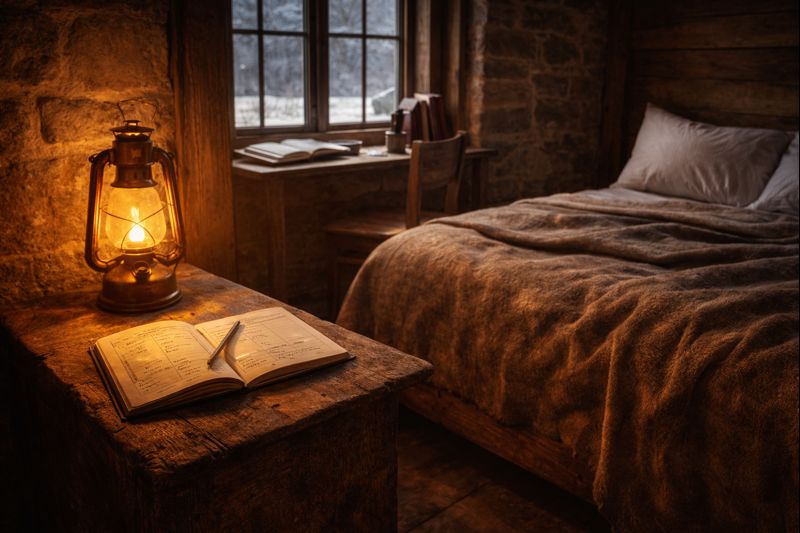
By this point in winter, something becomes clear. Motivation is no longer a reliable companion. The novelty of new intentions has faded. The days are still cold, the light still thin, and the body still conserving energy whether we like it or not. What remains is not enthusiasm, but reality. This is where builders are revealed.
A builder does not rely on mood. He relies on structure. Not rigid structure meant to control life, but living structure that protects what matters when willpower weakens. That is what a Rule of Life is for. A Rule of Life is not a self-improvement plan. It is not an aspirational schedule or a list of disciplines meant to impress God or others. It is something far older and far simpler: a set of agreed-upon rhythms that make it possible to remain human under pressure.
Historically, rules of life emerged in hard seasons, not comfortable ones. They were created by people who understood that without rhythm, even good intentions dissolve. They understood that fidelity is not sustained by intensity, but by repetition. This week’s Sunday Table invites us to consider a quiet but demanding question:
Not what you wish you did. Not what you did once. But what actually holds. This is why we return again to Strengths & Accountability as Temple Virtues. Strengths are not traits to perform; they are the ways of thinking, relating, deciding, and acting that cost us the least energy and produce the most coherence. Accountability is not external pressure; it is the interior commitment to live truthfully within limits — respecting both your dignity and the dignity of others.Together, they form the foundation of a Rule of Life that can be lived, not admired. In winter, excess collapses quickly. Overextension reveals itself in the body. Unnecessary commitments become heavy. What survives is what is simple, repeatable, and aligned with who you actually are.
A builder’s Rule of Life does not ask, How much can I do? It asks, What allows me to show up again tomorrow?
For some, that means protecting sleep. For others, it means restoring regular meals, prayer, movement, or time without screens. For many, it means choosing fewer obligations so that the ones that remain are carried with care. This is not retreat. It is preparation. Builders do not wait for ideal conditions. They create conditions that make faithfulness possible, day after day, season after season. This week is not about adding disciplines. It is about removing friction so that life can be lived with steadiness rather than strain.
The Rule of Life we explore here is not meant to be perfect. It is meant to be durable. Something that holds when motivation fades, when winter stretches on, and when the work ahead requires patience more than speed. This is how builders endure.
A questo punto dell'inverno, una cosa diventa chiara. La motivazione non è più una compagna affidabile. La novità dei nuovi propositi è svanita. Le giornate sono ancora fredde, la luce ancora scarsa e il corpo continua a conservare energia, che ci piaccia o no. Ciò che rimane non è l'entusiasmo, ma la realtà. È qui che si rivelano i costruttori.
Un costruttore non si affida all'umore. Si affida alla struttura. Non una struttura rigida pensata per controllare la vita, ma una struttura vivente che protegge ciò che conta quando la forza di volontà si indebolisce. Questo è lo scopo di una regola di vita. Una regola di vita non è un piano di auto-miglioramento. Non è un programma ambizioso o un elenco di discipline pensate per impressionare Dio o gli altri. È qualcosa di molto più antico e molto più semplice: un insieme di ritmi concordati che rendono possibile rimanere umani sotto pressione.
Storicamente, le regole di vita sono emerse in periodi difficili, non in quelli comodi. Sono state create da persone che hanno capito che senza un ritmo anche le buone intenzioni svaniscono. Hanno capito che la fedeltà non è sostenuta dall'intensità, ma dalla ripetizione. Il Sunday Table di questa settimana ci invita a considerare una domanda tranquilla ma impegnativa:
Non ciò che vorreste fare. Non ciò che avete fatto una volta. Ma ciò che effettivamente vi sostiene. Questo è il motivo per cui torniamo ancora una volta ai Punti di forza e alla Responsabilità come Virtù del Tempio. I punti di forza non sono tratti da mettere in atto; sono modi di pensare, relazionarsi, decidere e agire che ci costano meno energia e producono la massima coerenza. La responsabilità non è una pressione esterna; è l'impegno interiore a vivere in modo sincero entro certi limiti, rispettando sia la propria dignità che quella degli altri. Insieme, formano le basi di una Regola di Vita che può essere vissuta, non ammirata. In inverno, l'eccesso crolla rapidamente. L'eccessiva estensione si manifesta nel corpo. Gli impegni non necessari diventano pesanti. Ciò che sopravvive è ciò che è semplice, ripetibile e in linea con chi siete realmente.
La Regola di Vita di un costruttore non chiede: Quanto posso fare? Chiede: Cosa mi permette di presentarmi di nuovo domani?
Per alcuni, questo significa proteggere il sonno. Per altri, significa ripristinare pasti regolari, preghiera, movimento o tempo senza schermi. Per molti, significa scegliere meno obblighi in modo che quelli che rimangono siano portati avanti con cura. Questo non è un ritiro. È una preparazione. I costruttori non aspettano le condizioni ideali. Creano le condizioni che rendono possibile la fedeltà, giorno dopo giorno, stagione dopo stagione. Questa settimana non si tratta di aggiungere discipline. Si tratta di rimuovere gli attriti in modo che la vita possa essere vissuta con stabilità piuttosto che con tensione.
La regola di vita che esploriamo qui non vuole essere perfetta. Vuole essere duratura. Qualcosa che resista quando la motivazione svanisce, quando l'inverno si protrae e quando il lavoro che ci aspetta richiede pazienza più che velocità. È così che i costruttori resistono.
Common Sense (Critical Thinking)
Each week, we offer two simple ways to reflect depending on how and where you find yourself.
The Table Conversation is a short, shared reflection.
It works best around a meal, in the living room, or during unhurried time with friends or family. No preparation is required, only presence.
The D.E.E.P.E.R. Examen is a longer, personal reflection.
It’s designed to be done on your own, at your own pace, with space for silence, journaling, or prayer. You don’t need to do both. Choose the one that fits your moment. Both are ways of paying attention to what has been forming you, so experience can mature into wisdom.
What actually works in my life right now?
Not in theory, not at my best but in this season, with my current energy and responsibilities. This question honors also the Promise to Care for the Whole Person, rather than forcing ideals that ignore reality.
Where might I be holding onto a plan or belief that no longer fits the evidence? Common Sense invites us to stay open to correction one of the clearest ways we Encourage Reflection and Discernment.
What decision would benefit from slowing down instead of speeding up? This is how Accountability lives in the Temple: choosing clarity over reaction, proportion over pressure.
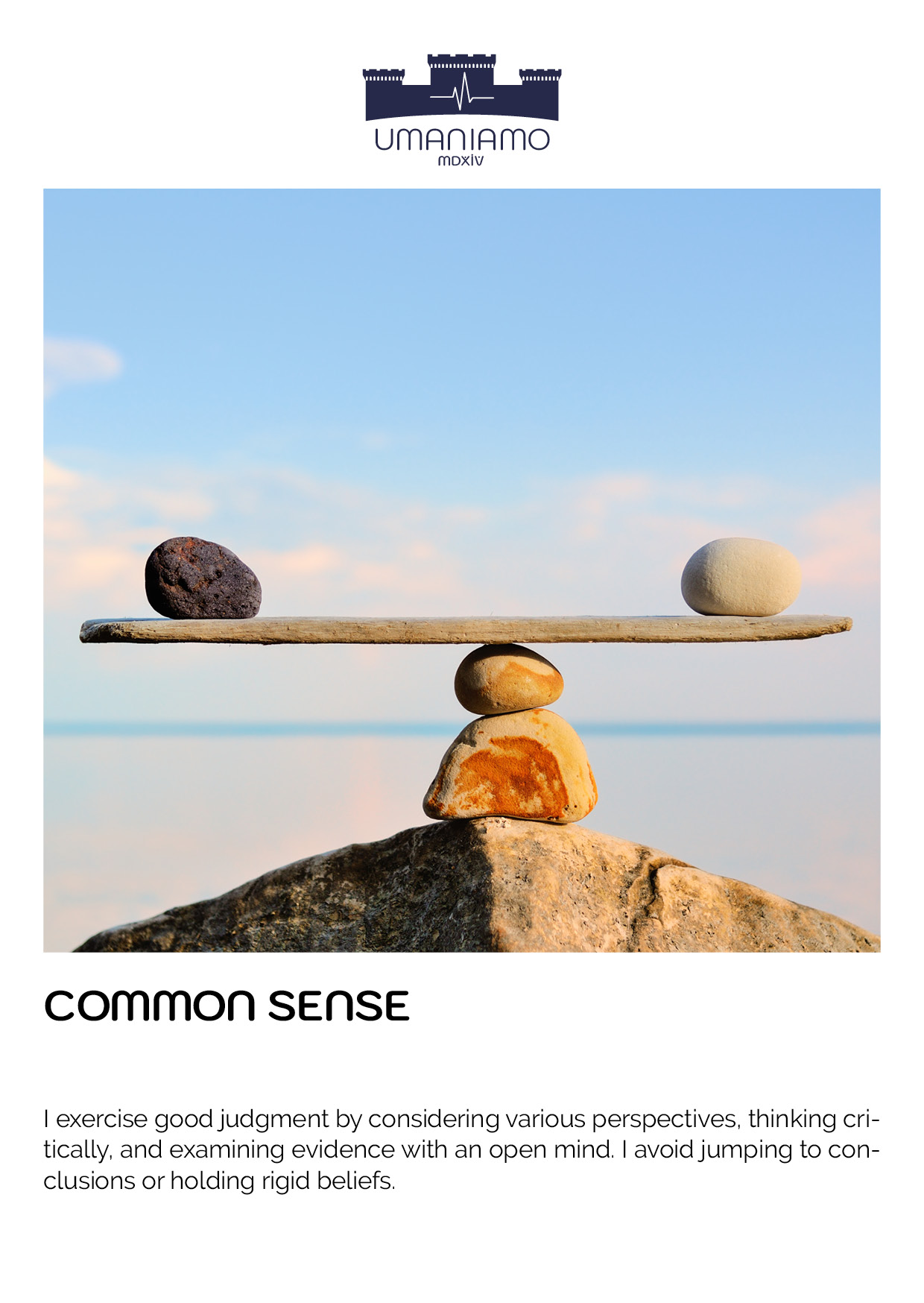
Focus: Common Sense (Critical Thinking / Judgment)
The D.E.E.P.E.R. Examen is not about self-criticism. It is about aligning how you think with what is real so leadership begins from truth rather than impulse.
Details: Where this week were you required to make decisions or judgments - name them? What situations felt mentally crowded, rushed, or unclear, make a list of what specifically happened?
Evidence: What information did you actually have? Where might habit, assumption, or pressure have filled in the gaps, how do you know? This step supports the Promise to Integrate Faith and Science honoring both meaning and evidence.
Empathy: How did your thinking affect your own wellbeing and the people around you, think about specific people and relationships? Where might openness or taking a step back have changed the tone of a decision?
Prospective: If this way of thinking continues, where is it likely to lead, visualize this future? Does it support Human Flourishing (Magis) for you and for others?
Execution: Choose one small, practical adjustment: a question you will ask before deciding, a pause before responding, evidence you may need, or an assumption you will test against reality. This is Accountability in action, not reaction.
Reflection: Sit quietly for a moment. Notice how clarity feels in the body when thought aligns with reality. Let that steadiness take root.
In REDISCOVER U®, Common Sense is not about being clever or right. It is about thinking in ways that respect reality, limits, and dignity. Within SMARTER, this strength lives in the Temple, alongside Accountability. Together, they protect inner coherence so when action is required in the Castle (outer action), it is grounded rather than reactive. This week, Common Sense is not a tool for solving everything. It is a companion for shaping a Rule of Life you can actually live.
Buon senso (pensiero critico)
Ogni settimana proponiamo due semplici modi per riflettere, a seconda di come e dove vi trovate.
La conversazione a tavola è una breve riflessione condivisa.
Funziona meglio durante un pasto, in salotto o in un momento di tranquillità con amici o familiari. Non è necessaria alcuna preparazione, solo la presenza.
L'esame D.E.E.P.E.R. è una riflessione personale più lunga.
È pensata per essere fatta da soli, al proprio ritmo, con spazio per il silenzio, la scrittura di un diario o la preghiera. Non è necessario fare entrambe le cose. Scegli quella più adatta al tuo momento. Entrambe sono modi per prestare attenzione a ciò che ti ha plasmato, in modo che l'esperienza possa maturare in saggezza.
Cosa funziona davvero nella mia vita in questo momento? Non in teoria, non al meglio delle mie possibilità, ma in questo periodo, con le mie energie e le mie responsabilità attuali. Questa domanda onora anche la promessa di prendersi cura della persona nella sua interezza, piuttosto che imporre ideali che ignorano la realtà.
Dove potrei essere aggrappato a un piano o a una convinzione che non corrisponde più alla realtà? Il buon senso ci invita a rimanere aperti alla correzione, uno dei modi più chiari per incoraggiare la riflessione e il discernimento.
Quale decisione trarrebbe beneficio dal rallentare invece che dall'accelerare? È così che la responsabilità vive nel Tempio: scegliendo la chiarezza invece della reazione, la proporzione invece della pressione.
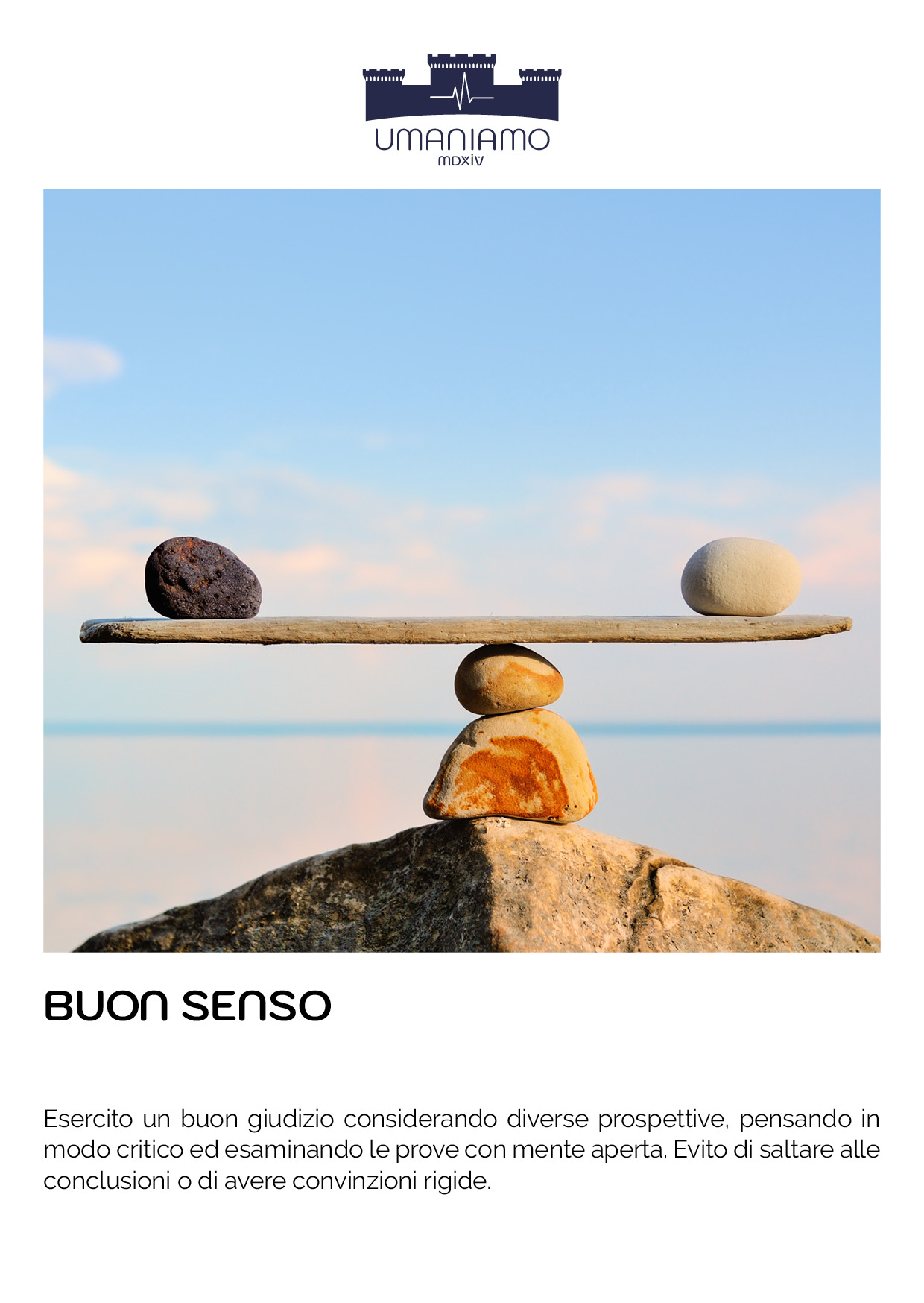
Focus: buon senso (pensiero critico / giudizio)
Il D.E.E.P.E.R. Examen non riguarda l'autocritica. Riguarda l'allineamento del proprio modo di pensare con la realtà, in modo che la leadership nasca dalla verità piuttosto che dall'impulso.
Dettagli: In quali situazioni questa settimana hai dovuto prendere decisioni o esprimere giudizi? Elencali. In quali situazioni ti sei sentito mentalmente affollato, affrettato o confuso? Fai un elenco di ciò che è successo nello specifico.
Evidenza: Di quali informazioni disponevi effettivamente? In quali casi le abitudini, le supposizioni o le pressioni potrebbero aver colmato le lacune? Come fai a saperlo? Questo passo sostiene la promessa di integrare fede e scienza onorando sia il significato che l'evidenza.
Empatia: in che modo il tuo modo di pensare ha influenzato il tuo benessere e quello delle persone che ti circondano? Pensa a persone e relazioni specifiche. In quali casi l'apertura mentale o il prendere le distanze avrebbero potuto cambiare il tono di una decisione?
Prospettiva: se questo modo di pensare continua, dove potrebbe portare? Visualizza questo futuro. Supporta la prosperità umana (Magis) per te e per gli altri?
Esecuzione: scegliete un piccolo aggiustamento pratico: una domanda da porre prima di decidere, una pausa prima di rispondere, prove di cui potreste aver bisogno o un'ipotesi da verificare nella realtà. Questa è responsabilità in azione, non reazione.
Riflessione: sedetevi in silenzio per un momento. Notate come la chiarezza si percepisce nel corpo quando il pensiero è in linea con la realtà. Lasciate che quella stabilità attecchisca.
In REDISCOVER U®, il buon senso non significa essere intelligenti o avere ragione. Significa pensare in modo da rispettare la realtà, i limiti e la dignità. All'interno di SMARTER, questa forza vive nel Tempio, insieme alla responsabilità. Insieme, proteggono la coerenza interiore, così quando è necessaria un'azione nel Castello (azione esterna), essa è fondata piuttosto che reattiva. Questa settimana, il buon senso non è uno strumento per risolvere tutto. È un compagno per plasmare una Regola di Vita che puoi effettivamente vivere.
Dr. Rhett Bogacz, DC, Health & Embodied Formation
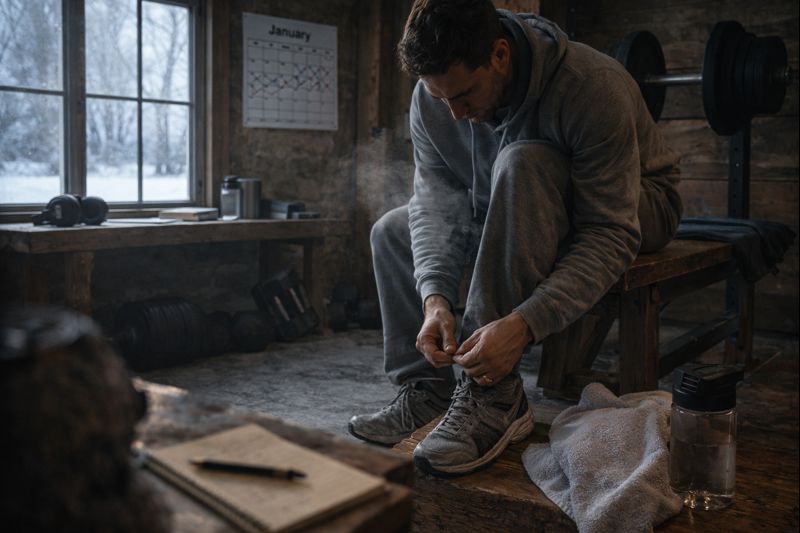
By the third week of January, something predictable happens. The surge of motivation that carried people into gyms, plans, and resolutions begins to thin. Not because people are weak. Not because they didn’t want it badly enough. But because intention alone is a poor strategy… especially in winter. This is not opinion. It’s pattern. Decades of behavioral research show the same thing: most New Year’s resolutions fail not from lack of desire, but from asking too much of systems that are already taxed. Cold, low light, disrupted sleep, circulating illness, and accumulated stress all reduce available energy. Willpower does not rise to meet that deficit. It collapses under it. This is why Common Sense matters now.
In REDISCOVER U®, we name this strength Common Sense & Critical Thinking because “judgment” sounds harsh, but the practice is actually gentle. Common sense asks a quieter, wiser question: Given the conditions I am actually in, what is reasonable to expect of myself? That question alone can restore agency.
This week’s Builder’s Rule of Life is not about adding structure to control yourself. It’s about adding simple, intelligent order so your energy stops leaking. When structure is missing, the nervous system stays on alert. When everything is optional, nothing truly rests. Winter exposes this quickly. People feel dissonance when they slow down, not because slowing is wrong, but because they’ve been conditioned to equate rest with failure. So they overcorrect: more effort, more goals, more pressure. But effort without structure or adequate energy only accelerates burnout. Common sense interrupts that cycle.
Research on strengths-based behavior consistently shows that small, repeatable actions aligned with how a person naturally operates outperform ambitious plans fueled by temporary motivation. The body trusts what is familiar, proportional, and finishable. That’s why this week’s practices are deliberately modest. They don’t rely on inspiration. They rely on completion, not perfection which is how confidence is rebuilt.
These are not productivity hacks. They are signals of inner authority to the nervous system.
Completing one small, contained task at the start of the day creates a measurable shift. Studies on habit formation show that early completion increases follow-through later, not by motivation, but by reducing cognitive load. Making the bed says: something is done. That matters more than people think.
Unfinished digital tasks keep the brain in a low-grade problem-solving state. Research on sleep and cognition shows that unresolved mental loops impair recovery even when we’re physically resting. Closing all tabs, browsers, and chat apps before bed is an act of common sense boundary-setting. You’re not abandoning responsibility, you’re scheduling it. This single habit often improves sleep quality within days.
Choose one small rhythm this week and protect it. Not a goal or resolution… a rhythm. A rhythm is something that repeats and completes, something your body and mind can trust. It should be modest enough to survive a tired day and clear enough that you know when it is finished.
Some Examples:
A 10–15 minute walk at the same time each day
A fixed bedtime ritual (closing screens, stretching, prayer, silence)
Preparing and eating one meal each day without distraction
A brief morning pause before work begins
Reading a few pages of the same book each evening
The discipline is not intensity, it is consistency. This practice is directly tied to Strengths & Accountability. Accountability here does not mean pushing harder. It means honoring the commitment you made to yourself, even when motivation fades. When a rhythm is protected, energy stabilizes. Decision fatigue decreases. The nervous system settles because it knows something reliable is coming. Research on habit formation and stress regulation shows that predictable rhythms reduce cortisol and increase resilience, especially in winter when external cues (light, warmth, social activity) are limited.
Protecting one rhythm also trains restraint:
You say no to interruptions.
You resist the urge to add more.
You let “enough” be enough.
A Builder does not construct everything at once. He establishes a foundation that can hold weight. This week, choose one rhythm and keep it intact. Let that be your Rule of Life… small, real, and sustainable.
About Dr. Rhett
Dr. Rhett Bogacz is a chiropractor and educator focused on posture, breath, and nervous system regulation. His work supports embodied formation and long-term resilience.
Entro la terza settimana di gennaio, accade qualcosa di prevedibile. L'ondata di motivazione che ha portato le persone in palestra, a fare progetti e a prendere decisioni inizia a scemare. Non perché le persone siano deboli. Non perché non lo volessero abbastanza. Ma perché la sola intenzione è una strategia inadeguata... soprattutto in inverno. Non è un'opinione. È un modello. Decenni di ricerche comportamentali dimostrano la stessa cosa: la maggior parte dei buoni propositi per l'anno nuovo fallisce non per mancanza di desiderio, ma perché si chiede troppo a sistemi già sotto pressione. Il freddo, la scarsa illuminazione, il sonno disturbato, le malattie circolanti e lo stress accumulato riducono l'energia disponibile. La forza di volontà non aumenta per colmare questo deficit. Crolla sotto il suo peso. Ecco perché ora è importante il buon senso.
In REDISCOVER U®, chiamiamo questa forza “Buon senso e pensiero critico” perché “giudizio” suona severo, ma in realtà si tratta di una pratica delicata. Il buon senso pone una domanda più tranquilla e saggia: date le condizioni in cui mi trovo, cosa è ragionevole aspettarsi da me stesso? Questa domanda da sola può ripristinare la capacità di agire.
La Regola di vita del costruttore di questa settimana non riguarda l'aggiunta di una struttura per controllare se stessi. Riguarda l'aggiunta di un ordine semplice e intelligente affinché la vostra energia smetta di disperdersi. Quando manca una struttura, il sistema nervoso rimane in allerta. Quando tutto è facoltativo, nulla riposa veramente. L'inverno lo mette rapidamente in evidenza. Le persone provano dissonanza quando rallentano, non perché rallentare sia sbagliato, ma perché sono state condizionate a equiparare il riposo al fallimento. Quindi correggono eccessivamente: più sforzo, più obiettivi, più pressione. Ma lo sforzo senza struttura o energia adeguata accelera solo il burnout. Il buon senso interrompe questo ciclo.
La ricerca sul comportamento basato sui punti di forza mostra costantemente che piccole azioni ripetibili, in linea con il modo naturale di operare di una persona, superano i piani ambiziosi alimentati da una motivazione temporanea. Il corpo si fida di ciò che è familiare, proporzionato e realizzabile. Ecco perché le pratiche di questa settimana sono volutamente modeste. Non si basano sull'ispirazione. Si basano sul completamento, non sulla perfezione, che è il modo in cui si ricostruisce la fiducia.
Non si tratta di trucchi per aumentare la produttività. Sono segnali di autorità interiore per il sistema nervoso.
Portare a termine un piccolo compito circoscritto all'inizio della giornata crea un cambiamento misurabile. Gli studi sulla formazione delle abitudini dimostrano che portare a termine qualcosa in anticipo aumenta la capacità di portare a termine le cose in seguito, non grazie alla motivazione, ma riducendo il carico cognitivo. Rifare il letto significa: qualcosa è stato fatto. Questo è più importante di quanto si pensi.
I compiti digitali incompiuti mantengono il cervello in uno stato di risoluzione dei problemi di basso livello. La ricerca sul sonno e la cognizione dimostra che i loop mentali irrisolti compromettono il recupero anche quando siamo fisicamente a riposo. Chiudere tutte le schede, i browser e le app di chat prima di andare a letto è un atto di buon senso che serve a stabilire dei confini. Non stai abbandonando le tue responsabilità, le stai programmando. Questa singola abitudine spesso migliora la qualità del sonno in pochi giorni.
Scegliete un piccolo ritmo questa settimana e proteggetelo. Non un obiettivo o un proposito... un ritmo. Un ritmo è qualcosa che si ripete e si completa, qualcosa di cui il vostro corpo e la vostra mente possono fidarsi. Dovrebbe essere abbastanza modesto da sopravvivere a una giornata faticosa e abbastanza chiaro da permettervi di sapere quando è finito.
Alcuni esempi:
Una passeggiata di 10-15 minuti alla stessa ora ogni giorno
Un rituale fisso prima di andare a dormire (chiudere gli schermi, fare stretching, pregare, rimanere in silenzio)
Preparare e consumare un pasto al giorno senza distrazioni
Una breve pausa mattutina prima di iniziare il lavoro
Leggere alcune pagine dello stesso libro ogni sera
La disciplina non è intensità, è costanza. Questa pratica è direttamente collegata a Punti di forza e responsabilità. Responsabilità in questo caso non significa spingersi oltre. Significa onorare l'impegno che hai preso con te stesso, anche quando la motivazione viene meno. Quando un ritmo è protetto, l'energia si stabilizza. L'affaticamento decisionale diminuisce. Il sistema nervoso si calma perché sa che sta per arrivare qualcosa di affidabile. La ricerca sulla formazione delle abitudini e sulla regolazione dello stress dimostra che i ritmi prevedibili riducono il cortisolo e aumentano la resilienza, soprattutto in inverno, quando gli stimoli esterni (luce, calore, attività sociali) sono limitati.
Proteggere un ritmo allena anche la moderazione:
Si dice no alle interruzioni.
Si resiste alla tentazione di aggiungere altro.
Si lascia che “basta” sia abbastanza.
Un costruttore non costruisce tutto in una volta. Stabilisce delle fondamenta in grado di sostenere il peso. Questa settimana, scegliete un ritmo e mantenetelo intatto. Che sia la vostra regola di vita... piccola, reale e sostenibile.
Informazioni sul dottor Rhett
Il dottor Rhett Bogacz è un chiropratico ed educatore specializzato in postura, respirazione e regolazione del sistema nervoso. Il suo lavoro sostiene la formazione incarnata e la resilienza a lungo termine.
Paolo Vizziello, Formation, Discipline & Daily Practice
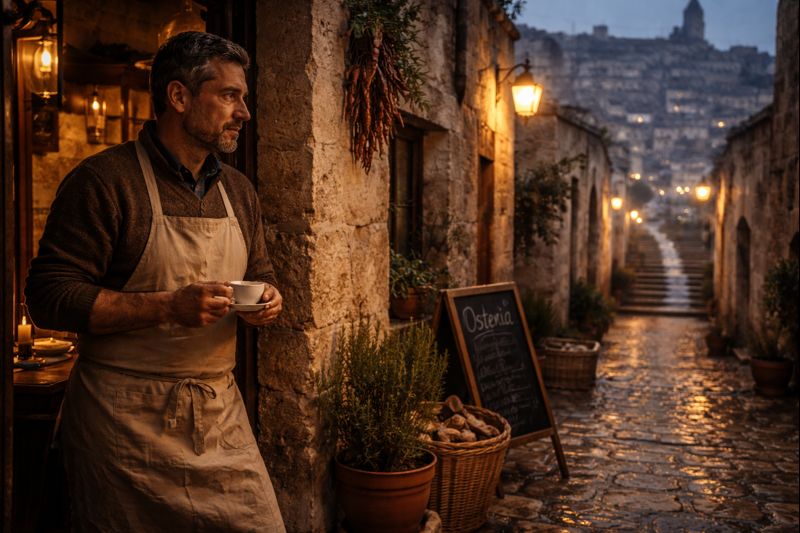
The city is still quiet.January hasn’t changed its mind. Matera remains emptied of tourists, streets still echo more than they speak, and many doors won’t reopen until March. The sun comes out during the day, but the nights stay cold and damp. Life continues to contract. But something changes if you stay long enough. At first, the quiet feels heavy. Then it starts to feel instructional. This is the point in winter when you stop waiting for things to “pick up” and begin asking a different question: How do I live well when nothing is pushing me forward?
That’s where Common Sense comes in. Common sense here is not obvious thinking. It’s learned thinking. It’s what emerges when you’ve seen enough seasons repeat that you stop panicking when progress isn’t visible. You learn not to mistake stillness for failure. In Matera, common sense is embedded in how the city was built. Nothing rushed. Nothing ornamental without purpose. Structures were designed to endure cold, scarcity, and time itself. You can’t live here long without absorbing that lesson.
This matters to me personally. I’ve worked in my family’s restaurant my entire life. In the busy months, work tells you who you are. In the slow months, silence does. Winter exposes the difference between identity and activity. There’s a temptation right now to overthink the future. To search for a dramatic next step. To believe that if things feel uncertain, you must be doing something wrong. But winter offers a correction: structure comes before clarity.
That’s what a Builder’s Rule of Life looks like here:
You keep regular hours even when business is slow.
You tend what already exists instead of chasing what doesn’t.
You measure expenses carefully, not out of fear, but respect.
You accept that some answers come from staying put.
This isn’t stagnation. It’s preparation without panic.
Men today are often told they should have everything figured out by a certain age. Career. Direction. Purpose. But ancient cities tell a different story. They weren’t built by men who knew the end from the beginning. They were built by men who showed up daily, worked within limits, and trusted that consistency would reveal the path. The city is still quiet, but now, the quiet is doing its work and that, too, is common sense.
About Paolo
Paolo Vizziello is a craftsman and formation guide whose reflections focus on discipline, presence, and daily practice rooted in lived experience.
Vivere nella stagione morta
La città è ancora tranquilla. Gennaio non ha cambiato idea. Matera rimane vuota di turisti, le strade continuano a riecheggiare più che a parlare e molte porte non riapriranno fino a marzo. Il sole spunta durante il giorno, ma le notti rimangono fredde e umide. La vita continua a contrarsi. Ma qualcosa cambia se si rimane abbastanza a lungo. All'inizio, la quiete sembra opprimente. Poi inizia a sembrare istruttiva. Questo è il momento dell'inverno in cui smetti di aspettare che le cose “migliorino” e inizi a farti una domanda diversa: come posso vivere bene quando nulla mi spinge ad andare avanti?
È qui che entra in gioco il buon senso. Il buon senso qui non è un modo di pensare ovvio. È un modo di pensare appreso. È ciò che emerge quando hai visto abbastanza stagioni ripetersi da smettere di andare nel panico quando i progressi non sono visibili. Impari a non confondere la quiete con il fallimento. A Matera, il buon senso è insito nel modo in cui è stata costruita la città. Niente di affrettato. Niente di ornamentale senza uno scopo. Le strutture sono state progettate per resistere al freddo, alla scarsità e al tempo stesso. Non si può vivere qui a lungo senza assorbire questa lezione.
Questo è importante per me personalmente. Ho lavorato nel ristorante di famiglia per tutta la vita. Nei mesi più intensi, è il lavoro a dirti chi sei. Nei mesi più tranquilli, è il silenzio a farlo. L'inverno mette in luce la differenza tra identità e attività. In questo momento c'è la tentazione di pensare troppo al futuro. Di cercare un passo successivo drammatico. Di credere che se le cose sembrano incerte, allora stai facendo qualcosa di sbagliato. Ma l'inverno offre una correzione: la struttura viene prima della chiarezza.
Mantieni orari regolari anche quando gli affari vanno a rilento.
Ti prendi cura di ciò che già esiste invece di inseguire ciò che non c'è.
Misurate attentamente le spese, non per paura, ma per rispetto.
Accettate che alcune risposte arrivino rimanendo fermi.
Questo non è stagnazione. È preparazione senza panico.
Oggi agli uomini viene spesso detto che dovrebbero avere tutto chiaro entro una certa età. Carriera. Direzione. Scopo. Ma le città antiche raccontano una storia diversa. Non sono state costruite da uomini che conoscevano la fine fin dall'inizio. Sono state costruite da uomini che si presentavano ogni giorno, lavoravano entro certi limiti e confidavano che la costanza avrebbe rivelato la strada. La città è ancora tranquilla, ma ora la tranquillità sta facendo il suo lavoro e anche questo è buon senso.
Informazioni su Paolo
Paolo Vizziello è un artigiano e guida alla formazione le cui riflessioni si concentrano sulla disciplina, la presenza e la pratica quotidiana radicata nell'esperienza vissuta.
Paolo Vizziello, Formation, Discipline & Daily Practice
January is not the time to make dramatic financial moves. In Matera, winter teaches that quickly - income slows; expenses don’t disappear; and you learn very fast that money, like energy, must be handled with respect or it becomes a source of pressure instead of support.
That’s why this week’s focus on Common Sense matters so much when it comes to finances.
Common sense with money is not about optimization or clever strategies. It’s about alignment. It’s knowing what your life actually requires right now and refusing to let desire, comparison, or anxiety distort that reality.
In slow seasons, the temptation is to react:
Spend to feel momentum.
Cut too aggressively out of fear.
Chase opportunity before it’s clear.
Or avoid looking at numbers altogether.
None of those are common sense. A Builder’s approach to money starts with stability, not growth. This week, I’m paying attention to three simple questions:
1. What expenses are essential to keep life steady?
Not comfortable. Not impressive. Steady. Housing, food, heat, basic transportation. These come first, without negotiation.
2. What costs are habits pretending to be necessities?
Subscriptions you forgot. Small daily spending that doesn’t return value. These aren’t sins, they’re signals. Winter is a good time to notice them without judgment and decide calmly.
3. What can wait without damage?
Not every purchase delayed is a loss. Some delays clarify whether something was needed at all. This isn’t about being cheap. It’s about dignity.
Money handled with common sense supports freedom. Money handled emotionally creates pressure. When finances are simple, attention opens up for more important things work done well, relationships, health, rest.
A Rule of Life financially doesn’t require spreadsheets or forecasts. It requires honesty and restraint:
Don’t spend to compensate for boredom.
Don’t plan your future from a place of panic.
Don’t confuse preparation with control.
Growth will come. It always does, but in winter, the job is to hold what already exists - in Matera its always been this way. If you can keep your finances steady now without drama, without denial you’ll enter the next season stronger than any quick win could make you.
Gennaio non è il momento giusto per compiere mosse finanziarie drastiche. A Matera, l'inverno lo insegna rapidamente: le entrate diminuiscono, le spese non scompaiono e si impara molto in fretta che il denaro, come l'energia, deve essere gestito con rispetto, altrimenti diventa una fonte di pressione invece che di sostegno.
Ecco perché questa settimana è così importante concentrarsi sul buon senso quando si tratta di finanze.
Il buon senso con il denaro non riguarda l'ottimizzazione o le strategie intelligenti. Riguarda l'allineamento. Si tratta di sapere ciò di cui la tua vita ha effettivamente bisogno in questo momento e rifiutarsi di lasciare che il desiderio, il confronto o l'ansia distorcano quella realtà.
Nelle stagioni lente, la tentazione è quella di reagire:
Spendere per sentire lo slancio.
Tagliare troppo aggressivamente per paura.
Cercare opportunità prima che siano chiare.
O evitare del tutto di guardare i numeri.
Nessuna di queste cose è buon senso. L'approccio di un costruttore al denaro inizia con la stabilità, non con la crescita. Questa settimana, sto prestando attenzione a tre semplici domande:
1. Quali spese sono essenziali per mantenere la vita stabile?
Non confortevole. Non impressionante. Stabile. Alloggio, cibo, riscaldamento, trasporti di base. Queste cose vengono prima di tutto, senza negoziazioni.
2. Quali costi sono abitudini che fingono di essere necessità?
Abbonamenti che hai dimenticato. Piccole spese quotidiane che non restituiscono valore. Questi non sono peccati, sono segnali. L'inverno è un buon momento per notarli senza giudicare e decidere con calma.
3. Cosa può aspettare senza causare danni?
Non tutti gli acquisti ritardati sono una perdita. Alcuni ritardi chiariscono se qualcosa era davvero necessario. Non si tratta di essere tirchi. Si tratta di dignità.
Il denaro gestito con buon senso favorisce la libertà. Il denaro gestito emotivamente crea pressione. Quando le finanze sono semplici, l'attenzione si apre a cose più importanti: il lavoro ben fatto, le relazioni, la salute, il riposo.
Una regola di vita finanziaria non richiede fogli di calcolo o previsioni. Richiede onestà e moderazione:
Non spendere per compensare la noia.
Non pianificare il tuo futuro in preda al panico.
Non confondere la preparazione con il controllo.
La crescita arriverà. Arriva sempre, ma in inverno il compito è quello di mantenere ciò che già esiste: a Matera è sempre stato così. Se riesci a mantenere le tue finanze stabili ora senza drammi, senza negazioni, entrerai nella prossima stagione più forte di quanto qualsiasi vittoria rapida potrebbe renderti.
Jake Claxton, Fatherhood, Formation & the Track
Winter doesn’t slow everything down, for some of us, it does the opposite.
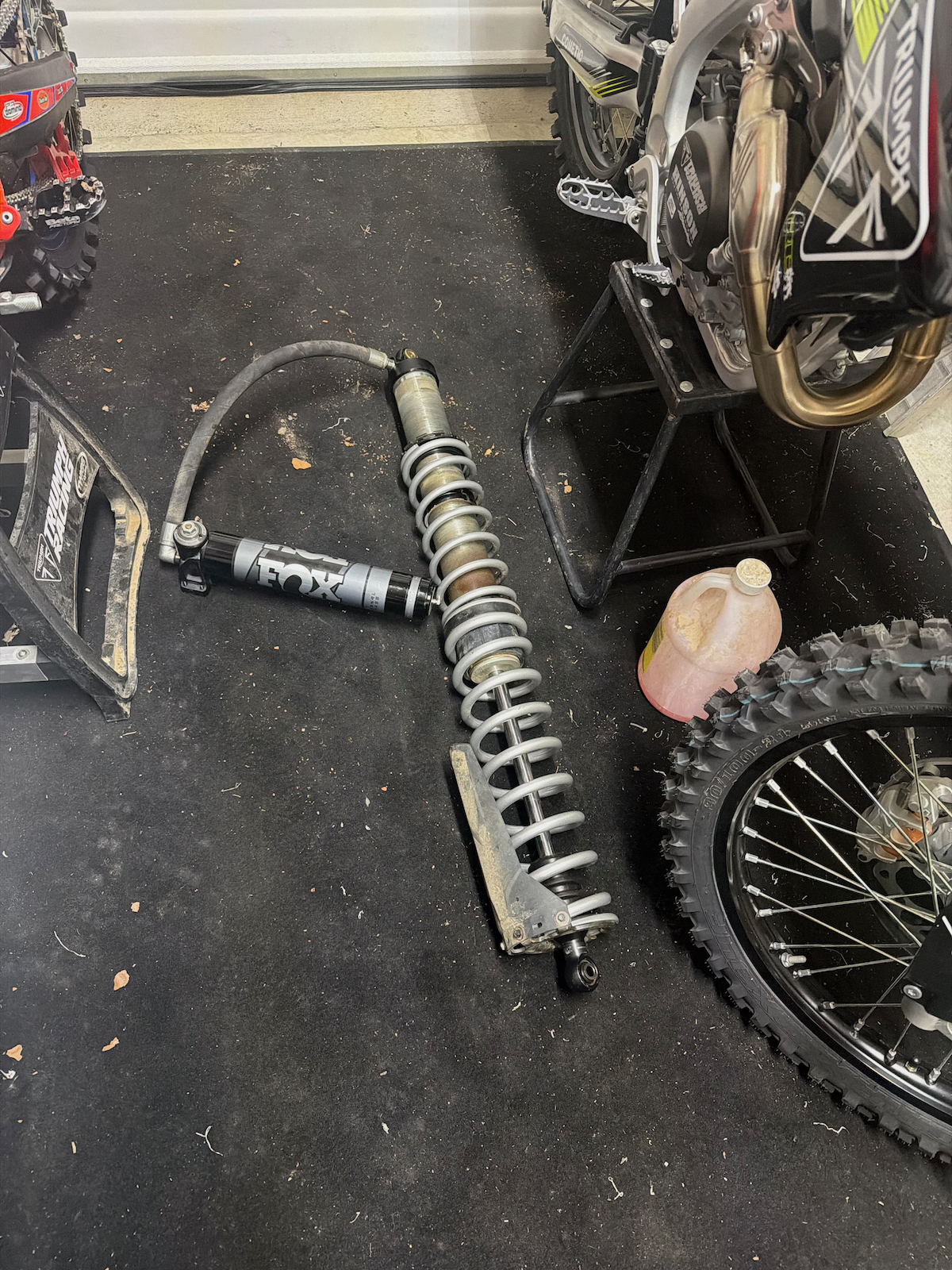
Out here in West Virginia, this is the season when riders aren’t on the track but they’re getting ready. Bikes are torn down. Suspension is dialed in. Small adjustments matter more than ever, because when the season starts, there’s no time to fix what was rushed. As I mentioned last week, for me, this is a peak season of preparation.
At the same time, life at home doesn’t pause. I’ve got young kids, and we don’t have a big yard where they can just run it out when cabin fever hits. Cold limits options. Snow and ice are coming maybe a lot of it. That means more time inside, more energy to manage, more decisions about what actually matters in a given day.
This is where The Builder’s Rule of Life stops being a concept and becomes survival.
Common sense looks different in winter. You don’t try to “do more.” You do what keeps things steady. You prioritize safety. You manage energy. You accept that not every day will look productive and that readiness isn’t always visible.
I think about this a lot in my work. Suspension is a critical part of a bike. You can’t see it doing its job when it’s right, but when it’s wrong, everything falls apart. Too stiff and the rider gets beat up and too soft and control disappears. The goal isn’t maximum force. It’s balance.
That same principle applies at home. With kids inside more, you feel the pressure to keep things moving to entertain, to distract, to fill the space. But winter doesn’t respond well to overcorrection. What actually helps is rhythm. Meals at regular times. A consistent bedtime. Small rituals that tell everyone, this is stable, even if the world outside isn’t. That’s common sense.
This weekend we are expecting a big snow storm that might shut things down. Roads may be impassable, power could go out. That’s not something to fear it’s something to prepare for. Food stocked, tools ready, and expectations adjusted. The discipline isn’t in pushing through; it’s in knowing when to stop and protect what matters. Preparation isn’t about anxiety, it’s about respect… for the machine, for the season, for the people you’re responsible for.
Winter teaches you this fast, especially in the snowy mountains: If you don’t choose structure, chaos will choose it for you. So this week, I’m focusing on what keeps us ready not just for racing season, but for tomorrow morning… enough sleep, enough patience, and enough work done well.
When the bike is ready, you stop turning wrenches and when the family is steady, you stop pushing.
About Jake
Jake Claxton is a husband, father of two sons, and founder of Ride By Design. His reflections draw from family life, faith, and lessons learned on the motocross track.
L'inverno non rallenta tutto, per alcuni di noi è proprio il contrario.
Qui in West Virginia, questa è la stagione in cui i piloti non sono in pista, ma si preparano. Le moto vengono smontate. Le sospensioni vengono regolate. Le piccole regolazioni sono più importanti che mai, perché quando inizia la stagione non c'è tempo per sistemare ciò che è stato fatto in fretta. Come ho detto la settimana scorsa, per me questa è la stagione di punta della preparazione.
Allo stesso tempo, la vita a casa non si ferma. Ho dei bambini piccoli e non abbiamo un grande giardino dove possono correre quando sono stanchi di stare in casa. Il freddo limita le opzioni. La neve e il ghiaccio stanno arrivando, forse in grande quantità. Ciò significa più tempo in casa, più energia da gestire, più decisioni su ciò che conta davvero in una determinata giornata.
È qui che La regola di vita del costruttore smette di essere un concetto e diventa sopravvivenza.
Il buon senso ha un aspetto diverso in inverno. Non si cerca di “fare di più”. Si fa ciò che mantiene le cose stabili. Si dà la priorità alla sicurezza. Si gestisce l'energia. Si accetta che non tutti i giorni saranno produttivi e che la prontezza non è sempre visibile.
Ci penso molto nel mio lavoro. La sospensione è una parte fondamentale di una bicicletta. Non si vede quando funziona bene, ma quando non funziona, tutto va in pezzi. Se è troppo rigida, il ciclista viene sballottato, se è troppo morbida, si perde il controllo. L'obiettivo non è la massima forza, ma l'equilibrio.
Lo stesso principio vale a casa. Con i bambini più spesso in casa, si sente la pressione di dover intrattenere, distrarre, riempire lo spazio. Ma l'inverno non reagisce bene alle correzioni eccessive. Ciò che aiuta davvero è il ritmo. Pasti a orari regolari. Un orario costante per andare a dormire. Piccoli rituali che dicono a tutti che la situazione è stabile, anche se il mondo esterno non lo è. È una questione di buon senso.
Questo fine settimana è prevista una forte tempesta di neve che potrebbe bloccare tutto. Le strade potrebbero essere impraticabili, l'elettricità potrebbe mancare. Non è qualcosa da temere, ma qualcosa a cui prepararsi. Scorte di cibo, attrezzi pronti e aspettative adeguate. La disciplina non sta nel perseverare, ma nel sapere quando fermarsi e proteggere ciò che conta. La preparazione non è ansia, è rispetto... per la macchina, per la stagione, per le persone di cui sei responsabile.
L'inverno te lo insegna in fretta, specialmente sulle montagne innevate: se non scegli la struttura, sarà il caos a sceglierla per te. Quindi questa settimana mi concentrerò su ciò che ci tiene pronti non solo per la stagione agonistica, ma anche per domani mattina... dormire a sufficienza, avere pazienza e lavorare bene.
Quando la moto è pronta, smetti di girare le chiavi inglesi e quando la famiglia è stabile, smetti di spingere.
Informazioni su Jake
Jake Claxton è marito, padre di due figli e fondatore di Ride By Design. Le sue riflessioni attingono dalla vita familiare, dalla fede e dalle lezioni apprese sulla pista di motocross.
“Quann’ a stagion’ è fridd’, u pass’ s’accòrta.”
Literal Translation: When the season is cold, the step shortens.
Meaning: This proverb reflects the wisdom of slowing down when conditions demand it. In winter, you don’t take long strides or rush ahead, you move carefully, conserving strength and paying attention to what’s beneath your feet. It’s a reminder that restraint is not weakness, but commons sense intelligence. Shorter steps protect balance, preserve energy, and ensure you reach the next season intact. This is especially important in the historic center and ancient Sassi di Matera, where the streets are made of a variety stone, there are no even surfaces. In the Sassi, you will find endless stairs - all made of stone, some very steep, but you can count on them being slippery.
Traduzione letterale: Quando la stagione è fredda, il passo si accorcia.
Significato: Questo proverbio riflette la saggezza di rallentare quando le condizioni lo richiedono. In inverno non si fanno passi lunghi né ci si affretta, ma ci si muove con cautela, conservando le forze e prestando attenzione a ciò che si trova sotto i piedi. È un promemoria del fatto che la moderazione non è debolezza, ma buon senso. I passi più corti proteggono l'equilibrio, conservano l'energia e assicurano di arrivare alla stagione successiva incolumi. Ciò è particolarmente importante nel centro storico e negli antichi Sassi di Matera, dove le strade sono fatte di pietra di vario tipo e non ci sono superfici piane. Nei Sassi si trovano infinite scale, tutte in pietra, alcune molto ripide, ma sicuramente scivolose.
Patate Raganate Lucane

Au Gratin Potatoes with tomatoes, onions, and pecorino
In Basilicata, winter cooking relied on what had been put away with care: potatoes from storage, onions from braids, tomatoes preserved from summer, bread dried rather than discarded. "Patate raganate” brought these together into a dish that was filling, warming, and practical without indulgence. This is food built on common sense, not abundance.
1 kg (2.2 lbs) potatoes, peeled and thinly sliced
1 small onion, thinly sliced
2–3 tablespoons preserved tomatoes (passata, crushed canned tomatoes, or sun-dried tomatoes softened in water and chopped)
Extra virgin olive oil
Salt and black pepper
Dried oregano
Breadcrumbs (from stale bread)
A small handful of grated pecorino
Optional: a pinch of chili flakes or wild thyme
Prepare the Ingredients
Slice the potatoes thin and even. Rinse briefly and dry. Slice the onion finely so it softens without dominating.
Layer Thoughtfully
Lightly oil a baking dish. Add a layer of potatoes, then a few onion slices, a small spoon of tomato, salt, pepper, oregano, and a drizzle of olive oil. Repeat until ingredients are used.
Top with Restraint
Sprinkle lightly with breadcrumbs not to cover, but to give texture. Add a modest amount of pecorino. This is seasoning, not structure.
Bake Slowly
Bake at 190°C / 375°F for 45–50 minutes until tender and lightly crisped on top. Let rest 5 minutes before serving.
This dish is often served as the main meal on cold evenings, sometimes with nothing more than bread or a bitter green on the side. It satisfies without heaviness and warms without dulling the senses.
"Raganato" in the Lucanian dialect means "au gratin.” Patate raganate teach commons sense:
Ingredients from winter storage
Potatoes and structure
Tomatoes add brightness, not dominance
Onion provides depth, not sweetness
Cheese finishes, it does not overwhelm
It’s a dish that reminds us that simple common sense and some patience transforms simple ingredients into a hearty winter meal.
In Lucanian homes, this dish changed slightly from house to house, but the principle stayed the same: use what you preserved well, respect each ingredient, and stop before excess. That’s not just cooking. That’s a Rule of Life.
Patate gratinate con pomodori, cipolle e pecorino
In Basilicata, la cucina invernale si basava su ciò che era stato conservato con cura: patate dalla dispensa, cipolle dalle trecce, pomodori conservati dall'estate, pane essiccato anziché gettato via. Le “patate raganate” riunivano questi ingredienti in un piatto sostanzioso, caldo e pratico, senza eccessi. Si tratta di un piatto basato sul buon senso, non sull'abbondanza.
1 kg di patate, sbucciate e tagliate a fettine sottili
1 cipolla piccola, tagliata a fettine sottili
2-3 cucchiai di pomodori conservati (passata, pomodori pelati in scatola o pomodori secchi ammorbiditi in acqua e tritati)
Olio extravergine di oliva
Sale e pepe nero
Origano essiccato
Pangrattato (da pane raffermo)
Una manciata di pecorino grattugiato
Facoltativo: un pizzico di peperoncino in fiocchi o timo selvatico
Preparare gli ingredienti: Affettare le patate in modo sottile e uniforme. Sciacquarle brevemente e asciugarle. Affettare finemente la cipolla in modo che si ammorbidisca senza prevalere.
Disporre gli strati con cura: Ungere leggermente una teglia da forno. Aggiungere uno strato di patate, poi alcune fette di cipolla, un cucchiaino di pomodoro, sale, pepe, origano e un filo d'olio d'oliva. Ripetere fino a esaurimento degli ingredienti.
Guarnire con moderazione: Cospargere leggermente con il pangrattato, non per coprire, ma per dare consistenza. Aggiungere una modestaquantità di pecorino. Si tratta di un condimento, non di un ingrediente strutturale.
Cuocere lentamente: Cuocere in forno a 190 °C per 45-50 minuti fino a quando non saranno teneri e leggermente croccanti in superficie. Lasciar riposare per 5 minuti prima di servire.
Questo piatto viene spesso servito come piatto principale nelle serate fredde, a volte accompagnato solo da pane o verdure amare. È soddisfacente senza appesantire e riscalda senza offuscare i sensi.
Perché questo piatto è importante
“Raganato” nel dialetto lucano significa “gratinato”. Le patate raganate insegnano il buon senso:
Ingredienti conservati durante l'inverno
Patate e struttura
I pomodori aggiungono brillantezza, non predominanza
La cipolla fornisce profondità, non dolcezza
Il formaggio completa, non sovrasta
È un piatto che ci ricorda che il semplice buon senso e un po' di pazienza trasformano ingredienti semplici in un sostanzioso pasto invernale.
Nelle case lucane, questo piatto cambiava leggermente da casa a casa, ma il principio rimaneva lo stesso: usare ciò che si era conservato bene, rispettare ogni ingrediente e fermarsi prima dell'eccesso. Non è solo cucina. È una regola di vita.
Cosiamo, Founder UMANIAMO® | Formation & Architecture
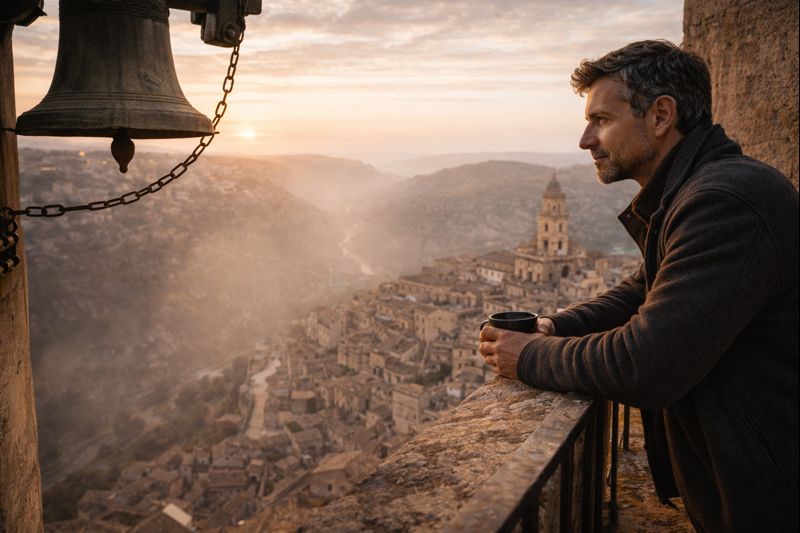
As this week comes to a close, I’m still working on recovering from this illness. With plenty of stillness, I’m aware of how quietly winter continues to work on us. Nothing dramatic or theatric just the steady pressure of cold, perhaps a lingering cough, limited light, and the honest accounting of energy. This is not the season for grand declarations or bold reinvention. It’s the season for structure that can be trusted.
What I’ve felt most clearly this week is how much relief comes from not adding. From letting simple structures hold me instead of trying to generate momentum from willpower alone, especially when most days I barely have “one-bar” of energy. I started closing the computer completely at night, not shutting it down but closing all apps, tabs, and open files. Letting the day end without carrying unfinished thoughts into sleep. I was surprised that this act of consent signals to the body and mind that something is complete. I used to keep them open so in the morning, I was prepared… the result, waking thinking, oh i should add a note here or there.
The Builder’s Rule of Life isn’t about control, it’s about confidence in design. When God builds, He intends and when we align ourselves with that design, through common sense, restraint, and accountability, we stop fighting our own nature. Strengths don’t need to be proven, they need to be respected. Accountability doesn’t demand perfection, it asks for honesty and care.
As we move toward the end of January, I feel less urgency and more steadiness. Less pressure to resolve everything and more trust that what matters will take shape through faithfulness, not force. That feels like the right posture before we step into what comes next.
January 26 — Santi Timoteo e Tito
Companions of Saint Paul, remembered for faithful service and steady leadership within early Christian communities. A reminder that building often happens alongside others, over time.
January 27 — Santa Angela Merici
Founder of the Ursulines, devoted to education and formation. Honored for quiet strength, foresight, and care for the development of others.
January 28 — San Tommaso d’Aquino
Doctor of the Church, patron of students and thinkers. Known for uniting faith and reason, structure and mystery—an icon of common sense ordered toward truth.
January 29 — San Costanzo
A lesser-known but venerated saint, remembered locally for perseverance and fidelity in difficult conditions.
January 30 — Santa Martina
A Roman martyr, honored for courage and constancy. A witness to inner strength that does not seek attention.
January 31 — San Giovanni Bosco (Don Bosco)
Patron of youth and educators. Remembered for practical wisdom, discipline, and an unwavering belief in the dignity and potential of young people.
February 1 — Santa Brigida d’Irlanda
A bridge between ancient and emerging traditions, known for hospitality, care for the poor, and the integration of daily life with prayer.
Mentre questa settimana volge al termine, sto ancora cercando di riprendermi da questa malattia. Con molta calma, mi rendo conto di come l'inverno continui a influenzarci silenziosamente. Niente di drammatico o teatrale, solo la pressione costante del freddo, forse una tosse persistente, la luce limitata e il conto onesto delle energie. Questa non è la stagione delle grandi dichiarazioni o delle audaci reinvenzioni. È la stagione della struttura di cui ci si può fidare.
Quello che ho sentito più chiaramente questa settimana è quanto sollievo provi nel non aggiungere nulla. Nel lasciare che siano le strutture semplici a sostenermi invece di cercare di generare slancio solo con la forza di volontà, soprattutto quando la maggior parte dei giorni ho a malapena “una barra” di energia. Ho iniziato a chiudere completamente il computer la sera, non spegnendolo ma chiudendo tutte le app, le schede e i file aperti. Lasciando che la giornata finisse senza portare pensieri incompiuti nel sonno. Sono rimasta sorpresa dal fatto che questo atto di consenso segnali al corpo e alla mente che qualcosa è completo. Prima li tenevo aperti, così al mattino ero preparata... il risultato era che mi svegliavo pensando: “Oh, dovrei aggiungere una nota qui o là”.
La regola di vita del costruttore non riguarda il controllo, ma la fiducia nel progetto. Quando Dio costruisce, ha un intento e quando ci allineiamo a quel progetto, attraverso il buon senso, la moderazione e la responsabilità, smettiamo di lottare contro la nostra natura. I punti di forza non hanno bisogno di essere dimostrati, devono essere rispettati. La responsabilità non richiede la perfezione, ma onestà e attenzione.
Mentre ci avviciniamo alla fine di gennaio, sento meno urgenza e più stabilità. Meno pressione per risolvere tutto e più fiducia che ciò che conta prenderà forma attraverso la fedeltà, non la forza. Mi sembra l'atteggiamento giusto prima di affrontare ciò che verrà dopo.
26 gennaio — Santi Timoteo e Tito
Compagni di San Paolo, ricordati per il loro servizio fedele e la loro leadership costante all'interno delle prime comunità cristiane. Un promemoria del fatto che spesso la costruzione avviene insieme agli altri, nel corso del tempo.
27 gennaio — Santa Angela Merici
Fondatrice delle Orsoline, dedita all'istruzione e alla formazione. Onorata per la sua forza tranquilla, la sua lungimiranza e la sua cura per lo sviluppo degli altri.
28 gennaio — San Tommaso d'Aquino
Dottore della Chiesa, patrono degli studenti e dei pensatori. Noto per aver unito fede e ragione, struttura e mistero, è un'icona del buon senso orientato alla verità.
29 gennaio — San Costanzo
Un santo meno conosciuto ma venerato, ricordato a livello locale per la perseveranza e la fedeltà in condizioni difficili.
30 gennaio — Santa Martina
Martire romana, onorata per il suo coraggio e la sua costanza. Testimone di una forza interiore che non cerca attenzione.
31 gennaio — San Giovanni Bosco (Don Bosco)
Patrono dei giovani e degli educatori. Ricordato per la sua saggezza pratica, la disciplina e la fede incrollabile nella dignità e nel potenziale dei giovani.
1 febbraio — Santa Brigida d'Irlanda
Un ponte tra tradizioni antiche ed emergenti, nota per l'ospitalità, la cura dei poveri e l'integrazione della vita quotidiana con la preghiera.