Advent Week IV and Christmas: Honey and the Foresight to See
Formation Library → Sunday Table → Honey and the Foresight to See
22-28 December 2025
Cosiamo, Founder UMANIAMO® | Formation & Architecture
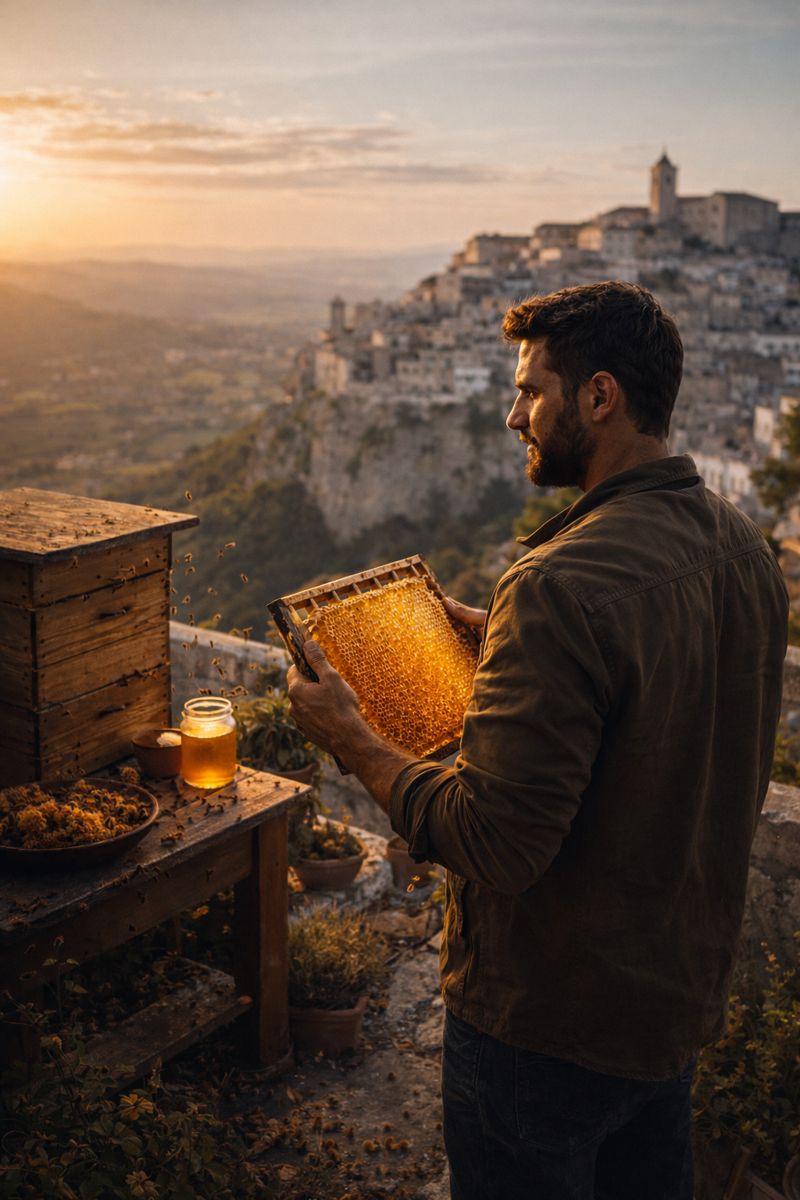
Honey appears in Scripture not as excess, but as confirmation. It is never the first gift. It comes after hunger has been endured, after wandering has tested resolve, after trust has been exercised long enough to be proven real. “A land flowing with milk and honey,” is not a description of ease; it is a promise that work, patience, and obedience will not be wasted.
This is why honey belongs at the end of Advent and in reverence for Christmas.
By the time we reached the final days before Christmas, something has already been formed. Bread has taught us how to receive. Meat has taught us how to carry strength with reverence. Wine has taught us how to integrate joy without losing ourselves to it. Only now does honey appear, not as indulgence, but as assurance. A sign that what has been forming quietly has a future. Honey is sweetness that must be protected.
Left exposed, it attracts threat. Left unattended, it is taken. Honey does not defend itself. It depends on the hive, on order, on guardianship. It exists because something was willing to build, to organize, to orient itself toward a future it could not yet see.
This brings us to the Garden of Eden and creation itself.
We often speak of Eden as paradise lost, as though the tragedy were the loss of comfort. But Scripture tells a more demanding story. Adam is placed in the Garden “to till it and keep it.” From the beginning, humanity is entrusted not merely with enjoyment, but with responsibility. The Garden is not a reward; it is an assignment.
Perhaps the real danger was not the serpent alone, but the illusion that the Garden could be possessed without being defended, enjoyed without being stewarded, received without cost. God’s design has never been passive. From Eden forward, the pattern remains the same: gifts are given, and then entrusted. Promise appears, and then requires protection. Meaning is revealed, and then demands builders.
This is where honey becomes more than a symbol. It becomes a question. What has been entrusted to you that is sweet, fragile, and unfinished? What in your life carries promise, but only if you are willing to guard it, tend it, and build around it?
Christmas does not answer these questions. It intensifies them and that is where we hold a reverent stance.
The child born in Bethlehem is not placed into a world that is safe. He is placed into danger. He must be hidden. Protected. Carried into exile. His life depends on vigilance, discernment, and courage. The Incarnation does not bypass the need for builders, it creates it.
Joseph does not receive a vision so that he can admire it. He receives it so that he can act. Mary does not receive a promise so that she can preserve comfort. She receives it so that she can bear risk. This is the continuity of God’s design: promise always arrives paired with responsibility.
Honey always requires a keeper. In our time, we are tempted to confuse vision with fantasy and sweetness with ease. We want outcomes without cost, blessing without burden, meaning without obligation. But Advent has been teaching us otherwise. It has been forming us not as consumers of grace, but as stewards of it.
To be a builder is not to dominate. It is to defend what is precious against what would cheapen it, rush it, or exploit it. Builders recognize that not everything sacred announces itself loudly. Some things arrive quietly, needing shelter more than celebration.
This final week of Advent does not ask you to act quickly. It asks you to see clearly. To recognize where God’s design is still unfolding. To notice what has ripened slowly. To accept the responsibility that accompanies promise.
Honey is not the end of the story. It is the sign that the story is worth continuing.
And so, as Christmas approaches, the question is not whether sweetness will come. It already has. The question is whether we will be the kind of people—men and women, families and communities—capable of protecting what has been entrusted to us.
Because God’s design has never depended on perfection. It has always depended on builders willing to stay awake. Honey does not shout. But it calls for courage; and that courage, quietly formed over these weeks, is the true gift of Advent and Christmas.
About Cosiamo
Cosiamo is the founder of UMANIAMO® and the creator of the REDISCOVER U® framework. His work focuses on human formation, embodied leadership, and restoring practices that help people live, lead, and build together with clarity and reverence.
Il miele appare nella Scrittura non come un eccesso, ma come una conferma. Non è mai il primo dono. Arriva dopo che la fame è stata sopportata, dopo che il vagabondare ha messo alla prova la determinazione, dopo che la fiducia è stata esercitata abbastanza a lungo da dimostrarsi reale. «Una terra dove scorre latte e miele» non è una descrizione di agio; è una promessa che il lavoro, la pazienza e l'obbedienza non saranno sprecati.
Ecco perché il miele appartiene alla fine dell'Avvento e al rispetto del Natale.
Quando siamo arrivati agli ultimi giorni prima di Natale, qualcosa si era già formato. Il pane ci ha insegnato come ricevere. La carne ci ha insegnato come portare la forza con rispetto. Il vino ci ha insegnato come integrare la gioia senza perderci in essa. Solo ora appare il miele, non come indulgenza, ma come garanzia. Un segno che ciò che si è formato silenziosamente ha un futuro. Il miele è dolcezza che deve essere protetta.
Se lasciato esposto, attira minacce. Se lasciato incustodito, viene preso. Il miele non si difende da solo. Dipende dall'alveare, dall'ordine, dalla protezione. Esiste perché qualcosa era disposto a costruire, a organizzare, a orientarsi verso un futuro che non poteva ancora vedere.
Questo ci porta al Giardino dell'Eden e alla creazione stessa.
Spesso parliamo dell'Eden come di un paradiso perduto, come se la tragedia fosse la perdita del benessere. Ma la Scrittura racconta una storia più impegnativa. Adamo è posto nel Giardino «per coltivarlo e custodirlo». Fin dall'inizio, all'umanità non è affidato solo il godimento, ma anche la responsabilità. Il Giardino non è una ricompensa, è un incarico.
Forse il vero pericolo non era solo il serpente, ma l'illusione che il Giardino potesse essere posseduto senza essere difeso, goduto senza essere custodito, ricevuto senza alcun costo. Il disegno di Dio non è mai stato passivo. Dall'Eden in poi, lo schema rimane lo stesso: i doni vengono dati e poi affidati. La promessa appare e poi richiede protezione. Il significato viene rivelato e poi richiede costruttori.
È qui che il miele diventa più di un simbolo. Diventa una domanda. Cosa ti è stato affidato che è dolce, fragile e incompiuto? Cosa nella tua vita porta con sé una promessa, ma solo se sei disposto a custodirla, a curarla e a costruirla attorno ad essa?
Il Natale non risponde a queste domande. Le intensifica ed è qui che assumiamo un atteggiamento reverente.
Il bambino nato a Betlemme non viene posto in un mondo sicuro. Viene posto in pericolo. Deve essere nascosto. Protetto. Portato in esilio. La sua vita dipende dalla vigilanza, dal discernimento e dal coraggio. L'Incarnazione non bypassa il bisogno di costruttori, lo crea.
Giuseppe non riceve una visione per poterla ammirare. La riceve per poter agire. Maria non riceve una promessa per poter preservare il comfort. La riceve per poter sopportare il rischio. Questa è la continuità del disegno di Dio: la promessa arriva sempre accompagnata dalla responsabilità.
Il miele richiede sempre un custode. Ai nostri giorni, siamo tentati di confondere la visione con la fantasia e la dolcezza con la facilità. Vogliamo risultati senza costi, benedizioni senza oneri, significato senza obblighi. Ma l'Avvento ci ha insegnato il contrario. Ci ha formati non come consumatori di grazia, ma come amministratori della stessa.
Essere un costruttore non significa dominare. Significa difendere ciò che è prezioso da ciò che lo sminuirebbe, lo affretterebbe o lo sfrutterebbe. I costruttori riconoscono che non tutto ciò che è sacro si annuncia a gran voce. Alcune cose arrivano silenziosamente, avendo bisogno più di un rifugio che di una celebrazione.
Quest'ultima settimana di Avvento non vi chiede di agire in fretta. Vi chiede di vedere chiaramente. Di riconoscere dove il disegno di Dio si sta ancora realizzando. Di notare ciò che è maturato lentamente. Di accettare la responsabilità che accompagna la promessa.
Il miele non è la fine della storia. È il segno che vale la pena continuare la storia.
E così, con l'avvicinarsi del Natale, la domanda non è se arriverà la dolcezza. È già arrivata. La domanda è se saremo il tipo di persone - uomini e donne, famiglie e comunità - capaci di proteggere ciò che ci è stato affidato.
Perché il disegno di Dio non è mai dipeso dalla perfezione. È sempre dipeso da costruttori disposti a rimanere svegli. Il miele non grida. Ma richiede coraggio; e quel coraggio, formatosi silenziosamente nel corso di queste settimane, è il vero dono dell'Avvento e del Natale.
Informazioni su Cosiamo
Cosiamo è il fondatore di UMANIAMO® e il creatore del framework REDISCOVER U®. Il suo lavoro si concentra sulla formazione umana, sulla leadership incarnata e sul ripristino di pratiche che aiutano le persone a vivere, guidare e costruire insieme con chiarezza e riverenza.
A simple way to pause, reflect, and engage with the themes of the week.
Each week, we offer two simple ways to reflect, depending on how and where you find yourself.
The Table Conversation is a short, shared reflection… ideal for a meal, the living room, or time with friends or family.
The D.E.E.P.E.R. Examen is a longer, personal reflection you can do on your own, at your own pace.
You don’t need to do both. Choose the one that fits your moment. Both are simply ways of paying attention to what has been forming you this week so that insight can become wisdom.
Shared. Unscripted. Phones away. Choose one question. Let it open the room, no correcting or debating. Allow the spirit to emerge.
Where have you felt most alive—or most present—in your body or spirit this week? Not where you were happiest, but where you felt most yourself.
After effort, stress, or pressure, what actually helps you feel restored rather than distracted? Heat, rest, movement, silence, conversation, laughter, other?
What do you sense has been quietly maturing in you during this Advent season? Something that couldn’t be rushed.
Allow the conversation to end naturally. Silence is welcome.
A Simple Way to Notice What Is Shaping Us
The D.E.E.P.E.R. Examen is a short, practical way to pause and reflect on the week not to judge yourself or fix anything, but to notice what has been forming you beneath the surface. It is rooted in a simple truth: every week, something is shaping how we think, act, and show up for others. The D.E.E.P.E.R. Examen offers a clear, human sequence for reflection:
noticing what actually happened,
recognizing patterns rather than intentions,
considering how those patterns affect us and others,
looking ahead to where they may be leading,
choosing one small, intentional response,
and allowing meaning to settle through reflection.
You don’t need to move quickly or answer every question. Even one honest insight is enough. The value is not in completing the steps, but in paying attention with care. Many people find the Examen helpful at the end of the day or week, perhaps after a walk, in the evening, or before sleep when the body is calm enough to listen.
Honey & the Visionary Mindset
Conceptual Thinking · Prospective Awareness
This longer reflection can be done quietly, alone, or over several sittings. You may wish to journal, walk, or sit in stillness with each step.
DETAILS: Recall moments from this week that carried a sense of sweetness or promise. Where did something small feel significant, not because it was urgent, but because it pointed forward?
EVIDENCE: What experiences suggest that your life is being shaped by meaning, not just momentum? Notice emerging patterns, repeated themes, questions that won’t go away, or future-oriented thoughts that feel grounded rather than anxious.
EMPATHY: Who else is affected by the future you are envisioning? Vision becomes mature when it considers the people who will inherit the outcomes of today’s choices.
PROSPECTIVE: Picture yourself one year from now having honored what was entrusted to you this Advent. What did you protect, cultivate, or choose not to rush in order to keep what was good from being consumed too quickly? This is foresight, not fantasy.
EXECUTION: What is one small, practical step you can take this week to safeguard what is forming? Not to finalize it. Not to perfect it. Simply to keep it alive. Name it. Write it down. Do it with intention.
REFLECTION: Sit quietly and consider: How does this vision align with the kind of man you are becoming, not just the goals you are chasing? End with gratitude for what has been revealed, even if it remains unfinished.
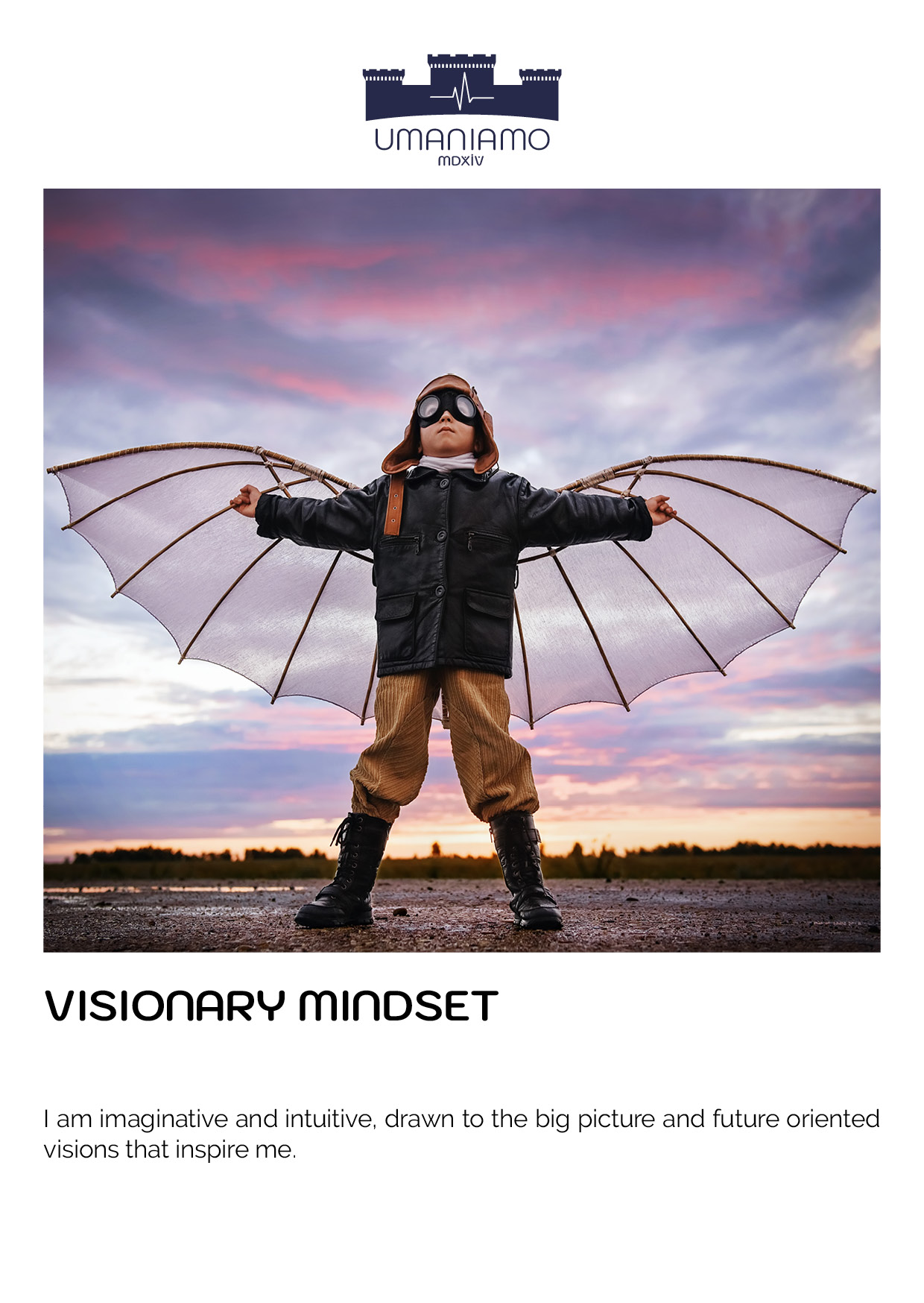
The Visionary Mindset card reflects this: the human capacity to envision a future that does not exist today. TO have vision, big ideas arising from intuition. The reflection prompts and affirmation on the back of the card can deepen this Examen or the Table Conversation if you choose to use them. They are offered as a companion, not a requirement.
Ogni settimana proponiamo due semplici modi per riflettere, a seconda di come e dove ti trovi.
La Conversazione a tavola è una breve riflessione condivisa... ideale per un pasto, il salotto o un momento con gli amici o la famiglia.
L'Esame D.E.E.P.E.R. è una riflessione personale più lunga che puoi fare da solo, al tuo ritmo.
Non è necessario fare entrambe le cose. Scegli quella più adatta al tuo momento. Entrambe sono semplicemente modi per prestare attenzione a ciò che ti ha plasmato questa settimana, in modo che l'intuizione possa diventare saggezza.
Condivisa. Senza copione. Telefoni lontani. Scegli una domanda. Lascia che apra la discussione, senza correzioni o dibattiti. Lascia che lo spirito emerga.
Dove ti sei sentito più vivo, o più presente, nel tuo corpo o nel tuo spirito questa settimana? Non dove sei stato più felice, ma dove ti sei sentito più te stesso.
Dopo uno sforzo, uno stress o una pressione, cosa ti aiuta davvero a sentirti rigenerato piuttosto che distratto? Il calore, il riposo, il movimento, il silenzio, la conversazione, le risate, altro?
Cosa senti che sta maturando silenziosamente in te durante questo periodo dell'Avvento? Qualcosa che non può essere affrettato.
Lascia che la conversazione finisca in modo naturale. Il silenzio è benvenuto.
Un modo semplice per notare ciò che ci sta plasmando
Il D.E.E.P.E.R. Examen è un modo breve e pratico per fermarsi e riflettere sulla settimana, non per giudicarsi o correggere qualcosa, ma per notare ciò che ci sta plasmando sotto la superficie. Si basa su una semplice verità: ogni settimana, qualcosa sta plasmando il modo in cui pensiamo, agiamo e ci presentiamo agli altri. L'esame D.E.E.P.E.R. offre una sequenza chiara e umana per la riflessione:
notare ciò che è realmente accaduto,
riconoscere gli schemi piuttosto che le intenzioni,
considerare come questi schemi influenzano noi e gli altri,
guardare avanti per capire dove potrebbero portare,
scegliere una piccola risposta intenzionale
e lasciare che il significato si stabilizzi attraverso la riflessione.
Non è necessario muoversi rapidamente o rispondere a tutte le domande. Anche una sola intuizione onesta è sufficiente. Il valore non sta nel completare i passaggi, ma nel prestare attenzione con cura. Molte persone trovano utile l'Esame alla fine della giornata o della settimana, magari dopo una passeggiata, la sera o prima di dormire, quando il corpo è abbastanza calmo da ascoltare.
Il miele e la mentalità visionaria
Pensiero concettuale · Consapevolezza prospettica
Questa riflessione più lunga può essere fatta in silenzio, da soli o in più sedute. Potreste voler scrivere un diario, camminare o sedervi in silenzio ad ogni passo.
DETTAGLI: Ricorda i momenti di questa settimana che ti hanno trasmesso un senso di dolcezza o di promessa. In quali occasioni qualcosa di piccolo ti è sembrato significativo, non perché fosse urgente, ma perché indicava una direzione futura?
EVIDENZE: Quali esperienze suggeriscono che la tua vita è plasmata dal significato, non solo dallo slancio? Nota i modelli emergenti, i temi ricorrenti, le domande che non ti abbandonano o i pensieri orientati al futuro che ti sembrano fondati piuttosto che ansiosi.
EMPATIA: Chi altro è influenzato dal futuro che stai immaginando? La visione diventa matura quando tiene conto delle persone che erediteranno i risultati delle scelte di oggi.
PROSPETTIVA: Immaginati tra un anno dopo aver onorato ciò che ti è stato affidato in questo Avvento. Cosa hai protetto, coltivato o scelto di non affrettare per evitare che ciò che era buono venisse consumato troppo rapidamente? Questa è lungimiranza, non fantasia.
EXECUTION: Qual è un piccolo passo pratico che puoi compiere questa settimana per salvaguardare ciò che si sta formando? Non per finalizzarlo. Non per perfezionarlo. Semplicemente per mantenerlo vivo. Dagli un nome. Scrivilo. Fallo con intenzione.
REFLECTION: Siediti in silenzio e rifletti: in che modo questa visione è in linea con il tipo di uomo che stai diventando, non solo con gli obiettivi che stai perseguendo? Concludi con gratitudine per ciò che è stato rivelato, anche se rimane incompiuto.
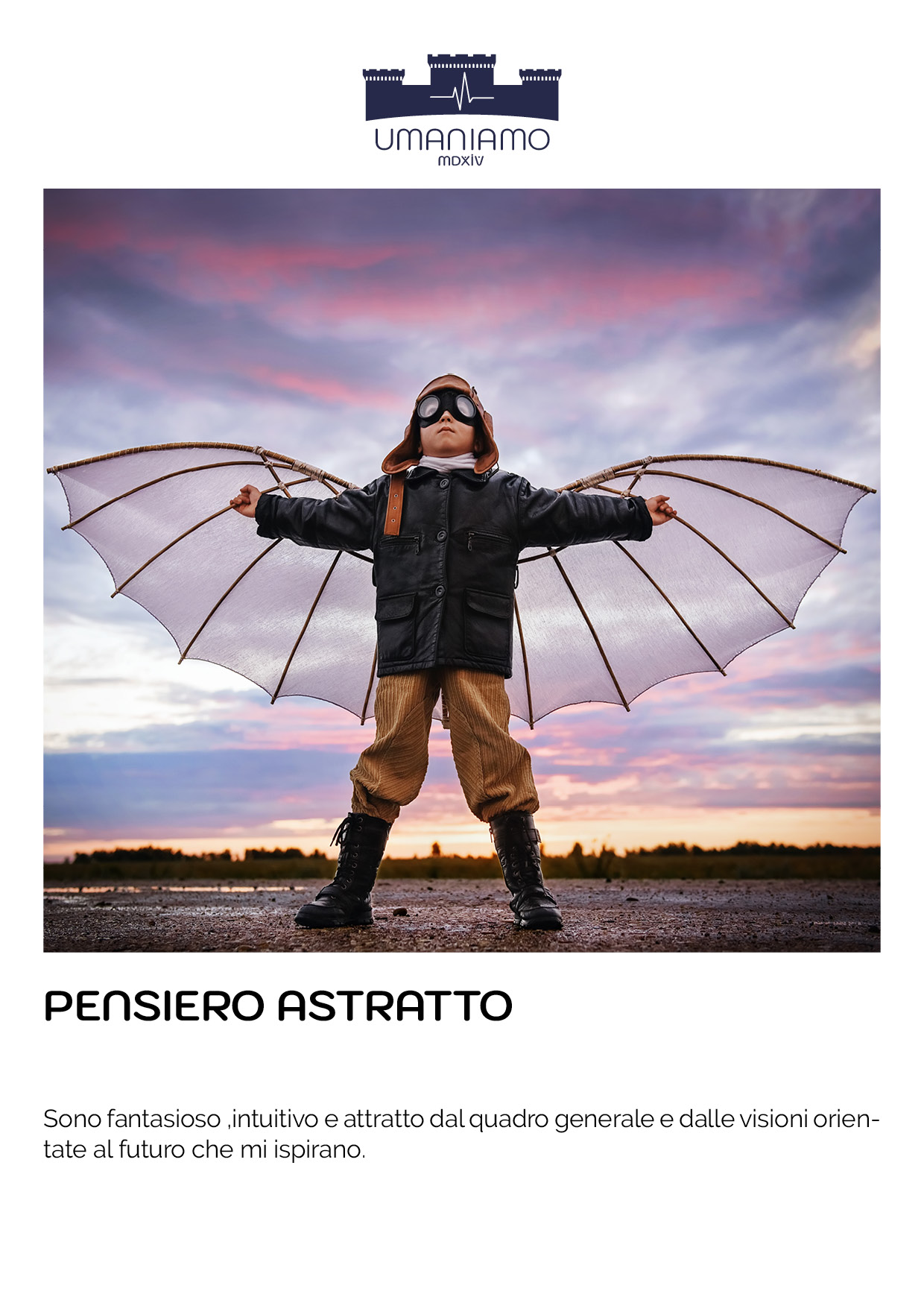
La Visionary Mindset card riflette questo: la capacità umana di immaginare un futuro che oggi non esiste. Avere una visione, grandi idee che nascono dall'intuizione. Le riflessioni e le affermazioni sul retro della carta possono approfondire questo Esame o la Conversazione al tavolo, se scegli di usarli. Sono offerti come accompagnamento, non come requisito.
Dr. Rhett Bogacz, DC, Health & Embodied Formation
In moments like these, care is not indulgence. It is reverence.
Across cultures, honey was never treated as dessert first. It was used as medicine and something taken deliberately, in small amounts, at the right time. Not to excite the body, but to steady it. Honey soothes irritation, supports digestion, protects during immune stress, and restores gentle energy without agitation. Taken with intention, it signals care to the nervous system, and when the body feels cared for, it begins to settle.
This is especially important in winter. Cold naturally tightens tissues and narrows circulation. The nervous system moves toward protection, and perception follows. Everything begins to feel more urgent, more reactive, less spacious. It becomes harder to think ahead, harder to hold vision without forcing it. This is where honey does its quiet work.
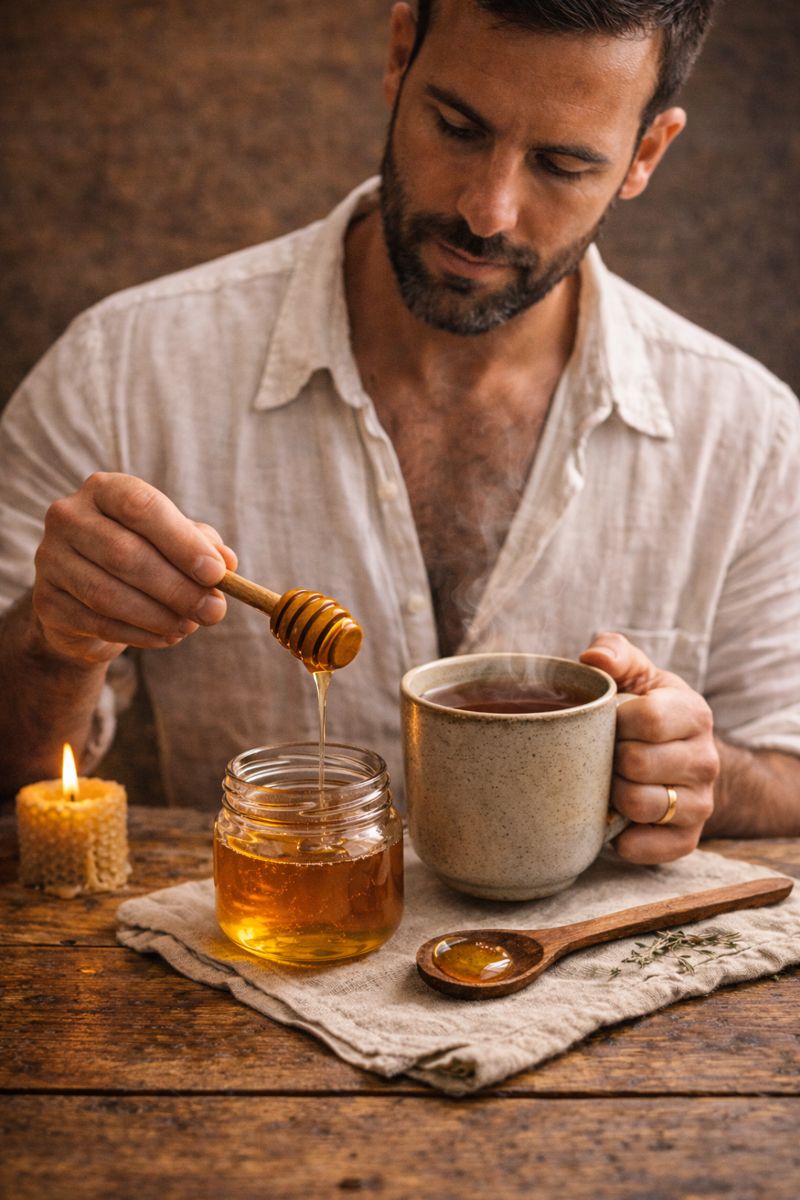
A simple practice at the end of the day can help restore balance. After returning home from a gathering, or before sleep, warm a cup of water or herbal tea—not hot, just warm. Hold the cup in your hands first and let the body register the warmth. Stir in a teaspoon of raw honey and sip slowly. Do not rush. When the cup is empty, sit quietly for a minute or two and let the body absorb what it has been given.
This small act supports digestion, soothes the throat and nervous system, and helps the body transition from stimulation to rest. No phone. No conversation. Let it be a closing ritual.
Honey’s healing power lies in its complexity. Raw, unprocessed honey contains natural enzymes, antimicrobial properties, gentle glucose for the brain, and trace minerals that vary depending on its source. This combination makes it especially effective during winter, when dryness, fatigue, and lowered immunity are common. Some people choose Manuka honey for this reason. Produced from the Manuka bush in New Zealand, it contains methylglyoxal, a compound known for its antibacterial properties and often used therapeutically. It isn’t required, but it is a high-quality option for those seeking medicinal-grade honey.
Care, however, also means attentiveness. Not all honey is the same. Raw, unfiltered honey is best when available. Highly processed honey loses much of what makes it supportive. Those with pollen allergies should begin with very small amounts, as raw honey may contain trace pollen. Anyone managing blood sugar concerns should use discretion and consult appropriate guidance. Honey is not recommended for infants under one year.
These considerations are not limitations; they are expressions of reverence.
To care for the body this way is not self-focus. It is stewardship. The body is not separate from formation; it is where formation takes place. How you tend it affects how you think, how you see, and how you choose.
This week is not asking you to do less. It is asking you to care well enough to see clearly. When the body is supported, the mind steadies. When the mind steadies, foresight returns. And when foresight returns, builders can recognize what is precious and guard it accordingly.
Honey, taken deliberately, becomes more than a remedy. It becomes a reminder: the body is not something to exhaust, but a temple to tend. And tending the temple is part of the work we are given.
Grounding the Body So Foresight Can Stand
When: After returning home from gatherings, work, or social time, before bed.
What to do: Prepare a warm drink (water or herbal tea). Add one teaspoon of raw honey. Hold the cup in both hands before drinking. Feel the warmth travel into your palms and chest. Drink slowly. No phone. No talking. Afterward, sit or stand still for one full minute.
Why this matters: This practice signals safety to the nervous system. It helps digestion, lowers internal agitation, and brings the body out of “reaction mode.” When the body settles, the mind regains depth and vision becomes possible again.
When: Before an important conversation, decision, or response and especially when emotions are high.
What to do: Place both feet flat on the ground. Take three slow nasal breaths. Let the exhale be longer than the inhale. Ask yourself silently: “What or who am I protecting right now?” Do not answer immediately. Let the body respond before the mind does.
Why this matters: Builders don’t rush when something valuable is at stake. This pause creates space between impulse and action, allowing foresight to guide strength rather than urgency.
When: Once per day.
What to do: Expose the body briefly to cold (cool air, cold water on the face, or stepping outside lightly dressed for a minute), then follow with warmth (movement, tea, a warm room, or a shower). Notice the contrast. Notice how the body responds. End by standing still for 30 seconds.
Why this matters: Winter tightens the body. Alternating cold and warmth teaches regulation rather than collapse or overdrive. A regulated body can hold tension without losing clarity, which is essential for foresight and steady leadership.
Honey works because it is measured, deliberate, and taken with care. So does strength. These practices are not about comfort. They are about stability and groundedness, the kind that allows a man to stand grounded enough to see clearly and protect what is forming. That is the builder’s work this week.
About Dr. Rhett
Dr. Rhett Bogacz is a chiropractor and educator focused on posture, breath, and nervous system regulation. His work supports embodied formation and long-term resilience.
In momenti come questi, la cura non è un lusso. È rispetto.
In tutte le culture, il miele non è mai stato considerato innanzitutto un dessert. Era usato come medicina e assunto deliberatamente, in piccole quantità, al momento giusto. Non per stimolare il corpo, ma per stabilizzarlo. Il miele lenisce le irritazioni, favorisce la digestione, protegge durante lo stress immunitario e ripristina delicatamente l'energia senza agitazione. Assunto con intenzione, segnala cura al sistema nervoso e, quando il corpo si sente curato, inizia a calmarsi.
Questo è particolarmente importante in inverno. Il freddo restringe naturalmente i tessuti e riduce la circolazione. Il sistema nervoso si muove verso la protezione e la percezione segue. Tutto inizia a sembrare più urgente, più reattivo, meno spazioso. Diventa più difficile pensare al futuro, più difficile mantenere la visione senza forzarla. È qui che il miele svolge il suo lavoro silenzioso.
Una semplice pratica alla fine della giornata può aiutare a ripristinare l'equilibrio. Dopo essere tornati a casa da un incontro, o prima di dormire, scaldate una tazza d'acqua o una tisana, non bollente, solo tiepida. Tenete prima la tazza tra le mani e lasciate che il corpo registri il calore. Aggiungete un cucchiaino di miele grezzo e sorseggiate lentamente. Non abbiate fretta. Quando la tazza è vuota, sedetevi in silenzio per un minuto o due e lasciate che il corpo assorba ciò che gli è stato dato.
Questo piccolo gesto favorisce la digestione, lenisce la gola e il sistema nervoso e aiuta il corpo a passare dalla stimolazione al riposo. Niente telefono. Niente conversazioni. Lasciate che sia un rituale di chiusura.
Il potere curativo del miele risiede nella sua complessità. Il miele grezzo e non trattato contiene enzimi naturali, proprietà antimicrobiche, glucosio delicato per il cervello e oligoelementi che variano a seconda della sua provenienza. Questa combinazione lo rende particolarmente efficace durante l'inverno, quando secchezza, affaticamento e abbassamento delle difese immunitarie sono comuni. Alcune persone scelgono il miele di Manuka proprio per questo motivo. Prodotto dal cespuglio di Manuka in Nuova Zelanda, contiene metilgliossale, un composto noto per le sue proprietà antibatteriche e spesso usato a scopo terapeutico. Non è necessario, ma è un'opzione di alta qualità per chi cerca un miele di grado medicinale.
Prendersi cura di sé, tuttavia, significa anche prestare attenzione. Non tutti i tipi di miele sono uguali. Il miele grezzo e non filtrato è il migliore, quando disponibile. Il miele altamente lavorato perde gran parte delle sue proprietà benefiche. Chi soffre di allergie al polline dovrebbe iniziare con quantità molto piccole, poiché il miele grezzo può contenere tracce di polline. Chiunque abbia problemi di glicemia dovrebbe usare discrezione e consultare un medico. Il miele non è raccomandato per i bambini di età inferiore a un anno.
Queste considerazioni non sono limitazioni, ma espressioni di rispetto.
Prendersi cura del corpo in questo modo non è egocentrismo. È responsabilità. Il corpo non è separato dalla formazione; è il luogo in cui avviene la formazione. Il modo in cui lo si cura influisce sul modo di pensare, di vedere e di scegliere.
Questa settimana non vi chiede di fare meno. Vi chiede di prendervi cura di voi stessi abbastanza da vedere chiaramente. Quando il corpo è sostenuto, la mente si stabilizza. Quando la mente si stabilizza, ritorna la lungimiranza. E quando la lungimiranza ritorna, i costruttori possono riconoscere ciò che è prezioso e proteggerlo di conseguenza.
Il miele, assunto deliberatamente, diventa più di un rimedio. Diventa un promemoria: il corpo non è qualcosa da esaurire, ma un tempio da curare. E curare il tempio fa parte del lavoro che ci è stato affidato.
Radicare il corpo affinché la lungimiranza possa reggersi
Quando: Dopo essere tornati a casa da incontri, lavoro o momenti sociali, prima di andare a letto.
Cosa fare: Preparare una bevanda calda (acqua o tisana). Aggiungere un cucchiaino di miele grezzo. Tenere la tazza con entrambe le mani prima di bere. Sentire il calore diffondersi nei palmi delle mani e nel petto. Bere lentamente. Niente telefono. Niente chiacchiere. Dopo, rimanere seduti o in piedi immobili per un minuto intero.
Perché è importante: questa pratica trasmette un senso di sicurezza al sistema nervoso. Aiuta la digestione, riduce l'agitazione interna e fa uscire il corpo dalla “modalità reattiva”. Quando il corpo si calma, la mente riacquista profondità e la visione diventa nuovamente possibile.
Quando: prima di una conversazione, una decisione o una risposta importante, soprattutto quando le emozioni sono intense.
Cosa fare: appoggiare entrambi i piedi piatti a terra. Fare tre respiri lenti con il naso. Lasciare che l'espirazione sia più lunga dell'inspirazione. Chiedersi silenziosamente: “Cosa o chi sto proteggendo in questo momento?” Non rispondere immediatamente. Lasciare che sia il corpo a rispondere prima della mente.
Perché è importante: i costruttori non si affrettano quando è in gioco qualcosa di prezioso. Questa pausa crea uno spazio tra l'impulso e l'azione, consentendo alla lungimiranza di guidare la forza piuttosto che l'urgenza.
Quando: una volta al giorno.
Cosa fare: esporre brevemente il corpo al freddo (aria fresca, acqua fredda sul viso o uscire all'aperto vestiti leggermente per un minuto), poi seguire con il calore (movimento, tè, una stanza calda o una doccia). Notare il contrasto. Notare come reagisce il corpo. Terminare rimanendo immobili per 30 secondi.
Perché è importante: L'inverno irrigidisce il corpo. Alternare freddo e calore insegna a regolare piuttosto che a crollare o andare in tilt. Un corpo regolato può mantenere la tensione senza perdere la lucidità, essenziale per la lungimiranza e una leadership stabile.
Il miele funziona perché è misurato, deliberato e assunto con cura. Lo stesso vale per la forza. Queste pratiche non riguardano il comfort. Riguardano la stabilità e la concretezza, quelle che consentono a un uomo di rimanere sufficientemente con i piedi per terra per vedere chiaramente e proteggere ciò che si sta formando. Questo è il lavoro del costruttore questa settimana.
Informazioni sul dottor Rhett
Il dottor Rhett Bogacz è un chiropratico ed educatore specializzato in postura, respirazione e regolazione del sistema nervoso. Il suo lavoro sostiene la formazione incarnata e la resilienza a lungo termine.
Paolo Vizziello, Formation, Discipline & Daily Practice
Connecting to the theme of visionary thinking, I would like to tell you about my gym, which started out in a small space, namely a garage. My gym began with an idea, a study of powerlifting rules, and a few hand-drawn sketches. Starting with an existing improvised and makeshift rack, I gave instructions to a metalworker to modify it and build a regulation bench that met specific criteria. The project grew over time, month after month, with the aim of improving both functionality and aesthetics. After about a year, I continued to refine, adapt, and make every detail more ergonomic, until I had a complete rack. Even after the work was completed, there were still some imperfections, and that's where foresight comes into play: knowing how to live with what exists, even if it's not perfect, adapting to the structure without dismantling everything and continuing to make it work to the best of its ability. The vision takes shape when you build over time, accepting limitations and turning them into part of the journey. I tried to make the well-known “trust the process” my own.
This same approach also applies in a financial sense, especially during the Christmas season, when the atmosphere pushes us to rush into decisions that should instead be carefully considered. Building with vision means distributing resources over time, improving what already exists, and choosing with intention, just like in the garage gym.
About Paolo
Paolo Vizziello is a craftsman and formation guide whose reflections focus on discipline, presence, and daily practice rooted in lived experience.
Collegandomi al tema del pensiero visionario, vorrei parlarvi della mia palestra, che ha avuto inizio in uno spazio ridotto, ovvero un garage. La mia palestra è nata da un'idea, dallo studio delle regole del powerlifting e da alcuni schizzi disegnati a mano. Partendo da un rack improvvisato e di fortuna già esistente, ho dato istruzioni a un metalmeccanico per modificarlo e costruire una panca regolamentare che soddisfacesse criteri specifici. Il progetto è cresciuto nel tempo, mese dopo mese, con l'obiettivo di migliorarne sia la funzionalità che l'estetica. Dopo circa un anno, ho continuato a perfezionare, adattare e rendere ogni dettaglio più ergonomico, fino ad ottenere un rack completo. Anche dopo il completamento del lavoro, c'erano ancora alcune imperfezioni, ed è qui che entra in gioco la lungimiranza: saper convivere con ciò che esiste, anche se non è perfetto, adattarsi alla struttura senza smantellare tutto e continuare a farla funzionare al meglio delle sue possibilità. La visione prende forma quando si costruisce nel tempo, accettando i limiti e trasformandoli in parte del percorso. Ho cercato di fare mio il famoso “fidati del processo”.
Lo stesso approccio vale anche in senso finanziario, soprattutto durante il periodo natalizio, quando l'atmosfera ci spinge a prendere decisioni affrettate che invece dovrebbero essere valutate con attenzione. Costruire con una visione significa distribuire le risorse nel tempo, migliorare ciò che già esiste e scegliere con intenzionalità, proprio come nella palestra in garage.
Informazioni su Paolo
Paolo Vizziello è un artigiano e guida alla formazione le cui riflessioni si concentrano sulla disciplina, la presenza e la pratica quotidiana radicata nell'esperienza vissuta.
Paolo Vizziello, Formation, Discipline & Daily Practice
During the holidays, it is easy to fall into some common traps: last-minute gifts, inflated spending due to urgency, promotions that seem like once-in-a-lifetime opportunities and end up weighing heavily on the following months. Foresight invites us to look beyond the holiday, to avoid purchases made under pressure or comparison, and to maintain a safety net for the start of the new year. Christmas thus becomes an exercise in responsibility: celebrating without excess, spending wisely, and using money as a tool for continuity, not as an impulsive response to an emotional moment.
Durante le festività è facile cadere in alcune trappole comuni: regali dell'ultimo minuto, spese gonfiate dall'urgenza, promozioni che sembrano opportunità irripetibili e finiscono per pesare sui mesi successivi. La lungimiranza ci invita a guardare oltre le festività, a evitare acquisti fatti sotto pressione o per confronto e a mantenere una rete di sicurezza per l'inizio del nuovo anno. Il Natale diventa così un esercizio di responsabilità: festeggiare senza eccessi, spendere con saggezza e utilizzare il denaro come strumento di continuità, non come risposta impulsiva a un momento emotivo.
Jake Claxton, Fatherhood, Formation & the Track
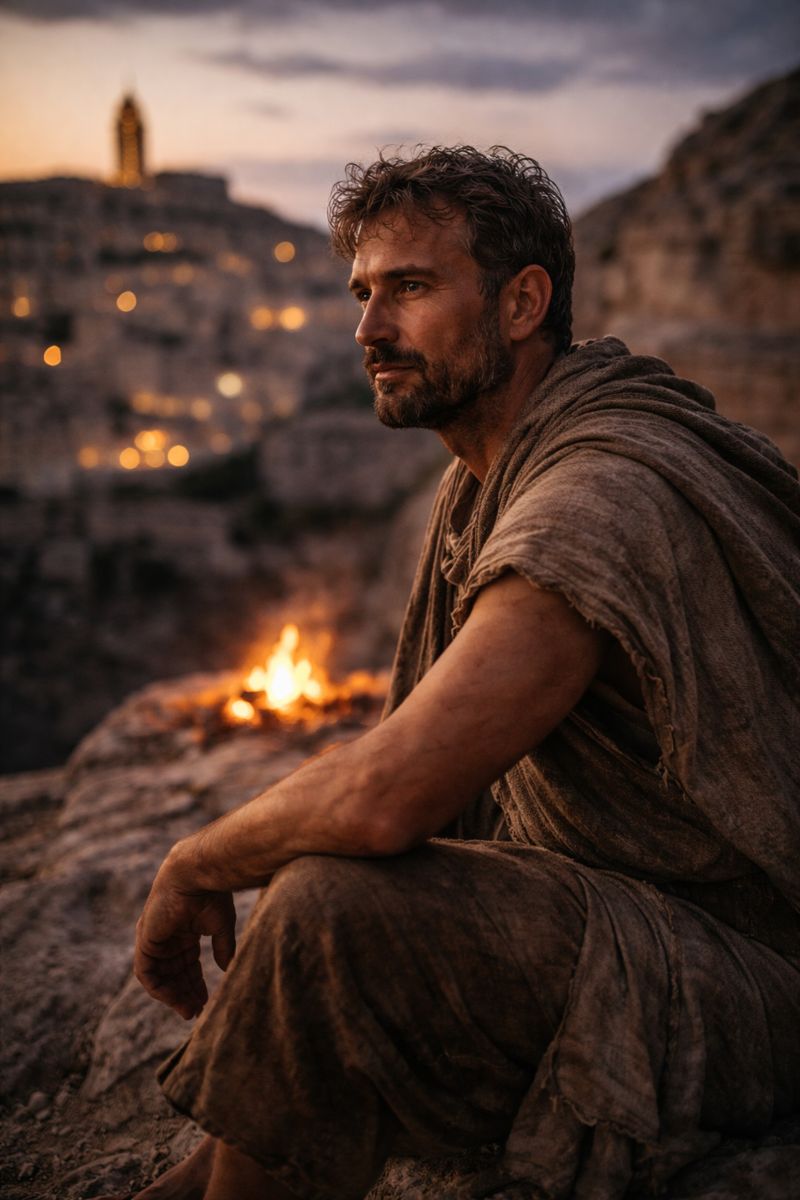
As we enter the final week of Advent, we celebrate the birth of Christ. Over the next 33 years, Jesus would change the world in a greater way than anyone in history. Much of the focus often falls on His teachings—His words, parables, and sermons—but what about the life He lived? Not just what Jesus said, but how He lived day to day. Those who followed Him believed not only because of His words, but because of His perfect example. Jesus was entrusted with giving the world a vision for how life is meant to be lived.
“What has been entrusted to you that is sweet, fragile, and unfinished?
Those words from Cosiamo’s introduction this week hit me deeply, because they perfectly describe my sons. My oldest, especially, at just four years old, is in one of the most fragile stages of his life. He hears everything when I think he isn’t listening. He sees everything when I think he isn’t looking. And whether good or bad, he mimics everything I do. He is a direct mirror of my behavior. When I am calm, he is calm. When I become anxious, he becomes unsettled. When I express frustration, he does the same when facing his next challenge. He rarely follows my words, but he always follows my actions. The examples I live out today will directly impact who he becomes in the future. That reality has forced me to look inward.
What kind of vision do I have for my son? What kind of life do I want him to live? How do I want him to handle fear, struggle, heartbreak, and defeat?
The truth is, I can tell him what I want for his life, but no matter what I say, he will follow my example, not my words. From the moment my wife and I learned we were having our first child, something shifted in my heart and mind. I felt a deep conviction that I could no longer drift through life. I didn’t want to simply work a job and waste time on trivial things. I wanted to be intentional. I wanted my life to matter. I began to desire work that brought joy...not only to myself, but to others, something that could make an impact while also providing for my family. That realization forced me to define a vision for my life and begin the work of creating it.
Now, four years later, as that vision continues to take shape, I recognize a deeper responsibility: ensuring that my life aligns with who I want my sons to become. If I want my sons to be builders, leaders, and life-changers, then I must show them that path through my own example. By pursuing the passions God has placed on my heart, using my gifts to serve others, and building something meaningful and life-giving, I am laying down a model they can follow.
We’ve all heard the phrase, “Do as I say, not as I do.” I want the opposite to be true in my home. I want my sons to do as I do—to be led by my actions, not my instructions. I want them to pursue their passions, seek financial freedom with integrity, practice self-control, love others unconditionally, and share the light of Christ wherever they go. The only way that becomes possible is if I first live it out. They will form their vision of life through their vision of me.
As men, we are called to follow Christ not just in belief, but in example. Jesus showed us how to build something from nothing, how to lead with patience, love, and grace, and how to live for something greater than ourselves—something that leaves a lasting impact for the good of others. Through His life, Christ gave us a vision worth imitating. Now, through our lives, we are called to extend that same vision to the men and families around us.
About Jake
Jake Claxton is a husband, father of two sons, and founder of Ride By Design. His reflections draw from family life, faith, and lessons learned on the motocross track.
Mentre entriamo nell'ultima settimana dell'Avvento, celebriamo la nascita di Cristo. Nei successivi 33 anni, Gesù avrebbe cambiato il mondo in modo più significativo di chiunque altro nella storia. Spesso l'attenzione si concentra sui Suoi insegnamenti - le Sue parole, le parabole e i sermoni - ma che dire della vita che ha vissuto? Non solo ciò che Gesù ha detto, ma come ha vissuto giorno dopo giorno. Coloro che Lo seguivano credevano non solo per le Sue parole, ma anche per il Suo esempio perfetto. A Gesù fu affidato il compito di dare al mondo una visione di come dovrebbe essere vissuta la vita.
"Cosa ti è stato affidato che è dolce, fragile e incompiuto?
Queste parole tratte dall'introduzione di Cosiamo di questa settimana mi hanno colpito profondamente, perché descrivono perfettamente i miei figli. Il più grande, in particolare, a soli quattro anni, si trova in una delle fasi più fragili della sua vita. Ascolta tutto quando penso che non stia ascoltando. Vede tutto quando penso che non stia guardando. E, nel bene e nel male, imita tutto ciò che faccio. È uno specchio fedele del mio comportamento. Quando sono calmo, lui è calmo. Quando divento ansioso, lui diventa irrequieto. Quando esprimo frustrazione, lui fa lo stesso quando affronta la sua prossima sfida. Raramente segue le mie parole, ma segue sempre le mie azioni. Gli esempi che vivo oggi avranno un impatto diretto su chi diventerà in futuro. Questa realtà mi ha costretto a guardarmi dentro.
Che tipo di visione ho per mio figlio? Che tipo di vita voglio che viva? Come voglio che affronti la paura, le difficoltà, il dolore e la sconfitta?
La verità è che posso dirgli cosa voglio per la sua vita, ma qualunque cosa io dica, lui seguirà il mio esempio, non le mie parole. Dal momento in cui io e mia moglie abbiamo saputo che stavamo per avere il nostro primo figlio, qualcosa è cambiato nel mio cuore e nella mia mente. Ho sentito la profonda convinzione che non potevo più lasciarmi trasportare dalla vita. Non volevo semplicemente lavorare e sprecare tempo in cose banali. Volevo essere intenzionale. Volevo che la mia vita avesse un significato. Ho iniziato a desiderare un lavoro che portasse gioia... non solo a me stesso, ma anche agli altri, qualcosa che potesse avere un impatto e allo stesso tempo provvedere alla mia famiglia. Questa consapevolezza mi ha costretto a definire una visione per la mia vita e a iniziare a lavorare per realizzarla.
Ora, quattro anni dopo, mentre quella visione continua a prendere forma, riconosco una responsabilità più profonda: assicurarmi che la mia vita sia in linea con ciò che voglio che diventino i miei figli. Se voglio che i miei figli diventino costruttori, leader e persone in grado di cambiare la vita degli altri, allora devo mostrare loro quella strada attraverso il mio esempio. Perseguendo le passioni che Dio ha messo nel mio cuore, usando i miei doni per servire gli altri e costruendo qualcosa di significativo e vivificante, sto creando un modello che loro possono seguire.
Tutti abbiamo sentito la frase: “Fai come dico, non come faccio”. Voglio che nella mia casa sia vero il contrario. Voglio che i miei figli facciano come me, che siano guidati dalle mie azioni, non dalle mie istruzioni. Voglio che perseguano le loro passioni, cerchino la libertà finanziaria con integrità, pratichino l'autocontrollo, amino gli altri incondizionatamente e condividano la luce di Cristo ovunque vadano. L'unico modo per renderlo possibile è che io lo viva per primo. Formeranno la loro visione della vita attraverso la loro visione di me.
Come uomini, siamo chiamati a seguire Cristo non solo nella fede, ma anche nell'esempio. Gesù ci ha mostrato come costruire qualcosa dal nulla, come guidare con pazienza, amore e grazia, e come vivere per qualcosa di più grande di noi stessi, qualcosa che lasci un impatto duraturo per il bene degli altri. Attraverso la sua vita, Cristo ci ha dato una visione che vale la pena imitare. Ora, attraverso le nostre vite, siamo chiamati a estendere quella stessa visione agli uomini e alle famiglie che ci circondano.
Informazioni su Jake
Jake Claxton è marito, padre di due figli e fondatore di Ride By Design. Le sue riflessioni traggono ispirazione dalla vita familiare, dalla fede e dalle lezioni apprese sulla pista di motocross.
Scava il pozzo prima di avere sete
This proverb reminds us that wisdom is rarely loud or urgent, it is quiet, patient, and prepared. You don’t wait for thirst to strike before searching for water. You dig when the ground is still soft, when your hands are steady, when you can think clearly.
In life, this means tending to what matters before crisis forces your hand: caring for your body before illness, nurturing relationships before distance grows, setting aside resources before fear enters the room. It is an invitation to foresight, not anxiety to steady work done in calm seasons so that hard seasons do not overwhelm us. For builders, this proverb is a way of life. Preparation is not pessimism; it is reverence for what has been entrusted to us. When the moment comes, and it always does, the well is already there.
Questo proverbio ci ricorda che la saggezza raramente è rumorosa o urgente, ma è silenziosa, paziente e preparata. Non si aspetta di avere sete prima di cercare l'acqua. Si scava quando il terreno è ancora morbido, quando le mani sono ferme, quando si può pensare con chiarezza.
Nella vita, questo significa occuparsi di ciò che conta prima che la crisi ti costringa a farlo: prendersi cura del proprio corpo prima che arrivi la malattia, coltivare le relazioni prima che la distanza cresca, mettere da parte le risorse prima che la paura entri nella stanza. È un invito alla lungimiranza, non all'ansia di lavorare con costanza nei periodi tranquilli, in modo che quelli difficili non ci sopraffanno. Per i costruttori, questo proverbio è uno stile di vita. La preparazione non è pessimismo, è rispetto per ciò che ci è stato affidato. Quando arriva il momento, e arriva sempre, il pozzo è già lì.
Cartellate di Natale
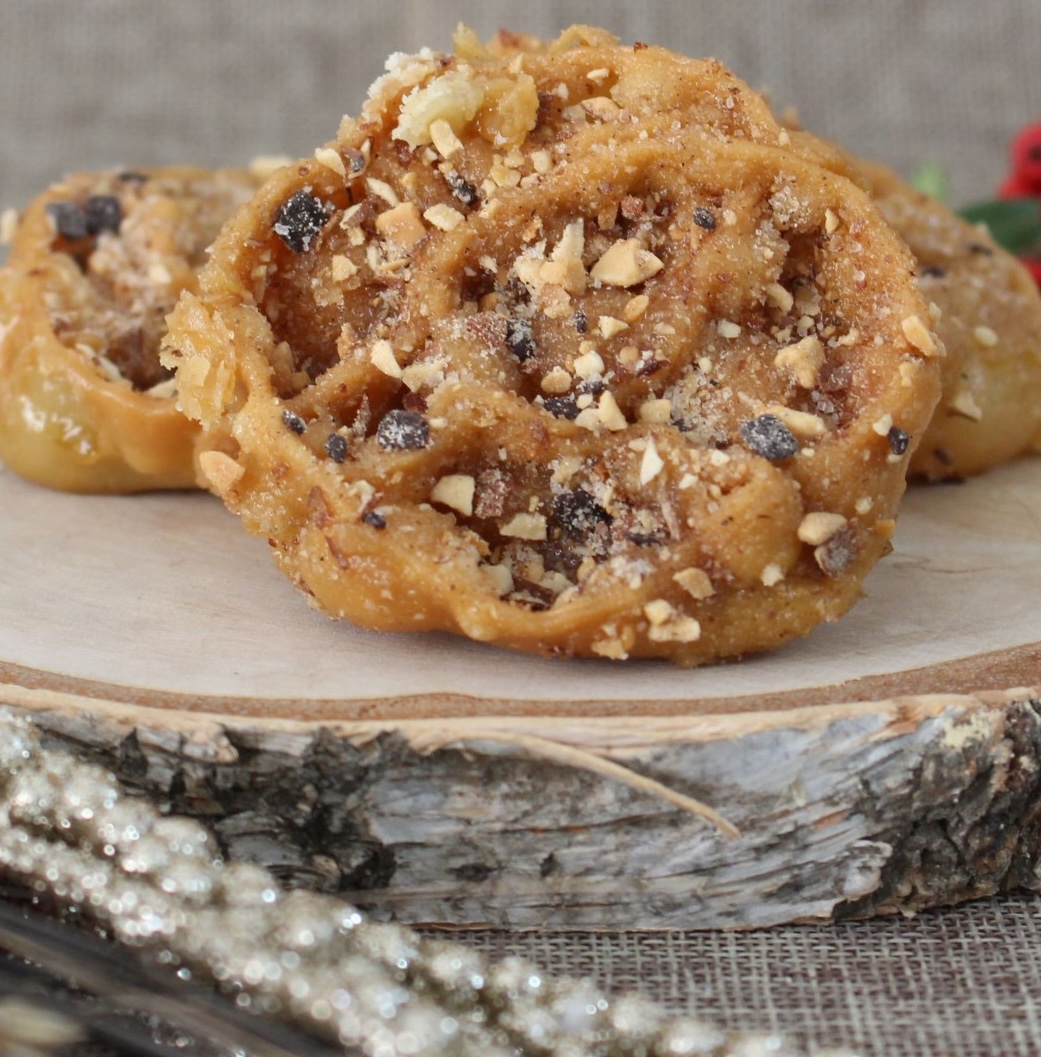
Honey, Almonds, and the Sweetness of Promise
One of the most enduring expressions of this lingering sweetness is cartellate: delicate ribbons of dough shaped into rose-like spirals, fried lightly, then bathed in warm honey or vincotto and finished with almonds. Cartellate are not everyday food. They appear once a year, made slowly, often together, and offered as a sign that the long work of the season has yielded something good. They belong naturally to the final week of Advent. This is dessert as vision: sweetness that follows labor, and joy that arrives without excess.
For the dough
500 g all-purpose flour
100 ml extra virgin olive oil
200 ml dry white wine
A pinch of salt
For finishing
250–300 g good-quality honey
80 g toasted almonds, roughly chopped
Neutral oil for frying
Prepare the dough
On a work surface, form the flour into a mound. Add the olive oil, wine, and salt. Knead until smooth and elastic. The dough should be firm but workable. Cover and let rest for at least 30 minutes.
Roll and cut
Roll the dough thin—almost translucent. Cut into long strips, about 3 cm wide.
Shape the cartellate
Fold each strip into a loose spiral or rose, pinching gently at intervals to create small pockets. These pockets are meant to hold the honey later—do not over-tighten.
Fry
Heat oil to medium. Fry the cartellate briefly, turning once, until lightly golden. They should remain delicate, not dark. Drain on paper towels.
Warm the honey
Gently warm the honey until fluid but not boiling.
Finish
Arrange the cartellate on a serving platter. Spoon warm honey over them generously. Sprinkle with toasted almonds.
Allow them to rest for a few minutes before serving.
Cartellate are not rushed. They are offered. Serve them at the end of the meal or later in the evening with conversation still alive and nothing left to prove. They keep well and are often better the next day, when the honey has fully settled. This is how Christmas sweetness is meant to be held: formed patiently, shared freely, and remembered longer than it lasts.
Cultural Note: Honey or Vincotto?
Traditionally, cartellate are finished with either honey or vincotto, depending on family custom and region.
Honey represents sweetness that comes from patient work and cooperation. In many Christian traditions, honey symbolizes promise, abundance, and the “land flowing with milk and honey”—a sweetness received and shared rather than produced alone. Using honey for Christmas emphasizes hope, blessing, and what is being entrusted for the future.
Vincotto, a reduction of grape must, reflects an older agricultural economy and a more austere sweetness. Dark, concentrated, and slightly bitter, it speaks to endurance, preservation, and making the most of what the land provides after long labor.
Both are authentic.
Honey leans toward promise and vision. Vincotto leans toward memory and resilience.
Choosing one over the other is not about correctness, it is about which story a family is telling at the table.
Miele, mandorle e la dolcezza della promessa
Una delle espressioni più durature di questa dolcezza persistente è la cartellata: delicati nastri di pasta modellati a forma di spirali simili a rose, leggermente fritti, poi immersi in miele caldo o vincotto e rifiniti con mandorle. Le cartellate non sono un alimento quotidiano. Appaiono una volta all'anno, preparate lentamente, spesso insieme, e offerte come segno che il lungo lavoro della stagione ha dato buoni frutti. Appartengono naturalmente all'ultima settimana dell'Avvento. Questo è un dessert come visione: dolcezza che segue il lavoro e gioia che arriva senza eccessi.
Per l'impasto
500 g di farina multiuso
100 ml di olio extravergine di oliva
200 ml di vino bianco secco
Un pizzico di sale
Per la finitura
250-300 g di miele di buona qualità
80 g di mandorle tostate, tritate grossolanamente
Olio neutro per friggere
Preparare l'impasto
Su un piano di lavoro, formare una montagnola con la farina. Aggiungere l'olio d'oliva, il vino e il sale. Impastare fino a ottenere un composto liscio ed elastico. L'impasto deve essere compatto ma lavorabile. Coprire e lasciare riposare per almeno 30 minuti.
Stendere e tagliare
Stendere la pasta fino a renderla sottile, quasi trasparente. Tagliare a strisce lunghe, larghe circa 3 cm.
Formare le cartellate
Piegare ogni striscia a spirale o a rosa, pizzicando delicatamente a intervalli regolari per creare delle piccole tasche. Queste tasche serviranno per contenere il miele in seguito, quindi non stringere troppo.
Friggere
Scaldare l'olio a fuoco medio. Friggere brevemente le cartellate, girandole una volta, fino a quando non saranno leggermente dorate. Dovrebbero rimanere delicate, non scure. Scolarle su carta assorbente.
Riscaldare il miele
Riscaldare delicatamente il miele fino a renderlo fluido, ma senza farlo bollire.
Finire
Disporre le cartellate su un piatto da portata. Versare generosamente il miele caldo con un cucchiaio. Cospargere con mandorle tostate.
Lasciare riposare per qualche minuto prima di servire.
Le cartellate non vanno consumate in fretta. Vanno offerte. Servitele alla fine del pasto o più tardi la sera, quando la conversazione è ancora vivace e non c'è più nulla da dimostrare. Si conservano bene e spesso sono più buone il giorno dopo, quando il miele si è completamente stabilizzato. È così che deve essere la dolcezza del Natale: preparata con pazienza, condivisa liberamente e ricordata più a lungo di quanto duri.
Tradizionalmente, le cartellate vengono completate con miele o vincotto, a seconda delle usanze familiari e della regione.
Il miele rappresenta la dolcezza che deriva dal lavoro paziente e dalla cooperazione. In molte tradizioni cristiane, il miele simboleggia la promessa, l'abbondanza e la “terra dove scorre latte e miele”, una dolcezza ricevuta e condivisa piuttosto che prodotta da soli. L'uso del miele a Natale sottolinea la speranza, la benedizione e ciò che viene affidato per il futuro.
Il vincotto, una riduzione di mosto d'uva, riflette un'economia agricola più antica e una dolcezza più austera. Scuro, concentrato e leggermente amaro, parla di resistenza, conservazione e di sfruttare al meglio ciò che la terra offre dopo un lungo lavoro.
Entrambi sono autentici.
Il miele tende alla promessa e alla visione. Il vincotto tende alla memoria e alla resilienza.
Scegliere l'uno piuttosto che l'altro non è una questione di correttezza, ma di quale storia racconta una famiglia a tavola.
Cosiamo, Founder UMANIAMO® | Formation & Architecture
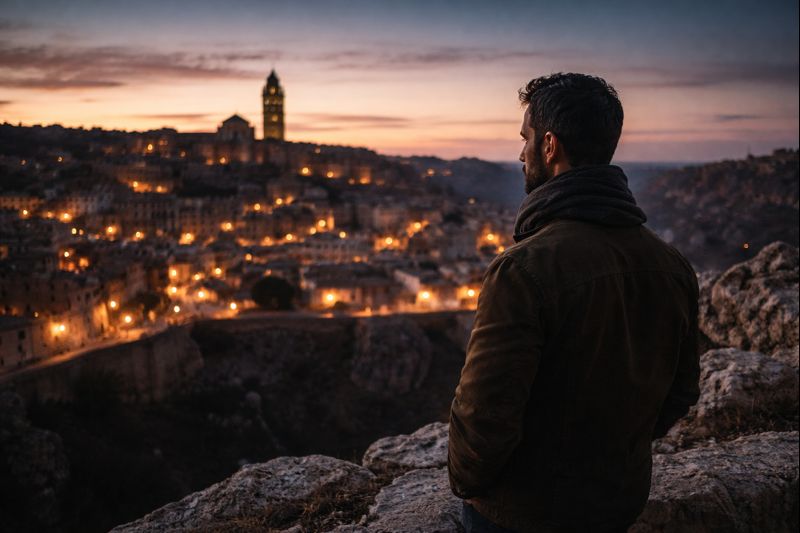
As this year draws to a close, I find myself less interested in resolutions and more attentive to orientation. The days between Christmas and the New Year have a particular weight. They are not loud days. They are threshold days, the days that ask us to pause, to take stock, and to choose how we will step forward.
This is where the Seven Promises of the New Leadership Covenant have become especially real for me, not as principles to promote, but as commitments to live.
To care for the whole person reminds me that none of us is reducible to what we produce, how we perform, or what we carry publicly. We are always more than our roles. This promise asks me to see first the dignity of the person in front of me, especially when it would be easier to see function instead.
To empower each person to a greater purpose is a reminder that leadership is not something we hold tightly, but something we help awaken in others. When agency is shared, strength multiplies; when hoarded, it withers.
To integrate faith and science teaches me to refuse false divisions between meaning and method, between the sacred and the practical. Truth is not fragile it bond together.
To encourage reflection and discernment has been one of the hardest promises to keep. It asks me to slow down when the world urges speed, to choose wisely rather than react quickly, and to trust that clarity comes to those who are willing to wait.
To value every act of service has reshaped how I look at work. Not all that matters is visible and not all that is visible matters equally. Much of what sustains us is quiet, faithful, and unseen.
To invite continuous growth is to accept that formation never ends. There is no finish line where learning stops. Growth is not a phase of life; it is a responsibility of it.
And finally, there is Magis, the promise that holds all the others. The call to become more for the sake of others; not more busy or more impressive; but more human, more present, more faithful, together.
These promises echo beautifully in the saints we remember as the year turns.
On December 30, we honor the Holy Family of Jesus, Mary, and Joseph, a celebration not of perfection, but of fidelity, work, and shared responsibility. A family shaped by trust, by labor, and by saying yes to what was entrusted to them, even when the path ahead was unclear.
On December 31, San Silvestro stands at the doorway between years. His day reminds us that endings need not be feared. They can be honored. What we release makes room for what we are ready to receive.
And on January 1, we begin again with Mary, Mother of God—placing the new year not in the hands of control, but in the posture of care, humility, and faithfulness. She reminds us that the future is not conquered; it is received.
As I step into the New Year, I am holding less tightly to plans and more attentively to promises. I am trying to listen more carefully: to people, to silence, to what is being asked of me next.
My hope for you is simple: that you begin this year grounded rather than rushed, oriented rather than anxious, and accompanied rather than alone.
May the Seven Promises steady our steps and fidelity guide our work. Our work is the call to Magis, to human flourishing that draws us forward, together. We are human together or not at all.
The days that bridge the old year and the new are marked by saints who knew how to carry faith forward quietly—often through endurance, discernment, and responsibility.
December 29 – San Tommaso Becket
A witness to conscience and integrity under pressure.
December 30 – Santa Famiglia di Gesù, Maria e Giuseppe
A celebration of fidelity, work, and shared responsibility.
December 31 – San Silvestro
A threshold day—honoring endings without fear of beginnings.
January 1 – Maria Santissima Madre di Dio
The New Year entrusted to care, humility, and faithfulness.
January 2 – Santi Basilio Magno e Gregorio Nazianzeno
Builders of thought, tradition, and community.
January 3 – Santissimo Nome di Gesù
A name carried quietly before it changed the world.
January 4 – Santa Elisabetta Ann Seton
A woman who built institutions from fidelity and foresight.
Mentre quest'anno volge al termine, mi ritrovo meno interessato ai buoni propositi e più attento all'orientamento. I giorni tra Natale e Capodanno hanno un peso particolare. Non sono giorni rumorosi. Sono giorni di soglia, giorni che ci chiedono di fermarci, di fare il punto della situazione e di scegliere come andare avanti.
È qui che le Sette Promesse del Nuovo Patto di Leadership sono diventate particolarmente reali per me, non come principi da promuovere, ma come impegni da vivere.
Prendersi cura della persona nella sua interezza mi ricorda che nessuno di noi è riducibile a ciò che produce, a come si comporta o a ciò che mostra pubblicamente. Siamo sempre più dei nostri ruoli. Questa promessa mi chiede di vedere prima di tutto la dignità della persona che ho davanti, soprattutto quando sarebbe più facile vedere invece la sua funzione.
Dare a ogni persona la possibilità di raggiungere uno scopo più grande mi ricorda che la leadership non è qualcosa che teniamo stretta, ma qualcosa che aiutiamo a risvegliare negli altri. Quando l'azione è condivisa, la forza si moltiplica; quando è accumulata, appassisce.
Integrare fede e scienza mi insegna a rifiutare false divisioni tra significato e metodo, tra sacro e pratico. La verità non è fragile, ma unisce.
Incoraggiare la riflessione e il discernimento è stata una delle promesse più difficili da mantenere. Mi chiede di rallentare quando il mondo esorta alla velocità, di scegliere con saggezza piuttosto che reagire rapidamente e di confidare che la chiarezza arriva a coloro che sono disposti ad aspettare.
Valorizzare ogni atto di servizio ha rimodellato il mio modo di vedere il lavoro. Non tutto ciò che conta è visibile e non tutto ciò che è visibile ha lo stesso valore. Gran parte di ciò che ci sostiene è silenzioso, fedele e invisibile.
Invitare alla crescita continua significa accettare che la formazione non finisce mai. Non c'è un traguardo dove l'apprendimento si ferma. La crescita non è una fase della vita, è una responsabilità.
E infine c'è il Magis, la promessa che racchiude tutte le altre. La chiamata a diventare più per il bene degli altri; non più impegnati o più impressionanti, ma più umani, più presenti, più fedeli, insieme.
Queste promesse risuonano magnificamente nei santi che ricordiamo alla fine dell'anno.
Il 30 dicembre onoriamo la Sacra Famiglia di Gesù, Maria e Giuseppe, una celebrazione non della perfezione, ma della fedeltà, del lavoro e della responsabilità condivisa. Una famiglia plasmata dalla fiducia, dal lavoro e dal dire sì a ciò che era stato loro affidato, anche quando il cammino da percorrere era incerto.
Il 31 dicembre, San Silvestro si trova sulla soglia tra un anno e l'altro. Il suo giorno ci ricorda che non bisogna temere le conclusioni. Possono essere onorate. Ciò che lasciamo andare fa spazio a ciò che siamo pronti a ricevere.
E il 1° gennaio ricominciamo con Maria, Madre di Dio, affidando il nuovo anno non al controllo, ma alla cura, all'umiltà e alla fedeltà. Lei ci ricorda che il futuro non si conquista, ma si riceve.
Mentre entro nel nuovo anno, mi aggrappo meno ai piani e più alle promesse. Cerco di ascoltare con più attenzione: le persone, il silenzio, ciò che mi viene chiesto di fare.
La mia speranza per voi è semplice: che iniziate quest'anno con i piedi per terra piuttosto che di fretta, orientati piuttosto che ansiosi, accompagnati piuttosto che soli.
Possano le Sette Promesse rendere saldi i nostri passi e la fedeltà guidare il nostro lavoro. Il nostro lavoro è la chiamata al Magis, alla fioritura umana che ci spinge avanti, insieme. Siamo umani insieme o non lo siamo affatto.
I giorni che collegano il vecchio anno al nuovo sono segnati da santi che hanno saputo portare avanti la fede in silenzio, spesso attraverso la perseveranza, il discernimento e la responsabilità.
29 dicembre – San Tommaso Becket: Testimone di coscienza e integrità sotto pressione.
30 dicembre – Santa Famiglia di Gesù, Maria e Giuseppe: Una celebrazione della fedeltà, del lavoro e della responsabilità condivisa.
31 dicembre – San Silvestro: Un giorno di soglia: onorare le conclusioni senza paura degli inizi.
1 gennaio – Maria Santissima Madre di Dio: Il nuovo anno affidato alla cura, all'umiltà e alla fedeltà.
2 gennaio – Santi Basilio Magno e Gregorio Nazianzeno: Costruttori di pensiero, tradizione e comunità.
3 gennaio – Santissimo Nome di Gesù: Un nome portato con discrezione prima di cambiare il mondo.
4 gennaio – Santa Elisabetta Ann Seton: Una donna che ha costruito istituzioni basate sulla fedeltà e la lungimiranza.