Crossing Begins
Humaning Library → Sunday Table → Crossing Begins
March 30 - April 5, 2026
The Crossing Begins - Truth & Sacrifice
We are Human Together or Not at All.
Cosiamo | Founder, UMANIAMO® | Formation & Architecture

Four years ago this weekend something happened that I did not understand at the time, and still don't. I arrived in Matera on Good Friday and it was not originally meant to be a long stop on my pilgrimage. I chose the town simply because it sat between the village my great-grandparents came from (Armento) and Bari, where I planned to spend Easter before continuing north.
My plan was originally: two nights in Matera, two nights in Bari, and then onward to Pesaro for an appointment that Tuesday, and then a few days in Florence. But something very unexpected happened.
After arriving in Bari on Easter Sunday, I realized very quickly that I didn’t want to stay. The next morning on Easter Monday (Pasquetta in Italy), I returned to Matera. By coincidence, the hotel placed me back in the exact same room on the roof of the old palace overlooking the ravine. That evening I stepped outside and looked across toward the Murgia.
Only minutes earlier the ravine had been grey and quiet. Then the horizon began to glow. Before the shape of the moon even appeared, the sky looked like a fire rising from the earth. When the orb finally lifted above the ridge, it looked exactly like the sun and the entire landscape began to glow.
Standing there alone, I said something out loud that surprised even me: “If this is what people saw as the Resurrection… I totally believe.” At the time I didn’t interpret the moment as anything overtly dramatic. But looking back now, it feels more like a quiet moment of conversion, the moment I realized I had been called to be here.
The real mystery may not have been the rising moon. It may have been my decision to return to Matera that morning. Had I stayed in Bari as planned, I would not have been standing on that roof. And the last four years of my life's journey over these past years may have unfolded very differently...
Every meaningful journey eventually reaches a moment of crossing. The path behind us is past and no longer viable… the road ahead is not fully visible and a little foggy. What carried us here: curiosity, enthusiasm, discovery, won’t get us there and must give way to something deeper: honesty, loyalty, and the courage to face some emerging truth. We may mark this moment by remembering the signs, but there may also be a disorienting sense of movement into, “how did I get here?”
This is the movement that begins at Easter. The Resurrection does not erase sacrifice; it reveals what sacrifice makes possible. Before new life appears, illusions fade away. The heart becomes strong enough to hold both truth and love at the same time.
The Crossing rarely feels like a big deal when it begins. Often it does not feel like a crossing at all. More often it feels like a curiosity… or a strange sense of recognition… or a quiet realization that something important has just shifted beneath your feet. Only later do we recognize that we had stepped into a new landscape.
I can imagine that the disciples experienced something similar after the Resurrection. They had witnessed something extraordinary, but they did not yet understand what it meant or where it would lead. The road ahead remained uncertain. They were standing at the edge of something new, though they did not yet know its name. This is the nature of the Crossing.
It is not a formula, and it is not a straight line. Some people may encounter it once in a lifetime. Others may find themselves crossing many times. But whenever it appears, it asks something of us... the courage to remain present long enough for truth to reveal what comes next.
Sometimes the first step is taking your seat at the table.
Quattro anni fa, proprio in questo fine settimana, è successo qualcosa che allora non capivo, e che ancora oggi non capisco. Sono arrivato a Matera il Venerdì Santo e, in origine, non doveva essere una sosta lunga nel mio pellegrinaggio. Avevo scelto quella città semplicemente perché si trovava a metà strada tra il paese da cui provenivano i miei bisnonni (Armento) e Bari, dove avevo in programma di trascorrere la Pasqua prima di proseguire verso nord.
Il mio programma iniziale era: due notti a Matera, due notti a Bari, poi proseguimento verso Pesaro per un appuntamento quel martedì, e infine qualche giorno a Firenze. Ma accadde qualcosa di davvero inaspettato.
Dopo essere arrivato a Bari la domenica di Pasqua, mi sono reso conto molto rapidamente che non volevo restare. La mattina seguente, il lunedì di Pasqua (Pasquetta in Italia), sono tornato a Matera. Per coincidenza, l’hotel mi ha sistemato di nuovo nella stessa identica stanza sul tetto del vecchio palazzo affacciato sulla gola. Quella sera sono uscito e ho guardato verso la Murgia.
Solo pochi minuti prima la gola era grigia e silenziosa. Poi l’orizzonte ha cominciato a brillare. Ancor prima che la luna apparisse, il cielo sembrava un fuoco che si levava dalla terra. Quando finalmente il disco si è alzato sopra la cresta, sembrava proprio il sole e l’intero paesaggio ha cominciato a risplendere.
In piedi lì da solo, ho detto ad alta voce qualcosa che ha sorpreso persino me: “Se questo è ciò che la gente vedeva come la Resurrezione… ci credo totalmente.” All’epoca non ho interpretato quel momento come qualcosa di apertamente drammatico. Ma guardando indietro ora, sembra più un momento tranquillo di conversione, il momento in cui ho capito di essere stato chiamato a trovarmi lì.
Il vero mistero potrebbe non essere stato il sorgere della luna. Potrebbe essere stata la mia decisione di tornare a Matera quella mattina. Se fossi rimasto a Bari come previsto, non mi sarei trovato su quel tetto. E gli ultimi quattro anni del mio percorso di vita potrebbero essersi svolti in modo molto diverso...
Ogni viaggio significativo alla fine raggiunge un momento di attraversamento. Il sentiero alle nostre spalle è passato e non è più percorribile… la strada davanti a noi non è completamente visibile ed è un po' nebbiosa. Ciò che ci ha portato qui: curiosità, entusiasmo, scoperta, non ci porterà lì e deve lasciare il posto a qualcosa di più profondo: onestà, lealtà e il coraggio di affrontare alcune verità emergenti. Possiamo segnare questo momento ricordando i segni, ma potrebbe esserci anche un senso disorientante di movimento verso l’interno, “come sono arrivato qui?”
Questo è il movimento che inizia a Pasqua. La Resurrezione non cancella il sacrificio; rivela ciò che il sacrificio rende possibile. Prima che appaia la nuova vita, le illusioni svaniscono. Il cuore diventa abbastanza forte da contenere contemporaneamente sia la verità che l’amore.
Il Passaggio raramente sembra una cosa importante quando inizia. Spesso non sembra affatto un passaggio. Più spesso sembra una curiosità… o uno strano senso di riconoscimento… o una tranquilla consapevolezza che qualcosa di importante è appena cambiato sotto i tuoi piedi. Solo più tardi ci rendiamo conto di essere entrati in un nuovo paesaggio.
Posso immaginare che i discepoli abbiano vissuto qualcosa di simile dopo la Resurrezione. Avevano assistito a qualcosa di straordinario, ma non capivano ancora cosa significasse o dove avrebbe portato. La strada da percorrere rimaneva incerta. Si trovavano sull’orlo di qualcosa di nuovo, anche se non ne conoscevano ancora il nome. Questa è la natura dell’Attraversamento.
Non è una formula, e non è una linea retta. Alcune persone potrebbero incontrarlo una volta nella vita. Altre potrebbero trovarsi ad attraversarlo molte volte. Ma ogni volta che appare, ci chiede qualcosa... il coraggio di rimanere presenti abbastanza a lungo affinché la verità riveli ciò che verrà dopo.
A volte il primo passo è sedersi a tavola.
The Capacity to Love and Be Loved
Each week, we offer two simple ways to reflect depending on how and where you find yourself.
The Table Conversation is a short, shared reflection. It works best around a meal, in the living room, or during unhurried time with friends or family. No preparation is required, only presence.
The D.E.E.P.E.R. Examen is a longer, personal reflection.
It’s designed to be done on your own, at your own pace, with space for silence, journaling, or prayer. You don’t need to do both. Choose the one that fits your moment. Both are ways of paying attention to what has been forming you, so experience can mature into wisdom.
This reflection works best around a meal, in the living room, or during unhurried time with friends or family. No preparation is required only your presence. Take a moment to take a look at the REDISCOVER UⓇ digital image together and allow a brief silence before beginning conversation.
The Capacity to Love and Be Loved is the ability to see the goodness in yourself and another person clearly enough that a relationship forms around that recognition - and that recognition must be mutual. To love another person deeply requires seeing them clearly through their strengths, their struggles, their dignity, and their potential. To be loved requires something equally difficult. It requires allowing ourselves to be seen. This is why we will begin the Crossing here through this REDISCOVER UⓇ strength.
Who are the people in your life who have truly seen you through strengths, struggles, and all and remained loyal?
When have you experienced someone recognizing your potential before you fully saw it yourself?
Why is it sometimes harder to receive love than to offer it?
Allow each person to respond without interruption. The goal of the conversation is not agreement or perfect answers. The goal is clearer awareness of the patterns shaping our relationships.
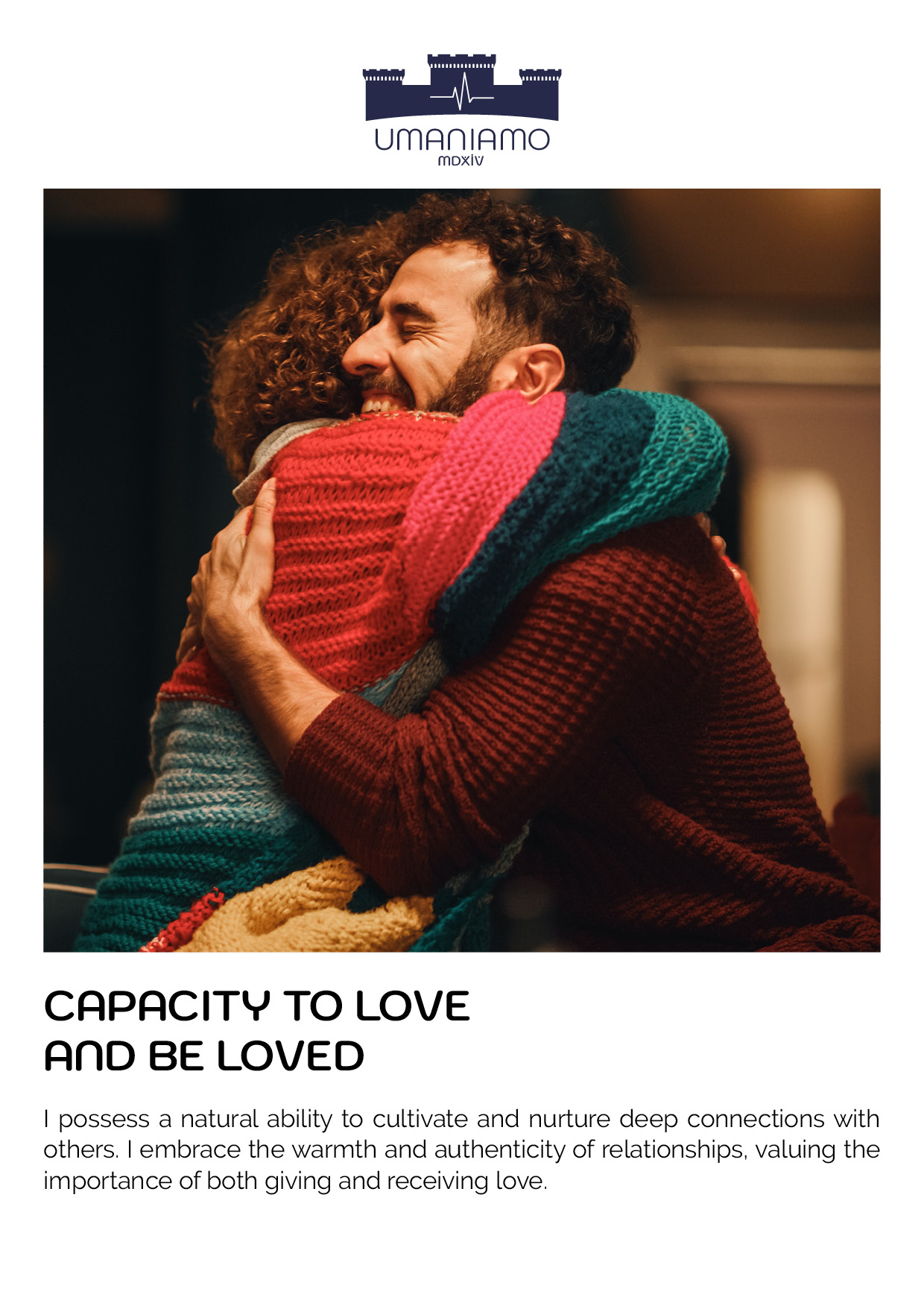
The D.E.E.P.E.R. Examen helps us slow down long enough to see our experiences clearly before reacting. This week’s reflection focuses on the discipline of remaining calm and clear when tension appears. Take a few quiet minutes to reflect on the questions below.
When people hear the word love, they sometimes think of kindness, politeness, or a quick expression of affection. In everyday language the word can become casual something said easily, habitually, sometimes without much depth behind it. But the love introduced at the Last Supper is different… Christ gives his disciples a new commandment: Love one another as I have loved you.
This love was not sentimental it was direct and specific and we can assume they knew or would know what Christ meant. This love chooses the good of another person even when sacrifice is required. In Italy, friends often express affection with the phrase “Ti voglio bene.” Literally it means something closer to I want your good and we will revisit this throughout the Sunday Table this week.
The D.E.E.P.E.R. Examen helps us reflect on our relationships through multiple lenses. At the end of the day this week, take a few minutes to reflect:
DETAILS: Where did you notice meaningful connection or care today?
EVIDENCE: What actions demonstrated genuine loyalty or commitment in a relationship?
EMPATHY: Who in your life may need to feel more seen or understood right now?
PROSPECTIVE: What relationships in your life are worth strengthening in the weeks ahead?
EXECUTION: What small action could reinforce trust or appreciation tomorrow?
REFLECTION: Where did you feel gratitude for the people who share your life?
Strong relationships require emotional awareness. When tension appears in conversations or relationships, pause and check:
H.A.L.T. are you: Hungry | Angry | Lonely | Tired
These conditions often influence our reactions more than we realize. Before responding quickly, take a moment to regulate.
EXPRESS: Share what you are experiencing honestly rather than allowing frustration to build silently.
REFRAME: Step back and reconsider the situation. Ask what might be happening in the other person's experience as well.
Often the difference between conflict and growth is simply the willingness to pause and reflect before reacting.
The REDISCOVER U® strength we are reflecting on this week, the Capacity to Love and Be Loved, is often spoken about lightly in everyday life. People say “I love you” quickly, sometimes almost as a reflex, the phrase passing easily between conversations, messages, and goodbyes. Yet the love Christ speaks about during the Last Supper carries a very different gravity. It sounds less like a passing expression and more like a promise.
In many ways it resembles the vows spoken in a marriage ceremony. Those vows are not simply poetic words meant to capture a moment of emotion. They are promises made with full awareness that life will include misunderstanding, sacrifice, disappointment, and seasons when loyalty will be tested. Still, the vow is a vow, for love chooses to remain.
The capacity to love and to be loved carries this same seriousness. It is the willingness to see another person clearly and to remain present to them over time. It is also the willingness to allow ourselves to be seen in return, to be recognized not only for our strengths but also for our uncertainties and messy unfinished places.
This is why the Sunday Table is never meant to feel like a casual gathering. Over time relationships deepen in ways that cannot be manufactured through commentary or observation from a distance. Taking a seat at the Sunday Table is not simply an act of attendance. It is a conscious choice to remain present long enough for trust to grow.
In the ancient world, warriors sometimes formed what was known as a shield wall. Each person’s shield protected the person standing beside them. The strength of the defensive formation did not come from one individual’s power but from the willingness of each person to hold their place so the others would not stand alone.
Their brotherhood worked this way through responsibility, protection, and the courage to remain steady when others depend on you. We often hear people say they would be willing to die for those they love - we hear it in movies and sometimes say it ourselves. Yet the harder question is usually something else entirely. are we willing to live for one another? This is the love Christ describes when he tells his disciples to love one another as he has loved them.
Over time many readers discover that the Sunday Table and the REDISCOVER U® practices becomes a weekly rhythm of reflection and formation which supports wellbeing and flourishing.
→ Learn more about REDISCOVER U®
Ogni settimana proponiamo due semplici modi per riflettere, a seconda di come e dove ti trovi.
La conversazione a tavola è una breve riflessione condivisa. Funziona al meglio durante un pasto, in salotto o in un momento tranquillo con amici o familiari. Non serve alcuna preparazione, solo la tua presenza.
L’Esame D.E.E.P.E.R. è una riflessione personale più lunga.
È pensata per essere fatta da soli, al proprio ritmo, con spazio per il silenzio, la scrittura nel diario o la preghiera. Non è necessario fare entrambe. Scegli quella che si adatta al tuo momento. Entrambe sono modi per prestare attenzione a ciò che ti ha plasmato, in modo che l'esperienza possa maturare in saggezza.
Questa riflessione funziona meglio durante un pasto, in salotto o in un momento tranquillo con amici o familiari. Non è richiesta alcuna preparazione, solo la vostra presenza. Prendetevi un momento per guardare insieme l’immagine digitale REDISCOVER UⓇ e concedetevi un breve silenzio prima di iniziare la conversazione.
La capacità di amare ed essere amati è l’abilità di vedere la bontà in te stesso e in un’altra persona con sufficiente chiarezza da far nascere una relazione attorno a quel riconoscimento – e quel riconoscimento deve essere reciproco. Amare profondamente un’altra persona richiede di vederla chiaramente attraverso i suoi punti di forza, le sue difficoltà, la sua dignità e il suo potenziale. Essere amati richiede qualcosa di altrettanto difficile. Richiede di permettere a noi stessi di essere visti. Ecco perché inizieremo il Crossing proprio qui, attraverso questo punto di forza di REDISCOVER UⓇ.
Chi sono le persone nella tua vita che ti hanno visto veramente attraverso i tuoi punti di forza, le tue difficoltà e tutto il resto e sono rimaste fedeli?
Quando hai sperimentato che qualcuno riconoscesse il tuo potenziale prima che tu lo vedessi pienamente da solo?
Perché a volte è più difficile ricevere amore che offrirlo?
Consenti a ogni persona di rispondere senza interruzioni. L'obiettivo della conversazione non è il consenso o le risposte perfette. L'obiettivo è una consapevolezza più chiara dei modelli che plasmano le nostre relazioni.
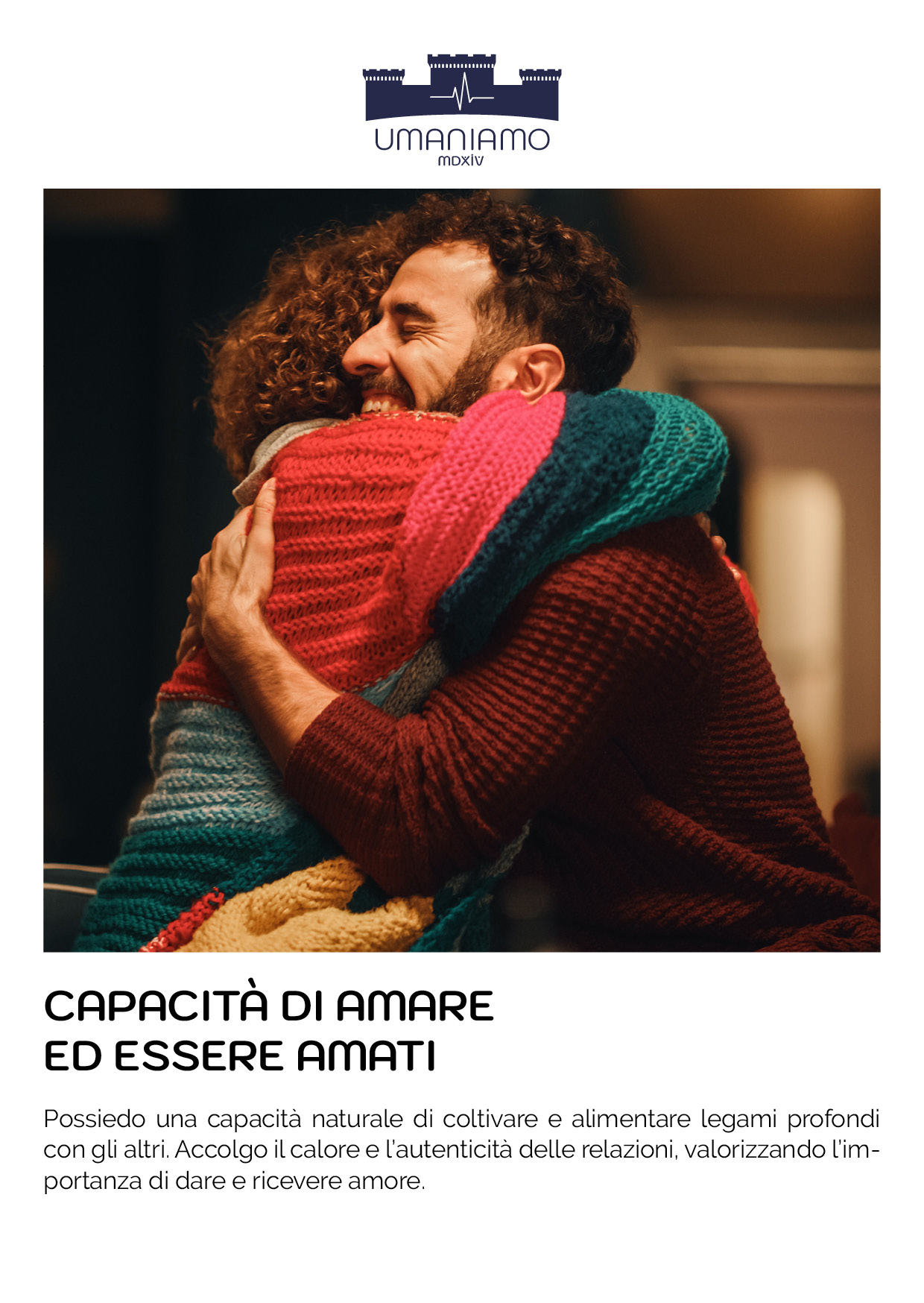
L'esame D.E.E.P.E.R. ci aiuta a rallentare il tempo necessario per osservare chiaramente le nostre esperienze prima di reagire. La riflessione di questa settimana si concentra sulla disciplina di mantenere la calma e la lucidità quando emerge la tensione. Prenditi qualche minuto di tranquillità per riflettere sulle domande riportate di seguito.
Quando le persone sentono la parola amore, a volte pensano alla gentilezza, alla cortesia o a una rapida espressione di affetto. Nel linguaggio quotidiano la parola può diventare casuale, qualcosa detto facilmente, per abitudine, a volte senza molto significato dietro. Ma l’amore presentato durante l’Ultima Cena è diverso… Cristo dà ai suoi discepoli un nuovo comandamento: Amatevi gli uni gli altri come io ho amato voi.
Questo amore non era sentimentale, era diretto e specifico e possiamo supporre che sapessero o avrebbero capito cosa intendesse Cristo. Questo amore sceglie il bene dell’altra persona anche quando è richiesto un sacrificio. In Italia, gli amici spesso esprimono affetto con la frase “Ti voglio bene”. Letteralmente significa qualcosa di più vicino a “Voglio il tuo bene” e torneremo su questo tema durante la Tavola Domenicale di questa settimana.
L’Esame D.E.E.P.E.R. ci aiuta a riflettere sulle nostre relazioni attraverso molteplici lenti. Alla fine della giornata di questa settimana, prenditi qualche minuto per riflettere:
DETTAGLI: Dove hai notato oggi un legame significativo o un gesto di cura?
EVIDENZA: Quali azioni hanno dimostrato lealtà o impegno autentici in una relazione?
EMPATIA: Chi nella tua vita potrebbe aver bisogno di sentirsi più visto o compreso in questo momento?
PROSPETTIVA: Quali relazioni nella tua vita vale la pena rafforzare nelle prossime settimane?
ESECUZIONE: Quale piccola azione potrebbe rafforzare la fiducia o l’apprezzamento domani?
RIFLESSIONE: In quali momenti hai provato gratitudine per le persone che condividono la tua vita?
Le relazioni solide richiedono consapevolezza emotiva. Quando la tensione emerge nelle conversazioni o nelle relazioni, fermati e verifica:
H.A.L.T.: sei: Hungry | Angry | Lonely | Tired
Queste condizioni spesso influenzano le nostre reazioni più di quanto pensiamo. Prima di rispondere in fretta, prenditi un momento per ritrovare l'equilibrio.
ESPRIMI: Condividi onestamente ciò che stai vivendo, invece di lasciare che la frustrazione si accumuli in silenzio.
RIFORMULA: Fai un passo indietro e riconsidera la situazione. Chiediti cosa potrebbe stare vivendo anche l'altra persona.
Spesso la differenza tra conflitto e crescita è semplicemente la volontà di fermarsi e riflettere prima di reagire.
Il punto di forza REDISCOVER U® su cui riflettiamo questa settimana, la capacità di amare ed essere amati, è spesso trattato con leggerezza nella vita quotidiana. Le persone dicono «ti amo» con disinvoltura, a volte quasi per riflesso, e questa frase passa facilmente tra conversazioni, messaggi e saluti. Eppure l'amore di cui parla Cristo durante l'Ultima Cena ha un peso ben diverso. Sembra meno un'espressione passeggera e più una promessa.
Per molti versi assomiglia ai voti pronunciati durante una cerimonia di matrimonio. Quei voti non sono semplicemente parole poetiche intese a catturare un momento di emozione. Sono promesse fatte con la piena consapevolezza che la vita includerà incomprensioni, sacrifici, delusioni e periodi in cui la lealtà sarà messa alla prova. Tuttavia, il voto è un voto, perché l'amore sceglie di restare.
La capacità di amare e di essere amati porta con sé questa stessa serietà. È la volontà di vedere chiaramente l’altra persona e di rimanere presenti per lei nel tempo. È anche la volontà di permettere a noi stessi di essere visti in cambio, di essere riconosciuti non solo per i nostri punti di forza ma anche per le nostre incertezze e i nostri lati disordinati e incompiuti.
Ecco perché la Tavola della Domenica non deve mai sembrare un incontro informale. Col tempo le relazioni si approfondiscono in modi che non possono essere costruiti attraverso commenti o osservazioni a distanza. Sedersi alla Tavola della Domenica non è semplicemente un atto di presenza. È una scelta consapevole di rimanere presenti abbastanza a lungo da far crescere la fiducia.
Nel mondo antico, i guerrieri a volte formavano quella che era conosciuta come una “barriera di scudi”. Lo scudo di ogni persona proteggeva chi gli stava accanto. La forza di quella formazione difensiva non derivava dal potere di un singolo individuo, ma dalla volontà di ciascuno di mantenere la propria posizione affinché gli altri non rimanessero soli.
La loro fratellanza funzionava in questo modo attraverso la responsabilità, la protezione e il coraggio di rimanere saldi quando gli altri dipendono da te. Spesso sentiamo dire che si sarebbe disposti a morire per coloro che si amano: lo sentiamo nei film e a volte lo diciamo noi stessi. Eppure la domanda più difficile di solito è tutt'altra cosa. Siamo disposti a vivere gli uni per gli altri? Questo è l'amore che Cristo descrive quando dice ai suoi discepoli di amarsi gli uni gli altri come lui li ha amati.
Col tempo molti lettori scoprono che la Tavola Domenicale e le pratiche REDISCOVER U® diventano un ritmo settimanale di riflessione e formazione che sostiene il benessere e la prosperità.
Dr. Rhett Bogacz, DC, Health & Embodied Formation

Over the past few weeks we’ve been reflecting on something many of us recognize immediately: the way our body carries what life brings to us. Anxiety tightens the chest and stress creeps quietly into the shoulders and neck. Loneliness can settle into the heart like a weight that is difficult to describe but easy to feel. Most people notice these signals quickly because discomfort has a way of demanding our attention. But sometimes when patients come into my office, I ask a different question. “How does your body feel when you actually feel good?”
It’s a surprisingly difficult question for many people to answer. We spend so much time noticing tension, fatigue, or pain that we forget to pay attention to the opposite experience of the body working the way it was designed to. When the body feels good, something powerful is happening. Breathing is deeper without effort and you feel tall instead of compressed. Movement becomes smoother and more natural instead of awkward and forced. The shoulders relax, the jaw softens, and the mind becomes a little clearer. People often notice that their attention sharpens and their thoughts stop racing quite so much.
Athletes sometimes describe this experience as being “in the zone.” Researchers studying performance call it flow or the state where the mind and body are working together with surprising ease. In HeartMath research, it is often described as coherence, when the rhythms of the heart, breath, and nervous system synchronize in a calm and stable pattern.
Whatever language we use, the experience is unmistakable. Interestingly, I often see this state appear when people are doing something meaningful. When someone cares deeply about what they are doing… solving a problem, helping another person, creating something new, or simply spending time with people they trust, the body responds. People stand with a taller, more open posture and even fatigue or little aches sometimes fade into the background. There is a lightness in movement and what once felt like effort begins to feel like purpose.
From the perspective of chiropractic care, this makes perfect sense. The human body was designed to function as a whole system. When posture, breath, and movement support one another, the neurobiology settles into a healthier rhythm. My role as a chiropractor is often less about “fixing” the body and more about helping remove the interference that prevents the body from doing what it already knows how to do.
Modern chiropractic care includes impressive tools such as imaging technology, therapeutic devices, and specialized adjustments. Those tools can certainly help the process along, but the deeper truth I’ve learned over the years is that the body already knows how to heal. Sometimes all we are really doing in the clinic is helping the neurobiology organize itself again so the healing that is already possible can begin to emerge.
When someone lies on the table in my office, there is a great deal of trust involved. A person is allowing someone else to help them. They are acknowledging that something is not working the way it should and that they are willing to receive care. But healing is never one-dimensional. An adjustment may restore alignment, but what happens afterward is equally important. Healing continues through movement, posture, breathing, rest, and the daily choices people make once they leave the table.
In many ways, healing is a relationship that requires both care and participation. This is where the REDISCOVER UⓇ strength we are reflecting on this week becomes very real: the Capacity to Love and Be Loved.
Most people understand the importance of caring for others. But many of us struggle to extend that same care toward ourselves. People push through pain, ignore tension, and treat discomfort as something to tolerate rather than something to understand.
Yet the body responds powerfully when we begin treating ourselves with the same respect we would offer someone we truly care about. In Italy there is a phrase people often use with friends and family: “Ti voglio bene,” which carries a meaning deeper than the casual translation: “I love you.” It means something closer to: I want your good or I care about your flourishing.
When we begin treating ourselves with that same intention, something important changes. But that intention also requires discernment. If you truly care about your flourishing, you don’t accept care from just anyone. You seek people who actually see you. People who look you in the eye, people who listen, people who recognize that you are not a diagnosis or a chart, but a whole human being capable of healing and strength.
In my practice, I try to treat patients this way. Not as broken bodies needing repair, but as whole people whose bodies sometimes need help rediscovering balance. When care is offered with that kind of intention… when both practitioner and patient are participating in the process, the remarkable often happens, you feel better. Not just less pain - better!
In the language of the Sunday Table, this is what flourishing feels like in the body. When breath, posture, attention, and purpose begin working together, people often experience something that Ignatian tradition calls Magis, the greater fullness of life that appears when we begin living in alignment with our design.
The body knows when it is moving in that direction and sometimes healing begins with the decision to care for yourself and to accept care only from those who truly want your good. Ti voglio bene!
When you are feeling the greater fullness of life, record them as signals that the body, mind, and nervous system are working together. Rather than letting these moments pass unnoticed, try strengthening them.
Notice the Alignment: When you realize you are feeling good pause for a moment. Take a deeper breath and notice what your body is doing differently when it is functioning well. Who is around you, what are you doing, where are you? The body remembers these patterns and the more we recognize them, the easier it becomes to return to them again.
Share the State: Flourishing grows when it is shared. If you feel strong and energized, reach out to someone you trust. Take a walk together, have a conversation, or simply spend time in the presence of another person. Human nervous systems naturally synchronize. Calm presence often helps others get in sync as well. One regulated person can change the atmosphere of an entire room.
Choose Care Wisely: Treat yourself the way you would treat someone you truly care about. That means paying attention to the signals your body sends, but it also means choosing carefully who you allow to influence your health and wellbeing. Seek people who listen and see you as a whole person. Attract people who want your flourishing, not just your compliance or your $$$.
Moments when we feel strong, clear, and alive are not accidents and they are deeper than simple wellness. We experience flourishing.
About Dr. Rhett
Dr. Rhett Bogacz is a chiropractor and educator focused on posture, breath, and nervous system regulation. His work supports embodied formation and long-term resilience.
Nelle ultime settimane abbiamo riflettuto su qualcosa che molti di noi riconoscono immediatamente: il modo in cui il nostro corpo assorbe ciò che la vita ci porta. L’ansia stringe il petto e lo stress si insinua silenziosamente nelle spalle e nel collo. La solitudine può depositarsi nel cuore come un peso difficile da descrivere ma facile da sentire. La maggior parte delle persone nota rapidamente questi segnali perché il disagio ha la capacità di richiamare la nostra attenzione. Ma a volte, quando i pazienti entrano nel mio studio, faccio una domanda diversa. “Come si sente il tuo corpo quando stai davvero bene?”
È una domanda sorprendentemente difficile a cui rispondere per molte persone. Passiamo così tanto tempo a notare tensione, stanchezza o dolore che ci dimentichiamo di prestare attenzione all’esperienza opposta del corpo che funziona come dovrebbe. Quando il corpo sta bene, sta accadendo qualcosa di potente. La respirazione è più profonda senza sforzo e ci si sente alti invece che compressi. I movimenti diventano più fluidi e naturali invece che goffi e forzati. Le spalle si rilassano, la mascella si distende e la mente diventa un po’ più lucida. Spesso le persone notano che la loro attenzione si acuisce e i pensieri smettono di correre così freneticamente.
Gli atleti a volte descrivono questa esperienza come essere “nella zona”. I ricercatori che studiano le prestazioni la chiamano flusso o lo stato in cui mente e corpo lavorano insieme con sorprendente facilità. Nella ricerca HeartMath, viene spesso descritta come coerenza, quando i ritmi del cuore, del respiro e del sistema nervoso si sincronizzano in uno schema calmo e stabile.
Qualunque sia il linguaggio che usiamo, l’esperienza è inconfondibile. È interessante notare che vedo spesso questo stato manifestarsi quando le persone stanno facendo qualcosa di significativo. Quando qualcuno ha a cuore ciò che sta facendo… risolvere un problema, aiutare un’altra persona, creare qualcosa di nuovo o semplicemente trascorrere del tempo con persone di cui si fida, il corpo risponde. Le persone assumono una postura più eretta e aperta e persino la stanchezza o i piccoli dolori a volte passano in secondo piano. C’è una leggerezza nei movimenti e ciò che prima sembrava uno sforzo comincia a sembrare uno scopo.
Dal punto di vista della cura chiropratica, questo ha perfettamente senso. Il corpo umano è stato progettato per funzionare come un sistema unico. Quando la postura, il respiro e il movimento si sostengono a vicenda, la neurobiologia si assesta su un ritmo più sano. Il mio ruolo come chiropratico spesso non consiste tanto nel “riparare” il corpo, quanto nell’aiutare a rimuovere l’interferenza che impedisce al corpo di fare ciò che già sa fare.
La cura chiropratica moderna include strumenti impressionanti come la tecnologia di imaging, i dispositivi terapeutici e gli aggiustamenti specializzati. Questi strumenti possono certamente aiutare il processo, ma la verità più profonda che ho imparato nel corso degli anni è che il corpo sa già come guarire. A volte tutto ciò che facciamo realmente in clinica è aiutare la neurobiologia a riorganizzarsi in modo che la guarigione, che è già possibile, possa iniziare a emergere.
Quando qualcuno si sdraia sul lettino nel mio studio, c'è in gioco una grande dose di fiducia. Una persona sta permettendo a qualcun altro di aiutarla. Sta riconoscendo che qualcosa non funziona come dovrebbe ed è disposta a ricevere cure. Ma la guarigione non è mai unidimensionale. Un aggiustamento può ripristinare l'allineamento, ma ciò che accade dopo è altrettanto importante. La guarigione continua attraverso il movimento, la postura, la respirazione, il riposo e le scelte quotidiane che le persone compiono una volta scese dal lettino.
Per molti versi, la guarigione è una relazione che richiede sia cura che partecipazione. È qui che il punto di forza di REDISCOVER UⓇ su cui stiamo riflettendo questa settimana diventa molto reale: la Capacità di Amare ed Essere Amati.
La maggior parte delle persone comprende l’importanza di prendersi cura degli altri. Ma molti di noi faticano a estendere quella stessa cura a se stessi. Le persone ignorano il dolore, trascurano la tensione e trattano il disagio come qualcosa da tollerare piuttosto che da comprendere.
Eppure il corpo risponde con forza quando iniziamo a trattarci con lo stesso rispetto che offriremmo a qualcuno a cui teniamo davvero. In Italia c’è una frase che le persone usano spesso con amici e familiari: “Ti voglio bene,” che ha un significato più profondo della traduzione casuale: “Ti amo.” Significa qualcosa di più vicino a: Voglio il tuo bene o tengo alla tua prosperità.
Quando iniziamo a trattarci con quella stessa intenzione, qualcosa di importante cambia. Ma quell’intenzione richiede anche discernimento. Se hai davvero a cuore la tua prosperità, non accetti cure da chiunque. Cerchi persone che ti vedano davvero. Persone che ti guardino negli occhi, persone che ascoltino, persone che riconoscano che non sei una diagnosi o una cartella clinica, ma un essere umano completo, capace di guarigione e forza.
Nella mia pratica, cerco di trattare i pazienti in questo modo. Non come corpi rotti che hanno bisogno di essere riparati, ma come persone complete i cui corpi a volte hanno bisogno di aiuto per ritrovare l’equilibrio. Quando l’assistenza viene offerta con quel tipo di intenzione… quando sia il professionista che il paziente partecipano al processo, spesso accade qualcosa di straordinario: ti senti meglio. Non solo meno dolore – meglio!
Nel linguaggio della Tavola della Domenica, è così che si percepisce la fioritura nel corpo. Quando respiro, postura, attenzione e scopo iniziano a lavorare insieme, le persone spesso sperimentano ciò che la tradizione ignaziana chiama Magis, la maggiore pienezza di vita che appare quando iniziamo a vivere in armonia con il nostro disegno.
Il corpo sa quando si sta muovendo in quella direzione e a volte la guarigione inizia con la decisione di prendersi cura di sé e di accettare cure solo da coloro che vogliono veramente il tuo bene. Ti voglio bene!
Quando senti la maggiore pienezza della vita, registrale come segnali che il corpo, la mente e il sistema nervoso stanno lavorando insieme. Piuttosto che lasciare che questi momenti passino inosservati, prova a rafforzarli.
Nota l'allineamento: Quando ti rendi conto che stai bene, fermati un attimo. Fai un respiro più profondo e nota cosa fa di diverso il tuo corpo quando funziona bene. Chi ti sta intorno, cosa stai facendo, dove ti trovi? Il corpo ricorda questi schemi e più li riconosciamo, più diventa facile ritornarvi.
Condividi lo stato: il benessere cresce quando viene condiviso. Se ti senti forte e pieno di energia, rivolgiti a qualcuno di cui ti fidi. Fate una passeggiata insieme, conversate o semplicemente trascorrete del tempo in presenza di un'altra persona. I sistemi nervosi umani si sincronizzano naturalmente. Una presenza calma spesso aiuta anche gli altri a sincronizzarsi. Una persona equilibrata può cambiare l'atmosfera di un'intera stanza.
Scegli con saggezza chi si prende cura di te: trattati come tratteresti qualcuno a cui tieni davvero. Ciò significa prestare attenzione ai segnali che il tuo corpo invia, ma significa anche scegliere con cura chi permetti di influenzare la tua salute e il tuo benessere. Cerca persone che ti ascoltino e ti vedano come una persona completa. Attira persone che vogliono il tuo benessere, non solo la tua obbedienza o i tuoi soldi.
I momenti in cui ci sentiamo forti, lucidi e vivi non sono casuali e vanno oltre il semplice benessere. Sperimentiamo la piena realizzazione.
Informazioni sul dottor Rhett
Il dottor Rhett Bogacz è un chiropratico ed educatore specializzato in postura, respirazione e regolazione del sistema nervoso. Il suo lavoro sostiene la formazione incarnata e la resilienza a lungo termine.
Paolo Vizziello, Formation, Discipline & Daily Practice
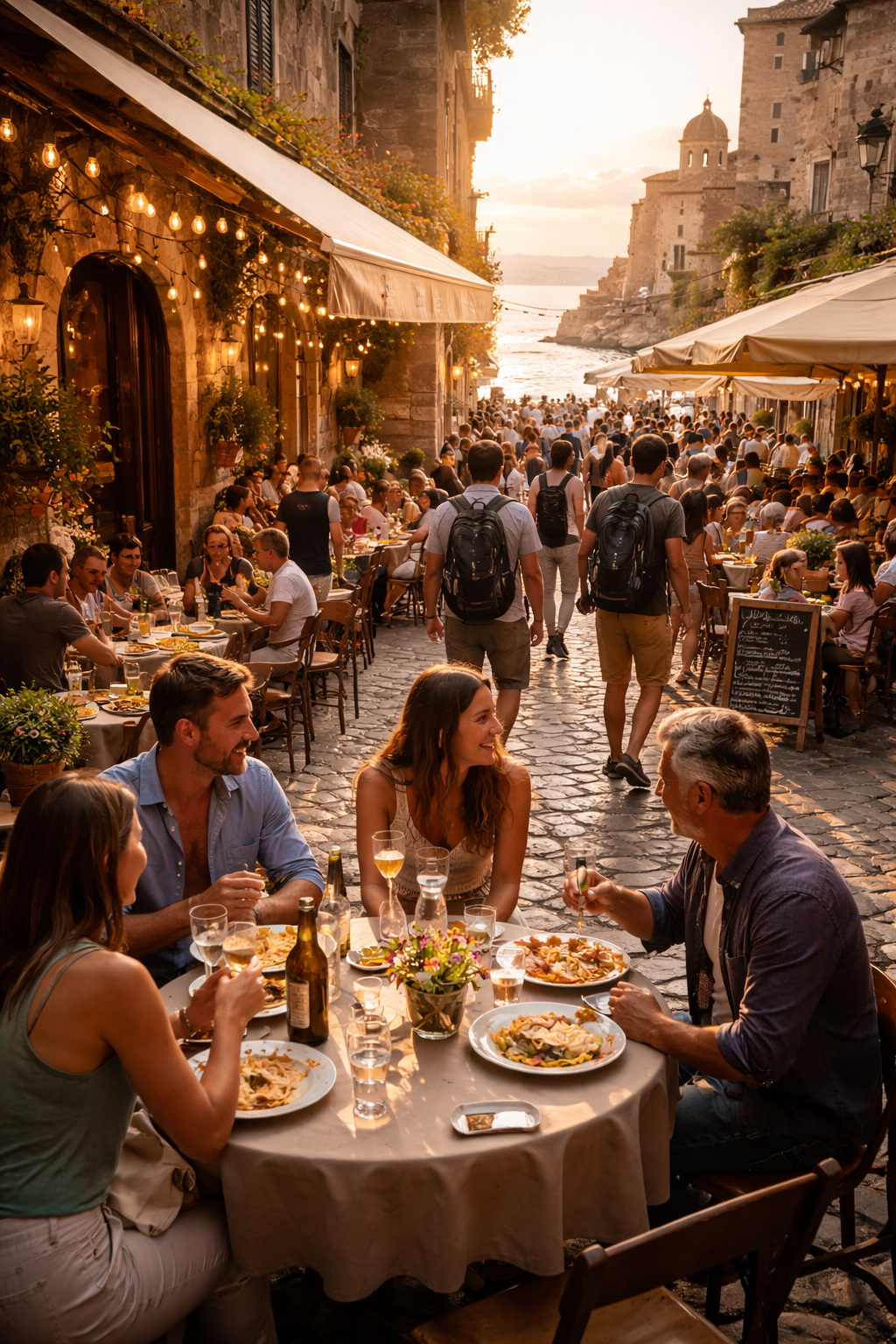
In Matera, Easter is not something that arrives suddenly. You can feel it coming and it’s something we anticipate. During the winter days of the early part of the year, the ancient city is quiet. The streets are calm, especially in the evenings. Many of the restaurants close earlier and some even close for the season. Everything seems to slow down. People still gather with family and friends, of course, but the pace is different. The Sassi feel almost reflective, as if the stones themselves are resting.
Then here we go again… the clock springs forward and light lasts longer in the afternoon. Visitors begin appearing again in the streets with cameras and backpacks. Different languages drift through the narrow alleys. Shops reopen their doors more often and the city is preparing for something important, Holy Week.
As the oldest city in Europe and the site of many many religious films, Matera’s season begins at Easter. The processions begin, people walk slowly through the streets carrying statues that represent the story of Christ’s suffering and death. The pace is deliberate and somber. The ancient streets fill with people walking together in silence or quiet prayer. Even visitors who are not familiar with the tradition often become quiet as the procession passes and many begin to follow.
There is something about this movement that commands respect.
Matera has been the setting for several films about the life of Christ, and many people come here because of that history. But when the processions move through the streets, the story feels less like cinema and more like memory. The city becomes part of the story again, and again, and again.
When Easter Sunday arrives, church bells ring early in the morning. Families begin gathering in homes across the city. In Italy, Sunday Lunch is always an event but Easter is even more deliberate and by far one of the most celebrated “lunches.”
The table fills slowly and often with bread, lamb, vegetables, wine - more wine, and the desserts that mark the end of Lent. People celebrate each other and this special day for hours. Conversation moves from one story to another and to another bite or plate and of course another bottle of wine.
There is something important in this rhythm that reflects the deeper journey we explore in the Sunday Table. Many people visit Matera as tourists. They walk through the streets, take photographs, and admire the beauty of the ancient city. Some become pilgrims. They begin asking questions about the faith, the history, and the people who have lived here for generations. Others stay long enough to understand something deeper. They begin to see how the life of a place is built through relationships and the families who have cared for these streets, who continue to prepare meals with tradition and patience, neighbors who know one another across decades. They begin to understand that cities like Matera are not preserved by happenstance, they are built.
Not by one person, but by many people who quietly care for the life around them for generations. This is where the difference between illusion and truth becomes clearer. There are always forces in the world that distort reality that encourage people to move quickly, to consume experiences, and to remain detached from responsibility.
But sometimes… sometimes a place, a tradition, or a shared meal reminds us that life is meant to be lived together. The Sunday Table is not only a place for a meal; it is a small and enduring social covenant. It says that no one is meant to face life alone, and that belonging is something practiced, not declared. For generations of Italian families, Sunday lunch is the place where dignity is reaffirmed and relationships are repaired or strengthened. It is where stories continue to be passed down and where the next generation learns what it means to be part of something larger than themselves.
Civilizations endure not because political systems succeed, but because people continue to gather, share bread, and accept responsibility for one another. That is the deeper consciousness supporting the Sunday Table, and the reason it still matters and perhaps matters even more today.
About Paolo
Paolo Vizziello is a craftsman and formation guide whose reflections focus on discipline, presence, and daily practice rooted in lived experience.
A Matera, la Pasqua non è qualcosa che arriva all’improvviso. Si sente che sta arrivando ed è un evento che attendiamo con trepidazione. Durante i giorni invernali dei primi mesi dell’anno, la città antica è silenziosa. Le strade sono tranquille, soprattutto la sera. Molti ristoranti chiudono prima e alcuni chiudono addirittura per la stagione. Tutto sembra rallentare. La gente si riunisce ancora con la famiglia e gli amici, naturalmente, ma il ritmo è diverso. I Sassi sembrano quasi meditabondi, come se le pietre stesse si stessero riposando.
Poi ci risiamo… l’orologio fa un salto in avanti e la luce dura più a lungo nel pomeriggio. I visitatori ricominciano ad apparire per le strade con macchine fotografiche e zaini. Lingue diverse si diffondono tra i vicoli stretti. I negozi riaprono le porte più spesso e la città si prepara per qualcosa di importante, la Settimana Santa.
Essendo la città più antica d’Europa e set di moltissimi film religiosi, la stagione di Matera inizia a Pasqua. Iniziano le processioni, la gente cammina lentamente per le strade portando statue che rappresentano la storia della sofferenza e della morte di Cristo. Il ritmo è lento e solenne. Le antiche strade si riempiono di persone che camminano insieme in silenzio o in silenziosa preghiera. Anche i visitatori che non conoscono la tradizione spesso si zittiscono al passaggio della processione e molti iniziano a seguirla.
C'è qualcosa in questo movimento che incute rispetto.
Matera è stata l'ambientazione di diversi film sulla vita di Cristo, e molte persone vengono qui proprio per quella storia. Ma quando le processioni si muovono per le strade, la storia sembra meno cinema e più memoria. La città diventa parte della storia ancora, e ancora, e ancora.
Quando arriva la domenica di Pasqua, le campane delle chiese suonano di prima mattina. Le famiglie iniziano a riunirsi nelle case di tutta la città. In Italia, il pranzo della domenica è sempre un evento, ma quello di Pasqua è ancora più sentito ed è di gran lunga uno dei “pranzi” più celebrati.
La tavola si riempie lentamente e spesso di pane, agnello, verdure, vino – ancora vino – e i dolci che segnano la fine della Quaresima. Le persone festeggiano l’un l’altra e questo giorno speciale per ore. La conversazione passa da una storia all’altra e a un altro boccone o piatto e, naturalmente, a un’altra bottiglia di vino.
C'è qualcosa di importante in questo ritmo che riflette il viaggio più profondo che esploriamo nella Tavola della Domenica. Molte persone visitano Matera come turisti. Camminano per le strade, scattano fotografie e ammirano la bellezza della città antica. Alcuni diventano pellegrini. Cominciano a porre domande sulla fede, sulla storia e sulle persone che hanno vissuto qui per generazioni. Altri rimangono abbastanza a lungo da comprendere qualcosa di più profondo. Cominciano a vedere come la vita di un luogo si costruisca attraverso le relazioni e le famiglie che si sono prese cura di queste strade, che continuano a preparare i pasti con tradizione e pazienza, i vicini che si conoscono da decenni. Cominciano a capire che città come Matera non sono preservate per caso, ma sono costruite.
Non da una sola persona, ma da molte persone che si prendono cura in silenzio della vita che le circonda da generazioni. È qui che la differenza tra illusione e verità diventa più chiara. Ci sono sempre forze nel mondo che distorcono la realtà, che incoraggiano le persone a muoversi in fretta, a consumare esperienze e a rimanere distaccate dalle responsabilità.
Ma a volte… a volte un luogo, una tradizione o un pasto condiviso ci ricordano che la vita è fatta per essere vissuta insieme. La tavola della domenica non è solo un luogo dove mangiare; è un piccolo e duraturo patto sociale. Afferma che nessuno è destinato ad affrontare la vita da solo e che l’appartenenza è qualcosa che si pratica, non si dichiara. Per generazioni di famiglie italiane, il pranzo della domenica è il luogo in cui si riafferma la dignità e si ricompongono o si rafforzano i rapporti. È dove le storie continuano a tramandarsi e dove la generazione successiva impara cosa significa far parte di qualcosa di più grande di sé.
Le civiltà durano non perché i sistemi politici hanno successo, ma perché le persone continuano a riunirsi, a condividere il pane e ad assumersi la responsabilità gli uni degli altri. Questa è la coscienza più profonda che sostiene la tavola della domenica, ed è il motivo per cui è ancora importante e forse lo è ancora di più oggi.
Informazioni su Paolo
Paolo Vizziello è un artigiano e guida formativa le cui riflessioni vertono sulla disciplina, la presenza e la pratica quotidiana radicata nell'esperienza vissuta.
→ Chi è Paolo
Paolo Vizziello, Formation, Discipline & Daily Practice
Financial health is usually built through patience, preparation, and disciplined choices. Much like any other part of our lives. Most people think of money primarily in terms of income or opportunity. But long-term stability usually depends more on stewardship than on sudden success or the chances of winning the lottery. Stewardship simply means caring well for what has been entrusted to you. It is a practical expression of responsibility and in many ways, it is also a form of love. When we manage resources wisely, we create stability not only for ourselves but for the people who depend on us.
Here are three simple practices that can strengthen financial stewardship over time.
Prepare During Quiet Seasons: Just as restaurants prepare during the winter months, individuals benefit from using slower seasons to review finances, reduce unnecessary expenses, and build savings. Preparation makes moments of opportunity much easier to navigate.
Invest in Relationships, Not Just Transactions: Many of the most important opportunities in life come through trusted relationships. Treat clients, colleagues, and partners with honesty and respect. Loyalty and reputation often prove more valuable over time than short-term profit.
Practice Disciplined Generosity: Generosity does not weaken financial stability when it is practiced wisely. Supporting causes, communities, or individuals you believe in strengthens the social fabric that allows everyone to thrive.
Financial wisdom is rarely about accumulation alone, its about balance. When resources are managed with patience, responsibility, and care for others, they become tools that support both personal stability and shared flourishing. In a city like Matera, where generations have built lives from the same stone streets, that kind of stewardship is something people lived over time.
La salute finanziaria si costruisce solitamente con pazienza, preparazione e scelte disciplinate. Proprio come qualsiasi altro aspetto della nostra vita. La maggior parte delle persone pensa al denaro principalmente in termini di reddito o opportunità. Ma la stabilità a lungo termine dipende solitamente più dalla gestione responsabile che da un successo improvviso o dalla possibilità di vincere alla lotteria. Gestione responsabile significa semplicemente prendersi cura di ciò che ci è stato affidato. È un’espressione concreta di responsabilità e, per molti versi, è anche una forma d’amore. Quando gestiamo le risorse con saggezza, creiamo stabilità non solo per noi stessi ma anche per le persone che dipendono da noi.
Ecco tre semplici pratiche che possono rafforzare la gestione responsabile delle risorse finanziarie nel tempo.
Prepararsi durante i periodi di calma: Proprio come i ristoranti si preparano durante i mesi invernali, anche le persone traggono vantaggio dall’utilizzare i periodi di minor attività per rivedere le proprie finanze, ridurre le spese superflue e costituire un risparmio. La preparazione rende molto più facile cogliere le opportunità quando si presentano.
Investite nelle relazioni, non solo nelle transazioni: Molte delle opportunità più importanti della vita arrivano attraverso relazioni di fiducia. Trattate clienti, colleghi e partner con onestà e rispetto. La lealtà e la reputazione spesso si rivelano più preziose nel tempo rispetto al profitto a breve termine.
Praticate una generosità disciplinata: La generosità non indebolisce la stabilità finanziaria quando viene praticata con saggezza. Sostenere cause, comunità o individui in cui credete rafforza il tessuto sociale che permette a tutti di prosperare.
La saggezza finanziaria raramente riguarda solo l'accumulo, ma piuttosto l'equilibrio. Quando le risorse vengono gestite con pazienza, responsabilità e cura per gli altri, diventano strumenti che sostengono sia la stabilità personale che la prosperità condivisa. In una città come Matera, dove generazioni hanno costruito le loro vite sulle stesse strade di pietra, quel tipo di gestione responsabile è qualcosa che le persone hanno vissuto nel corso del tempo.
Jake Claxton, Fatherhood, Formation & the Track
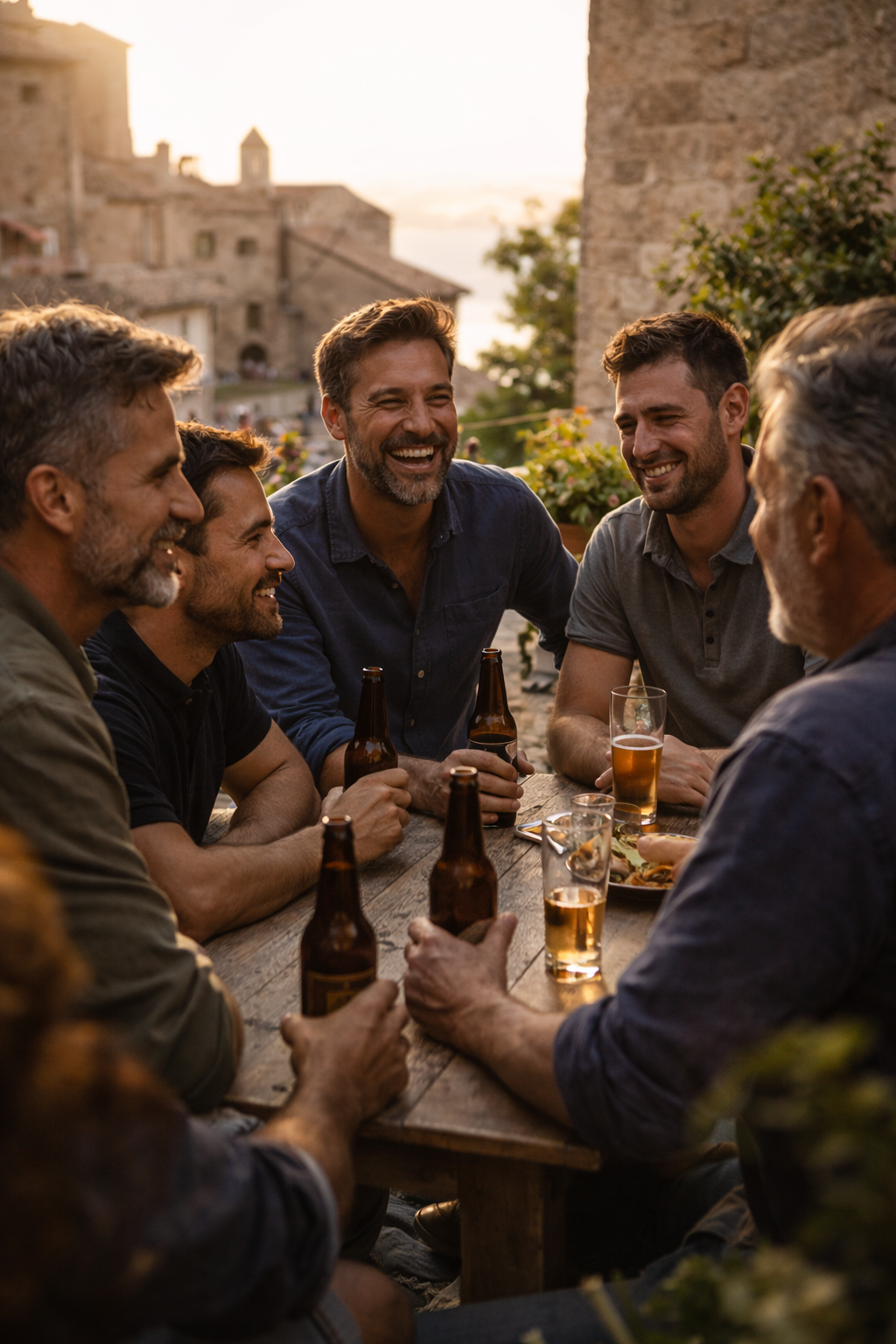
If you spend enough time around motocross tracks, you start to notice something that people on the outside rarely see. From a distance the sport looks aggressive with the loud bikes, rough terrain, riders pushing themselves to the limit. But when you spend real time around the track, you begin to realize that sooner or later, you will crash (one way or another).
When a crash happens, everything changes for a moment. The bike may still be spinning and dust hangs in the air. Your heart is pounding as you try to figure out whether you’re hurt or just shaken up. For a brief second there is a strange quiet, the kind that comes when your body is deciding whether to move or stay still. Then you begin to hear voices. Another rider pulls off the track. Someone sprints toward you and someone else lifts the bike and rolls it out of the way. Nobody is asking about lap times or positions anymore, the only question that matters: “Are you okay?”
That moment reveals something about the culture of the track. The deeper you get into motocross, the more you realize that riding isn’t just about speed or skill. It’s about relationships and trust. Every rider knows the terrain can humble anyone. The jump that felt easy last weekend can catch you off guard today. The turn that looked harmless can suddenly throw the bike sideways. When you know that truth, you start to pay attention to the people around you. You notice who slows down when someone falls. You notice who walks over to check in and who stays.
Over time, those small encounters shape relationships that feel a lot like brotherhood. Riders begin helping younger riders figure out lines through the track. Someone shares advice about posture or body position. Someone else lends a tool or helps adjust a bike between motos. It doesn’t always happen in big speeches or dramatic gestures. Most of the time it happens quietly, in the simple decision to show up again and again and look out for one another.
Through Motocross for Christ I’ve seen how powerful that kind of loyalty can become. Riders come from all kinds of backgrounds and many carry very challenging stories. Some are experienced and appear confident. Others are carrying struggles that no one around them can see. But when you’re standing next to someone at the starting line, you’re both there because you chose to be. You showed up and that decision… to show up and ride alongside others is how trust grows.
This week we are reflecting on something that transcends competition or performance. We’re reflecting on the capacity to love and to be loved. In motocross that strength doesn’t usually appear in emotional language. It shows up in loyalty and in the brotherhood to stand with someone even when their season, or their life, isn’t going well.
That kind of loyalty is what forms real brotherhood. It isn’t perfect, and it doesn’t mean everyone always agrees. What it means is that certain people choose to stay connected even when things are difficult. The Easter story carries a similar truth. The disciples did not fully understand what was happening around them. They experienced confusion, fear, and moments of failure. But something held them together. The love Christ introduced was not casual. It was a commitment that endured through sacrifice and uncertainty. “Greater love has no one than this: to lay down one’s life for one’s friends.” John 15:13
In many ways, that’s what brotherhood really is. Not just riding fast together, but staying connected through the difficult moments that inevitably come. When you find people who ride that way, people who want your good and are willing to stand with you when things get rough, you don’t walk away from that easily. You remain in the brotherhood.
About Jake
Jake Claxton is a husband, father of two sons, and founder of Ride By Design. His reflections draw from family life, faith, and lessons learned on the motocross track.
Se trascorrete abbastanza tempo nei pressi delle piste da motocross, iniziate a notare qualcosa che chi sta fuori raramente vede. Da lontano questo sport sembra aggressivo, con le moto rumorose, il terreno accidentato e i piloti che si spingono al limite. Ma quando trascorrete del tempo vero e proprio in pista, vi rendete conto che, prima o poi, cadrete (in un modo o nell’altro).
Quando si verifica una caduta, tutto cambia per un attimo. La moto potrebbe essere ancora in movimento e la polvere aleggia nell'aria. Il cuore batte forte mentre cerchi di capire se sei ferito o solo scosso. Per un breve secondo c'è uno strano silenzio, di quelli che si creano quando il corpo sta decidendo se muoversi o restare immobile. Poi inizi a sentire delle voci. Un altro pilota esce dalla pista. Qualcuno corre verso di te e qualcun altro solleva la moto e la sposta. Nessuno chiede più dei tempi sul giro o delle posizioni, l’unica domanda che conta è: “Stai bene?”
Quel momento rivela qualcosa sulla cultura della pista. Più ti addentri nel motocross, più ti rendi conto che guidare non riguarda solo la velocità o l’abilità. Riguarda le relazioni e la fiducia. Ogni pilota sa che il terreno può mettere in ginocchio chiunque. Il salto che sembrava facile lo scorso fine settimana oggi può coglierti alla sprovvista. La curva che sembrava innocua può improvvisamente far sbandare la moto. Quando comprendi questa verità, inizi a prestare attenzione alle persone intorno a te. Noti chi rallenta quando qualcuno cade. Noti chi si avvicina per vedere come sta e chi rimane lì.
Col tempo, questi piccoli incontri danno forma a relazioni che sembrano quasi una fratellanza. I piloti iniziano ad aiutare quelli più giovani a capire le traiettorie sul tracciato. Qualcuno dà consigli sulla postura o sulla posizione del corpo. Qualcun altro presta un attrezzo o aiuta a sistemare la moto tra una manche e l’altra. Non sempre avviene con grandi discorsi o gesti drammatici. Il più delle volte succede in silenzio, nella semplice decisione di presentarsi ancora e ancora e di prendersi cura l’uno dell’altro.
Attraverso Motocross for Christ ho visto quanto possa diventare potente quel tipo di lealtà. I piloti provengono da ogni tipo di background e molti portano con sé storie molto difficili. Alcuni sono esperti e sembrano sicuri di sé. Altri portano con sé difficoltà che nessuno intorno a loro può vedere. Ma quando sei in piedi accanto a qualcuno sulla linea di partenza, siete entrambi lì perché avete scelto di esserci. Ti sei presentato e quella decisione… di presentarti e correre insieme agli altri è il modo in cui cresce la fiducia.
Questa settimana riflettiamo su qualcosa che va oltre la competizione o la prestazione. Riflettiamo sulla capacità di amare e di essere amati. Nel motocross quella forza di solito non si esprime con parole emotive. Si manifesta nella lealtà e nella fratellanza di stare accanto a qualcuno anche quando la sua stagione, o la sua vita, non sta andando bene.
Quel tipo di lealtà è ciò che forma la vera fratellanza. Non è perfetta e non significa che tutti siano sempre d'accordo. Significa che alcune persone scelgono di rimanere unite anche quando le cose si fanno difficili. La storia della Pasqua racchiude una verità simile. I discepoli non capivano appieno cosa stesse accadendo intorno a loro. Hanno provato confusione, paura e momenti di fallimento. Ma qualcosa li ha tenuti uniti. L'amore che Cristo ha introdotto non era casuale. Era un impegno che ha resistito attraverso il sacrificio e l'incertezza. “Nessuno ha un amore più grande di questo: dare la propria vita per i propri amici.” Giovanni 15:13
Per molti versi, questo è ciò che è veramente la fratellanza. Non solo correre veloci insieme, ma restare uniti nei momenti difficili che inevitabilmente arrivano. Quando trovi persone che corrono in questo modo, persone che vogliono il tuo bene e sono disposte a starti accanto quando le cose si fanno difficili, non te ne vai facilmente. Rimani nella fratellanza.
Informazioni su Jake
Jake Claxton è marito, padre di due figli e fondatore di Ride By Design. Le sue riflessioni attingono dalla vita familiare, dalla fede e dalle lezioni apprese sulla pista di motocross.
“A pacce e u bbéne ven’n cumm’a la jurnate: pian’ pian’.”
Literal Translation: Peace and goodness arrive like the day: slowly, slowly.
This proverb reflects a deeply rooted understanding in the culture of Basilicata that the most important things in life unfold gradually. Just as the light of morning spreads across the hills and stone houses of Matera little by little, peace, goodness, and stability are not created instantly. They emerge through patience, steady work, and relationships that endure over time. In communities like Matera, where families have lived for generations in the same neighborhoods carved into the rock, people have long understood that life is shaped by slow, faithful effort rather than sudden change.
Traduzione letterale: La pace e la bontà arrivano come il giorno: lentamente, lentamente.
Questo proverbio riflette una convinzione profondamente radicata nella cultura della Basilicata, secondo cui le cose più importanti della vita si realizzano gradualmente. Proprio come la luce del mattino si diffonde poco a poco sulle colline e sulle case di pietra di Matera, la pace, la bontà e la stabilità non si creano all'istante. Esse emergono attraverso la pazienza, il lavoro costante e le relazioni che durano nel tempo. In comunità come quella di Matera, dove le famiglie vivono da generazioni negli stessi quartieri scavati nella roccia, la gente ha capito da tempo che la vita è plasmata da uno sforzo lento e fedele piuttosto che da cambiamenti improvvisi.
Pastiera di Grano (Pastiera Napoletana)
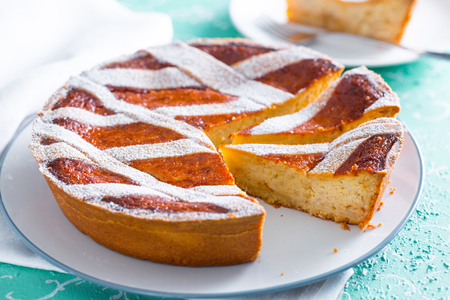
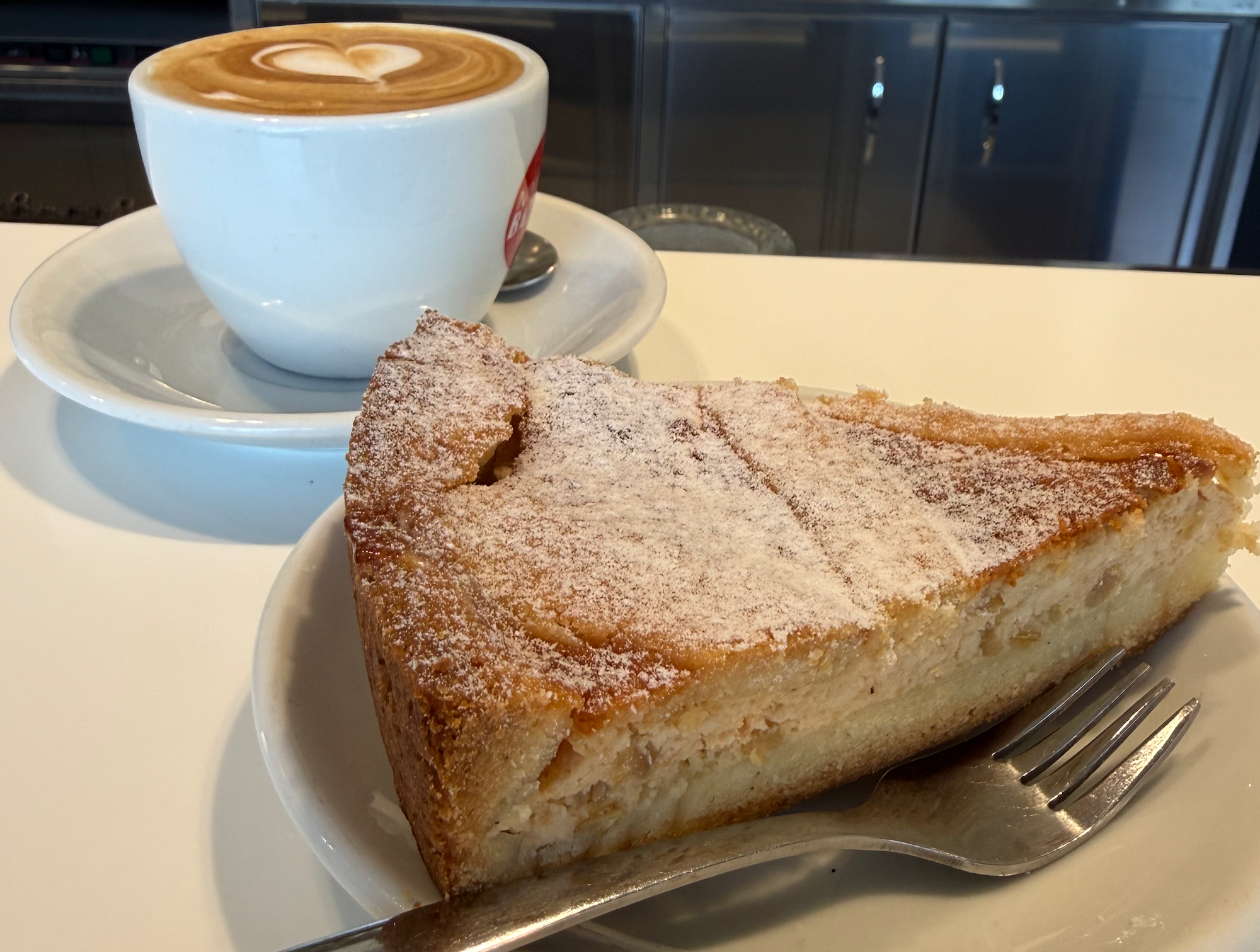
In Southern Italy, Easter does not truly begin until the scent of orange blossom, ricotta, and sweet wheat begins to fill the kitchen. Days before the feast, families prepare Pastiera slowly and intentionally, allowing the flavors to settle and deepen. It is not a dessert rushed for convenience. It is something that waits.
For the pastry (Pasta Frolla):
2 cups flour
½ cup sugar
120 g butter (softened)
2 eggs
Zest of one lemon
Pinch of salt
For the filling:
1 cup cooked wheat berries (grano cotto)
1 cup whole milk
1 tablespoon butter
350 g fresh ricotta
¾ cup sugar
3 eggs + 1 egg yolk
Zest of one orange
Zest of one lemon
1 teaspoon orange blossom water
½ teaspoon cinnamon
Candied orange or citron (optional)
Begin by preparing the pastry. Mix flour, sugar, butter, eggs, lemon zest, and salt until a smooth dough forms. Wrap and refrigerate for at least 30 minutes.
Meanwhile, place the cooked wheat berries in a saucepan with milk and butter. Simmer gently until the mixture becomes creamy. Allow it to cool.
In a separate bowl, combine ricotta and sugar until smooth. Add the eggs, citrus zest, cinnamon, orange blossom water, and wheat mixture. Stir until fully blended.
Roll out the pastry and line a tart pan. Fill with the ricotta and wheat mixture. Use remaining pastry to create the traditional lattice pattern across the top.
Bake at 170°C (340°F) for about 60 minutes until golden.
Allow the cake to rest overnight before serving. The flavor deepens as it sits.
Dust lightly with powdered sugar before bringing it to the table.
Pastiera is traditionally prepared on Holy Thursday or Good Friday so that it can rest before Easter Sunday. Many Italian grandmothers insist the cake must sit at least one full day before it is cut. The wheat inside the cake represents the return of life after winter, echoing agricultural rhythms that shaped the region for centuries. The eggs symbolize rebirth, while the fragrant orange blossom recalls the flowering trees of the Mediterranean spring.
Nel Sud Italia, la Pasqua non inizia davvero finché il profumo di fiori d'arancio, ricotta e grano dolce non comincia a riempire la cucina. Giorni prima della festa, le famiglie preparano la Pastiera con calma e cura, lasciando che i sapori si amalgamino e si intensifichino. Non è un dolce da preparare in fretta per comodità. È qualcosa che richiede tempo.
Per la pasta frolla:
2 tazze di farina
½ tazza di zucchero
120 g di burro (ammorbidito)
2 uova
Scorza di un limone
Un pizzico di sale
Per il ripieno:
1 tazza di chicchi di grano cotti (grano cotto)
1 tazza di latte intero
1 cucchiaio di burro
350 g di ricotta fresca
¾ tazza di zucchero
3 uova + 1 tuorlo d'uovo
Scorza di un'arancia
Scorza di un limone
1 cucchiaino di acqua di fiori d'arancio
½ cucchiaino di cannella
Arancia o cedro canditi (facoltativo)
Iniziate preparando la pasta frolla. Mescolate la farina, lo zucchero, il burro, le uova, la scorza di limone e il sale fino a formare un impasto liscio. Avvolgetelo nella pellicola e mettetelo in frigorifero per almeno 30 minuti.
Nel frattempo, mettere i chicchi di grano cotti in una casseruola con il latte e il burro. Cuocere a fuoco lento fino a quando il composto diventa cremoso. Lasciare raffreddare.
In una ciotola a parte, unire la ricotta e lo zucchero fino a ottenere un composto omogeneo. Aggiungere le uova, la scorza di agrumi, la cannella, l'acqua di fiori d'arancio e il composto di grano. Mescolare fino a ottenere un composto omogeneo.
Stendere la pasta e foderare una teglia da crostata. Riempire con il composto di ricotta e grano. Utilizzare la pasta rimanente per creare il tradizionale motivo a griglia sulla superficie.
Cuocere in forno a 170 °C (340 °F) per circa 60 minuti fino a doratura.
Lasciare riposare la torta per una notte prima di servirla. Il sapore si intensifica con il riposo.
Spolverare leggermente con zucchero a velo prima di portarla in tavola.
La pastiera viene tradizionalmente preparata il Giovedì Santo o il Venerdì Santo, in modo che possa riposare prima della domenica di Pasqua. Molte nonne italiane insistono sul fatto che la torta debba riposare almeno un giorno intero prima di essere tagliata. Il grano all'interno della torta rappresenta il ritorno della vita dopo l'inverno, facendo eco ai ritmi agricoli che hanno plasmato la regione per secoli. Le uova simboleggiano la rinascita, mentre il profumato fiore d'arancio richiama gli alberi in fiore della primavera mediterranea.
Cosiamo | Founder, UMANIAMO® | Formation & Architecture
When people tell the story of Easter, it often sounds as if everything moved quickly. First there’s the last supper, the stations of the cross, a couple days later the resurrection and then the world changed. But for the people who were actually there, those days must have felt nothing like that.
The disciples had watched their teacher be publicly executed in one of the brutal ways the Roman Military used to make sure everyone understood who held power and what could happen to anyone who crossed a line. At that time, the crucifixion itself was not unusual, what was shocking was that it happened to Jesus.
The disciples were people who had seen things they could not easily explain. They watched Jesus heal the sick, calm storms, and raise Lazarus from the dead. Whether they said it out loud or not, many of them must have believed that somehow the final moment would turn out differently. Perhaps they expected a sign or believed God would intervene. But instead they watched him die a mortal death.
For some of them, that moment must have shattered everything they thought they understood. But for those who stood close to the cross: Mary, Mary Magdalene, and John, the experience was even more personal. They were not watching from a distance. They were standing beside someone they loved as he suffered.
For those closest to Jesus, at least two things were happening at the same time: for many, their expectations and even their psyche collapsed and for those standing below the cross, love was facing indescribable loss. In the days that followed, nothing about life would have felt normal. The fear was real, as was the confusion. If something like that happened today, people might call it trauma.
The Resurrection was prophesied, and Jesus himself predicted it several times, yet psychologically and according to the references it appears that almost no one around him actually expected it to happen. Yet, he appeared to Mary in the garden and entered rooms where the disciples had locked themselves away. He sat with them and shared a table and ate with them too. So the worldviews and broken hearts slowly began to mend.
Human beings are restored through relationship and presence as Jesus demonstrated after the resurrection. Through honest recognition and the slow work of rebuilding trust in oneself and between people who choose to remain with and for one another. For many years we have used the word “formation” to describe this kind of change, however, the word itself can sound distant.
What formation really describes is the work of becoming human together. From this point forward, we will call that work Humaning.
Humaning is what happens when people choose to remain present with one another even when life becomes difficult. It is what happens when loyalty replaces convenience, and when responsibility replaces commentary. Humaning is what happens when someone wants good for another person in the deeper sense captured in the Italian phrase ti voglio bene. Not simply “I love you,” but “I want your good - your life flourishing.”
Humaning happens in places most people overlook. It happens when someone stops to help a rider who has crashed on the track. It happens when a healer treats a patient as a whole person rather than a diagnosis. It happens when friends stay present with one another even through confusion, disappointment, or fear. Humaning begins in small places: around tables, in conversations, and in the quiet decision to stay with one another when walking away would be easier. The Resurrection reveals something powerful about this way of living. It shows that even after fear, betrayal, and loss, life can begin again through restored relationship.
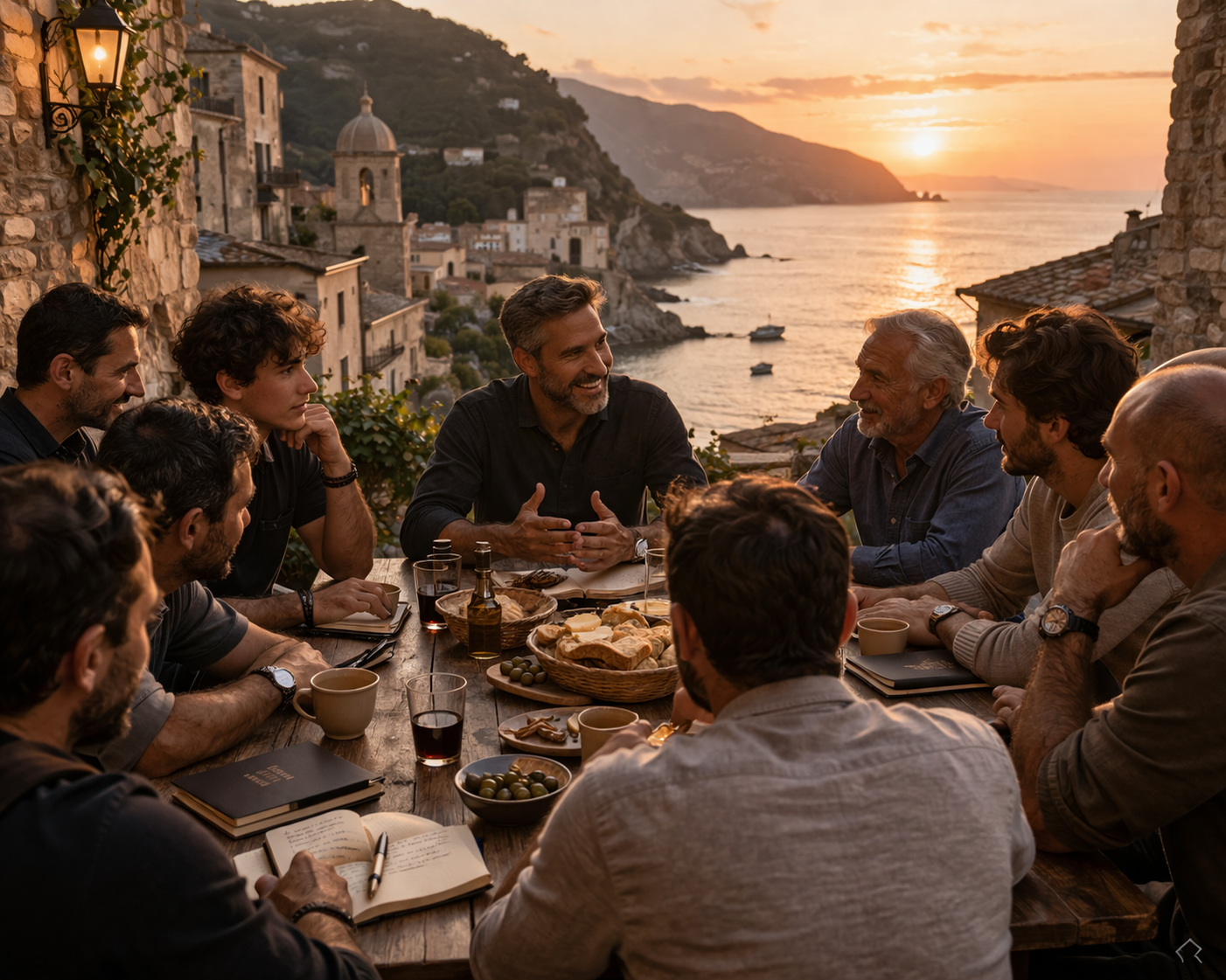
So if something in these reflections speaks to you this week, do not keep it to yourself. Pull up a chair, bring someone with you, and claim your seat at the Table.
April 6 — San Pietro da Verona
Peter of Verona was a Dominican preacher in the 13th century known for his fearless defense of truth during a time of intense religious conflict. His courage eventually cost him his life, yet his witness reminds believers that conviction and integrity sometimes require real sacrifice.
April 7 — San Giovanni Battista de La Salle
John Baptist de La Salle devoted his life to educating children, especially the poor, at a time when formal education was largely unavailable to them. He founded a teaching community dedicated to formation, reminding us that teaching is not merely instruction but an act of service that shapes future generations.
April 8 — Santa Giulia Billiart
Julia Billiart lived through the upheavals of the French Revolution and spent much of her life suffering from illness. Despite these hardships, she founded the Sisters of Notre Dame and dedicated herself to educating young women, demonstrating extraordinary perseverance and trust in God.
April 9 — Santa Casilda
Casilda was known for her compassion toward prisoners and the poor during a time of conflict between cultures and religions in medieval Spain. Her life became a quiet example of mercy crossing boundaries that others considered impossible.
April 10 — Santa Maddalena di Canossa
Magdalena of Canossa left behind a life of privilege to dedicate herself to serving the poor and educating children. She founded the Canossian religious order and is remembered for combining practical charity with deep spiritual commitment.
April 11 — San Stanislao
Stanislaus was a bishop in Poland who became known for speaking courageously against injustice and abuse of power. His willingness to confront wrongdoing ultimately led to his martyrdom, making him a lasting symbol of moral courage and integrity.
April 12 — San Giulio I
Pope Julius I led the Church during the fourth century at a time when theological divisions threatened unity. His leadership helped defend the teaching that Christ is truly divine, strengthening the foundation of Christian belief for generations that followed.
These saints remind us that the table of faith has always been filled with ordinary people who chose extraordinary fidelity. Their lives invite each of us to ask a simple question: What kind of seat am I preparing at the table for those who will come after me?
Why Onomastici Matter
In many Italian families, remembering a name day is a way of acknowledging that our lives are connected to something larger than ourselves. Names carry meaning - stories, virtues, and responsibilities. They remind us that each person is part of a much longer arc of history one that stretches across generations, communities, and faith.
At the Sunday Table, the Onomastici are another way of remembering that "humaning" never happens alone.
Quando si racconta la storia della Pasqua, spesso sembra che tutto sia successo in fretta. Prima c’è l’Ultima Cena, poi la Via Crucis, un paio di giorni dopo la risurrezione e poi il mondo è cambiato. Ma per le persone che erano davvero lì, quei giorni non devono essere stati affatto così.
I discepoli avevano visto il loro maestro essere giustiziato pubblicamente in uno dei modi brutali che l'esercito romano usava per assicurarsi che tutti capissero chi deteneva il potere e cosa potesse accadere a chiunque oltrepassasse il limite. A quel tempo, la crocifissione in sé non era insolita; ciò che era scioccante era che fosse accaduta a Gesù.
I discepoli erano persone che avevano visto cose che non potevano spiegare facilmente. Avevano visto Gesù guarire i malati, placare le tempeste e risuscitare Lazzaro dai morti. Che lo dicessero ad alta voce o meno, molti di loro dovevano aver creduto che in qualche modo l’ultimo momento sarebbe andato diversamente. Forse si aspettavano un segno o credevano che Dio sarebbe intervenuto. Invece lo videro morire di morte terrena.
Per alcuni di loro, quel momento deve aver distrutto tutto ciò che pensavano di aver compreso. Ma per coloro che stavano vicino alla croce: Maria, Maria Maddalena e Giovanni, l’esperienza fu ancora più personale. Non stavano guardando da lontano. Erano in piedi accanto a qualcuno che amavano mentre soffriva.
Per coloro che erano più vicini a Gesù, almeno due cose stavano accadendo contemporaneamente: per molti, le loro aspettative e persino la loro psiche crollarono e per coloro che stavano ai piedi della croce, l'amore stava affrontando una perdita indescrivibile. Nei giorni che seguirono, nulla della vita sarebbe sembrato normale. La paura era reale, così come la confusione. Se qualcosa del genere accadesse oggi, la gente potrebbe definirlo un trauma.
La Resurrezione era stata profetizzata, e Gesù stesso l’aveva predetta più volte, eppure, psicologicamente e secondo i riferimenti, sembra che quasi nessuno intorno a lui si aspettasse davvero che accadesse. Eppure, apparve a Maria nel giardino ed entrò nelle stanze dove i discepoli si erano chiusi a chiave. Si sedette con loro, condivise la tavola e mangiò anche con loro. Così le visioni del mondo e i cuori spezzati cominciarono lentamente a ricomporsi.
Gli esseri umani vengono risanati attraverso la relazione e la presenza, come ha dimostrato Gesù dopo la risurrezione. Attraverso il riconoscimento onesto e il lento lavoro di ricostruzione della fiducia in se stessi e tra le persone che scelgono di rimanere l’una con l’altra e l’una per l’altra. Per molti anni abbiamo usato la parola “formazione” per descrivere questo tipo di cambiamento, tuttavia la parola stessa può suonare distante.
Ciò che la formazione descrive realmente è il lavoro di diventare umani insieme. Da questo momento in poi, chiameremo quel lavoro Humaning.
Humaning è ciò che accade quando le persone scelgono di rimanere presenti l’una con l’altra anche quando la vita diventa difficile. È ciò che accade quando la lealtà sostituisce la convenienza e quando la responsabilità sostituisce il commento. Humaning è ciò che accade quando qualcuno vuole il bene di un’altra persona nel senso più profondo racchiuso nella frase italiana ti voglio bene. Non semplicemente “ti amo”, ma “voglio il tuo bene – che la tua vita fiorisca”.
L’Humaning avviene in luoghi che la maggior parte delle persone trascura. Avviene quando qualcuno si ferma per aiutare un ciclista che è caduto in pista. Avviene quando un medico cura un paziente come persona nella sua interezza piuttosto che come una diagnosi. Avviene quando gli amici rimangono presenti gli uni con gli altri anche attraverso la confusione, la delusione o la paura. L’Humaning inizia in piccoli luoghi: attorno a un tavolo, nelle conversazioni e nella silenziosa decisione di restare gli uni con gli altri quando andarsene sarebbe più facile. La Resurrezione rivela qualcosa di potente su questo modo di vivere. Mostra che anche dopo la paura, il tradimento e la perdita, la vita può ricominciare attraverso una relazione restaurata.
Quindi, se qualcosa in queste riflessioni ti parla questa settimana, non tenerlo per te. Prendi una sedia, porta qualcuno con te e rivendica il tuo posto alla Tavola.
6 aprile — San Pietro da Verona
Pietro da Verona era un predicatore domenicano del XIII secolo noto per la sua impavida difesa della verità in un periodo di intensi conflitti religiosi. Il suo coraggio alla fine gli costò la vita, eppure la sua testimonianza ricorda ai credenti che la convinzione e l’integrità a volte richiedono un vero sacrificio.
7 aprile — San Giovanni Battista de La Salle
Giovanni Battista de La Salle dedicò la sua vita all’istruzione dei bambini, specialmente dei poveri, in un’epoca in cui l’istruzione formale era in gran parte inaccessibile a loro. Fondò una comunità di insegnanti dedicata alla formazione, ricordandoci che l'insegnamento non è solo istruzione, ma un atto di servizio che plasma le generazioni future.
8 aprile — Santa Giulia Billiart
Giulia Billiart visse gli sconvolgimenti della Rivoluzione francese e trascorse gran parte della sua vita afflitta dalla malattia. Nonostante queste difficoltà, fondò le Suore di Notre Dame e si dedicò all'educazione delle giovani donne, dimostrando straordinaria perseveranza e fiducia in Dio.
9 aprile — Santa Casilda
Casilda era nota per la sua compassione verso i prigionieri e i poveri in un'epoca di conflitti tra culture e religioni nella Spagna medievale. La sua vita divenne un silenzioso esempio di misericordia che superava confini che altri consideravano impossibili.
10 aprile — Santa Maddalena di Canossa
Maddalena di Canossa lasciò una vita di privilegi per dedicarsi al servizio dei poveri e all'educazione dei bambini. Fondò l'ordine religioso delle Canossiane ed è ricordata per aver unito la carità concreta a un profondo impegno spirituale.
11 aprile — San Stanislao
Stanislao era un vescovo polacco che si distinse per aver denunciato con coraggio l'ingiustizia e l'abuso di potere. La sua disponibilità ad affrontare le ingiustizie lo portò infine al martirio, rendendolo un simbolo duraturo di coraggio morale e integrità.
12 aprile — San Giulio I
Papa Giulio I guidò la Chiesa nel IV secolo, in un'epoca in cui le divisioni teologiche minacciavano l'unità. La sua guida contribuì a difendere l'insegnamento secondo cui Cristo è veramente divino, rafforzando le fondamenta della fede cristiana per le generazioni successive.
Questi santi ci ricordano che la tavola della fede è sempre stata popolata da persone comuni che hanno scelto una fedeltà straordinaria. Le loro vite invitano ciascuno di noi a porsi una semplice domanda: che tipo di posto sto preparando a tavola per coloro che verranno dopo di me?
Perché gli Onomastici sono importanti
In molte famiglie italiane, ricordare l'onomastico è un modo per riconoscere che le nostre vite sono collegate a qualcosa di più grande di noi stessi. I nomi hanno un significato: storie, virtù e responsabilità. Ci ricordano che ogni persona fa parte di un arco storico molto più lungo, che si estende attraverso generazioni, comunità e fede.
Alla Tavola della Domenica, gli Onomastici sono un altro modo per ricordare che “humaning” non avviene mai da soli.
Disciplined Actions for the Week

This week we reflected on a strength that is easy to name but much harder to live well: the capacity to love and to be loved. Most people feel comfortable with the first part. Loving others feels generous and it allows us to express care, loyalty, encouragement, and support. Many people naturally give love through service, protection, humor, teaching, or simply showing up when someone needs them.
The second half of the strength, however, is often more challenging. The capacity to be loved requires something different. It requires allowing ourselves to be seen honestly. It requires receiving encouragement without deflecting it. It requires accepting care without immediately feeling the need to earn it or return it.
Today many people spend significant time observing others through screens. Commentary about people, leaders, influencers, and communities circulates constantly. Opinions multiply rapidly, and yet something essential is often missing: actual relationship. When conversation disappears and commentary replaces encounter, a strange illusion forms. People feel connected because they are watching, reacting, and analyzing, but very little real understanding grows.
This dynamic can create what might be described as parasocial psychosis—the Devil at Work illusion of relationship without the responsibility of relationship. People comment on one another’s lives without ever sitting down together. Voices multiply while trust quietly disappears. The antidote can be found through the Builder at Work and discipled action.
Magis means the more, not more activity, but deeper alignment with what matters most. A simple way to begin the week is to hold three quiet intentions:
Notice what is real.
Step out of the noise, the digital distractions, anxieties about the future, and regrets about the past. Ground yourself in the physical and emotional reality of the present moment. The Spirit at Work illuminates reality allowing the us to see what is actually happening rather than what we fear or imagine.
Meet the person in front of you with reverence.
Every person carries inherent dignity. Whether it is a colleague, a stranger, or someone in your own home, reverence changes the encounter from a transaction into a relationship. The REDISCOVER UⓇ cards can serve as a simple practice for seeing the strengths present in the people around you.
Take responsibility for the next disciplined action.
Large goals often overwhelm us. Instead of trying to solve everything at once, identify the most integrity-filled next step available to you and take it. Builders rarely begin with grand gestures; they begin with responsible action taken at the right moment.
Begin each week with these intentions. Magis invites us not to do more, but to live more faithfully within the moment we have been given.
Questa settimana abbiamo riflettuto su un punto di forza facile da definire ma molto più difficile da mettere in pratica: la capacità di amare e di essere amati. La maggior parte delle persone si trova a proprio agio con la prima parte. Amare gli altri ci fa sentire generosi e ci permette di esprimere cura, lealtà, incoraggiamento e sostegno. Molti donano amore in modo naturale attraverso il servizio, la protezione, l’umorismo, l’insegnamento o semplicemente rendendosi disponibili quando qualcuno ha bisogno di loro.
La seconda parte di questo punto di forza, tuttavia, è spesso più impegnativa. La capacità di essere amati richiede qualcosa di diverso. Richiede di permettere a noi stessi di essere visti onestamente. Richiede di ricevere incoraggiamento senza respingerlo. Richiede di accettare l’affetto senza sentire immediatamente il bisogno di guadagnarselo o di ricambiarlo.
Oggi molte persone trascorrono molto tempo osservando gli altri attraverso gli schermi. Commenti su persone, leader, influencer e comunità circolano costantemente. Le opinioni si moltiplicano rapidamente, eppure spesso manca qualcosa di essenziale: la relazione reale. Quando la conversazione scompare e il commento sostituisce l’incontro, si forma una strana illusione. Le persone si sentono connesse perché guardano, reagiscono e analizzano, ma cresce ben poca comprensione reale.
Questa dinamica può creare ciò che potrebbe essere descritto come psicosi parasociale—l’illusione del Diavolo all’opera di una relazione senza la responsabilità della relazione. Le persone commentano le vite l’una dell’altra senza mai sedersi insieme. Le voci si moltiplicano mentre la fiducia scompare silenziosamente. L’antidoto si trova attraverso il Costruttore all’opera e l’azione disciplinata.
Magis significa il di più, non più attività, ma un allineamento più profondo con ciò che conta di più. Un modo semplice per iniziare la settimana è coltivare tre intenzioni silenziose:
Notare ciò che è reale.
Allontanati dal rumore, dalle distrazioni digitali, dalle ansie sul futuro e dai rimpianti sul passato. Radicati nella realtà fisica ed emotiva del momento presente. Lo Spirito all'opera illumina la realtà permettendoci di vedere ciò che sta realmente accadendo piuttosto che ciò che temiamo o immaginiamo.
Incontra la persona di fronte a te con riverenza.
Ogni persona porta con sé una dignità intrinseca. Che si tratti di un collega, di uno sconosciuto o di qualcuno nella tua stessa casa, la riverenza trasforma l'incontro da una transazione a una relazione. Le carte REDISCOVER UⓇ possono servire come semplice pratica per vedere i punti di forza presenti nelle persone che ti circondano.
Assumiti la responsabilità della prossima azione disciplinata.
Gli obiettivi grandi spesso ci sopraffanno. Invece di cercare di risolvere tutto in una volta, identifica il prossimo passo più integro a tua disposizione e compilo. I costruttori raramente iniziano con gesti grandiosi; iniziano con un'azione responsabile intrapresa al momento giusto.
Inizia ogni settimana con queste intenzioni. Magis ci invita non a fare di più, ma a vivere più fedelmente nel momento che ci è stato donato.