Learning to See Clearly
Cosiamo Founder, UMANIAMO® | Formation & Architecture

Over the past weeks, what began as curiosity has matured into commitment. In the first week we named the path. We acknowledged that most people spend long stretches of life observing from the edge, interested but not yet engaged. Then we stepped onto the road together, moving from Tourist to Pilgrim through a simple but demanding decision: to return.
In the weeks that followed, we began to understand that intention alone cannot sustain a journey. Rhythm became necessary. Small practices, repeated consistently, created the capacity required to keep walking. Then another truth appeared: formation is never solitary. We are shaped in relationship. The people around us, the conversations we return to, the expectations we accept or resist and all of these quietly influence the direction of our lives.
If you are still here reading this week, something important should be acknowledged. Most people do not reach this point in their journey, they pause where it feel most comfortable at that time.
The early stages of formation are appealing because they feel expansive. Curiosity is energizing and new ideas create a sense of discovery. But eventually the path stops feeling novel. The rhythm becomes ordinary and maybe even a bit boring. The relationships begin to reveal their weight and many people drift away, not out of hostility or rejection, but out of fatigue. Walking the path requires attention, and attention demands something that modern life rarely encourages: steadiness and fortitude.
The fact that you are here now suggests something subtle but meaningful. The path has moved from interest to intention, and intention is beginning to mature into something deeper. This week we name that next movement. The Pilgrim becomes the Disciple.
The word “disciple” often carries baggage. Some imagine rigid obedience or religious performance. Others hear the word and picture a person who has abandoned independent thinking in favor of blind loyalty. But that is not the meaning we are exploring here. A disciple is not an ascetic competitor trying to prove moral superiority, a disciple is someone who begins to see clearly. The Pilgrim walks the path while the Disciple learns to perceive it.
This difference matters more than it may appear at first glance. Walking the path introduces experience, but seeing the path introduces responsibility and accountability to carry a greater weight . Once perception sharpens, neutrality becomes difficult. You begin to notice patterns that previously blended into the background. You begin to recognize how language shapes behavior, how systems reward certain kinds of thinking while discouraging others, and how subtle distortions can redirect entire lives without announcing themselves.
Seeing clearly is often quiet and even uncomfortable. You may notice small contradictions and even recognize when a promise feels exaggerated. You begin to question narratives that once felt obvious or inevitable. Gradually, the fog that surrounds many parts of modern life begins to thin.
This moment in accountability (formation) requires a new kind of attention, and to help navigate it we will begin introducing three interpretive lenses that will appear throughout the Formation Library in the weeks and months ahead. The first is what we have sometimes referred to as The Devil at Work. This language is used carefully and deliberately. It does not refer to theatrical evil or supernatural fear. It refers to distortion the subtle bending of truth that allows something false to feel reasonable, acceptable, or even beneficial.
Distortion rarely arrives wearing the costume of deception. It usually arrives as convenience. It arrives through language that softens responsibility or appears as systems that reward compliance while quietly eroding dignity. It takes the form of narratives that promise empowerment but gradually disconnect people from their own agency. The Devil at Work is not loud or obvious but it is persuasive.
Once you begin to see distortion clearly, something else becomes visible as well…the second lens is The Spirit at Work. Where distortion divides, the Spirit at Work clarifies. Where confusion fragments attention, the Spirit at Work restores coherence. Illumination does not arrive through pressure or fireworks, it appears through quiet recognition. A conversation suddenly reveals its deeper meaning; or a previously unseen pattern becomes visible; or perhaps a truth that was previously uncomfortable begins to feel undeniable.
The Spirit at Work does not flatter the observer. It invites honesty and in so to see clearly often begins with recognizing something within ourselves… a habit, a bias, or a fear that we would rather ignore. Yet illumination brings relief as much as challenge.
Clarity restores our orientation, and and once clarity appears, a third movement becomes possible. The third lens is The Builder at Work. The Builder at Work responds to reality with responsibility. Once distortion is recognized and clarity emerges, the question becomes unavoidable: what will you do with what you now know or see?
The Builder at Work does not rush toward grand gestures - building skyscrapers of the mind, no… Builders at Work patiently begin with the structures closest to them, their own habits, relationships, commitments, or their work. The Builder at Work understand that durable change rarely begins with dramatic gestures or grandiose ideas, it begins with consistent action aligned with truth.
These three patterns: distortion, illumination, and responsible action are present everywhere. Learning to recognize them is one of the most important skills a disciple develops. It sharpens discernment and prevents naïveté without producing cynicism. The patterns also allow a person to experience mercy and forgiveness while remaining hopeful but not gullible.
Lent, the season we now inhabit, exists precisely for this reason. Contrary to popular imagination, Lent is not designed primarily as a period of punishment or deprivation, quite the opposite, its deeper purpose is to help us see clearly. By simplifying certain rhythms of life, Lent creates space for attention and responsible action. Distractions are seen as distortion, certain habits become illuminated, and patterns that once operated unconsciously begin to surface so that we may take responsible action. In other words, Lent teaches disciples how to see.
Even the small shift in time that many readers experience this week, the beginning of Daylight Saving Time in the United States, offers an unexpected metaphor. The clock moves forward by an hour, and suddenly the light arrives at a different moment of the day. For a few days everything feels slightly disoriented. Morning routines adjust and evening light stretches longer than we've come to expect through the winter months. Eventually the body adapts, circadian rhythms find their new normal.
Our perception works in a very similar way… once clarity begins to emerge, the familiar world can feel slightly unsettled. Things you once ignored become visible. Maybe conversations sound different and certain patterns that once seemed harmless reveal deeper consequences. This disorientation is not a sign that something has gone wrong. It is a sign that perception is changing.
The Disciple phase of formation begins here, in this subtle shift. The road you are walking has not changed. The people around you are largely the same. The structures of daily life continue to operate as they always have. What changes is the way you see them.
Seeing clearly is both a gift and a responsibility. Once awareness expands, it becomes difficult to return to comfortable illusions. But it also becomes easier to recognize where your attention and energy truly belong. The path ahead may still be long, but the direction becomes more stable. If the first weeks of this journey asked: Are you willing to walk? This week asks something much deeper: Are you willing to see? The Disciple is not the one who knows everything. The Disciple is the one who refuses to keep looking away and that quiet refusal is where real formation or accountability actually begins.
Forgiveness and Mercy
Each week, we offer two simple ways to reflect depending on how and where you find yourself.
The Table Conversation is a short, shared reflection.
It works best around a meal, in the living room, or during unhurried time with friends or family. No preparation is required, only presence.
The D.E.E.P.E.R. Examen is a longer, personal reflection.
It’s designed to be done on your own, at your own pace, with space for silence, journaling, or prayer. You don’t need to do both. Choose the one that fits your moment. Both are ways of paying attention to what has been forming you, so experience can mature into wisdom.
Over the past few weeks, the Sunday Table has slowly shifted from curiosity to commitment. What began as exploration has become a shared rhythm. The Tourist gave way to the Pilgrim, and now something deeper begins to emerge the Disciple.
When we begin to see clearly, we do not only recognize distortions in systems, institutions, or culture. We begin to see our own relationships more honestly as well. We see where trust has been strained, where resentment has quietly accumulated, and where disappointment still lingers beneath the surface of everyday interactions. This pivot also impacts how we may approach our REDISCOVER UⓇ Sunday Table practices and the D.E.E.P.E.R. ExamenTM. This is also where Forgiveness and Mercy become essential to our growth and accountability, first in how we treat ourselves and then how we treat or show mercy toward others.
This reflection works best around a meal, in the living room, or during unhurried time with friends or family. No preparation is required only your presence. Listen without fixing and speak without posturing or judging.
Around the table, consider the following questions slowly and honestly:
When have you experienced forgiveness that changed the direction of a relationship or even your life? What made that moment possible?
Is there a situation where resentment continues to shape how you see someone? What story have you been telling yourself about that person? What would mercy look like in that situation? Would it require conversation, distance, acknowledgment, or simply letting go?
Where might you need forgiveness yourself? How might receiving mercy change the way you extend it to others?
These conversations are not meant to produce quick resolutions. Their purpose is to create space for honesty and discernment. Sometimes simply naming the tension allows a new possibility to appear. Forgiveness is not weakness. It is the discipline of refusing to let past injury determine the future of a relationship and like all disciplines, it becomes clearer with practice.
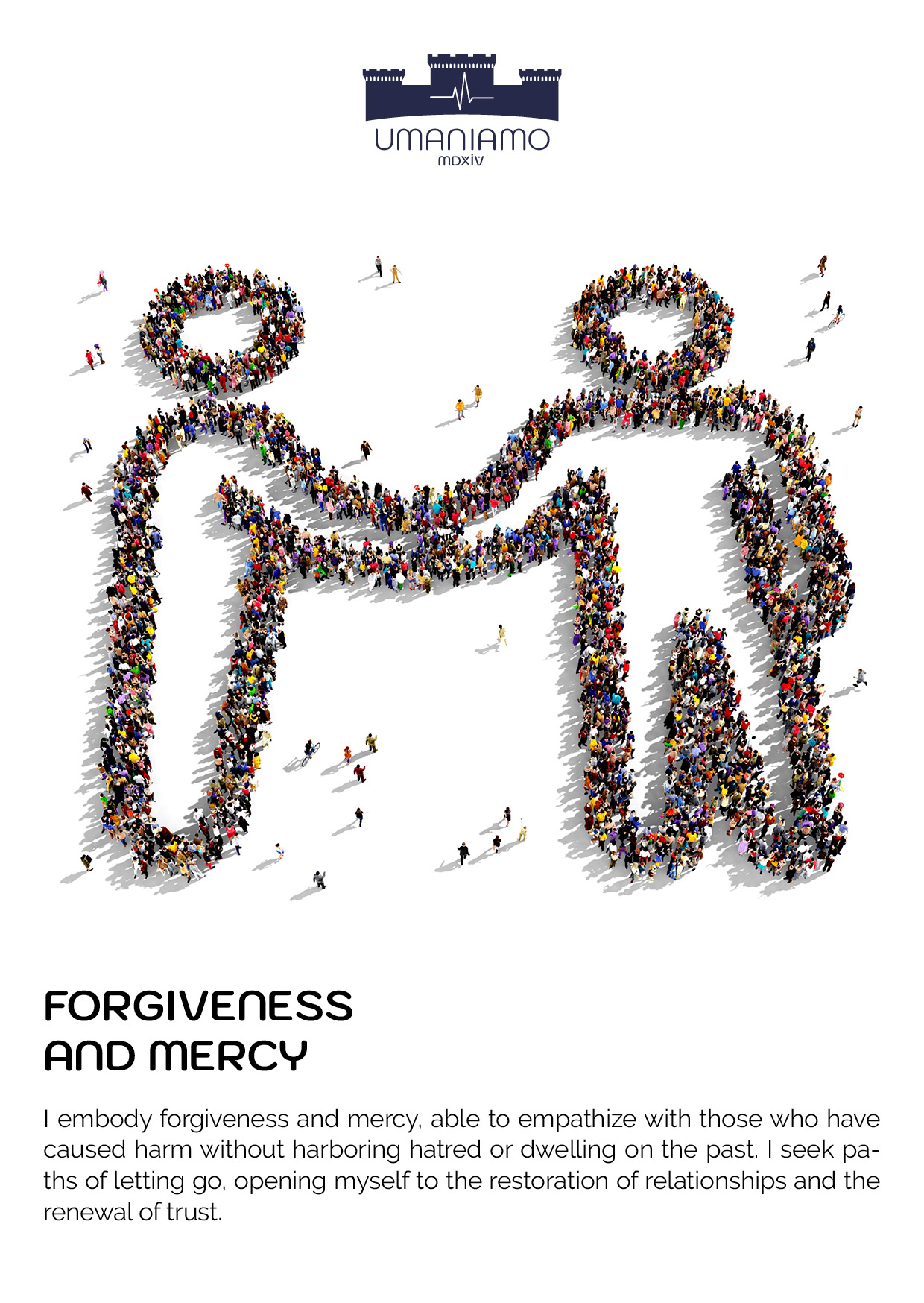
The D.E.E.P.E.R. Examen helps us slow down long enough to see our experiences clearly before reacting. This week’s reflection focuses on forgiveness and the discernment required to release resentment without abandoning truth.
Take a few quiet minutes to reflect on the questions below. You may write your responses, or simply hold them thoughtfully. This does not mean pretending that harm never occurred. Forgiveness does not erase consequences or eliminate responsibility. Instead, it humanizes the situation. It allows us to see the person behind the mistake and ourselves behind the injury. In this sense, forgiveness becomes an act of perception. It reveals how easily the mind constructs stories around pain. When we are hurt, our imagination often fills the gaps with assumptions. Motives are assigned. Character judgments are formed. Entire narratives develop that can reinforce resentment long after the original event has passed.
Details: What situation this week brought feelings of frustration, resentment, or disappointment toward another person? Describe the event as plainly as possible, without interpretation. What actually happened?
Evidence: What facts support your understanding of the situation? What parts of the story might still be assumptions rather than evidence? Are there pieces of information you may not yet have?
Empathy: What might the other person have been experiencing at the time? What pressures, fears, misunderstandings, or limitations might have influenced their behavior? Empathy does not excuse harm, but it often expands our understanding of it.
Prospective: If forgiveness or mercy were introduced into this situation, what future might become possible? What would change if the relationship were guided by clarity rather than resentment?
Execution: Is there a concrete action that might restore movement in the relationship? This could include a conversation, an apology, setting a boundary, or choosing to release the grievance internally. Discernment becomes meaningful when it informs action.
Reflection: What does this experience reveal about your own patterns of judgment, expectation, or reaction? Where might forgiveness be needed not only toward others, but toward yourself? Sometimes the deepest mercy we extend is the recognition that everyone involved in a situation is still learning how to be human.
Forgiveness does not erase the past, but it often frees the future and freedom allows clarity to grow.
This is one place where the patterns we described earlier in the opening reflection begin to appear.
Sometimes resentment grows because The Devil at Work is quietly shaping the story. Distortion amplifies the offense, narrows the perspective, and convinces us that the other person’s actions define their entire character. The situation becomes fixed in a single interpretation, leaving no room for complexity or repair.
At other times, forgiveness begins when The Spirit at Work brings illumination. A conversation reveals context we did not know. We recognize our own role in the misunderstanding. Or we simply begin to see the other person’s humanity more clearly. Compassion emerges where judgment once stood.
And eventually forgiveness must move toward The Builder at Work. Mercy becomes real through responsible action — a conversation, a boundary clarified, a relationship restored, or a quiet decision to release bitterness that no longer serves life.
Forgiveness is rarely instantaneous. It is often a process that unfolds over time. It may involve confronting emotions such as anger, guilt, disappointment, or betrayal. Yet within that process lies the possibility of something remarkable: emotional healing and relational growth.
In many ways, forgiveness is one of the clearest indicators that formation is taking place. The Tourist avoids conflict. The Pilgrim encounters it. The Disciple learns to respond with discernment.
REDISCOVER U®, strength of Forgiveness and Mercy
Forgiveness does not mean becoming passive or ignoring injustice. Instead, it means responding with clarity rather than reaction. Mercy allows us to move forward without carrying the full weight of every injury we have experienced.
Ogni settimana proponiamo due semplici modi per riflettere, a seconda di come e dove vi trovate.
La conversazione a tavola è una breve riflessione condivisa.
Funziona meglio durante un pasto, in salotto o in un momento di tranquillità con amici o familiari. Non è necessaria alcuna preparazione, solo la presenza.
L'esame D.E.E.P.E.R. è una riflessione personale più lunga.
È pensata per essere fatta da soli, al proprio ritmo, con spazio per il silenzio, la scrittura di un diario o la preghiera. Non è necessario fare entrambe le cose. Scegli quella più adatta al tuo momento. Entrambe sono modi per prestare attenzione a ciò che ti ha plasmato, in modo che l'esperienza possa maturare in saggezza.
Nelle ultime settimane, la tavola domenicale è passata lentamente dalla curiosità all'impegno. Quello che era iniziato come un'esplorazione è diventato un ritmo condiviso. Il turista ha lasciato il posto al pellegrino e ora sta emergendo qualcosa di più profondo: il discepolo.
Quando iniziamo a vedere chiaramente, non riconosciamo solo le distorsioni nei sistemi, nelle istituzioni o nella cultura. Iniziamo anche a vedere le nostre relazioni in modo più onesto. Vediamo dove la fiducia è stata messa a dura prova, dove il risentimento si è accumulato silenziosamente e dove la delusione persiste ancora sotto la superficie delle interazioni quotidiane. Questo cambiamento influisce anche sul modo in cui possiamo affrontare le nostre pratiche della Tavola Domenicale REDISCOVER UⓇ e il D.E.E.P.E.R. ExamenTM. È anche qui che il perdono e la misericordia diventano essenziali per la nostra crescita e responsabilità, prima nel modo in cui trattiamo noi stessi e poi nel modo in cui trattiamo o mostriamo misericordia verso gli altri.
Questa riflessione funziona meglio durante un pasto, in salotto o durante un momento di tranquillità con gli amici o la famiglia. Non è necessaria alcuna preparazione, solo la vostra presenza. Ascoltate senza correggere e parlate senza atteggiarvi o giudicare.
A tavola, rifletti lentamente e onestamente sulle seguenti domande:
Quando hai sperimentato il perdono che ha cambiato la direzione di una relazione o addirittura della tua vita? Cosa ha reso possibile quel momento?
C'è una situazione in cui il risentimento continua a influenzare il modo in cui vedi qualcuno? Che storia ti sei raccontato su quella persona? Come sarebbe la misericordia in quella situazione? Richiederebbe una conversazione, distanza, riconoscimento o semplicemente lasciar andare?
In quali situazioni potreste aver bisogno voi stessi di perdono? In che modo ricevere misericordia potrebbe cambiare il modo in cui la estendete agli altri?
Queste conversazioni non hanno lo scopo di produrre soluzioni rapide. Il loro scopo è quello di creare uno spazio per l'onestà e il discernimento. A volte, il semplice fatto di dare un nome alla tensione permette di far emergere una nuova possibilità. Il perdono non è debolezza. È la disciplina di rifiutare di lasciare che le ferite del passato determinino il futuro di una relazione e, come tutte le discipline, diventa più chiaro con la pratica.
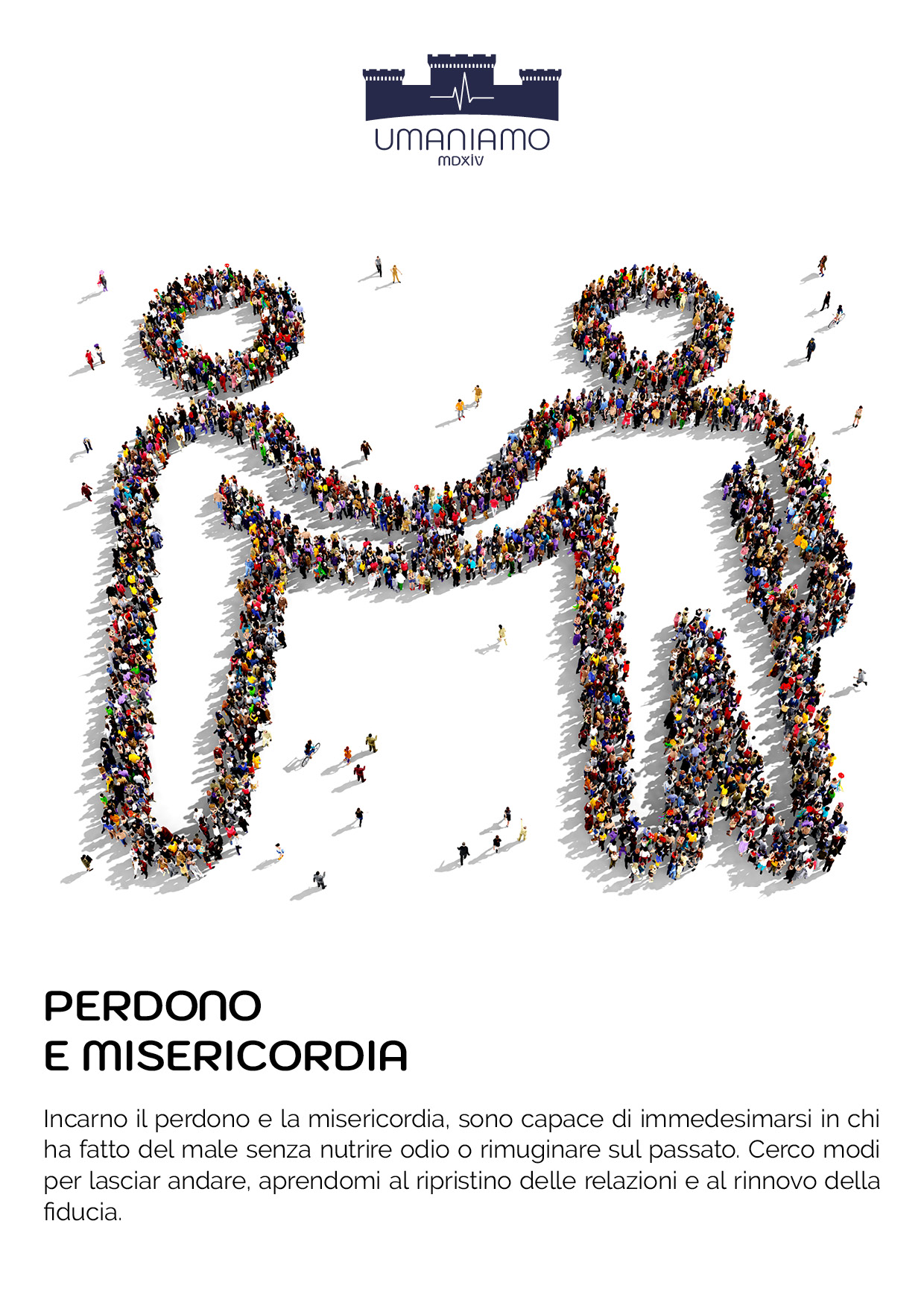
Il D.E.E.P.E.R. Esame ci aiuta a rallentare abbastanza a lungo da vedere chiaramente le nostre esperienze prima di reagire. La riflessione di questa settimana si concentra sul perdono e sul discernimento necessario per liberarsi dal risentimento senza abbandonare la verità.
Prenditi qualche minuto di tranquillità per riflettere sulle domande riportate di seguito. Puoi scrivere le tue risposte o semplicemente meditarle. Questo non significa fingere che il danno non sia mai avvenuto. Il perdono non cancella le conseguenze né elimina la responsabilità. Al contrario, umanizza la situazione. Ci permette di vedere la persona dietro l'errore e noi stessi dietro la ferita. In questo senso, il perdono diventa un atto di percezione. Rivela quanto facilmente la mente costruisca storie attorno al dolore. Quando siamo feriti, la nostra immaginazione spesso riempie i vuoti con supposizioni. Vengono assegnati motivi. Si formano giudizi sul carattere. Si sviluppano intere narrazioni che possono rafforzare il risentimento molto tempo dopo che l'evento originale è passato.
Dettagli: Quale situazione questa settimana ha portato sentimenti di frustrazione, risentimento o delusione verso un'altra persona? Descrivi l'evento nel modo più semplice possibile, senza interpretazioni. Cosa è successo realmente?
Evidenza: quali fatti supportano la tua comprensione della situazione? Quali parti della storia potrebbero essere ancora supposizioni piuttosto che prove? Ci sono informazioni che potresti non avere ancora?
Empatia: cosa potrebbe aver provato l'altra persona in quel momento? Quali pressioni, paure, incomprensioni o limitazioni potrebbero aver influenzato il suo comportamento? L'empatia non giustifica il danno, ma spesso amplia la nostra comprensione di esso.
Prospettiva: se in questa situazione venissero introdotti il perdono o la misericordia, quale futuro potrebbe diventare possibile? Cosa cambierebbe se il rapporto fosse guidato dalla chiarezza piuttosto che dal risentimento?
Esecuzione: esiste un'azione concreta che potrebbe ripristinare il movimento nel rapporto? Questa potrebbe includere una conversazione, delle scuse, la definizione di un confine o la scelta di liberarsi interiormente dal risentimento. Il discernimento diventa significativo quando informa l'azione.
Riflessione: cosa rivela questa esperienza sui tuoi schemi di giudizio, aspettative o reazioni? Dove potrebbe essere necessario il perdono non solo verso gli altri, ma anche verso te stesso? A volte la misericordia più profonda che possiamo offrire è il riconoscimento che tutte le persone coinvolte in una situazione stanno ancora imparando a essere umane.
Il perdono non cancella il passato, ma spesso libera il futuro e la libertà permette alla chiarezza di crescere.
Questo è un punto in cui iniziano ad apparire i modelli che abbiamo descritto in precedenza nella riflessione iniziale.
A volte il risentimento cresce perché Il Diavolo al Lavoro sta silenziosamente plasmando la storia. La distorsione amplifica l'offesa, restringe la prospettiva e ci convince che le azioni dell'altra persona definiscono il suo intero carattere. La situazione si fissa in un'unica interpretazione, senza lasciare spazio alla complessità o alla riparazione.
Altre volte, il perdono inizia quando Lo Spirito al Lavoro porta illuminazione. Una conversazione rivela un contesto che non conoscevamo. Riconosciamo il nostro ruolo nell'incomprensione. Oppure iniziamo semplicemente a vedere più chiaramente l'umanità dell'altra persona. La compassione emerge dove prima c'era il giudizio.
E alla fine il perdono deve muoversi verso Il Costruttore al Lavoro. La misericordia diventa reale attraverso un'azione responsabile: una conversazione, un confine chiarito, una relazione ripristinata o una tranquilla decisione di liberarsi dall'amarezza che non serve più alla vita.
Il perdono è raramente istantaneo. Spesso è un processo che si svolge nel tempo. Può comportare il confronto con emozioni come la rabbia, il senso di colpa, la delusione o il tradimento. Eppure, all'interno di quel processo, si cela la possibilità di qualcosa di straordinario: la guarigione emotiva e la crescita relazionale.
Per molti versi, il perdono è uno degli indicatori più chiari che la formazione sta avvenendo. Il Turista evita il conflitto. Il Pellegrino lo affronta. Il Discepolo impara a rispondere con discernimento.
REDISCOVER U®, la forza del perdono e della misericordia
Perdonare non significa diventare passivi o ignorare l'ingiustizia. Significa invece rispondere con chiarezza piuttosto che reagire. La misericordia ci permette di andare avanti senza portare il peso di ogni ferita che abbiamo subito.
Dr. Rhett Bogacz, DC, Health & Embodied Formation

Over the past few weeks we have spoken about walking the path, and then walking alone is not enough. Now we are beginning to see things more clearly: our often unconscious habits, patterns, relationships, and eventually your own life. In the language we are using this week, this is where the Disciple begins to emerge.
The word disciple often gets misunderstood. Many people hear it and imagine following another person, copying their beliefs, or surrendering independent thought. That is not what we mean here. In the context of formation and health, becoming a disciple means something more personal and more demanding: you begin to study your own life and make changes with honesty and forgiveness. You begin to observe what actually strengthens you and what quietly weakens you. You notice which habits restore your energy and which ones drain it. You pay attention to how your body responds to stress, to relationships, to food, to sleep, to work, and to unresolved emotions.
In my practice, one of the most common patterns I see is that people often treat their bodies as if symptoms appear randomly. But the body is rarely random. The body is a remarkably honest system. It records patterns over time, especially patterns that involve stress, unresolved emotion, and prolonged mental tension.
One of the most overlooked influences on physical health is rumination or the habit of replaying past events repeatedly in the mind. When people carry regret, resentment, or self-criticism for long periods of time, the nervous system does not experience those thoughts as abstract reflections. The body responds as if the original stress is still happening.
Psychologists sometimes refer to this pattern as perseverative cognition, repeatedly thinking about negative events from the past or possible threats in the future. Research has shown that this kind of repetitive thinking can prolong stress responses in the body, increasing heart rate, blood pressure, inflammation, and cortisol levels over time. The body interprets repeated mental replay as a continuing threat.
This matters because prolonged stress signaling affects immune function, sleep, pain sensitivity, and inflammatory responses. Studies have found that rumination is associated with increased inflammatory markers and poorer physical health outcomes over time. In chronic pain conditions such as fibromyalgia, higher levels of rumination are also linked with increased anxiety, depression, and poorer coping capacity.
This does not mean that regret or emotional pain causes autoimmune disease in a simple or direct way. Human biology is far more complex than that. But it does mean that prolonged emotional stress, especially when combined with rumination and self-blame, can contribute to patterns of inflammation, pain perception, and nervous system dysregulation that influence health over time.
In simpler terms: the body keeps listening to the stories we tell ourselves or “The greatest sources of our suffering are the lies we tell ourselves.” The Body Keeps the Score: Brain, Mind, and Body in the Healing of Trauma by Bessel van der Kolk.
This is why forgiveness and mercy, the theme of this week’s REDISCOVER UⓇ table practice and D.E.E.P.E.R. ExamenTM , matter not only spiritually, but physiologically. Many people understand forgiveness as something we offer others. But one of the most important forms of forgiveness begins much closer to home. It begins with mercy toward ourselves. Regret can become a form of mental imprisonment. People replay decisions they wish they had made differently. They judge themselves harshly for things they did not know at the time. They carry guilt for years, sometimes decades, as if holding onto the pain might somehow repair the past.
But the body cannot heal in an environment of constant internal accusation. At some point, clarity must replace rumination. This is where accountability and mercy meet. Accountability means acknowledging our choices honestly. Mercy means allowing the past to inform our growth rather than define our identity. When these two forces align, something powerful begins to appear, the capacity to carry responsibility without collapsing under its weight. In other words, we become disciples of our own lives. We begin to see the patterns clearly, and we respond with discipline rather than self-punishment.
When emotional stress accumulates, the body often tightens protective patterns that limit this natural movement. These practices help reverse that pattern gently. These practices are not exercises in the traditional sense. They are small movements that help restore circulation through the lymphatic system and allow fascial layers to glide more freely.
1. The Jaw & Tongue Release: Regret and rumination often live here
Many people replay difficult memories while unconsciously clenching their jaw or pressing their tongue against the roof of the mouth.
Place the tip of your tongue softly behind the lower front teeth instead of the roof of the mouth.
Let the jaw hang slightly heavier.
Massage the muscles just below the cheekbones and along the jaw hinge with slow circular pressure.
Take five slow breaths.
Releasing the jaw often produces an immediate drop in nervous system tension because the trigeminal nerve directly influences stress signaling.
2. The Collarbone Sweep: Lymphatic drainage reset
About one third of the body’s lymph drains through the supraclavicular nodes just above the collarbones. Using two or three fingers, gently sweep the skin just above the collarbone inward toward the center of the chest. Very light pressure is enough. Repeat for 30–60 seconds.
Many people feel an immediate sense of lightness or easier breathing after this movement because lymph flow begins to reopen.
3. Rib Cage Expansion: Fascia around the diaphragm releases
Mental stress frequently locks the diaphragm in a semi-contracted state.
Place your hands on the sides of your lower ribs.
As you inhale, feel the ribs expand sideways.
As you exhale, allow the ribs to soften inward.
Do not force the breath.
After five or six breaths, raise the arms overhead and stretch gently to one side, opening the intercostal fascia. This restores sliding motion between the ribs and diaphragm.
4. Hip Flexor Reset: Emotional tension often accumulates here
Prolonged sitting and emotional guarding shorten the hip flexors and compress lymphatic vessels in the pelvis.
Step one foot back into a gentle lunge.
Allow the hips to sink forward slowly.
Raise the arm on the same side as the back leg and reach upward.
Take four slow breaths.
Then switch sides.
When hip flexors release, people often feel a surprising emotional shift because the pelvis contains dense fascial and lymphatic networks connected to the lower spine and abdomen.
5. Lymphatic Circulation Walking: Full-body reset
Take a slow walk for 5–10 minutes. Every few steps, raise the arms briefly overhead and then let them swing naturally again. Arm swinging helps pump lymph through the axillary nodes under the armpits. Keep the pace relaxed and let the shoulders move freely.
Walking in this way stimulates:
lymph flow
spinal rotation
fascial hydration
parasympathetic activation
This simple movement is one of the most effective whole-body resets available.
When people carry regret or unresolved stress for long periods, the body tends to adopt protective holding patterns. The mind may replay the past, but the body expresses that tension through:
restricted breathing
fascial stiffness
lymphatic stagnation
muscle guarding
Small movements that restore circulation often change emotional state surprisingly quickly. This is one of the reasons forgiveness and mercy matter physically as well as psychologically. Letting go is not just a mental act sometimes the body must literally move what has been stuck.
This week also includes the beginning of Daylight Saving Time in the United States. When the clocks “spring forward,” we lose an hour of sleep overnight. While that may not seem significant, the nervous system often feels the shift more than we expect. Even a one-hour disruption can temporarily affect mood regulation, attention, reaction time, and stress tolerance. Research has consistently shown a small but noticeable increase in irritability, fatigue, and even workplace or traffic accidents during the days immediately following the change.
The reason is simple: the body runs on circadian timing that does not adjust instantly when the clock changes. Hormones such as cortisol and melatonin still follow their established rhythm for several days. During that adjustment period, people may feel slightly out of sync — waking earlier than the body expects or feeling unusually tired later in the day.
This week, extend a little mercy toward your own physiology. If you feel slightly off rhythm, it is not a failure of discipline; it is simply the nervous system recalibrating.
About Dr. Rhett
Dr. Rhett Bogacz is a chiropractor and educator focused on posture, breath, and nervous system regulation. His work supports embodied formation and long-term resilience.
Nelle ultime settimane abbiamo parlato di percorrere il cammino, ma camminare da soli non è sufficiente. Ora stiamo iniziando a vedere le cose più chiaramente: le nostre abitudini spesso inconsce, i modelli, le relazioni e, alla fine, la nostra stessa vita. Nel linguaggio che stiamo usando questa settimana, è qui che inizia ad emergere il Discepolo.
Il termine discepolo viene spesso frainteso. Molte persone la sentono e immaginano di seguire un'altra persona, copiare le sue convinzioni o rinunciare al pensiero indipendente. Non è questo che intendiamo qui. Nel contesto della formazione e della salute, diventare un discepolo significa qualcosa di più personale e più impegnativo: si inizia a studiare la propria vita e ad apportare cambiamenti con onestà e perdono. Si inizia a osservare ciò che effettivamente ci rafforza e ciò che ci indebolisce silenziosamente. Si nota quali abitudini ripristinano la nostra energia e quali la esauriscono. Presti attenzione a come il tuo corpo reagisce allo stress, alle relazioni, al cibo, al sonno, al lavoro e alle emozioni irrisolte.
Nella mia pratica, uno dei modelli più comuni che osservo è che le persone spesso trattano il proprio corpo come se i sintomi apparissero in modo casuale. Ma il corpo raramente è casuale. Il corpo è un sistema straordinariamente onesto. Registra i modelli nel tempo, in particolare quelli che coinvolgono stress, emozioni irrisolte e tensione mentale prolungata.
Una delle influenze più trascurate sulla salute fisica è la ruminazione, ovvero l'abitudine di ripensare ripetutamente agli eventi passati. Quando le persone provano rimpianto, risentimento o autocritica per lunghi periodi di tempo, il sistema nervoso non percepisce questi pensieri come riflessioni astratte. Il corpo reagisce come se lo stress originale fosse ancora presente.
Gli psicologi a volte si riferiscono a questo modello come cognizione perseverante, ovvero il pensare ripetutamente a eventi negativi del passato o a possibili minacce future. La ricerca ha dimostrato che questo tipo di pensiero ripetitivo può prolungare le risposte allo stress nel corpo, aumentando nel tempo la frequenza cardiaca, la pressione sanguigna, l'infiammazione e i livelli di cortisolo. Il corpo interpreta il ripetersi mentale come una minaccia continua.
Questo è importante perché i segnali di stress prolungato influenzano la funzione immunitaria, il sonno, la sensibilità al dolore e le risposte infiammatorie. Gli studi hanno scoperto che la ruminazione è associata ad un aumento dei marcatori infiammatori e a peggiori risultati di salute fisica nel tempo. In condizioni di dolore cronico come la fibromialgia, livelli più elevati di ruminazione sono anche collegati ad un aumento dell'ansia, della depressione e ad una minore capacità di affrontare le difficoltà.
Questo non significa che il rimpianto o il dolore emotivo causino malattie autoimmuni in modo semplice o diretto. La biologia umana è molto più complessa di così. Ma significa che lo stress emotivo prolungato, specialmente se combinato con la ruminazione e l'auto-colpevolizzazione, può contribuire a modelli di infiammazione, percezione del dolore e disregolazione del sistema nervoso che influenzano la salute nel tempo.
In termini più semplici: il corpo continua ad ascoltare le storie che raccontiamo a noi stessi o “Le maggiori fonti della nostra sofferenza sono le bugie che raccontiamo a noi stessi”. Il corpo tiene il conto: cervello, mente e corpo nella guarigione dal trauma di Bessel van der Kolk.
Ecco perché il perdono e la misericordia, tema della pratica al tavolo REDISCOVER UⓇ e del D.E.E.P.E.R. ExamenTM di questa settimana, sono importanti non solo spiritualmente, ma anche fisiologicamente. Molte persone intendono il perdono come qualcosa che offriamo agli altri. Ma una delle forme più importanti di perdono inizia molto più vicino a casa. Inizia con la misericordia verso noi stessi. Il rimpianto può diventare una forma di prigionia mentale. Le persone ripensano alle decisioni che avrebbero voluto prendere in modo diverso. Si giudicano duramente per cose che all'epoca non sapevano. Portano il senso di colpa per anni, a volte decenni, come se aggrapparsi al dolore potesse in qualche modo riparare il passato.
Ma il corpo non può guarire in un ambiente di costante accusa interiore. Ad un certo punto, la chiarezza deve sostituire la ruminazione. È qui che la responsabilità e la misericordia si incontrano. Responsabilità significa riconoscere onestamente le nostre scelte. Misericordia significa permettere al passato di informare la nostra crescita piuttosto che definire la nostra identità. Quando queste due forze si allineano, inizia ad apparire qualcosa di potente, la capacità di portare la responsabilità senza crollare sotto il suo peso. In altre parole, diventiamo discepoli della nostra vita. Iniziamo a vedere chiaramente gli schemi e rispondiamo con disciplina piuttosto che con l'autopunizione.
Quando lo stress emotivo si accumula, il corpo spesso rafforza schemi protettivi che limitano questo movimento naturale. Questi esercizi aiutano a invertire delicatamente questo schema. Non si tratta di esercizi nel senso tradizionale del termine, ma di piccoli movimenti che aiutano a ripristinare la circolazione attraverso il sistema linfatico e consentono agli strati fasciali di scivolare più liberamente.
1. Rilascio della mascella e della lingua: Il rimpianto e la ruminazione spesso risiedono qui
Molte persone ripensano a ricordi difficili mentre inconsciamente stringono la mascella o premono la lingua contro il palato.
Posizionate delicatamente la punta della lingua dietro i denti anteriori inferiori invece che sul palato.
Lasciate che la mascella si rilassi leggermente.
Massaggiate i muscoli appena sotto gli zigomi e lungo l'articolazione della mascella con una lenta pressione circolare.
Fate cinque respiri lenti.
Il rilascio della mascella spesso produce un immediato calo della tensione del sistema nervoso, perché il nervo trigemino influenza direttamente la segnalazione dello stress.
2. La spazzata della clavicola: ripristino del drenaggio linfatico
Circa un terzo della linfa del corpo drena attraverso i linfonodi sopraclaveari appena sopra le clavicole. Con due o tre dita, spazzate delicatamente la pelle appena sopra la clavicola verso l'interno, in direzione del centro del torace. È sufficiente una pressione molto leggera. Ripeti per 30-60 secondi.
Molte persone provano un immediato senso di leggerezza o di respirazione più facile dopo questo movimento, perché il flusso linfatico ricomincia a scorrere.
3. Espansione della gabbia toracica: rilassamento della fascia intorno al diaframma
Lo stress mentale spesso blocca il diaframma in uno stato di semi-contrazione.
Appoggia le mani sui lati delle costole inferiori.
Mentre inspiri, senti le costole espandersi lateralmente.
Mentre espiri, lascia che le costole si ammorbidiscano verso l'interno.
Non forzare il respiro.
Dopo cinque o sei respiri, alza le braccia sopra la testa e allungati delicatamente da un lato, aprendo la fascia intercostale. Questo ripristina il movimento di scorrimento tra le costole e il diaframma.
4. Ripristino dei flessori dell'anca: la tensione emotiva spesso si accumula qui
La posizione seduta prolungata e la difesa emotiva accorciano i flessori dell'anca e comprimono i vasi linfatici nel bacino.
Portate un piede indietro in un affondo delicato.
Lasciate che le anche si abbassino lentamente in avanti.
Alzate il braccio dello stesso lato della gamba posteriore e allungatevi verso l'alto.
Fate quattro respiri lenti.
Poi cambiate lato.
Quando i flessori dell'anca si rilasciano, spesso si avverte un sorprendente cambiamento emotivo, perché il bacino contiene una fitta rete fasciale e linfatica collegata alla parte inferiore della colonna vertebrale e all'addome.
5. Camminata per la circolazione linfatica: ripristino di tutto il corpo
Camminate lentamente per 5-10 minuti. Ogni pochi passi, sollevate brevemente le braccia sopra la testa e poi lasciatele oscillare di nuovo in modo naturale. L'oscillazione delle braccia aiuta a pompare la linfa attraverso i linfonodi ascellari sotto le ascelle. Mantieni un ritmo rilassato e lascia che le spalle si muovano liberamente.
Camminare in questo modo stimola:
il flusso linfatico
la rotazione della colonna vertebrale
l'idratazione fasciale
l'attivazione parasimpatica
Questo semplice movimento è uno dei più efficaci reset completi del corpo disponibili.
Quando le persone portano con sé rimpianti o stress irrisolti per lunghi periodi, il corpo tende ad adottare modelli di protezione. La mente può riprodurre il passato, ma il corpo esprime quella tensione attraverso:
respirazione limitata
rigidità fasciale
ristagno linfatico
protezione muscolare
Piccoli movimenti che ripristinano la circolazione spesso cambiano lo stato emotivo in modo sorprendentemente rapido. Questo è uno dei motivi per cui il perdono e la misericordia sono importanti sia fisicamente che psicologicamente. Lasciar andare non è solo un atto mentale, a volte il corpo deve letteralmente muovere ciò che è rimasto bloccato.
Questa settimana segna anche l'inizio dell'ora legale negli Stati Uniti. Quando gli orologi “saltano avanti”, perdiamo un'ora di sonno durante la notte. Anche se può sembrare insignificante, il sistema nervoso spesso percepisce il cambiamento più di quanto ci aspettiamo. Anche un'ora di disturbo può influire temporaneamente sulla regolazione dell'umore, sull'attenzione, sui tempi di reazione e sulla tolleranza allo stress.
La ricerca ha costantemente dimostrato un piccolo ma evidente aumento dell'irritabilità, della stanchezza e persino degli incidenti sul lavoro o stradali nei giorni immediatamente successivi al cambiamento.
Il motivo è semplice: il corpo funziona secondo un ritmo circadiano che non si adatta istantaneamente al cambiamento dell'ora. Ormoni come il cortisolo e la melatonina continuano a seguire il loro ritmo consolidato per diversi giorni. Durante questo periodo di adattamento, le persone possono sentirsi leggermente fuori sincrono, svegliandosi prima di quanto il corpo si aspetti o sentendosi insolitamente stanche nel corso della giornata.
Questa settimana, siate un po' più indulgenti con la vostra fisiologia. Se vi sentite leggermente fuori ritmo, non è un fallimento della disciplina, ma semplicemente il sistema nervoso che si sta ricalibrando.
Informazioni sul dottor Rhett
Il dottor Rhett Bogacz è un chiropratico ed educatore specializzato in postura, respirazione e regolazione del sistema nervoso. Il suo lavoro sostiene la formazione incarnata e la resilienza a lungo termine.
Paolo Vizziello, Formation, Discipline & Daily Practice

Most weeks follow a rhythm that we don’t think about very much. We wake at the same time, move through the same routines, answer the same messages, see the same people, and return to the same places. The rhythm becomes familiar enough that we rarely question it. It holds life together quietly in the background, but occasionally that rhythm changes.
This past week was one of those moments for me. My partner was on vacation, which meant we spent much more time together than usual. Nothing dramatic happened. We simply shared more of the day meals, walks, conversations that stretched longer than they normally do when work schedules pull people in different directions. At first it just felt nice, much slower, warmer, and more relaxed. But after a few days I noticed something else happening. Even small changes in rhythm begin to reveal parts of ourselves we normally don’t see.
When you spend more time around another person, the little habits that usually pass unnoticed start to become visible. The way you respond when you are tired. The tone of your voice when something interrupts your focus. The impatience that can appear when plans change unexpectedly. None of these things are dramatic enough to become arguments, but they are real enough to be felt. That’s when this week’s theme: becoming a disciple and learning to see clearly started to feel more real. Seeing clearly is not always about discovering something new in the world. Sometimes it is simply noticing how you show up in everyday life.
Spending more time together also changed the rhythm of the house, and that included the two dogs who live with us. Anyone who has animals knows that they run on their own internal schedules. Walks happen at certain times. Meals and treats happen at certain times. They expect the routine to continue whether your plans have changed or not. At first the adjustments felt small, an extra walk here, feeding them earlier than usual there but even those minor shifts began to expose how attached we become to our own patterns. You realize how easily frustration appears when something interrupts the structure you are used to.
Dogs don’t experience those moments the same way we do. They simply adapt, their attention is on the present moment the walk, the food, the next time to play. Watching that response has a way of softening your own reactions, well maybe not in the moment but by the end of the week...
It reminded me of something that has come up repeatedly in the Sunday Table reflections over the past few weeks. Formation does not only happen in big decisions or dramatic turning points. Often it appears in the small moments where our routines are stretched. When those moments happen, different responses are possible - irritation and perhaps the other is mercy. Mercy does not only apply to large offenses. It can appear in ordinary situations where someone’s habits, preferences, or timing disrupt your own. When two lives overlap more closely, even temporarily, those differences naturally surface. The question is whether we interpret them as problems or as invitations to grow in patience.
Seeing clearly means recognizing that many of the tensions we experience are not the result of wrongdoing at all. They are simply the friction of two people learning how to share space, time, and attention. This is where forgiveness begins to take a quieter form. It is not always about releasing a major grievance. Sometimes it is about letting go of the small irritations that accumulate when our expectations meet someone else’s reality.
The same mercy often needs to be extended toward ourselves as well. When routines change, we may notice our own impatience or defensiveness more quickly. It can be uncomfortable to see those reactions. But that discomfort is also part of learning. If we observe it without immediately judging ourselves, we begin to understand our own patterns more clearly. That, to me, is where the idea of becoming a disciple makes sense.
A disciple is someone who studies their life carefully. You start paying attention to how your reactions shape the atmosphere around you. You notice how patience or frustration influences the people and animals sharing your space. You see how quickly a moment of kindness can restore ease in a situation that might otherwise grow tense. Sometimes the most meaningful formation happens not through big turning points, but through the quiet adjustments that everyday life asks of us.
About Paolo
Paolo Vizziello is a craftsman and formation guide whose reflections focus on discipline, presence, and daily practice rooted in lived experience.
La maggior parte delle settimane segue un ritmo a cui non prestiamo molta attenzione. Ci svegliamo alla stessa ora, seguiamo le stesse routine, rispondiamo agli stessi messaggi, vediamo le stesse persone e torniamo negli stessi posti. Il ritmo diventa così familiare che raramente lo mettiamo in discussione. Tiene insieme la nostra vita in modo silenzioso, ma ogni tanto cambia.
La settimana scorsa è stato uno di quei momenti per me. Il mio compagno era in vacanza, il che significava che abbiamo trascorso molto più tempo insieme del solito. Non è successo nulla di drammatico. Abbiamo semplicemente condiviso più pasti, passeggiate e conversazioni che si sono protratte più a lungo del solito, quando gli impegni di lavoro portano le persone in direzioni diverse. All'inizio era semplicemente piacevole, molto più lento, più caloroso e più rilassato. Ma dopo alcuni giorni ho notato che stava succedendo qualcos'altro. Anche piccoli cambiamenti nel ritmo iniziano a rivelare parti di noi che normalmente non vediamo.
Quando si trascorre più tempo con un'altra persona, le piccole abitudini che di solito passano inosservate iniziano a diventare visibili. Il modo in cui si reagisce quando si è stanchi. Il tono di voce quando qualcosa interrompe la concentrazione. L'impazienza che può manifestarsi quando i piani cambiano inaspettatamente. Nessuna di queste cose è abbastanza drammatica da diventare motivo di litigio, ma sono abbastanza reali da essere percepite. È allora che il tema di questa settimana: diventare discepoli e imparare a vedere chiaramente ha iniziato a sembrare più reale. Vedere chiaramente non significa sempre scoprire qualcosa di nuovo nel mondo. A volte significa semplicemente notare come ti comporti nella vita di tutti i giorni.
Trascorrere più tempo insieme ha anche cambiato il ritmo della casa, compresi i due cani che vivono con noi. Chiunque abbia animali sa che seguono i propri ritmi interni. Le passeggiate avvengono in determinati orari. I pasti e gli snack avvengono in determinati orari. Si aspettano che la routine continui, indipendentemente dal fatto che i tuoi piani siano cambiati o meno. All'inizio gli aggiustamenti sembravano minimi, una passeggiata in più qui, dar loro da mangiare prima del solito là, ma anche quei piccoli cambiamenti hanno cominciato a rivelare quanto siamo attaccati alle nostre abitudini. Ci si rende conto di quanto sia facile provare frustrazione quando qualcosa interrompe la struttura a cui siamo abituati.
I cani non vivono quei momenti allo stesso modo in cui li viviamo noi. Si adattano semplicemente, la loro attenzione è rivolta al momento presente: la passeggiata, il cibo, il prossimo momento di gioco. Osservare questa reazione ha il potere di ammorbidire le tue reazioni, beh, forse non sul momento, ma alla fine della settimana...
Mi ha ricordato qualcosa che è emerso ripetutamente nelle riflessioni della Tavola Domenicale nelle ultime settimane. La formazione non avviene solo nelle grandi decisioni o nei momenti di svolta drammatici. Spesso appare nei piccoli momenti in cui le nostre routine vengono messe alla prova. Quando si verificano questi momenti, sono possibili diverse reazioni: l'irritazione e forse l'altra è la misericordia. La misericordia non si applica solo alle grandi offese. Può manifestarsi in situazioni ordinarie in cui le abitudini, le preferenze o i tempi di qualcuno disturbano i propri. Quando due vite si sovrappongono più da vicino, anche temporaneamente, queste differenze emergono naturalmente. La domanda è se le interpretiamo come problemi o come inviti a crescere nella pazienza.
Vedere chiaramente significa riconoscere che molte delle tensioni che sperimentiamo non sono affatto il risultato di comportamenti scorretti. Sono semplicemente l'attrito di due persone che imparano a condividere lo spazio, il tempo e l'attenzione. È qui che il perdono inizia ad assumere una forma più tranquilla. Non si tratta sempre di liberarsi da un grave risentimento. A volte si tratta di lasciar andare le piccole irritazioni che si accumulano quando le nostre aspettative incontrano la realtà di qualcun altro.
Spesso la stessa misericordia deve essere estesa anche a noi stessi. Quando le routine cambiano, possiamo notare più rapidamente la nostra impazienza o la nostra difensività. Può essere scomodo vedere queste reazioni. Ma anche questo disagio fa parte dell'apprendimento. Se lo osserviamo senza giudicarci immediatamente, iniziamo a comprendere più chiaramente i nostri schemi comportamentali. È qui che, secondo me, l'idea di diventare un discepolo ha senso.
Un discepolo è qualcuno che studia attentamente la propria vita. Si inizia a prestare attenzione a come le proprie reazioni influenzano l'atmosfera che ci circonda. Si nota come la pazienza o la frustrazione influenzino le persone e gli animali che condividono il proprio spazio. Si vede quanto velocemente un momento di gentilezza possa riportare serenità in una situazione che altrimenti potrebbe diventare tesa. A volte la formazione più significativa non avviene attraverso grandi svolte, ma attraverso i silenziosi aggiustamenti che la vita quotidiana ci richiede.
Informazioni su Paolo
Paolo Vizziello è un artigiano e guida alla formazione le cui riflessioni si concentrano sulla disciplina, la presenza e la pratica quotidiana radicata nell'esperienza vissuta.
Paolo Vizziello, Formation, Discipline & Daily Practice
There are moments in life when clarity arrives a little later than we would prefer. This sometimes happens with money. At first something seems reasonable: an investment that looks promising, a subscription that appears small enough not to matter, an online purchase made quickly while scrolling through the phone late at night. None of these decisions feel dramatic in the moment. They feel harmless, even justified. Then later, sometimes weeks or months later, we see the situation differently.
The investment is not performing as expected. The subscription quietly renewed three times before we noticed. The purchase we made in a moment of distraction turns out to be something we did not really need. When that moment of realization arrives, the first emotion many of us feel is regret. Regret can be uncomfortable because it challenges the story we told ourselves earlier. We believed we were making a good decision, or at least a harmless one. Seeing the outcome clearly forces us to acknowledge that our judgment was not perfect.
This is where many people turn away from their finances. They avoid looking at statements, delay reviewing their accounts, or postpone decisions that might require acknowledging a mistake. But the discipline of becoming a disciple, learning to see clearly, invites a different and often uncomfortable response. Instead of avoiding regret, we allow it to teach us something.
Regret is not a sign of failure, sometimes it is simply the moment when awareness catches up with reality. It reveals the gap between what we hoped would happen and what actually happened. Accountability begins at that point. Accountability does not mean punishing ourselves for every imperfect decision. It means responding honestly to the information we now have. Maybe we cancel the subscription we forgot about or rebalance an investment instead of hoping it improves on its own. We might even slow down before clicking “confirm purchase” or “buy now” the next time an online offer appears.
Mercy also has a place here. Every person who manages money for long enough will eventually make decisions they would handle differently in hindsight. Circumstances change and financial maturity does not come from avoiding every mistake. It comes from learning without becoming trapped in self-criticism.
Pause before confirming online purchases especially subscriptions. A short pause often reveals whether the decision is thoughtful or impulsive.
Cancel what you are no longer using. Small recurring charges quietly erode resources over time.
Revisit assumptions about investments. Ask whether the evidence still supports the decision you made earlier.
Practice financial mercy. Correct mistakes quickly, learn from them, and move on without carrying unnecessary regret.
Clarity does not erase the past. But when we meet regret with forgiveness and mercy, it becomes something different a teacher that helps us see more clearly the next time.
Ci sono momenti nella vita in cui la chiarezza arriva un po' più tardi di quanto vorremmo. Questo a volte accade con il denaro. All'inizio qualcosa sembra ragionevole: un investimento che sembra promettente, un abbonamento che sembra abbastanza piccolo da non avere importanza, un acquisto online fatto rapidamente mentre si scorre il telefono a tarda notte. Nessuna di queste decisioni sembra drammatica sul momento. Sembrano innocue, persino giustificate. Poi, qualche tempo dopo, a volte settimane o mesi dopo, vediamo la situazione in modo diverso.
L'investimento non sta dando i risultati previsti. L'abbonamento è stato rinnovato tre volte senza che ce ne accorgessimo. L'acquisto che abbiamo fatto in un momento di distrazione si rivela essere qualcosa di cui non avevamo davvero bisogno. Quando arriva quel momento di consapevolezza, la prima emozione che molti di noi provano è il rimpianto. Il rimpianto può essere scomodo perché mette in discussione la storia che ci siamo raccontati in precedenza. Credevamo di aver preso una buona decisione, o almeno una decisione innocua. Vedere chiaramente il risultato ci costringe a riconoscere che il nostro giudizio non era perfetto.
È qui che molte persone si allontanano dalle loro finanze. Evitano di guardare gli estratti conto, ritardano la revisione dei loro conti o rimandano le decisioni che potrebbero richiedere il riconoscimento di un errore. Ma la disciplina di diventare un discepolo, imparando a vedere chiaramente, invita a una risposta diversa e spesso scomoda. Invece di evitare il rimpianto, permettiamo che ci insegni qualcosa.
Il rimpianto non è un segno di fallimento, a volte è semplicemente il momento in cui la consapevolezza raggiunge la realtà. Rivela il divario tra ciò che speravamo accadesse e ciò che è realmente accaduto. La responsabilità inizia in quel momento. Responsabilità non significa punirci per ogni decisione imperfetta. Significa rispondere onestamente alle informazioni che ora abbiamo. Forse cancelliamo l'abbonamento che avevamo dimenticato o riequilibriamo un investimento invece di sperare che migliori da solo. Potremmo anche rallentare prima di cliccare su “conferma acquisto” o “acquista ora” la prossima volta che appare un'offerta online.
Anche la misericordia ha un suo posto qui. Ogni persona che gestisce il denaro per un periodo di tempo sufficientemente lungo finirà per prendere decisioni che, col senno di poi, gestirebbe in modo diverso. Le circostanze cambiano e la maturità finanziaria non deriva dall'evitare ogni errore. Deriva dall'imparare senza rimanere intrappolati nell'autocritica.
Fermati prima di confermare gli acquisti online, in particolare gli abbonamenti. Una breve pausa spesso rivela se la decisione è ponderata o impulsiva.
Cancella ciò che non usi più. Piccoli addebiti ricorrenti erodono silenziosamente le risorse nel tempo.
Rivedi le tue ipotesi sugli investimenti. Chiediti se le prove a tua disposizione confermano ancora la decisione che hai preso in precedenza.
Pratica la clemenza finanziaria. Correggi rapidamente gli errori, impara da essi e vai avanti senza portare con te inutili rimpianti.
La chiarezza non cancella il passato. Ma quando affrontiamo il rimpianto con il perdono e la clemenza, esso diventa qualcosa di diverso: un insegnante che ci aiuta a vedere più chiaramente la prossima volta.
Jake Claxton, Fatherhood, Formation & the Track

If you spend enough time around motocross, you’ll eventually hear someone say, “I was just following his line.” Sometimes that’s part of how you learn. Watching a faster rider can teach you a lot, like how they enter a corner, how they carry momentum through rough sections, where they open the throttle and where they hold back. In a sport with an elite class of athletes, observation is part of becoming better.
But there’s a risk in following too closely. The rider ahead of you might have years of experience you don’t yet have. His timing may be different. His bike setup might absorb the terrain in ways yours cannot. When you try to match someone else’s rhythm without fully understanding what you’re seeing, the margin for error gets very small. Most riders have a moment like that somewhere in their story.
You come into a section of the track a little faster than you should because you’re trying to keep pace with someone ahead of you. Maybe you hold the throttle open longer than your instincts suggested. Maybe you take a jump with more confidence than preparation. Then the track reminds you that you weren’t actually ready for that move. A hard landing, a crash, or an injury that sends you to the ER and forces you off the bike for a while.
When you’re sitting out for a few weeks or months, the mind starts replaying the moment. Riders know this feeling well. The “if only” thoughts show up quickly. If only I had…. (fill in the blank). That kind of reflection can easily turn into rumination and regret.
However, for a disciple it can also create clarity. You begin to realize that learning from someone is not the same thing as copying them. Watching other riders matters, but eventually you have to ride your own line with your own judgment.
As a father, I’ve noticed how easy it is to fall into comparison. You see how another family handles something and think maybe you should be doing the same thing. You see parents who seem to have it all figured out and wonder if you’re missing something. But families aren’t identical systems, just like riders and bikes aren’t identical systems.
What works in one home doesn’t automatically work in another, actually it almost never does. Sometimes you only realize that after trying to force something that doesn’t quite belong. That’s where forgiveness and mercy start to matter. Parenthood, like riding, includes moments you wish you could “hit rewind.” A response that was too quick. A moment where patience ran out. A decision that seemed right at the time but looks different later. Those moments can turn into quiet regret if we let them. But they can also become part of learning to see more clearly. There’s a line from the Gospel of Matthew that I think about sometimes: “You hypocrite, first take the plank out of your own eye, and then you will see clearly to remove the speck from your brother’s eye.” (Matthew 7:5) It’s a humbling idea. Before correcting others, we have to be willing to look honestly at ourselves.
About Jake
Jake Claxton is a husband, father of two sons, and founder of Ride By Design. His reflections draw from family life, faith, and lessons learned on the motocross track.
Se passi abbastanza tempo nel mondo del motocross, alla fine sentirai qualcuno dire: “Stavo solo seguendo la sua traiettoria”. A volte questo fa parte del processo di apprendimento. Osservare un pilota più veloce può insegnarti molto, ad esempio come affronta una curva, come mantiene lo slancio nei tratti difficili, dove accelera e dove rallenta. In uno sport con atleti di élite, l'osservazione è parte integrante del processo di miglioramento.
Ma seguire troppo da vicino comporta dei rischi. Il pilota davanti a te potrebbe avere anni di esperienza che tu non hai ancora. Il suo tempismo potrebbe essere diverso. La configurazione della sua moto potrebbe assorbire il terreno in modi che la tua non è in grado di fare. Quando cerchi di eguagliare il ritmo di qualcun altro senza comprendere appieno ciò che stai vedendo, il margine di errore diventa molto ridotto. La maggior parte dei piloti ha vissuto un momento del genere nella propria carriera.
Entri in una sezione della pista un po' più veloce di quanto dovresti perché stai cercando di tenere il passo con qualcuno davanti a te. Forse tieni l'acceleratore aperto più a lungo di quanto suggerisca il tuo istinto. Forse affronti un salto con più sicurezza che preparazione. Poi la pista ti ricorda che in realtà non eri pronto per quella manovra. Un atterraggio duro, un incidente o un infortunio che ti manda al pronto soccorso e ti costringe a stare lontano dalla moto per un po'.
Quando si resta fermi per alcune settimane o mesi, la mente inizia a riprodurre quel momento. I motociclisti conoscono bene questa sensazione. I pensieri del tipo “se solo...” affiorano rapidamente. Se solo avessi... (riempire lo spazio vuoto). Questo tipo di riflessione può facilmente trasformarsi in rimuginio e rimpianto.
Tuttavia, per un discepolo può anche creare chiarezza. Si comincia a capire che imparare da qualcuno non è la stessa cosa che copiarlo. Guardare gli altri ciclisti è importante, ma alla fine devi seguire la tua strada con il tuo giudizio.
Come padre, ho notato quanto sia facile cadere nel confronto. Vedi come un'altra famiglia gestisce una situazione e pensi che forse dovresti fare lo stesso. Vedi genitori che sembrano avere tutto sotto controllo e ti chiedi se ti stai perdendo qualcosa. Ma le famiglie non sono sistemi identici, proprio come i ciclisti e le biciclette non sono sistemi identici.
Ciò che funziona in una casa non funziona automaticamente in un'altra, anzi, quasi mai funziona. A volte te ne rendi conto solo dopo aver cercato di forzare qualcosa che non è proprio adatto. È qui che il perdono e la misericordia iniziano ad avere importanza. Essere genitori, come andare in bicicletta, comporta momenti in cui vorresti poter “riavvolgere il nastro”. Una risposta troppo affrettata. Un momento in cui la pazienza è finita. Una decisione che sembrava giusta in quel momento, ma che in seguito appare diversa. Questi momenti possono trasformarsi in un silenzioso rimpianto, se lo permettiamo. Ma possono anche diventare parte dell'apprendimento per vedere più chiaramente. C'è una frase del Vangelo di Matteo a cui penso a volte: “Ipocrita, togli prima la trave dal tuo occhio e allora potrai vedere bene per togliere la pagliuzza dall'occhio del tuo fratello”. (Matteo 7:5) È un'idea che induce all'umiltà. Prima di correggere gli altri, dobbiamo essere disposti a guardare onestamente noi stessi.
Informazioni su Jake
Jake Claxton è marito, padre di due figli e fondatore di Ride By Design. Le sue riflessioni traggono ispirazione dalla vita familiare, dalla fede e dalle lezioni apprese sulla pista di motocross.
“A verità vènə doppə… ma vènə.”
Literal Translation The truth arrives later… but it arrives.
Older generations in southern towns understood something about human nature that modern life sometimes forgets: people often recognize the truth only after time has passed. In village culture, reputation is shaped less by avoiding mistakes and more by how someone responds after clarity arrives. A person who acknowledges the truth and adjusts earns respect. A person who refuses to see what is obvious eventually loses credibility. The proverb reflects that wisdom. Truth does not always appear right away, sometimes it arrives slowly, after circumstances change or time reveals what was hidden. But eventually truth shows itself. Learning to see clearly means welcoming that moment instead of resisting it.
Traduzione letterale La verità arriva più tardi... ma arriva.
Le generazioni più anziane delle città del sud hanno compreso qualcosa della natura umana che la vita moderna a volte dimentica: spesso le persone riconoscono la verità solo dopo che è passato del tempo. Nella cultura dei villaggi, la reputazione è determinata meno dall'evitare gli errori e più dal modo in cui una persona reagisce dopo che la verità è stata chiarita. Una persona che riconosce la verità e si adegua guadagna rispetto. Una persona che rifiuta di vedere ciò che è ovvio alla fine perde credibilità. Il proverbio riflette questa saggezza. La verità non sempre appare immediatamente, a volte arriva lentamente, dopo che le circostanze cambiano o il tempo rivela ciò che era nascosto. Ma alla fine la verità si manifesta. Imparare a vedere chiaramente significa accogliere quel momento invece di resistergli.
Baccalà con Patate e Olive (Salt Cod with Potatoes, Tomatoes, and Olives)

In many Southern Italian homes, Lent does not mean bland food. It means simpler food prepared with care. Salt cod has been part of this tradition for centuries because it was historically easy to preserve and transport across the Mediterranean. Even inland regions like Basilicata adopted it as a Lenten staple.
The dish is humble but deeply satisfying tender cod, soft potatoes, olive oil, tomatoes, and herbs slowly cooking together until the flavors settle into something both comforting and restorative. It is the kind of meal that encourages conversation around the table.
500–600 g baccalà (salt cod), soaked and desalinated
4 medium potatoes, peeled and sliced
1 small red onion, thinly sliced
2 cloves garlic, lightly crushed
1 cup cherry tomatoes or chopped plum tomatoes
½ cup black olives (Gaeta olives if available)
¼ cup extra virgin olive oil
Fresh parsley, chopped
Optional: pinch of crushed red pepper
Salt and pepper to taste
Prepare the cod: If using traditional salt cod, soak it in cold water for 24–36 hours, changing the water several times. Pat dry and cut into large pieces.
Layer the base: In a wide sauté pan or shallow pot, warm the olive oil. Add the onion and garlic and cook gently until softened but not browned.
Add the potatoes: Layer the sliced potatoes into the pan. Let them cook for several minutes so they begin absorbing the oil and aromatics.
Build the dish: Add the cod pieces on top of the potatoes. Scatter tomatoes and olives across the surface.
Simmer gently: Add a small splash of water or white wine, cover, and cook on low heat for about 25–30 minutes, until the potatoes are tender and the cod flakes easily.
Finish: Sprinkle with chopped parsley and a little black pepper before serving.
Serve this dish with rustic bread to soak up the olive oil and tomato broth. Meals like this remind us that Lent is not about moderation alone. It is about simplicity that restores attention food that nourishes the body without overwhelming it.
Cosiamo, Founder UMANIAMO® | Formation & Architecture

There are moments in history when the world suddenly becomes louder, especially with the 24:7 presence of social media. News arrives quickly, headlines multiply, and every voice seems certain about what must happen next. In the past week alone, the world has watched a major escalation of conflict in the Middle East after coordinated strikes by the United States and Israel against Iran triggered a rapidly widening regional confrontation.
Missiles, drones, counter-strikes, and retaliation now fill the daily news cycle. Cities far from the battlefield feel the ripple effects through rising energy prices, disrupted travel, and an atmosphere of uncertainty. What began as targeted military action has already drawn in neighboring regions and proxy groups, raising fears that the conflict could widen further.
In moments like these, the temptation is to react quickly. Anger becomes contagious, and signs of certainty become attractive. Narratives simplify into heroes and villains, allies and enemies, victory and defeat. But the Disciple stage of formation asks something different of us. It asks us to see clearly.
Seeing clearly does not mean withdrawing from reality or ignoring suffering. It means resisting the pull of distortion. The Devil at Work rarely appears as something obviously evil. More often distortion arrives as exaggeration, selective truth fueled by algorithms and “likes,” or the quiet pressure to think and speak without reflection. When the world becomes loud, clarity requires restraint and extra time for reflection and discernment.
Over the past week the world has watched tensions in the Middle East intensify after the strikes involving Israel, the United States, and Iran. But most of what reached us arrived filtered through political interest, economic pressure, and the powerful incentives of attention itself. War has always involved propaganda, but in the modern world it spreads at the speed of the network.
The Spirit at Work knows to follow the money, because conflict rarely exists without competing interests behind it. Resources, power, alliances, and influence often shape events long before the first missile appears in the sky. To see clearly sometimes means patiently tracing these realities rather than accepting the first explanation offered.
But the Spirit at Work also knows to follow the honey — the sweetness that still exists wherever mercy and forgiveness are possible. In the New Testament, John the Baptist lived in the wilderness sustained by simple food, including wild honey (Matthew 3:4). Honey appears there as a symbol of something pure and sustaining in a harsh landscape. In the same way, even in the harsh terrain of conflict, mercy remains one of the few forces capable of restoring what violence destroys.
The Builder at Work learns from both realities. The Builder learns to pause before speaking, to practice the D.E.E.P.E.R. Examen before repeating a story, and to examine the condition of the heart before reacting. Builders at Work understand that words spoken in anger rarely build anything lasting and that clarity must come before action.
Clarity often comes through remembering something very simple: we are human together or not at all.
The New Testament reminds us that human life is not meant to be lived in isolation. Our identity emerges in relationship. As Jesus said: “Where two or three are gathered in my name, there am I among them.” Matthew 18:20 That small image is powerful in times like these, two or three people gathered, not shouting, not reacting. Simply present together, perhaps even at the Sunday Table. It reminds us that the foundation of human life is not conflict, but communion.
In a world filled with noise, that may be the most radical discipline of all. Because when people gather with patience, mercy, and attention, something different becomes possible. The Devil at Work (distortion) loses its grip, anger is transmuted, and truth has room to appear, which allows something to begin to be built again.
As we continue walking toward Easter, this discipline becomes even more important. The path ahead is not only about clarity, but about what clarity prepares us to carry. For now, the Disciple continues learning to see clearly. And in a world that moves quickly toward reaction, learning to see clearly may be one of the most faithful acts we can offer.
A Roman noblewoman who devoted her life to service, charity, and care for the poor. She founded a religious community dedicated to prayer and works of mercy while remaining deeply connected to family life. She is often remembered as a model of integrating contemplation with practical service.
A sixth-century pope who guided the Church during the collapse of the Western Roman Empire. His leadership came during a time of political upheaval and uncertainty, reminding believers that spiritual steadiness often becomes most important when institutions are changing.
A theologian and patriarch of Jerusalem known for defending orthodox Christian teaching during periods of doctrinal confusion. He emphasized the clarity of Christ’s humanity and divinity, making him a symbol of intellectual integrity in times of theological dispute.
An Italian priest of the late 19th and early 20th centuries who dedicated his life to serving the poor, the disabled, and abandoned children. He founded charitable communities that combined faith, education, and social service.
A bishop who played a major role in the Christianization of Spain during the early Middle Ages. Known for wisdom and diplomacy, he helped guide political and religious reconciliation during a period of deep division.
A German queen remembered for her generosity and devotion. After the death of her husband, she spent the remainder of her life supporting monasteries, caring for the poor, and encouraging spiritual renewal throughout the region.
A missionary priest who helped renew Catholic life in Central Europe during the late 18th century. His work focused on preaching, education, and pastoral care during a time when political changes had weakened many religious institutions.
Today and this coming week...

Notice what is real, meet the person in front of you with reverence, and take responsibility for the next right thing.
Notice what is real: This is a call to step out of the noise: digital distractions, anxieties about the future, and regrets about the past. Ground yourself in the physical and emotional reality of the present moment.
Meet the person in front of you with reverence:This means recognizing the inherent dignity in every person you encounter. Whether it is a colleague, a barista, or a family member, treating someone with reverence shifts the dynamic from transaction to connection. The REDISCOVER UⓇ Cards can serve as a simple tool to help you see the person in front of you more clearly.
Take responsibility for the next right thing: This simplifies the overwhelming nature of big goals. You do not have to solve everything. You only need to identify and commit to the most integrity-filled next step available to you.
Begin each week with this intention and you may notice something subtle: the practice becomes deeper with time.
Notate ciò che è reale, trattate con rispetto la persona che avete davanti e assumetevi la responsabilità di fare la cosa giusta.
Notate ciò che è reale: questo è un invito ad allontanarsi dal rumore: distrazioni digitali, ansie per il futuro e rimpianti per il passato. Radicatevi nella realtà fisica ed emotiva del momento presente.
Trattate con rispetto la persona che avete davanti: Ciò significa riconoscere la dignità intrinseca di ogni persona che incontrate. Che si tratti di un collega, di un barista o di un familiare, trattare qualcuno con rispetto trasforma la dinamica da transazione a connessione. Le REDISCOVER UⓇ Cards possono essere uno strumento semplice per aiutarvi a vedere più chiaramente la persona che avete davanti.
Assumiti la responsabilità di fare la cosa giusta: Questo semplifica la natura opprimente dei grandi obiettivi. Non devi risolvere tutto. Devi solo identificare e impegnarti a compiere il passo successivo più integro a tua disposizione.
Inizia ogni settimana con questa intenzione e potresti notare qualcosa di sottile: la pratica diventa più profonda con il tempo.