Welcoming the New Year
Formation Library → Sunday Table → Standing at the Threshold
29 December - 4 January 2026
Cosiamo, Founder UMANIAMO® | Formation & Architecture
This is not a week of resolution. It is a week of orientation. The calendar turns, but life does not reset. What we carry into the New Year is not what we promise ourselves, but what has already been formed in us: habits, wounds, convictions, relationships, unfinished responsibilities.
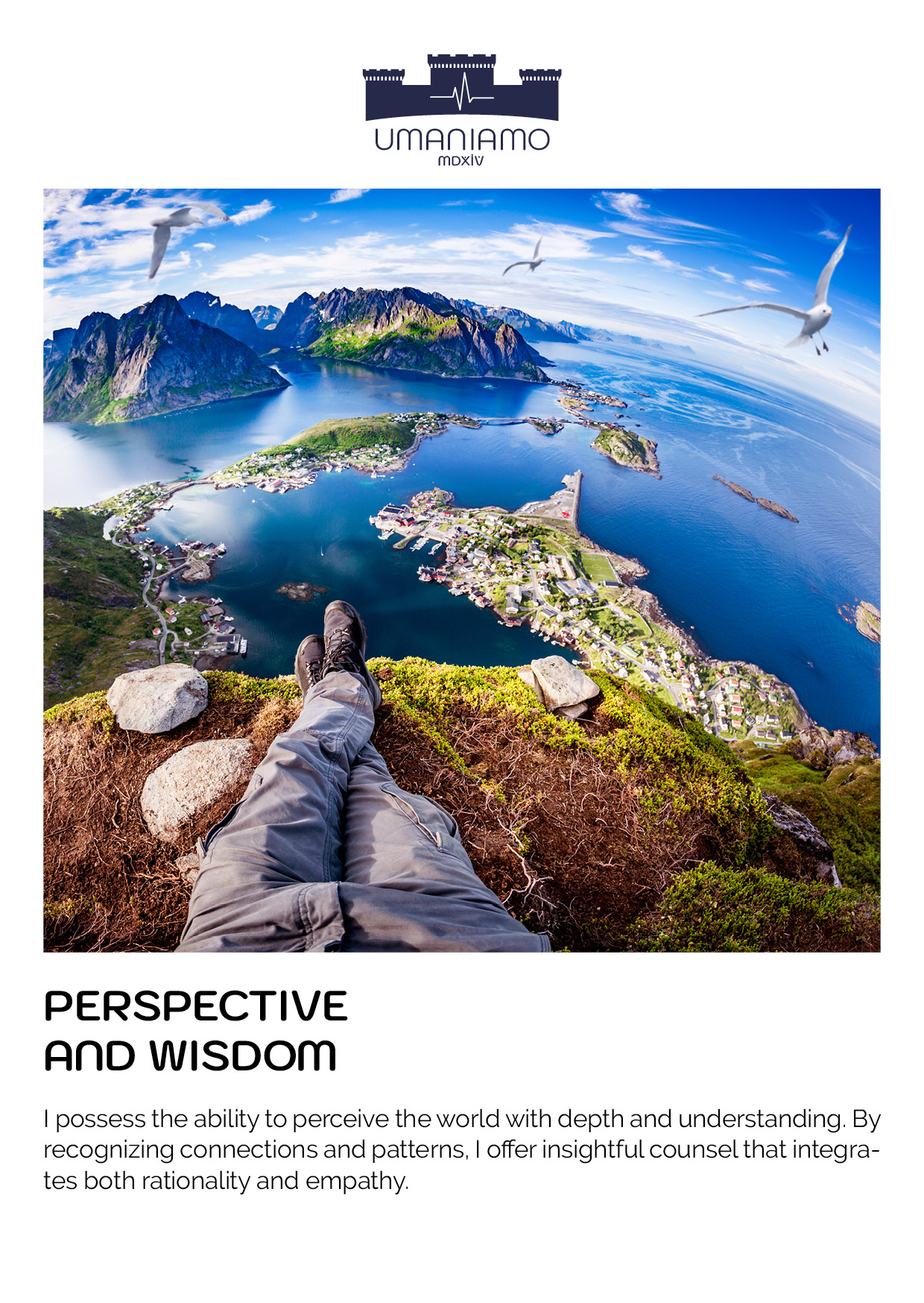
This final Sunday Table of the year is about Perspective & Wisdom. Perspective is the ability to see the bigger picture without losing sight of what matters most. Wisdom, in this sense, is not cleverness or control. It is the capacity to hold complexity, to weigh competing truths, and to choose what is fitting rather than what is easy.
Perspective allows us to stand at a threshold without panic. Wisdom allows us to step forward without arrogance. This week does not ask: What will you do next year? It asks: Who are you becoming and what are you responsible to carry forward?
Prospettiva
Questa non è una settimana di propositi. È una settimana di orientamento. Il calendario cambia, ma la vita non si azzera. Ciò che portiamo con noi nel nuovo anno non è ciò che promettiamo a noi stessi, ma ciò che è già stato formato in noi: abitudini, ferite, convinzioni, relazioni, responsabilità incompiute.
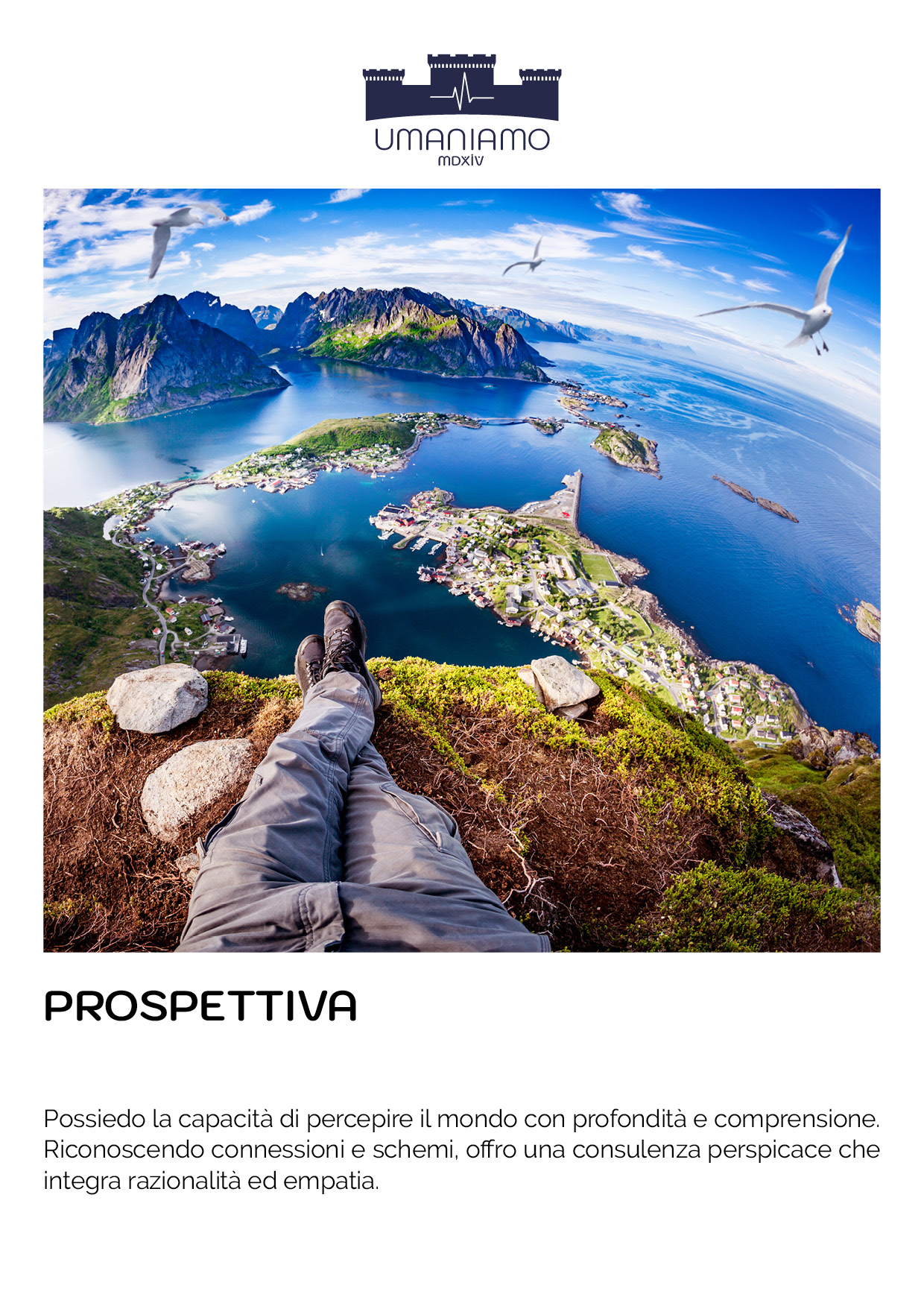
L'ultima tavola rotonda dell'anno riguarda la prospettiva e la saggezza. La prospettiva è la capacità di vedere il quadro generale senza perdere di vista ciò che conta di più. La saggezza, in questo senso, non è intelligenza o controllo. È la capacità di gestire la complessità, di soppesare verità contrastanti e di scegliere ciò che è appropriato piuttosto che ciò che è facile.
La prospettiva ci permette di stare sulla soglia senza panico. La saggezza ci permette di andare avanti senza arroganza. Questa settimana non chiede: “Cosa farai l'anno prossimo?”, ma "Chi stai diventando e di cosa sei responsabile per andare avanti?
Cosiamo, Founder UMANIAMO® | Formation & Architecture
We are standing in a threshold. Not a symbolic one, but a real one felt in our bodies, our families, our institutions, and our public life. A threshold between what once held us together and what no longer can. A threshold between human presence and technological substitution. Between shared meaning and algorithmic manipulation. Between leadership rooted in service and systems driven by extraction, outrage, and speed.
This moment is not neutral. Across the world, we can feel it: a tightening, a fragmentation, a loss of trust…not only in leaders, but in leadership itself. Technology promises connection but often delivers isolation. Information is abundant, but wisdom is scarce. Power circulates faster than accountability. And humanity risks being treated as data rather than dignity. This is the threshold and thresholds demand discernment.
The New Leadership Covenant emerges precisely here not as a program or ideology, but as a human response. A re-centering of leadership on what makes us human in the first place. A refusal to surrender agency, reverence, and responsibility to systems that cannot love, suffer, or choose wisely.
At the heart of the New Leadership Covenant are Seven Promises not rules to enforce, but orientations to live by. They are promises we make to one another at this threshold, especially when the path forward is uncertain.
We promise to Care for the Whole Person, recognizing dignity beyond roles, titles, productivity, or performance.
We promise to Empower Each Person to a Greater Purpose, trusting that leadership multiplies when agency is shared rather than controlled.
We promise to Integrate Faith and Science, refusing the false divide between meaning and method, soul and system, reverence and rigor.
We promise to Encourage Reflection and Discernment, slowing down long enough to choose wisely rather than react quickly in a world addicted to immediacy.
We promise to Value Every Act of Service, honoring both the visible and the unseen work that holds communities together.
We promise to Invite Continuous Growth, embracing learning not as self-improvement, but as a lifelong responsibility to become more capable of love and service.
And finally, we open ourselves to the promise of Magis | Human Flourishing: the call to become more, not for ego or domination, but for the sake of others, together.
This is where Michaelic Masculinity enters the story... not as dominance or nostalgia, but as protective presence, moral courage, and embodied responsibility. The Michaelic Masculine stands at the threshold not to conquer, but to guard what is sacred. Not to withdraw from complexity, but to face it with clarity and restraint. Not to escape the world, but to build within it. The choice before us is not whether change is coming—it already has. The choice is whether we will cross this threshold awake, grounded in reverence and wisdom, or whether we will be carried across it unconsciously by forces that do not know how to love.
The New Leadership Covenant does not promise certainty. It promises orientation. And in a world like ours, that may be the most human gift we can offer one another. We are human together—or not at all.
Ci troviamo su una soglia. Non simbolica, ma reale, percepibile nei nostri corpi, nelle nostre famiglie, nelle nostre istituzioni e nella nostra vita pubblica. Una soglia tra ciò che un tempo ci teneva uniti e ciò che ora non è più in grado di farlo. Una soglia tra la presenza umana e la sostituzione tecnologica. Tra il significato condiviso e la manipolazione algoritmica. Tra una leadership radicata nel servizio e sistemi guidati dall'estrazione, dall'indignazione e dalla velocità.
Questo momento non è neutro. In tutto il mondo, possiamo percepirlo: una tensione, una frammentazione, una perdita di fiducia... non solo nei leader, ma nella leadership stessa. La tecnologia promette connessione, ma spesso porta isolamento. Le informazioni sono abbondanti, ma la saggezza è scarsa. Il potere circola più velocemente della responsabilità. E l'umanità rischia di essere trattata come un dato piuttosto che come dignità. Questa è la soglia e le soglie richiedono discernimento.
La Nuova Alleanza di Leadership emerge proprio qui, non come un programma o un'ideologia, ma come una risposta umana. Un ricentramento della leadership su ciò che ci rende umani in primo luogo. Un rifiuto di cedere l'azione, il rispetto e la responsabilità a sistemi che non possono amare, soffrire o scegliere saggiamente.
Al centro del Nuovo Patto di Leadership ci sono Sette Promesse, non regole da applicare, ma orientamenti da seguire. Sono promesse che ci facciamo l'un l'altro a questa soglia, soprattutto quando il percorso da seguire è incerto.
Promettiamo di prenderci cura della persona nella sua interezza, riconoscendo la dignità al di là dei ruoli, dei titoli, della produttività o delle prestazioni.
Promettiamo di dare a ogni persona la possibilità di perseguire uno scopo più grande, confidando che la leadership si moltiplica quando l'autonomia è condivisa piuttosto che controllata.
Promettiamo di integrare fede e scienza, rifiutando la falsa divisione tra significato e metodo, anima e sistema, riverenza e rigore.
Promettiamo di incoraggiare la riflessione e il discernimento, rallentando abbastanza a lungo da scegliere con saggezza piuttosto che reagire rapidamente in un mondo dipendente dall'immediatezza.
Promettiamo di valorizzare ogni atto di servizio, onorando sia il lavoro visibile che quello invisibile che tiene unite le comunità.
Promettiamo di invitare alla crescita continua, abbracciando l'apprendimento non come miglioramento personale, ma come responsabilità permanente per diventare più capaci di amore e servizio.
E infine, ci apriamo alla promessa del Magis — Fioritura umana: la chiamata a diventare di più, non per ego o dominio, ma per il bene degli altri, insieme.
È qui che entra in gioco la mascolinità micaelica, non come dominio o nostalgia, ma come presenza protettiva, coraggio morale e responsabilità incarnata. La mascolinità micaelica si trova sulla soglia non per conquistare, ma per proteggere ciò che è sacro. Non per ritirarsi dalla complessità, ma per affrontarla con chiarezza e moderazione. Non per fuggire dal mondo, ma per costruire al suo interno. La scelta che abbiamo davanti non è se il cambiamento arriverà: è già arrivato. La scelta è se attraverseremo questa soglia da svegli, radicati nella riverenza e nella saggezza, o se saremo trasportati inconsciamente da forze che non sanno amare.
Della Nuova Alleanza di leadership non promette certezze. Promette orientamento. E in un mondo come il nostro, questo potrebbe essere il dono più umano che possiamo offrirci l'un l'altro. Siamo umani insieme, o non lo siamo affatto.
Perspective & Wisdom
Each week, we offer two simple ways to reflect—depending on how and where you find yourself.
The Table Conversation is a short, shared reflection.
It works best around a meal, in the living room, or during unhurried time with friends or family.
The D.E.E.P.E.R. Examen is a longer, personal reflection.
It’s designed to be done on your own, at your own pace.
You don’t need to do both. Choose the one that fits your moment.
Perspective · Wisdom · Threshold
Choose one question. Let the conversation unfold.
Looking back on this year, what feels clearer now than it did at the beginning?
Not what you accomplished—but what you understand differently.
What responsibility are you more willing to carry today than you were a year ago?
Responsibility is often a sign of growth.
As the New Year begins, what deserves your attention—not urgency, but care?
Silence is welcome. Perspective often arrives after words run out.
A Simple Way to Notice What Is Shaping Us
The D.E.E.P.E.R. Examen is a short, practical way to pause and reflect on the week not to judge yourself or fix anything, but to notice what has been forming you beneath the surface. It is rooted in a simple truth: every week, something is shaping how we think, act, and show up for others. The D.E.E.P.E.R. Examen offers a clear, human sequence for reflection:
noticing what actually happened,
recognizing patterns rather than intentions,
considering how those patterns affect us and others,
looking ahead to where they may be leading,
choosing one small, intentional response,
and allowing meaning to settle through reflection.
You don’t need to move quickly or answer every question. Even one honest insight is enough. The value is not in completing the steps, but in paying attention with care. Many people find the Examen helpful at the end of the day or week, perhaps after a walk, in the evening, or before sleep when the body is calm enough to listen.
DETAILS: Recall moments from this year that changed how you see life, leadership, or yourself.
EVIDENCE: What patterns do you notice when you step back and look at the year as a whole?
EMPATHY: How have your choices affected others—positively or negatively?
PROSPECTIVE: What larger picture is emerging as you look ahead, informed by what you’ve learned?
EXECUTION: What is one wise, proportionate action that honors both the past and the future?
REFLECTION: Where do you sense peace—not because everything is resolved, but because you are oriented rightly?
Perspective and Wisdom is the strength that allows us to see beyond the moment without losing the ground beneath our feet. It helps us hold the whole landscape of a situation: past, present, and possible futures all without being overwhelmed by any single detail. Perspective is not detachment; it is discernment. It allows a man to listen carefully, weigh consequences, and offer guidance that serves what matters most. In a world that constantly pulls attention toward urgency and reaction, perspective restores wisdom by helping us ask not only what is happening, but what this moment is shaping.
Ogni settimana proponiamo due semplici modi per riflettere, a seconda di come e dove vi trovate.
La conversazione a tavola è una breve riflessione condivisa.
Funziona meglio durante un pasto, in salotto o in un momento di tranquillità con amici o familiari.
L'esame D.E.E.P.E.R. è una riflessione personale più lunga.
È pensata per essere fatta da soli, al proprio ritmo.
Non è necessario fare entrambe le cose. Scegli quella più adatta al tuo momento.
Prospettiva · Saggezza · Soglia
Scegli una domanda. Lascia che la conversazione si sviluppi.
Riflettendo su quest'anno, cosa ti sembra più chiaro ora rispetto all'inizio? Non ciò che hai realizzato, ma ciò che comprendi in modo diverso.
Quale responsabilità sei più disposto ad assumerti oggi rispetto a un anno fa? La responsabilità è spesso un segno di crescita.
All'inizio del nuovo anno, cosa merita la tua attenzione, non in termini di urgenza, ma di cura?
Il silenzio è benvenuto. La prospettiva spesso arriva dopo che le parole sono finite.
Un modo semplice per notare ciò che ci sta plasmando
Il D.E.E.P.E.R. Examen è un modo breve e pratico per fermarsi e riflettere sulla settimana, non per giudicarsi o correggere qualcosa, ma per notare ciò che ci ha plasmato sotto la superficie. Si basa su una semplice verità: ogni settimana, qualcosa plasma il modo in cui pensiamo, agiamo e ci presentiamo agli altri. Il D.E.E.P.E.R. Examen offre una sequenza chiara e umana per la riflessione:
notare ciò che è realmente accaduto,
riconoscere gli schemi piuttosto che le intenzioni,
considerare come questi schemi influenzano noi e gli altri,
guardare avanti per capire dove potrebbero portare,
scegliere una piccola risposta intenzionale
e lasciare che il significato si stabilizzi attraverso la riflessione.
Non è necessario muoversi rapidamente o rispondere a tutte le domande. È sufficiente anche una sola intuizione onesta. Il valore non sta nel completare i passaggi, ma nel prestare attenzione con cura. Molte persone trovano utile l'Esame alla fine della giornata o della settimana, magari dopo una passeggiata, la sera o prima di dormire, quando il corpo è abbastanza calmo da poter ascoltare.
DETTAGLI: Ricorda i momenti di quest'anno che hanno cambiato il tuo modo di vedere la vita, la leadership o te stesso.
EVIDENZA: Quali schemi noti quando fai un passo indietro e guardi l'anno nel suo complesso?
EMPATIA: In che modo le tue scelte hanno influenzato gli altri, in modo positivo o negativo?
PROSPETTIVA: Quale quadro più ampio emerge quando guardi al futuro, sulla base di ciò che hai imparato?
ESECUZIONE: Qual è un'azione saggia e proporzionata che onora sia il passato che il futuro?
RIFLESSIONE: Dove senti la pace, non perché tutto è risolto, ma perché sei orientato nella giusta direzione?
La prospettiva e la saggezza sono la forza che ci permette di vedere oltre il momento presente senza perdere il contatto con la realtà. Ci aiutano a cogliere il quadro completo di una situazione: passato, presente e futuri possibili, senza lasciarci sopraffare da alcun dettaglio. La prospettiva non è distacco, è discernimento. Permette a una persona di ascoltare attentamente, valutare le conseguenze e offrire una guida che serva a ciò che conta di più. In un mondo che attira costantemente l'attenzione verso l'urgenza e la reazione, la prospettiva ripristina la saggezza aiutandoci a chiederci non solo cosa sta succedendo, ma cosa sta plasmando questo momento.
Dr. Rhett Bogacz, DC, Health & Embodied Formation
Perspective isn’t only something we think about. It’s something we inhabit. Before we can see the bigger picture of our lives, we have to be honest about the position we’re standing in… physically, relationally, and emotionally. The body gives us this information long before the mind catches up. When men lose perspective, it’s often not because they lack intelligence or values. It’s because they’re overstimulated, under-rested, and constantly reacting. The nervous system narrows. The field of vision shrinks. Everything feels immediate and urgent, even when it isn’t. This is why perspective must be paced.
One of the most overlooked disciplines for men today is simply looking carefully at ourselves and at the people we surround ourselves with. Not to judge, but to orient.
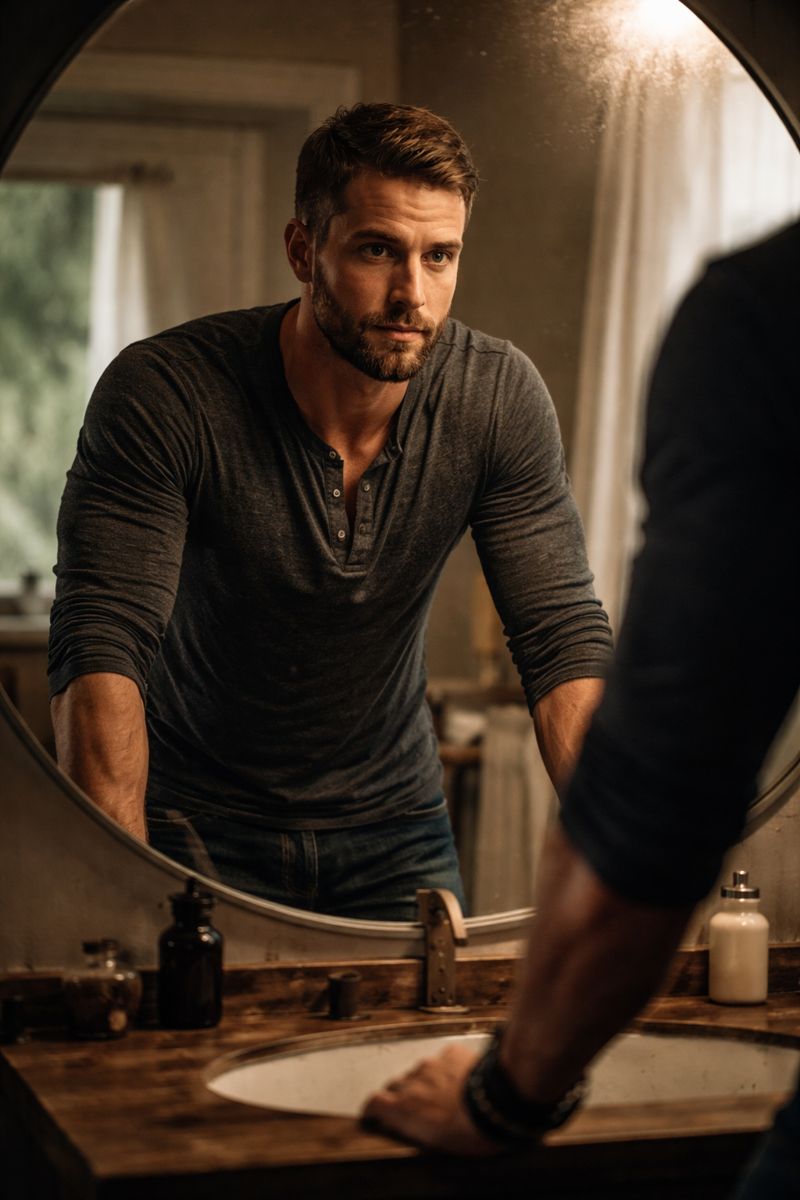
The mirror matters. So does the room you’re standing in. When you look at yourself in the mirror, you’re not just seeing appearance. You’re seeing posture, tension, fatigue, presence. Are your shoulders lifted? Is your jaw clenched? Are your eyes alert or glazed over? These are signals. They tell you whether you’re living from grounded strength or constant defense.
Then look outward. The people you spend time with shape your nervous system more than your ideas do. Their pace becomes your pace. Their habits become normalized. Their way of dealing with stress quietly trains your own. Perspective isn’t about cutting people off. It’s about choosing influence wisely. This week, standing at the threshold of a new year, the invitation is not to reinvent yourself. It’s to reclaim your pacing. To stop moving at a speed that belongs to other people’s expectations, algorithms, or noise.
The body knows when you’re moving too fast. And it knows when you’re aligned. Perspective returns when you slow the body enough to widen the lens again.
Once a day, stand in front of a mirror for 30–60 seconds. Don’t evaluate. Just observe:
Your posture
Your breathing
Your facial tension
Ask quietly: What state am I living in today? Then make one small physical adjustment: smile, drop the shoulders, unclench the jaw, lengthen the breath. Perspective starts with honesty.
Take a few minutes to reflect on the people you’ve been around most in the past two weeks. Not who you like but who you’ve actually spent time with. Ask:
Do I feel calmer or more agitated after time with them?
Do I feel clearer or more scattered?
Do I leave conversations more grounded or more reactive?
This isn’t about judgment. It’s about awareness. Perspective grows when influence is intentional.
Before making any decision this week, especially emotional ones, pause the body first. Do one of the following:
Walk for 5 minutes
Take 5 slow nasal breaths
Place both feet firmly on the ground and exhale fully
Then decide. Decisions made at the right pace carry wisdom. Decisions made in urgency rarely do and often are accompanied with regret.
Before bed tonight:
Turn off your phone 15 minutes earlier than usual
Stand quietly in front of a mirror
Place one hand on your chest, one on your abdomen
Take five slow breaths
Then ask one question no answers required: “What kind of man do I want to become at this pace?” Let the question rest, perspective doesn’t need to be forced… it needs space.
About Dr. Rhett
Dr. Rhett Bogacz is a chiropractor and educator focused on posture, breath, and nervous system regulation. His work supports embodied formation and long-term resilience.
Una delle discipline più trascurate dagli uomini oggi è semplicemente quella di osservare attentamente noi stessi e le persone che ci circondano. Non per giudicare, ma per orientarci.
Lo specchio è importante. Così come la stanza in cui ti trovi. Quando ti guardi allo specchio, non vedi solo il tuo aspetto. Vedi la tua postura, la tensione, la stanchezza, la presenza. Hai le spalle sollevate? Hai la mascella serrata? I tuoi occhi sono vigili o vitrei? Questi sono segnali. Ti dicono se stai vivendo con forza e sicurezza o in costante difesa.
Poi guarda fuori. Le persone con cui trascorri il tuo tempo influenzano il tuo sistema nervoso più delle tue idee. Il loro ritmo diventa il tuo ritmo. Le loro abitudini diventano la norma. Il loro modo di affrontare lo stress influenza silenziosamente il tuo. La prospettiva non significa allontanare le persone. Significa scegliere con saggezza le influenze. Questa settimana, alle soglie di un nuovo anno, l'invito non è quello di reinventarti. È quello di ritrovare il tuo ritmo. Di smettere di muoverti a una velocità che appartiene alle aspettative, agli algoritmi o al rumore degli altri.
Il corpo sa quando ti muovi troppo velocemente. E sa quando sei in sintonia. La prospettiva ritorna quando rallenti il corpo abbastanza da allargare nuovamente la lente.
Una volta al giorno, mettiti davanti allo specchio per 30-60 secondi. Non valutare. Osserva e basta:
La tua postura
Il tuo respiro
La tensione del tuo viso
Chiediti silenziosamente: In che stato mi trovo oggi? Poi fai un piccolo aggiustamento fisico: sorridi, abbassa le spalle, rilassa la mascella, allunga il respiro. La prospettiva inizia con l'onestà.
Prenditi qualche minuto per riflettere sulle persone con cui hai trascorso più tempo nelle ultime due settimane. Non quelle che ti piacciono, ma quelle con cui hai effettivamente trascorso del tempo. Chiediti:
Mi sento più calmo o più agitato dopo aver trascorso del tempo con loro?
Mi sento più lucido o più confuso?
Esco dalle conversazioni più equilibrato o più reattivo?
Non si tratta di giudicare, ma di prendere coscienza. La prospettiva cresce quando l'influenza è intenzionale.
Prima di prendere qualsiasi decisione questa settimana, specialmente quelle emotive, fermati un attimo. Fai una delle seguenti cose:
Cammina per 5 minuti
Fai 5 respiri lenti con il naso
Appoggia entrambi i piedi saldamente a terra ed espira completamente
Poi decidi. Le decisioni prese con il giusto ritmo portano saggezza. Le decisioni prese con urgenza raramente lo fanno e spesso sono accompagnate da rimpianti.
Prima di andare a letto stasera:
Spegni il telefono 15 minuti prima del solito
Stai in piedi in silenzio davanti a uno specchio
Metti una mano sul petto e una sull'addome
Fai cinque respiri lenti
Poi poniti una domanda senza bisogno di risposte: “Che tipo di uomo voglio diventare a questo ritmo?” Lascia riposare la domanda, la prospettiva non ha bisogno di essere forzata... ha bisogno di spazio.
Informazioni sul dottor Rhett
Il dottor Rhett Bogacz è un chiropratico ed educatore specializzato in postura, respirazione e regolazione del sistema nervoso. Il suo lavoro sostiene la formazione incarnata e la resilienza a lungo termine.
Paolo Vizziello, Formation, Discipline & Daily Practice
What an Ancient City Teaches You About Time, Work, and Wisdom
When you grow up and work in a place like Matera, perspective comes whether you ask for it or not. For decades, this city was called la vergogna d’Italia the shame of Italy. People left. Families were broken apart. Work was hard, repetitive, and often invisible. There was nothing romantic about it. Just stone, dust, and endurance.
I didn’t choose Matera because it was beautiful. I inherited it. I was born into work that had to be done every day, whether it was celebrated or not. For most of my life, that work happened inside my family’s restaurant. Same streets. Same walls. Same rhythm. When you stay in one place long enough, you learn something important: time doesn’t move the way the modern world says it does.
Perspective isn’t gained by chasing the next thing. It’s earned by staying long enough to see cycles repeat. Matera didn’t become beautiful because it reinvented itself overnight. It changed because people stopped trying to escape it and started taking responsibility for it. Stone by stone. Decision by decision. Year by year. Wisdom, I’ve learned, is not knowing exactly where you’re going. It’s knowing what not to abandon while you’re figuring it out.
I’ve worked my whole life. I’ve watched others leave, succeed, fail, and return. I’ve also felt the pressure many men feel—that by a certain age you should have everything sorted out. A calling. A plan. A clear future.
But ancient cities don’t work like that. They teach you that life unfolds in seasons, not schedules. Perspective allows you to hold two truths at the same time:
You are not late.
You are not finished.
Wisdom is knowing that your next step doesn’t have to solve your entire life.
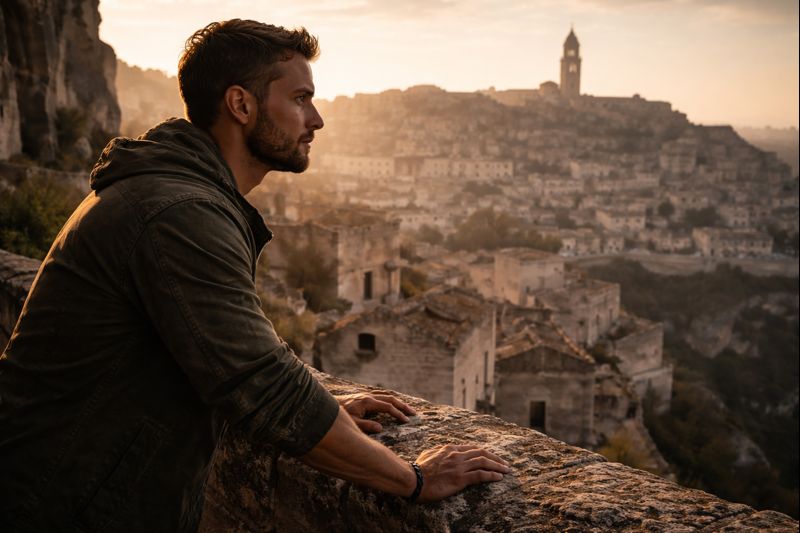
In Matera, you can still see doorways carved into rock that once sheltered families with nothing but faith and routine. No grand vision. Just responsibility for the day in front of them. That kind of life builds something quieter than success it builds stability.
Working in one place for a long time teaches you to respect limits. To listen. To wait. To notice what lasts and what fades. It also teaches you humility. Stone outlives ambition. And yet, without human care, stone crumbles. That’s the balance men today are struggling to find. Perspective isn’t stepping back from life. It’s learning how to stand within it without being consumed by urgency or comparison. Wisdom doesn’t demand you rush forward. It asks you to take care of what is already in your hands.
Matera was once considered a failure. Now people come from all over the world to learn from it. Not because it chased relevance but because it stayed faithful long enough for meaning to emerge. That’s a lesson worth carrying forward. And maybe, for men like me, it’s enough,for now,to keep working honestly, to stay present, and to trust that wisdom grows quietly in places willing to endure.
About Paolo
Paolo Vizziello is a craftsman and formation guide whose reflections focus on discipline, presence, and daily practice rooted in lived experience.
Cosa ti insegna una città antica sul tempo, il lavoro e la saggezza
Quando cresci e lavori in un posto come Matera, la prospettiva arriva, che tu la cerchi o meno. Per decenni, questa città è stata chiamata la vergogna d'Italia. La gente se ne andava. Le famiglie si dividevano. Il lavoro era duro, ripetitivo e spesso invisibile. Non c'era nulla di romantico. Solo pietra, polvere e resistenza.
Non ho scelto Matera perché era bella. L'ho ereditata. Sono nato in un ambiente in cui il lavoro doveva essere svolto ogni giorno, che fosse apprezzato o meno. Per gran parte della mia vita, quel lavoro si svolgeva nel ristorante della mia famiglia. Stesse strade. Stesse mura. Stesso ritmo. Quando si rimane in un posto abbastanza a lungo, si impara qualcosa di importante: il tempo non scorre come dice il mondo moderno.
La prospettiva non si ottiene inseguendo la prossima novità. Si guadagna rimanendo abbastanza a lungo da vedere i cicli ripetersi. Matera non è diventata bella perché si è reinventata dall'oggi al domani. È cambiata perché le persone hanno smesso di cercare di fuggirla e hanno iniziato ad assumersene la responsabilità. Pietra dopo pietra. Decisione dopo decisione. Anno dopo anno. La saggezza, ho imparato, non è sapere esattamente dove stai andando. È sapere cosa nonabbandonare mentre lo scopri.
Ho lavorato tutta la mia vita. Ho visto altri andarsene, avere successo, fallire e tornare. Ho anche sentito la pressione che molti uomini provano: che a una certa età dovresti avere tutto sistemato. Una vocazione. Un piano. Un futuro chiaro.
Ma le città antiche non funzionano così. Ti insegnano che la vita si svolge in stagioni, non in programmi. La prospettiva ti permette di tenere due verità allo stesso tempo:
Non sei in ritardo.
Non hai finito.
La saggezza è sapere che il tuo prossimo passo non deve risolvere tutta la tua vita.
A Matera si possono ancora vedere porte scavate nella roccia che un tempo ospitavano famiglie che non avevano altro che fede e routine. Nessuna grande visione. Solo la responsabilità per la giornata che avevano davanti. Quel tipo di vita costruisce qualcosa di più tranquillo del successo: costruisce stabilità.
Lavorare a lungo in un unico posto ti insegna a rispettare i limiti. Ad ascoltare. Ad aspettare. A notare ciò che dura e ciò che svanisce. Ti insegna anche l'umiltà. La pietra sopravvive all'ambizione. Eppure, senza la cura dell'uomo, la pietra si sgretola. Questo è l'equilibrio che gli uomini oggi faticano a trovare. La prospettiva non è allontanarsi dalla vita. È imparare a stare all'interno di essa senza essere consumati dall'urgenza o dal confronto. La saggezza non ti chiede di correre avanti. Ti chiede di prenderti cura di ciò che hai già tra le mani.
Matera un tempo era considerata un fallimento. Ora le persone vengono da tutto il mondo per imparare da essa. Non perché abbia cercato di essere rilevante, ma perché è rimasta fedele abbastanza a lungo da far emergere il suo significato. È una lezione che vale la pena portare avanti. E forse, per uomini come me, per ora è sufficiente continuare a lavorare onestamente, rimanere presenti e confidare che la saggezza cresca silenziosamente nei luoghi disposti a resistere.
Informazioni su Paolo
Paolo Vizziello è un artigiano e guida alla formazione le cui riflessioni si concentrano sulla disciplina, la presenza e la pratica quotidiana radicata nell'esperienza vissuta.
Paolo Vizziello, Formation, Discipline & Daily Practice
In an ancient city like Matera, perspective comes natural if you let it. You can’t rush stone that has stood for thousands of years. You can’t force growth where patience built survival. And you learn quickly that stability is not created by dramatic moves, but by reasonable actions taken consistently over time.
Today, many people feel pressure to have everything figured out financially. Big plans. Big risks. Big promises of “freedom” or “escape.” But wisdom rarely works that way. Real financial growth is quieter. It begins with seeing clearly where you are, not where you wish you were.
Perspective asks a simple question: What is the next responsible step… not the final answer? Encouraging continuous growth does not mean chasing constant expansion. It means creating conditions where growth is possible without breaking what already works. In practical terms, this looks like:
Knowing your real monthly costs before dreaming about future income.
Protecting stability (rent, food, family obligations) before speculation.
Investing time and attention in skills you can actually use—now or soon.
In Matera, many families survived hard seasons not by earning more, but by wasting less, sharing resources, and planning ahead. Frugality was not scarcity, it was respect. Respect for effort, for time, for the work of others. Financial wisdom also knows when not to act. There is courage in restraint. Not every opportunity is yours. Not every risk is necessary. Growth that arrives too fast often collapses just as quickly.
Encouraging continuous growth means asking:
What can I strengthen in the next three months?
What habit, skill, or discipline would quietly improve my stability?
Where am I confusing urgency with importance?
This is builder thinking. Builders don’t gamble the structure to decorate the roof. They reinforce the foundation first. Perspective allows you to zoom out. Wisdom tells you when to move—and when to wait. In a world that pushes speed, comparison, and noise, choosing measured action is not weakness. It is maturity. And maturity compounds. You don’t need to know your entire future to take your next responsible step. You only need honesty, patience, and the humility to grow one solid decision at a time.
In una città antica come Matera, la prospettiva viene naturale se la si lascia fluire. Non si può mettere fretta alla pietra che resiste da migliaia di anni. Non si può forzare la crescita dove la sopravvivenza è stata costruita con pazienza. E si impara rapidamente che la stabilità non è creata da mosse drammatiche, ma da azioni ragionevoli intraprese con costanza nel tempo.
Oggi, molte persone sentono la pressione di dover avere tutto sotto controllo dal punto di vista finanziario. Grandi progetti. Grandi rischi. Grandi promesse di “libertà” o “fuga”. Ma la saggezza raramente funziona in questo modo. La vera crescita finanziaria è più silenziosa. Inizia con il vedere chiaramente dove ci si trova, non dove si vorrebbe essere.
La prospettiva pone una semplice domanda: Qual è il prossimo passo responsabile... non la risposta definitiva? Incoraggiare la crescita continua non significa perseguire un'espansione costante. Significa creare le condizioni in cui la crescita è possibile senza compromettere ciò che già funziona. In termini pratici, questo significa:
Conoscere i propri costi mensili reali prima di sognare un reddito futuro.
Proteggere la stabilità (affitto, cibo, obblighi familiari) prima di speculare.
Investire tempo e attenzione in competenze che si possono effettivamente utilizzare, ora o in futuro.
A Matera, molte famiglie sono sopravvissute a stagioni difficili non guadagnando di più, ma sprecando meno, condividendo le risorse e pianificando in anticipo. La frugalità non era scarsità, era rispetto. Rispetto per lo sforzo, per il tempo, per il lavoro degli altri. La saggezza finanziaria sa anche quando non agire. C'è coraggio nella moderazione. Non tutte le opportunità sono tue. Non tutti i rischi sono necessari. Una crescita troppo rapida spesso crolla altrettanto rapidamente.
Incoraggiare una crescita continua significa chiedersi:
Cosa posso rafforzare nei prossimi tre mesi?
Quale abitudine, abilità o disciplina migliorerebbe silenziosamente la mia stabilità?
Dove sto confondendo l'urgenza con l'importanza?
Questo è il pensiero del costruttore. I costruttori non scommettono sulla struttura per decorare il tetto. Prima rinforzano le fondamenta. La prospettiva ti permette di allargare lo sguardo. La saggezza ti dice quando muoverti e quando aspettare. In un mondo che spinge alla velocità, al confronto e al rumore, scegliere un'azione misurata non è debolezza. È maturità. E la maturità si accumula. Non è necessario conoscere tutto il proprio futuro per compiere il prossimo passo responsabile. Bastano onestà, pazienza e umiltà per crescere una decisione solida alla volta.
Jake Claxton, Fatherhood, Formation & the Track
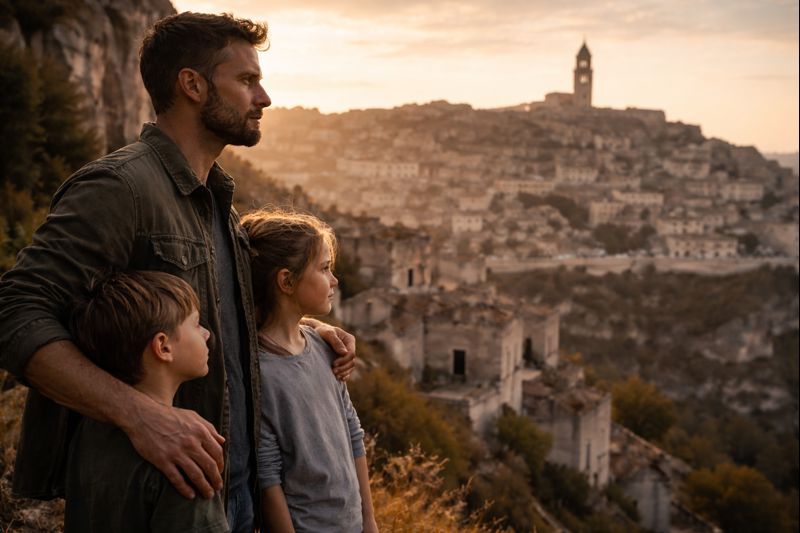
One of the things I’ve been thinking about a lot lately is how little control we actually have and how much responsibility we still carry. My wife is a stay-at-home mom. We’re intentional about how we raise our kids. We pay attention to what we let into our home, what we model, what we say yes to and what we don’t. On paper, we’re doing all the “right” things. And yet, the world still shows up. It shows up at the grocery store when a young boy sits in the cart, eyes locked on a phone. It shows up at a restaurant when a family eats together, but no one is actually together. It shows up through friends, cousins, classmates, screens, and conversations we don’t control.
That’s when perspective matters. Perspective, for me, isn’t about judging those moments or trying to shield my kids from every influence. That’s impossible. Perspective is the ability to zoom out and to see the bigger picture without panicking, to respond rather than react, and to remember what kind of man and father I’m becoming in the process.
I can’t parent from fear or outsource the formation of my sons to the world. What I can do is live the Seven Promises in front of and with my kids.
When I care for the whole person, I’m teaching them that their worth isn’t tied to performance or attention. When I empower them and others person to a greater purpose, I show them they’re not here to be entertained, but entrusted. When I integrate faith and science, I model that wisdom isn’t found in extremes or shortcuts. When I encourage reflection and discernment, I slow us down enough to talk about what we’re seeing, not just avoid it. When I value every act of service, I remind them that meaning is built in small, unseen moments. When I invite continuous growth, I admit that I’m still learning too. And when I open myself to Magis—human flourishing for the sake of others—I show them that life isn’t about winning the moment, but becoming someone others can trust.
Perspective helps me remember that my kids are watching how I respond far more than what I restrict. They’re watching whether I get angry or grounded and whether I complain about the world or engage it wisely. If I am present or just physically nearby. I don’t need to compete with the noise. I need to be steady enough to outlast it.
The world is forming our children whether we like it or not. That’s the reality. But formation doesn’t happen through control it happens through example, consistency, and courage. Perspective allows me to hold all of that without hardening. And in times like these, that might be one of the most important responsibilities a father can carry.
About Jake
Jake Claxton is a husband, father of two sons, and founder of Ride By Design. His reflections draw from family life, faith, and lessons learned on the motocross track.
Una delle cose a cui ho pensato molto ultimamente è quanto poco controllo abbiamo effettivamente e quanta responsabilità continuiamo ad avere. Mia moglie è una mamma casalinga. Siamo molto attenti a come cresciamo i nostri figli. Prestiamo attenzione a ciò che lasciamo entrare in casa nostra, a ciò che diamo come esempio, a ciò a cui diciamo sì e a ciò a cui diciamo no. Sulla carta, stiamo facendo tutte le cose “giuste”. Eppure, il mondo continua a farsi vedere. Si fa vedere al supermercato quando un ragazzino si siede nel carrello con gli occhi fissi sul telefono. Si fa vedere al ristorante quando una famiglia mangia insieme, ma nessuno è davvero insieme. Si fa vedere attraverso amici, cugini, compagni di classe, schermi e conversazioni che non controlliamo.
È qui che entra in gioco la prospettiva. Per me, la prospettiva non significa giudicare quei momenti o cercare di proteggere i miei figli da ogni influenza. È impossibile. La prospettiva è la capacità di allargare lo sguardo e vedere il quadro generale senza farsi prendere dal panico, di rispondere invece di reagire e di ricordare che tipo di uomo e di padre sto diventando in questo processo.
Non posso fare il genitore spinto dalla paura o affidare la formazione dei miei figli al mondo. Quello che posso fare è vivere le Sette Promesse davanti ai miei figli e insieme a loro.
Quando mi prendo cura della persona nella sua interezza, insegno loro che il loro valore non è legato alle prestazioni o all'attenzione. Quando li responsabilizzo e li aiuto a raggiungere uno scopo più grande, mostro loro che non sono qui per essere intrattenuti, ma per essere affidati. Quando integro fede e scienza, mostro loro che la saggezza non si trova negli estremi o nelle scorciatoie. Quando incoraggio la riflessione e il discernimento, rallento abbastanza da poter parlare di ciò che vediamo, invece di evitarlo. Quando apprezzo ogni atto di servizio, ricordo loro che il significato si costruisce nei piccoli momenti invisibili. Quando invito alla crescita continua, ammetto che anch'io sto ancora imparando. E quando mi apro al Magis, il fiorire umano per il bene degli altri, mostro loro che la vita non consiste nel vincere il momento, ma nel diventare qualcuno di cui gli altri possono fidarsi.
La prospettiva mi aiuta a ricordare che i miei figli osservano il modo in cui reagisco molto più di quanto osservino le mie restrizioni. Osservano se mi arrabbio o se rimango calmo, se mi lamento del mondo o se lo affronto con saggezza. Se sono presente o solo fisicamente vicino. Non ho bisogno di competere con il rumore. Devo essere abbastanza saldo da resistergli.
Il mondo sta plasmando i nostri figli, che ci piaccia o no. Questa è la realtà. Ma la formazione non avviene attraverso il controllo, ma attraverso l'esempio, la coerenza e il coraggio. La prospettiva mi permette di mantenere tutto questo senza indurirmi. E in tempi come questi, questa potrebbe essere una delle responsabilità più importanti che un padre possa assumersi.
Informazioni su Jake
Jake Claxton è marito, padre di due figli e fondatore di Ride By Design. Le sue riflessioni traggono ispirazione dalla vita familiare, dalla fede e dalle lezioni apprese sulla pista di motocross.
A petra ca resta, ‘nzegna u tiempe.
The stone that stays teaches time.
Meaning / Reflection:
This proverb reminds us that wisdom is not learned by rushing or escaping, but by remaining present long enough for life to shape us. In Matera, stone endures seasons of neglect and renewal, shame and honor. What remains—faithful, grounded, patient—becomes a teacher. Perspective and wisdom grow not from movement alone, but from staying, carrying responsibility, and allowing time to do its quiet work.
Significato / Riflessione:
Questo proverbio ci ricorda che la saggezza non si apprende affrettandosi o fuggendo, ma rimanendo presenti abbastanza a lungo affinché la vita ci plasmi. A Matera, la pietra resiste alle stagioni dell'abbandono e del rinnovamento, della vergogna e dell'onore. Ciò che rimane - fedele, saldo, paziente - diventa un maestro. La prospettiva e la saggezza non nascono solo dal movimento, ma dal rimanere, dall'assumersi responsabilità e dal lasciare che il tempo faccia il suo silenzioso lavoro.
Peperoni Cruschi
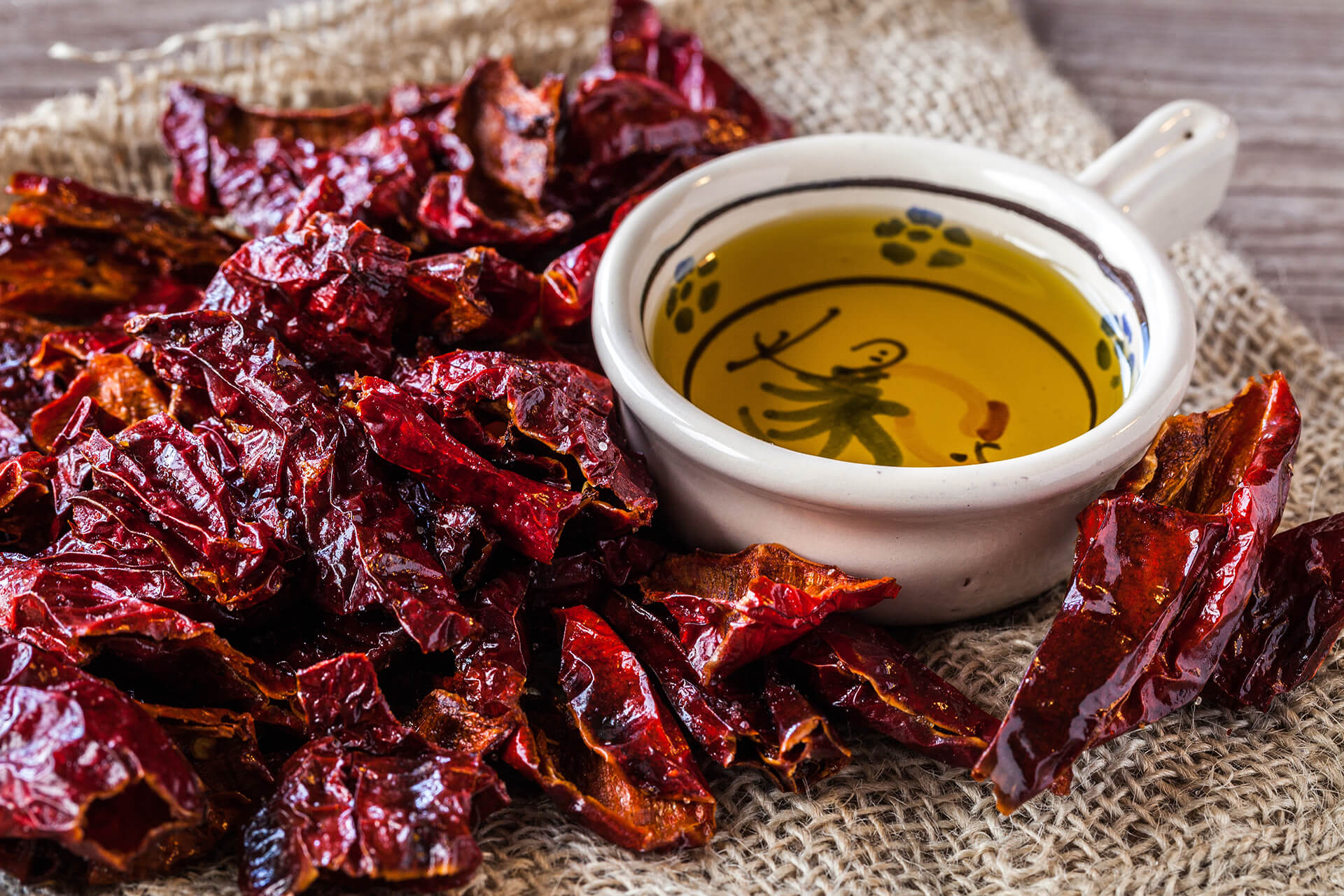
Simple, elemental, and unmistakably Lucanian, peperoni cruschi are a reminder that wisdom often lives in restraint. Nothing is rushed. Nothing is wasted. Heat is brief. Attention is total.
6–8 dried Peperoni di Senise IGP (or similar thin, sweet dried red peppers)
Extra-virgin olive oil (just enough to coat the pan)
Fine sea salt (to taste)
Prepare the peppers
Gently wipe the dried peppers with a dry cloth. Remove stems and shake out seeds if desired (traditionalists often leave some).
Heat with restraint
Warm a shallow pan over low to medium-low heat. Add just a thin film of olive oil—this is not frying, it’s awakening.
Quick crisp
Add the peppers and turn continuously for 5–10 seconds per side. Watch closely: they should puff slightly and turn glossy, never dark or bitter.
Rest immediately
Remove at once and place on paper towel. Salt lightly while warm.
Crumbled over bread, pasta with olive oil, or eggs
Alongside meat or legumes
Or simply eaten by hand—listening to the crackle
Peperoni cruschi teach a Lucanian lesson:
Too much heat destroys what patience perfects.
They reward presence, not force.
And like formation itself, they are ruined in a moment—but unforgettable when done well.
Semplici, essenziali e inconfondibilmente lucani, i peperoni cruschi ci ricordano che spesso la saggezza risiede nella moderazione. Nulla è affrettato. Nulla è sprecato. La cottura è breve. L'attenzione è totale.
6-8 peperoni secchi di Senise IGP (o peperoni rossi secchi simili, sottili e dolci)
Olio extravergine di oliva (quanto basta per ungere la padella)
Sale marino fino (q.b.)
Preparare i peperoni: Pulire delicatamente i peperoni secchi con un panno asciutto. Rimuovere i gambi e scuotere i semi se lo si desidera (i tradizionalisti spesso ne lasciano alcuni).
Scaldare con moderazione: Scaldare una padella poco profonda a fuoco basso o medio-basso. Aggiungere solo un filo d'olio d'oliva: non si tratta di friggere, ma di risvegliare gli aromi.
Croccantezza immediata: Aggiungere i peperoni e girarli continuamente per 5-10 secondi per lato. Osservare attentamente: dovrebbero gonfiarsi leggermente e diventare lucidi, senza diventare scuri o amari.
Lasciar riposare immediatamente: Togliere subito dalla padella e disporre su carta assorbente. Salare leggermente mentre sono ancora caldi.
Sbriciolati sul pane, sulla pasta con olio d'oliva o sulle uova
Accompagnati da carne o legumi
O semplicemente mangiati con le mani, ascoltando il loro crepitio
I peperoni cruschi insegnano una lezione lucana:
il calore eccessivo distrugge ciò che la pazienza perfeziona.
Premiamo la presenza, non la forza.
E come la formazione stessa, si rovinano in un attimo, ma sono indimenticabili quando sono fatti bene.
Cosiamo, Founder UMANIAMO® | Formation & Architecture
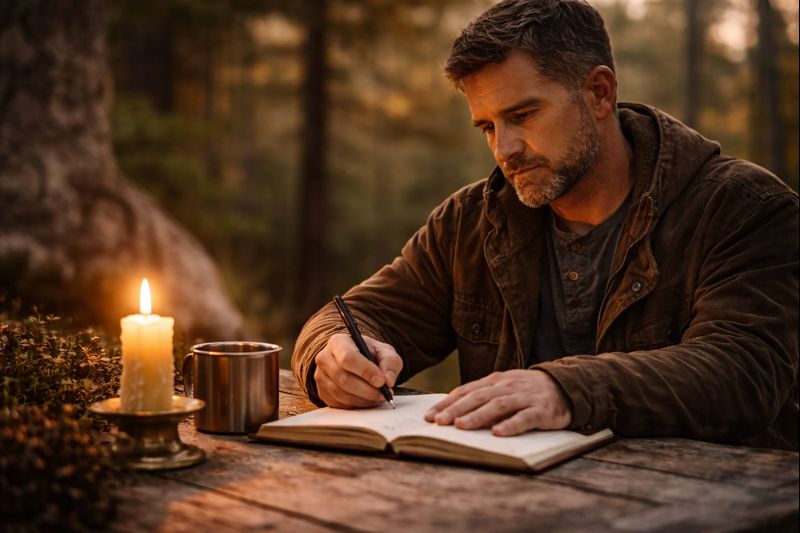
As the year closed, we are reminded that leadership is not forged in moments of comfort, but in the quiet decision to remain present, especially when the work is unfinished and the future still forming. The story of the Christmas season does not begin with certainty or control, but with trust: trust placed in relationship, in shared purpose, and in a promise larger than any one individual.
Something I have been working on for years, is a restoration of the promises of leadership. These Seven Promises of the New Leadership Covenant call us back to this deeper ground. They ask us to lead not from authority alone, but from presence, responsibility, and service to the whole. To tell the truth with courage. To act with humility. To protect what is entrusted to us. To build together what none of us could carry alone. Leadership, at its best, is not about visibility, it is about faithfulness.
The Seven Promises of the New Leadership Covenant offer us a steady orientation, especially when the future seems uncertain.
We commit to Care for the Whole Person, recognizing dignity beyond roles or titles.
We Empower Each Person to a Greater Purpose, trusting that leadership multiplies when agency is shared.
We Integrate Faith and Science, refusing false divides between meaning and method.
We Encourage Reflection and Discernment, slowing down to choose wisely rather than react quickly.
We Value Every Act of Service, honoring both visible and unseen contributions.
We Invite Continuous Growth, embracing learning as a lifelong responsibility.
And finally, we open ourselves to the emergent promise of Magis — Human Flourishing, the call to become more for the sake of others, together.
Together, we all stand at the intersection of legacy and possibility. The fire behind you represents the wisdom, effort, and sacrifices that brought us here. The horizon before you holds the work still required: work that demands clarity, coherence, and care. May this season renew your commitment to lead together, honoring the dignity of people, the integrity of the profession, and the shared promise we steward on behalf of a global community. We are human together, or not at all.
Take a quiet moment. Read slowly.
DETAILS: Where did I show up fully this year? Where did I withdraw, delay, or remain silent when clarity was needed?
EVIDENCE: What outcomes reflect our collective leadership? Where do results point to alignment and where do they signal unfinished work?
EMPATHY: Whose voices were elevated through my leadership? Whose perspectives might I have overlooked or misunderstood?
PROSPECTIVE: What future am I helping to shape through today’s decisions? Am I leading for the next meeting OR for the next generation?
EXECUTION: What is a small action I can take to reflect the promises and hold myself and others accountable? Where am I called to recommit with greater integrity or courage?
REFLECTION: What is mine to carry forward and what must be carried together?
Close with this intention an intention: May my leadership honor the promise entrusted to us, serve the whole with humility, and strengthen the bonds that make our work possible. After all, we are human together, or not at all.
Names, Witness, and the Quiet Formation of the New Year
January 5 — Sant’Emilia
A witness of quiet perseverance. Emilia reminds us that faithfulness often unfolds in ordinary duties, carried without recognition but never without meaning.
January 6 — Epifania del Signore
The Feast of Revelation. Epiphany marks the moment when what was hidden becomes visible—not through force, but through discernment and journey. Wisdom recognizes truth when it appears and responds with action.
January 7 — San Raimondo
A patron of clarity and conscience. Raimondo stands for integrity in decision-making, especially when leadership requires choosing the harder, more truthful path.
January 8 — Sant’Erardo
A reminder that responsibility matures through service. Erardo’s witness calls us to lead with humility, placing the needs of others before status or certainty.
January 9 — Sant’Adriano
A figure of conversion and courage. Adriano’s life speaks to the power of perspective—how seeing life differently can redirect everything that follows.
January 10 — San Gregorio di Nissa
A teacher of depth and vision. Gregory invites us to think beyond surface answers and to allow wisdom to grow through contemplation, patience, and disciplined inquiry.
January 11 — San Tommaso d’Aquino (anticipated in many traditions)
A bridge between faith and reason. Thomas embodies the integration of intellect, humility, and devotion—reminding us that truth withstands examination and grows stronger when tested.
As the new year begins, these witnesses invite us not to rush clarity, but to walk steadily toward it—allowing perspective, wisdom, and responsibility to take root over time.
Alla fine dell'anno, ci viene ricordato che la leadership non si forgia nei momenti di comodità, ma nella tranquilla decisione di rimanere presenti, soprattutto quando il lavoro è incompiuto e il futuro è ancora in fase di formazione. La storia del periodo natalizio non inizia con la certezza o il controllo, ma con la fiducia: fiducia riposta nelle relazioni, in uno scopo condiviso e in una promessa più grande di qualsiasi singolo individuo.
Una cosa su cui lavoro da anni è il ripristino delle promesse della leadership. Queste Sette Promesse del Nuovo Patto di Leadership ci richiamano a questo fondamento più profondo. Ci chiedono di guidare non solo con l'autorità, ma con la presenza, la responsabilità e il servizio al tutto. Di dire la verità con coraggio. Di agire con umiltà. Di proteggere ciò che ci è stato affidato. Di costruire insieme ciò che nessuno di noi potrebbe portare da solo. La leadership, nella sua forma migliore, non riguarda la visibilità, ma la fedeltà.
Le Sette Promesse della Nuova Alleanza di leadership ci offrono un orientamento costante, soprattutto quando il futuro sembra incerto.
Ci impegniamo a prenderci cura della persona nella sua interezza, riconoscendo la dignità al di là dei ruoli o dei titoli.
Diamo a ogni persona la possibilità di perseguire uno scopo più grande, confidando nel fatto che la leadership si moltiplica quando l'azione è condivisa.
Integriamo fede e scienza, rifiutando false divisioni tra significato e metodo.
Incoraggiamo la riflessione e il discernimento, rallentando per scegliere con saggezza piuttosto che reagire rapidamente.
Apprezziamo ogni atto di servizio, onorando sia i contributi visibili che quelli invisibili.
Invitiamo alla crescita continua, abbracciando l'apprendimento come una responsabilità che dura tutta la vita.
E infine, ci apriamo alla promessa emergente del Magis - Fioritura umana, la chiamata a diventare di più per il bene degli altri, insieme.
Insieme, ci troviamo tutti all'incrocio tra eredità e possibilità. Il fuoco dietro di voi rappresenta la saggezza, lo sforzo e i sacrifici che ci hanno portato qui. L'orizzonte davanti a voi racchiude il lavoro che ancora ci aspetta: un lavoro che richiede chiarezza, coerenza e attenzione. Possa questa stagione rinnovare il vostro impegno a guidare insieme, onorando la dignità delle persone, l'integrità della professione e la promessa condivisa che custodiamo a nome di una comunità globale. Siamo umani insieme, o non lo siamo affatto.
Prendetevi un momento di tranquillità. Leggete lentamente.
DETTAGLI: Dove mi sono esposto pienamente quest'anno? Dove mi sono ritirato, ho ritardato o sono rimasto in silenzio quando era necessaria chiarezza?
PROVE: Quali risultati riflettono la nostra leadership collettiva? Dove i risultati indicano un allineamento e dove segnalano un lavoro incompiuto?
EMPATIA: Quali voci sono state valorizzate grazie alla mia leadership? Quali prospettive potrei aver trascurato o frainteso?
PROSPETTIVA: Quale futuro sto contribuendo a plasmare attraverso le decisioni di oggi? Sto guidando per la prossima riunione O per la prossima generazione?
ESECUZIONE: Qual è una piccola azione che posso intraprendere per riflettere le promesse e rendere me stesso e gli altri responsabili? Dove sono chiamato a rinnovare il mio impegno con maggiore integrità o coraggio?
RIFLESSIONE: Cosa devo portare avanti da solo e cosa dobbiamo portare avanti insieme?
Concludete con questa intenzione: Possa la mia leadership onorare la promessa che ci è stata affidata, servire il tutto con umiltà e rafforzare i legami che rendono possibile il nostro lavoro. Dopo tutto, siamo umani insieme, o non lo siamo affatto.
Nomi, testimonianza e la silenziosa formazione del nuovo anno
5 gennaio — Sant'Emilia
Una testimone di silenziosa perseveranza. Emilia ci ricorda che la fedeltà spesso si manifesta nei doveri ordinari, svolti senza riconoscimento ma mai senza significato.
6 gennaio — Epifania del Signore
La festa della Rivelazione. L'Epifania segna il momento in cui ciò che era nascosto diventa visibile, non con la forza, ma attraverso il discernimento e il cammino. La saggezza riconosce la verità quando appare e risponde con l'azione.
7 gennaio — San Raimondo
Patrono della chiarezza e della coscienza. Raimondo è sinonimo di integrità nel processo decisionale, soprattutto quando la leadership richiede di scegliere la strada più difficile, ma più vera.
8 gennaio — Sant'Erardo
Un promemoria che la responsabilità matura attraverso il servizio. La testimonianza di Erardo ci chiama a guidare con umiltà, mettendo i bisogni degli altri prima dello status o della certezza.
9 gennaio — Sant'Adriano
Una figura di conversione e coraggio. La vita di Adriano parla del potere della prospettiva: come vedere la vita in modo diverso può reindirizzare tutto ciò che segue.
10 gennaio — San Gregorio di Nissa
Un insegnante di profondità e visione. Gregorio ci invita a pensare oltre le risposte superficiali e a permettere alla saggezza di crescere attraverso la contemplazione, la pazienza e l'indagine disciplinata.
11 gennaio — San Tommaso d'Aquino (anticipato in molte tradizioni)
Un ponte tra fede e ragione. Tommaso incarna l'integrazione di intelletto, umiltà e devozione, ricordandoci che la verità resiste all'esame e diventa più forte quando viene messa alla prova.
All'inizio del nuovo anno, questi testimoni ci invitano a non affrettare la chiarezza, ma a camminare con costanza verso di essa, permettendo alla prospettiva, alla saggezza e alla responsabilità di mettere radici nel tempo.